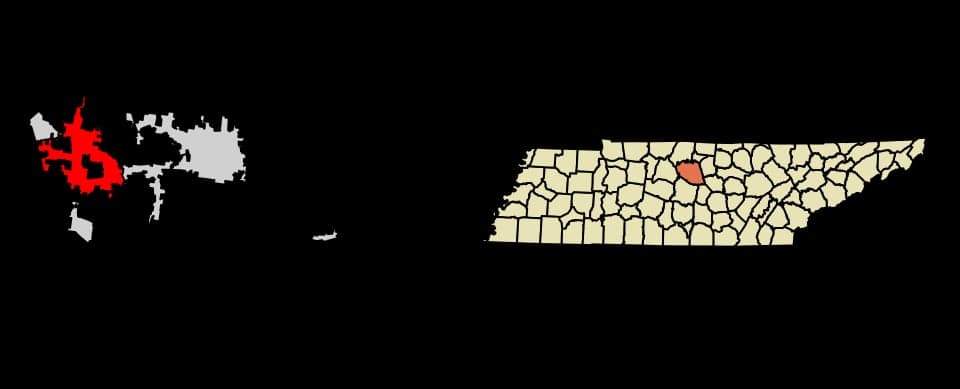
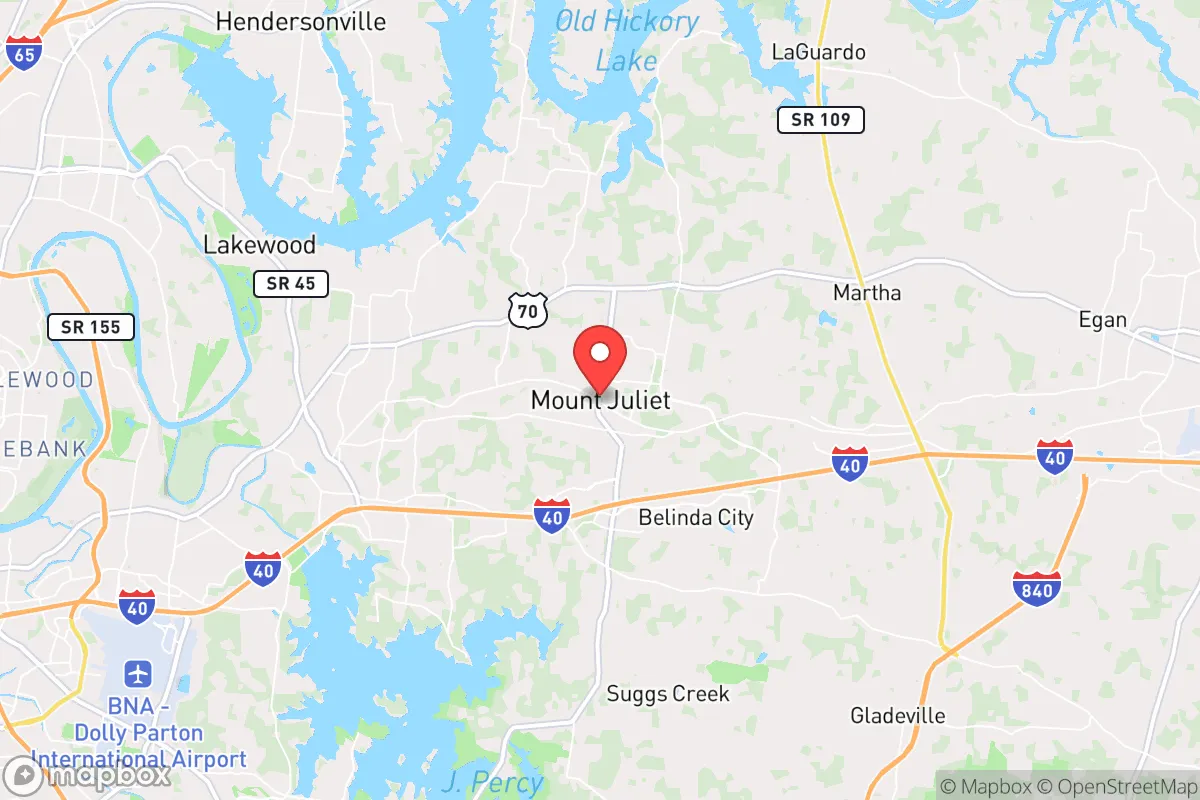
Photo: Wikipedia
An Unincorporated Community in Wilson County, Tennessee
Find The Best Places To Live
in Mt. Juliet
PRO TIP! You can paste a Zillow or Redfin link to get info on that property.
What It's Like Living in Mt. Juliet, TN
Mt. Juliet has a reputation as one of those places where people move for the schools and stay for the pace of life — a fast-growing suburb that still feels like a small town if you know where to look. With just over 40,000 residents, it sits east of Nashville, close enough to commute but far enough that the skyline feels like a distant postcard. The median home value hovers around $423,000, and the median household income tops $107,000, which tells you the kind of demographic this area attracts: professionals and families who want space, safety, and a solid return on their housing dollar.
The Daily Rhythm: Work, Errands, and Weekend Habits
Most people here live by the commute. The average drive to work is about 31 minutes, and for many that means heading west into Nashville along Interstate 40. That stretch can get thick during rush hour, especially near the Providence Marketplace exit, but it’s predictable — not the kind of gridlock that makes you question your life choices. Locals plan errands around it. The Providence area is the commercial hub, with a Target, a Publix, and a growing collection of chain restaurants and local spots like Puckett’s Grocery & Restaurant, where the live music on weekends draws a crowd that skews toward couples in their 30s and 40s. Weekends often involve a trip to Cedars of Lebanon State Park about 15 minutes east, or a slow morning at one of the coffee shops near the train depot. The city’s median age is 39.1, which matches the vibe: people are past the party phase but not yet retired, and their social life revolves around kids’ sports, neighborhood cookouts, and the occasional date night.
Sports, Schools, and the Community Anchor
High school sports are a genuine big deal here. Mt. Juliet High School football games on Friday nights pack the stands, and the baseball and softball programs regularly compete for state titles. For a suburb this size, the athletic culture creates a real sense of identity — you’ll see car decals and yard signs supporting the Golden Bears year-round. College sports fandom leans heavily toward the University of Tennessee, with a strong contingent of Vanderbilt and Belmont fans among the more recent transplants. There’s no major pro team in town, but Nashville’s Titans and Predators are an easy drive for a weekend game. The schools themselves are a major draw: roughly half the adult population holds a college degree, and the local public schools consistently rank among the best in Wilson County. That reputation is one reason families are willing to pay the premium on housing — the cost of living index sits at 157, well above the national average, but people see it as an investment in their kids’ education and neighborhood stability.
What’s There to Do: Parks, Festivals, and Local Hangouts
Outdoor life is the main entertainment. Charlie Daniels Park hosts the annual Mt. Juliet Community Festival each fall, with live music, food trucks, and a fireworks show that feels like the whole town shows up. The park also has sports fields, a dog park, and a splash pad that’s packed with families on hot summer afternoons. For a quieter outing, the Greenway Trail runs along the creek and connects several neighborhoods — it’s popular with runners and people walking dogs. The restaurant scene is still catching up to the population growth. You’ll find solid options like Batter’s Box for burgers and beer, and O’Charley’s for a reliable chain meal, but for anything more adventurous — say, a proper ramen shop or a cocktail bar — most people drive into Nashville or nearby Lebanon. That’s a common frustration: the dining and nightlife options are limited for a town this affluent, and locals often joke that “going out” means leaving town.
Pros and Cons of Living Here
- Pro: Strong schools and a family-first atmosphere. The public school system is a genuine asset, and the community calendar revolves around school events, youth sports, and library programs. If you have kids, you’ll find a ready-made social network.
- Pro: Proximity to Nashville without the daily noise. You can be downtown in 25 minutes on a good day, but your home street is quiet enough that you know your neighbors’ names.
- Con: The commute is real. 31 minutes average sounds manageable, but that number jumps to 45+ if there’s an accident or construction on I-40. It’s a trade-off that wears on some people over time.
- Con: High cost of living for a suburb. The cost of living index of 157 is driven mostly by housing. Renters and first-time buyers feel the squeeze — a median home value of $423,000 is steep for middle-income earners.
- Con: Limited local entertainment. If you’re single or childless, the social scene can feel thin. Most nightlife options are chains or sports bars, and the cultural offerings (theater, live music venues, museums) require a drive.
Cultural Quirks and Practical Realities
One thing newcomers notice is the train. Mt. Juliet sits on a major rail line, and freight trains rumble through at all hours. Most residents stop hearing it after a few months, but it’s a defining sound of the town — along with cicadas in July and the distant hum of I-40. The weather follows a classic Tennessee pattern: hot, humid summers with afternoon thunderstorms, and mild winters that occasionally drop a surprise ice storm. Spring and fall are gorgeous but short. Politically, Wilson County leans conservative, and that’s reflected in local elections and school board decisions. The violent crime rate is 496.8 per 100,000, which is higher than the national average and a point of concern for some residents, though most crime is concentrated in specific areas and property crime is the bigger issue. Overall, Mt. Juliet works best for people who want a suburban base camp — a place with good schools, decent shopping, and a predictable routine, with Nashville’s energy available on tap when they need it.

Similar towns to Mt. Juliet

* Values derived from national, state, county, city and local statistics and may differ in a specific area. Last updated: 2026-10-09T04:27:40.000Z
Narrative content on this page is AI-generated and may contain mistakes. Verify any details that matter before acting on them.
ReloMaps may earn a commission from affiliate links at no extra cost to you.

