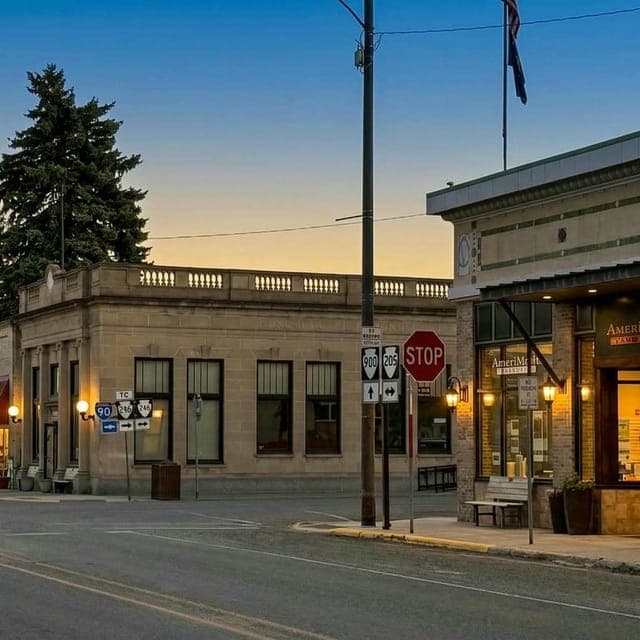
Photo: Wikipedia
Political ClimatePolitical Climate in Montana
Political Environment in the State
Montana is a solidly Republican state with a Cook PVI of R+10, but don’t let that single number fool you into thinking it’s a monolith. Over the past 20 years, the state has shifted from a reliably red, libertarian-leaning frontier to a more polarized battleground where a flood of new residents, particularly in the western third, is testing the old political order. The dominant coalition is still rural, ranching, and resource-extraction based, but the growing urban and exurban corridors around Bozeman, Missoula, and Kalispell are injecting a progressive, often coastal sensibility that has made every election cycle a tighter, more contentious fight than the last.
Urban vs. rural divide
The political map of Montana is a study in stark contrasts. The state’s population centers—Missoula, Bozeman, Helena, and to a lesser extent Billings—are the blue islands in a deep red sea. Missoula County, home to the University of Montana, has voted Democratic in every presidential election since 1992, often by double digits. Bozeman’s Gallatin County, once reliably red, flipped to Biden in 2020 by a razor-thin margin and has only trended leftward since, driven by an influx of tech workers, outdoor enthusiasts, and remote professionals who bring California and Colorado voting habits with them. Meanwhile, the vast eastern plains—counties like McCone, Garfield, and Petroleum—routinely deliver 80-90% of their votes to Republicans. The real flashpoint is the suburban and exurban ring around these growing cities. Places like Belgrade (just outside Bozeman) and Evergreen (near Kalispell) are where the old guard and the newcomers clash, often deciding state legislative races and ballot initiatives. The 2022 governor’s race saw Greg Gianforte win by 13 points statewide, but Gallatin and Missoula counties went heavily for his opponent, illustrating the growing urban-rural chasm.
Policy environment
Montana’s policy environment is a mixed bag that leans conservative but retains a strong populist, anti-establishment streak. The state has no sales tax, which is a huge draw for conservatives, but property taxes are relatively high and have been a persistent source of frustration. The regulatory posture is generally light, especially for agriculture and energy, but the Gianforte administration has pushed for more permitting reform to speed up housing and development. On education, Montana has a robust school choice movement—the state passed a tax credit scholarship program in 2023 and expanded charter school options, though rural districts often lack the population to support alternatives. Healthcare policy is a flashpoint: the state expanded Medicaid under the Affordable Care Act in 2015, and while Republican governors have tried to add work requirements, the program remains popular. Election laws have tightened in recent years—voter ID requirements were strengthened in 2021, and the state purged inactive voters from rolls, moves that conservatives applaud as integrity measures but progressives decry as suppression. Montana also has a citizen initiative process that has produced surprises, like the 2020 vote to legalize recreational marijuana, which passed with 57% support despite opposition from many Republican leaders.
Trajectory & freedom
On the freedom front, Montana is a tale of two trajectories. On one hand, the state has been a national leader in protecting gun rights—constitutional carry has been law since 2021, and there are no state-level magazine capacity limits or universal background checks. The 2023 session saw passage of a law prohibiting enforcement of federal gun regulations that don’t exist in state statute, a direct challenge to federal overreach. Parental rights have also been strengthened: the 2021 “Parental Rights in Education” law requires schools to notify parents of any curriculum involving sexuality, and a 2023 law banned transgender athletes from female sports. Medical autonomy took a hit, however, when the legislature passed a near-total abortion ban in 2023, which was quickly blocked by the courts and remains tied up in litigation. Property rights are generally strong, but the influx of out-of-state buyers has driven up land prices, leading to local ballot measures in places like Gallatin County that impose short-term rental restrictions—a move some see as an infringement on private property use. The state’s libertarian streak is alive, but it’s increasingly at odds with the new, more collectivist-minded residents who want to manage growth and preserve “quality of life” through regulation.
Civil unrest & political movements
Montana has seen its share of political friction, but it’s rarely the kind of street-level unrest you’d see in Portland or Seattle. The most visible flashpoints have been around the state capitol in Helena. In 2021, a group of armed protesters demonstrated against COVID-19 mandates, drawing national attention and leading to a brief, tense standoff with law enforcement. That same year, the “People’s March” in Helena drew thousands of left-leaning activists protesting the abortion ban and voting restrictions. Immigration politics are less heated here than in border states, but the issue flares up occasionally—the state has no sanctuary policies, and local sheriffs in rural counties have publicly vowed to cooperate with ICE. Election integrity has been a recurring theme: the 2020 election saw Trump win Montana by 16 points, but a small but vocal group of activists pushed for audits and hand recounts in counties like Flathead and Ravalli, leading to a 2021 law that requires post-election audits of all races. Secession or nullification rhetoric is mostly confined to fringe groups, but the “Montana Freemen” legacy still echoes in some rural corners. A new resident would notice the political divide most acutely in the letters to the editor of local papers and in the heated debates at county commission meetings over zoning and growth.
Projection
Over the next 5-10 years, Montana is likely to become more politically competitive, but not necessarily more liberal. The in-migration wave is slowing but not stopping, and the newcomers are a mixed bag—many are conservative-leaning refugees from blue states who want lower taxes and fewer mandates, but they also bring higher expectations for government services and a desire to protect the very landscapes that drew them here. This creates a weird dynamic: the state could see more ballot initiatives that blend conservative fiscal policy with environmental protection, like the 2024 proposal to require a vote on any new large-scale mining operation. The Republican Party will likely fracture further between the Gianforte establishment wing and the more populist, anti-vax, anti-lockdown faction that gained steam during COVID. The Democratic Party will remain strong only in the urban islands, but if Bozeman and Missoula continue to grow, they could flip a few more state legislative seats and make statewide races tighter. A new resident moving in now should expect a state that is still red, but where every election feels like a knife fight, and where the definition of “freedom” is being contested in real time.
Bottom line for a new resident: Montana offers a high degree of personal liberty, especially on guns, taxes, and parental rights, but the political climate is shifting faster than the landscape. If you’re moving here to escape government overreach, you’ll find plenty of allies, but you’ll also find a growing number of neighbors who want more rules on land use, more spending on schools, and a bigger role for the state in your healthcare decisions. The key is to pick your county wisely—rural eastern Montana is still the closest thing to the old frontier, while the western valleys are becoming a laboratory for the culture wars playing out nationwide. Come for the freedom, but be ready to fight to keep it.

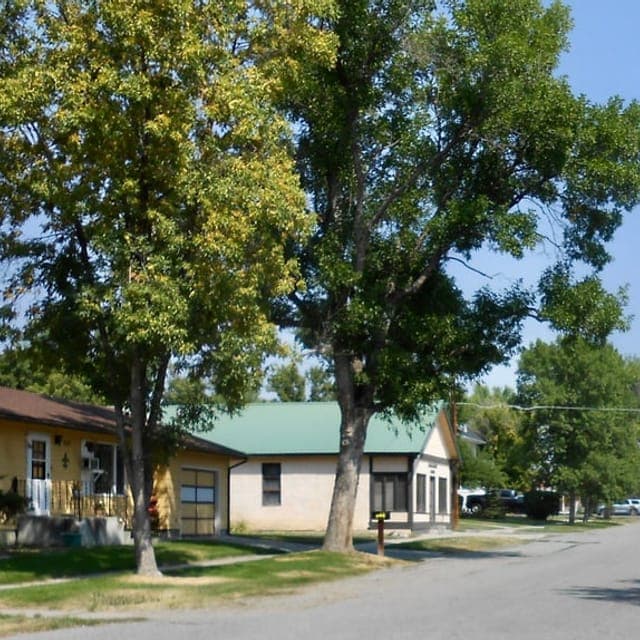
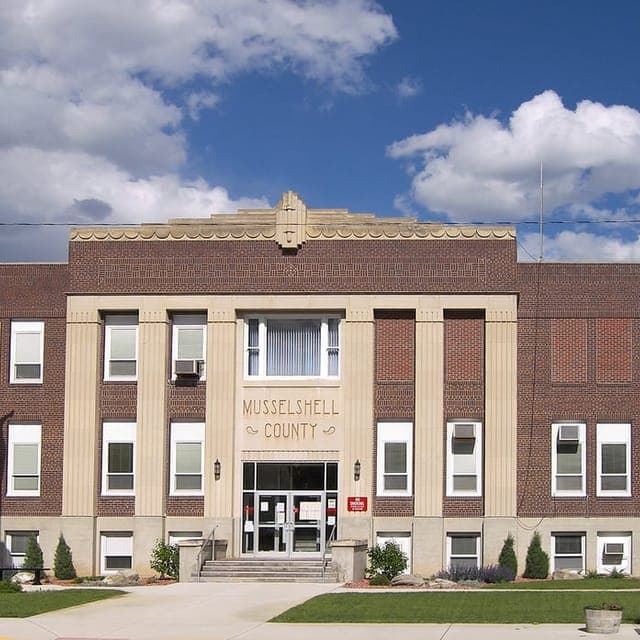
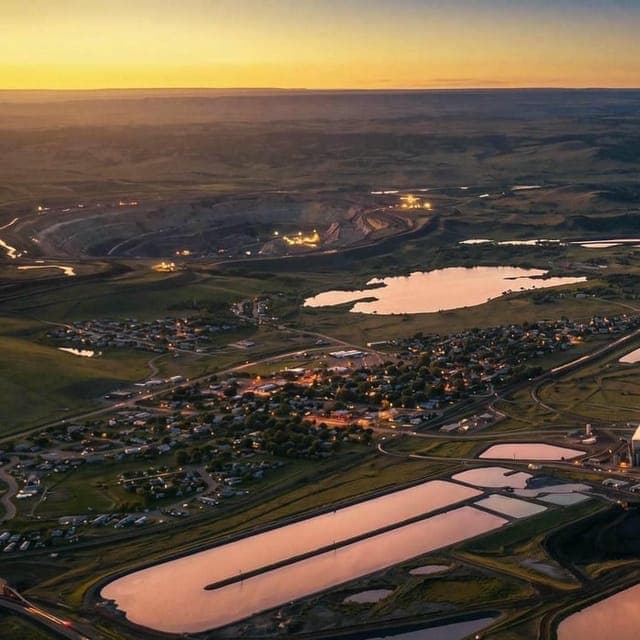
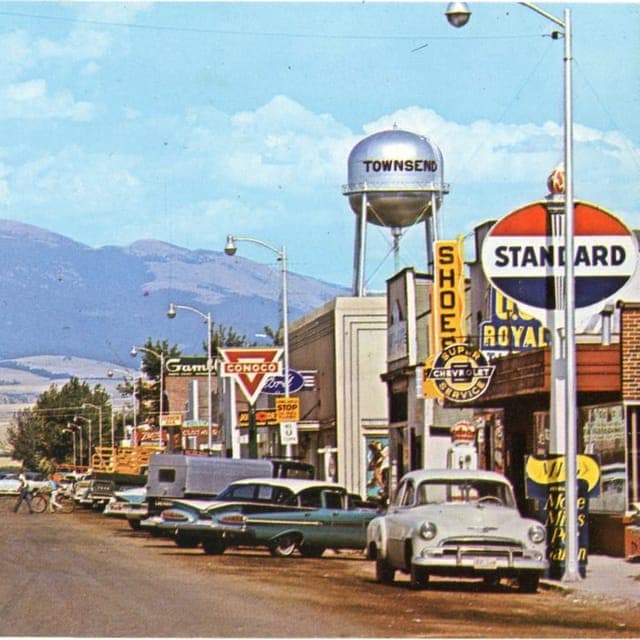
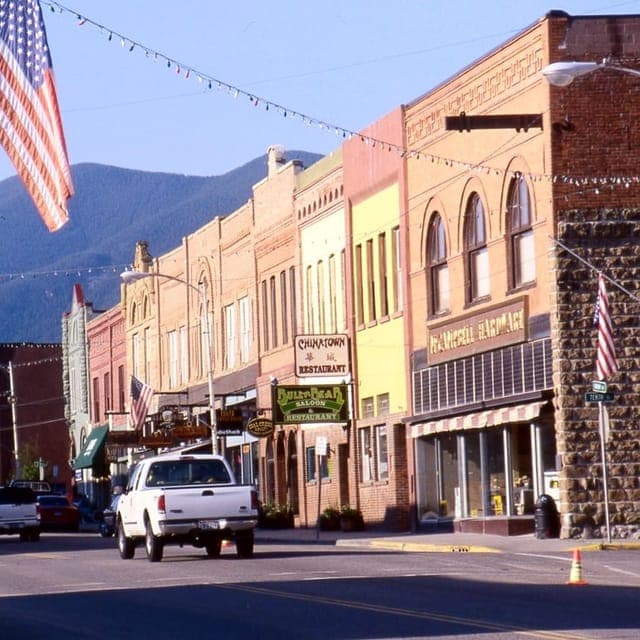
Most Conservative Cities in Montana
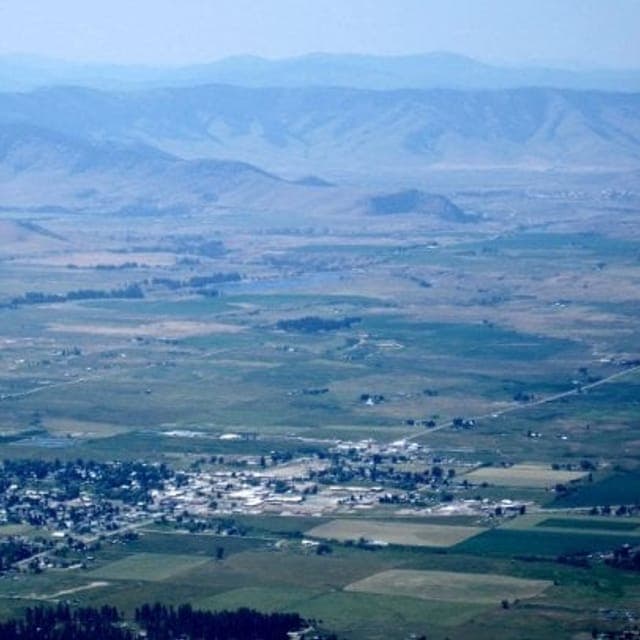
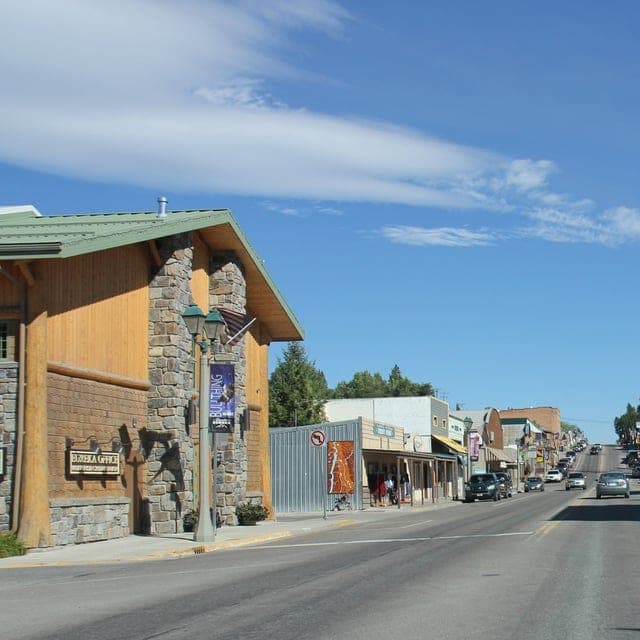
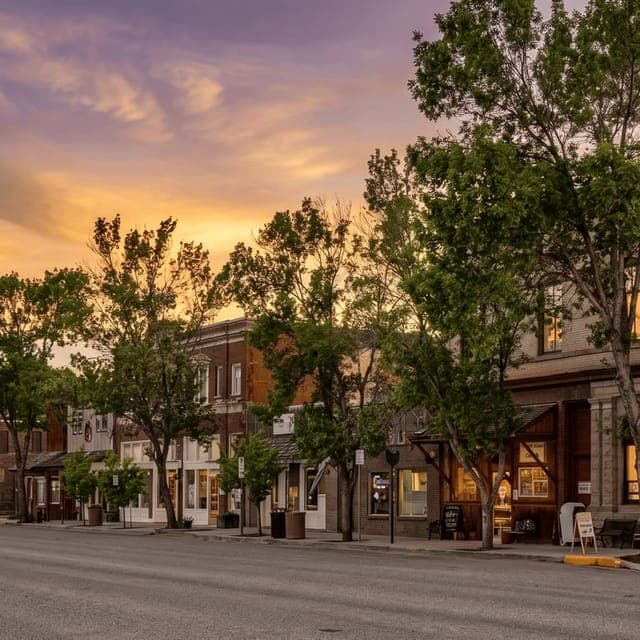
Most Liberal Cities in Montana
* Values derived from national, state, county, city and local statistics and may differ in a specific area. Last updated: 2026-04-18T23:38:15.000Z
Narrative content on this page is AI-generated and may contain mistakes. Verify any details that matter before acting on them.
ReloMaps may earn a commission from affiliate links at no extra cost to you.

