Photo: Wikipedia
Strategic Assessment of Montana
Deep buffer from population centers and strategic targets. Low natural disaster risk and minimal exposure to border or coastal threats.
What does the Strategic Assessment tell us?
Our Strategic Assessment grades tactical survivability of an area. Major population centers, military targets, fallout zones, natural disasters, and border exposure all drive risk — lower exposure means a more defensible position in a crisis.
This is heavily inspired by Joel Skousen's Strategic Relocation book. Highly recommended you checkout the book ($)What does this tell us?
Our Strategic Assessment grades tactical survivability of an area. Major population centers, military targets, fallout zones, natural disasters, and border exposure all drive risk — lower exposure means a more defensible position in a crisis.
This is heavily inspired by Joel Skousen's Strategic Relocation book. Highly recommended you checkout the book ($)Regional Safe Places
Below is our recommended "safe zones" in Montana and the surrounding area based on our strategic heuristics. For most people, it's unrealistic to live in a “safe zone” full-time due to work, family or other personal reasons. They tend to be more rural. However, many of these areas are perfect for second homes and retreat properties that double as a vacation home or even a short-term rental.
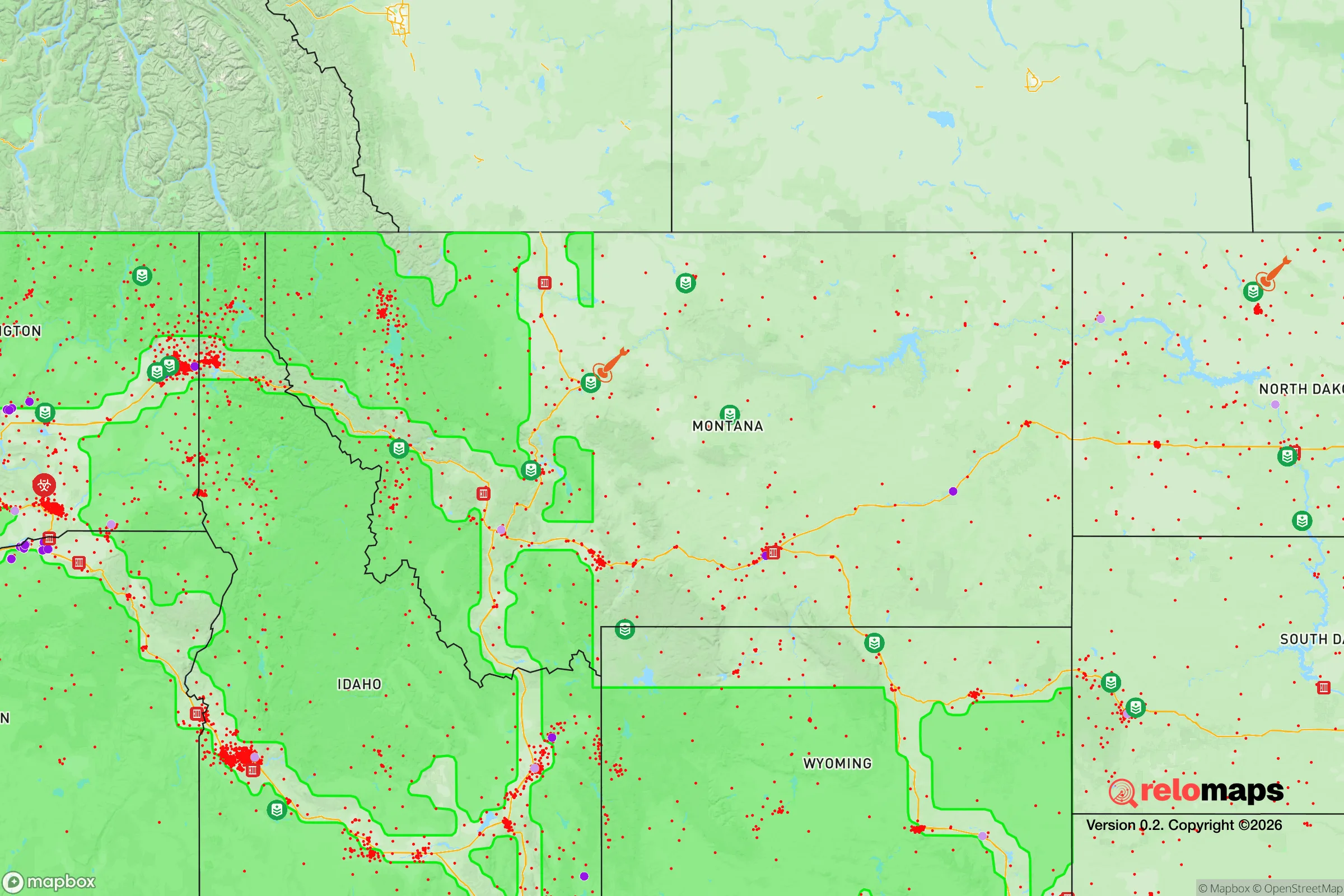


Important Note: For informational purposes only. This does not mean nothing bad ever happens in the green zones. Please use common sense. This is based on public data and modeled with AI. We tried to take a conservative approach but mistakes happen. We update this regularly as new information becomes available.
Solar Generator Recommendations
Backup power matters more here than in safer locations. We've picked three solar generators across budgets and capacity tiers — start with the budget unit if you only need a few essentials, or step up if you want to run a fridge and HVAC for days at a time.

Jackery Portable Power Station Explorer 300
Budget OptionPower on the Go: Weighing only 11 lbs, it's convenient to set up and store with book-sized foldable solar panels

BLUETTI Portable Power Station AC180
Designed for both indoor and outdoor scenarios, AC180 is highly capable as it has a robost capacity and continuous output power.

EF ECOFLOW DELTA Pro Ultra Power Station
Upgraded PickEcoFlow DELTA Pro Ultra is a whole-home energy system designed to grow with your family. Integrated with the Smart Home Panel 2, it scales to meet your evolving energy needs — keeping your home powered, intelligent, and secure through every stage of life.
We earn a commission, at no additional cost to you.
Strategic Assessment Analysis
Montana offers a rare combination of geographic isolation, low population density, and natural resource abundance that makes it one of the most strategically resilient states in the lower 48 for those prioritizing long-term security and self-sufficiency. With a population density of just 7.4 people per square mile—compared to the national average of 94—the state provides ample buffer from the cascading effects of urban unrest, supply chain disruptions, or mass casualty events. Its location in the northern Rockies places it far from the major population corridors of the East and West Coasts, while still offering access to critical infrastructure like Interstate 90 and the Burlington Northern Santa Fe rail line, which runs through Billings and Missoula. For a relocator focused on preparedness, Montana is not a retreat—it is a forward operating base.
Geographic position and natural advantages for long-term security
Montana’s geography is its greatest asset. The state is bordered by Canada to the north, with the Rocky Mountains forming a natural defensive spine along its western half. The eastern two-thirds consist of the Great Plains, offering wide-open spaces that make surveillance and movement difficult for any adversarial force. Key cities like Billings (population ~110,000) and Missoula (~75,000) are small enough to avoid the chaos of a major metropolitan collapse but large enough to maintain regional hospitals, airports, and supply hubs. The Malmstrom Air Force Base near Great Falls—home to 150 Minuteman III intercontinental ballistic missiles—serves as a deterrent anchor, ensuring the area remains a priority for federal defense resources during any national emergency. The Flathead Valley near Kalispell offers a temperate microclimate with abundant rainfall, making it one of the few regions in the state where year-round agriculture is viable without heavy irrigation. For a prepper, this means food security is not just theoretical—it is practical.
Risks, exposures, and proximity to fallout-relevant landmarks
No strategic assessment is complete without acknowledging vulnerabilities. Montana’s primary risk comes from its role as a nuclear deterrent hub. The Malmstrom AFB missile fields stretch across north-central Montana, and while the base itself is hardened, any conflict involving strategic weapons would put the surrounding areas—including Great Falls and Lewistown—in a high-target zone. Additionally, the Yellowstone Caldera in neighboring Wyoming poses a low-probability but catastrophic volcanic risk; ashfall could blanket southern Montana, disrupting agriculture and air quality for months. On the industrial side, the Billings refinery corridor (home to the ExxonMobil and CHS refineries, processing ~60,000 barrels per day) is a critical fuel supply node that could become a target during civil unrest or cyberattacks. However, these risks are localized. The vast majority of Montana—especially the western valleys and eastern plains—lies far from any single point of failure. Compare this to living within 50 miles of a major port, refinery, or military base in the coastal states, where a single event can cripple an entire region. Montana’s risks are concentrated and manageable, not diffuse and overwhelming.
Practical resilience for a relocator: food, water, energy, and defensibility
For a family or individual serious about self-reliance, Montana delivers on the basics. Water is abundant: the state contains the headwaters of the Missouri, Yellowstone, and Kootenai river systems, with groundwater aquifers that are generally clean and accessible. Most rural properties can drill a well for under $10,000, and surface water rights are relatively straightforward to obtain for irrigation. Food production is viable in the western valleys and along the Yellowstone River valley near Billings, where the growing season runs 120–150 days—enough for potatoes, grains, and cold-hardy vegetables. The Bitterroot Valley south of Missoula is particularly fertile, with established networks of small farms and seed exchanges that a relocator can tap into. Energy is a mixed bag: Montana has abundant hydroelectric power from dams like Libby and Hungry Horse, but the grid is vulnerable to winter storms and cyberattacks. Solar is viable in the eastern plains (average 5.5 peak sun hours per day), and wood heating is standard in the western forests. Defensibility is where Montana truly shines. The mountainous terrain creates natural choke points—valleys, passes, and river corridors—that a prepared group can monitor and control. Rural properties with a good field of fire and a reliable water source are still affordable, with 20–40 acre parcels in the central part of the state often under $100,000. The culture of self-reliance is not a stereotype here; it is a survival trait. Neighbors expect you to be armed, stocked, and capable of handling your own medical emergencies.
The overall strategic picture for Montana is one of high reward with manageable risk. It is not a perfect sanctuary—the winters are harsh, the missile fields are a sobering reality, and the state’s distance from major medical centers means a serious injury could be a death sentence if you are not prepared. But for a relocator who values space, resources, and a community that does not panic, Montana offers the best balance of isolation and infrastructure in the contiguous United States. The key is to choose your location carefully: avoid the immediate shadow of Malmstrom, stay clear of the Yellowstone caldera ashfall zone, and secure a property with its own water and defensible terrain. Do that, and Montana becomes not just a place to live, but a place to outlast whatever comes next.

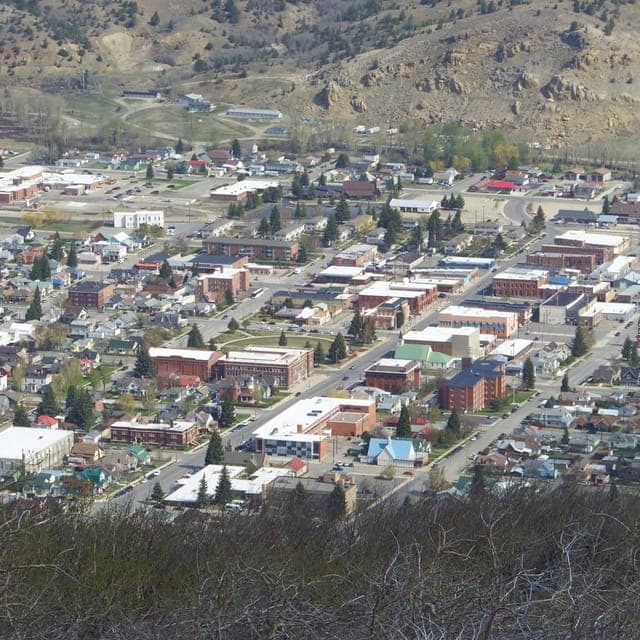
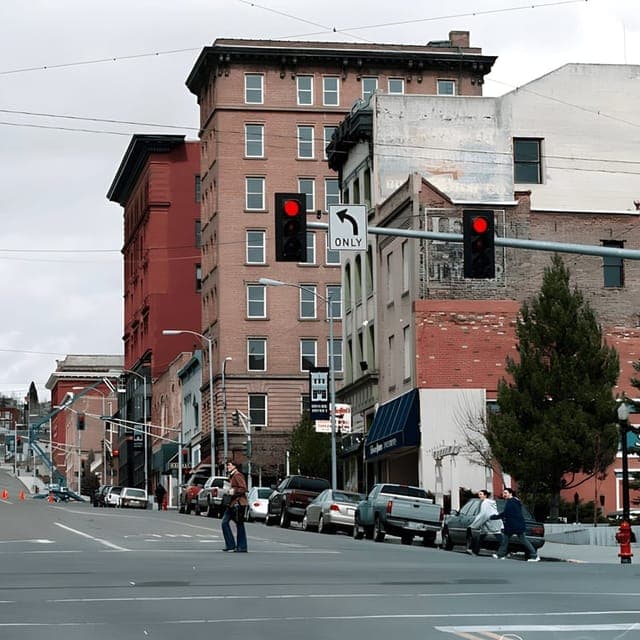
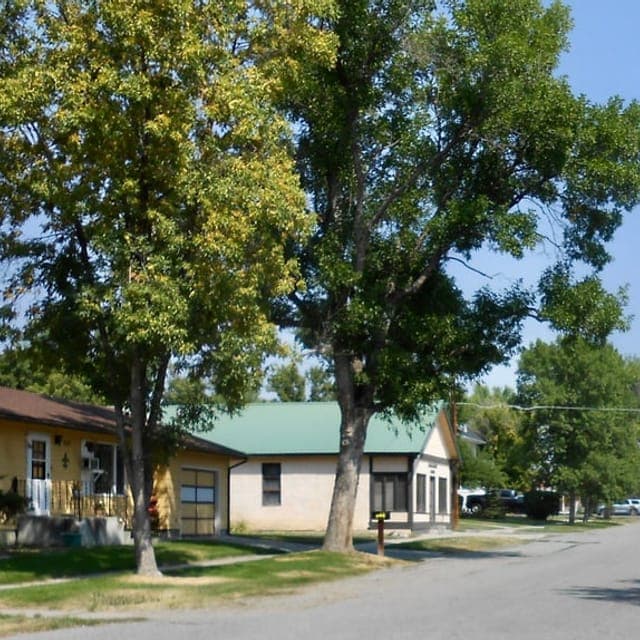
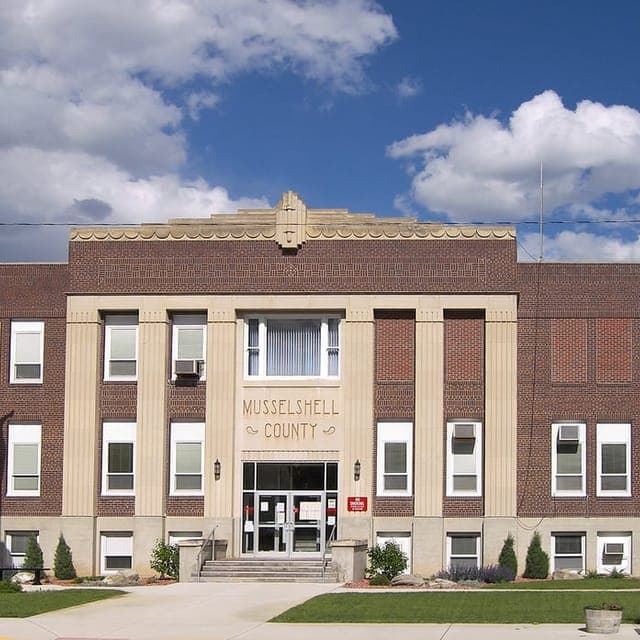
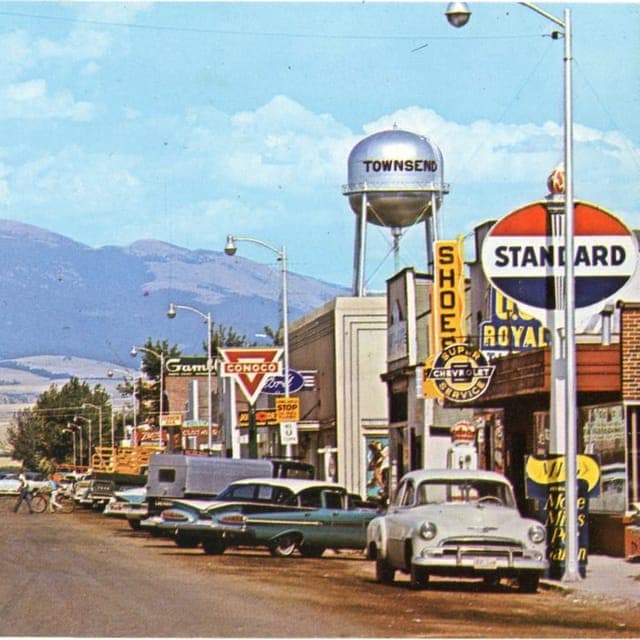
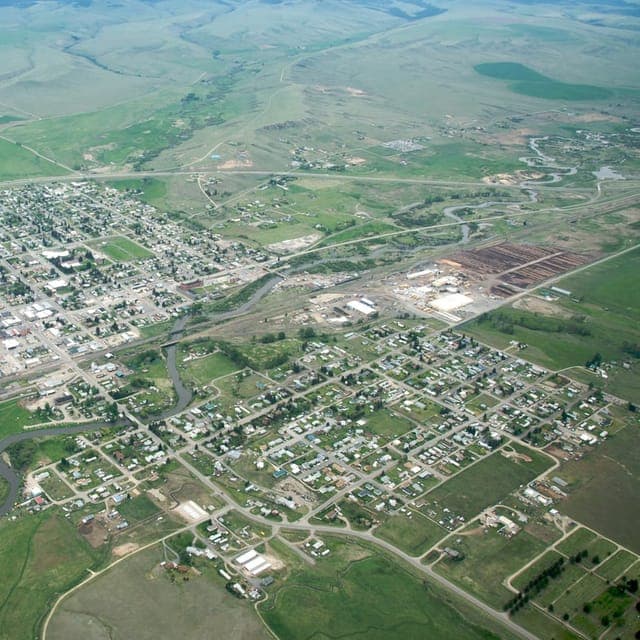
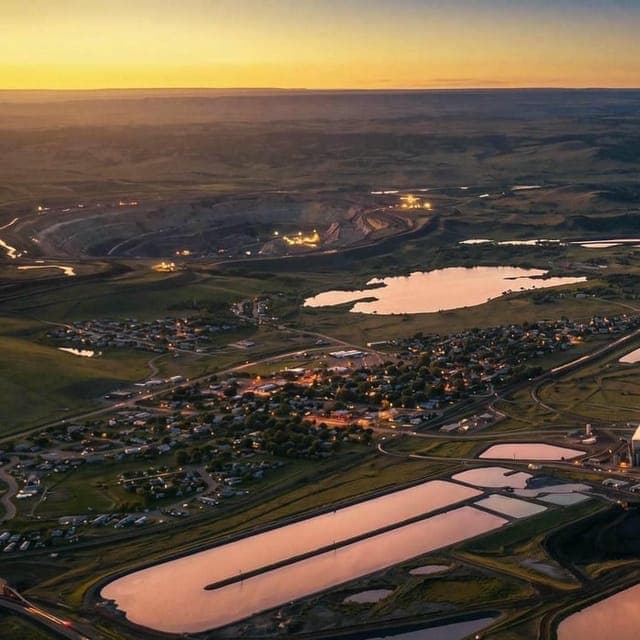
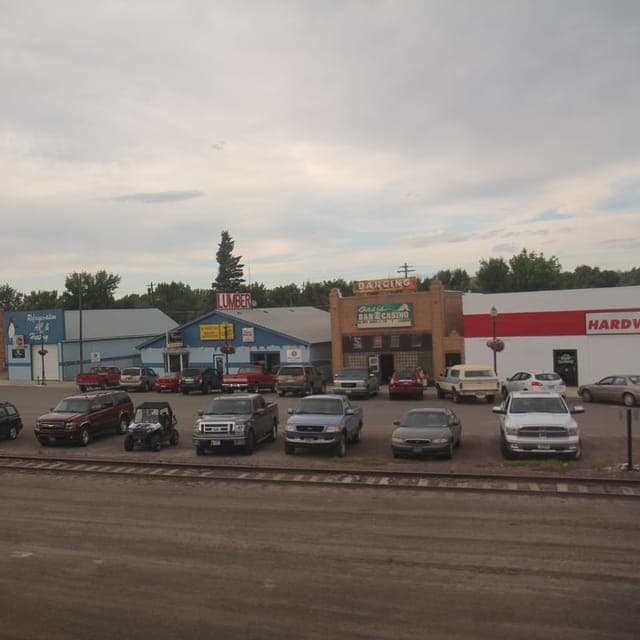
Top 10 Cities by Strategic Assessment in Montana
* Values derived from national, state, county, city and local statistics and may differ in a specific area. Last updated: 2026-04-18T23:38:15.000Z
Narrative content on this page is AI-generated and may contain mistakes. Verify any details that matter before acting on them.
ReloMaps may earn a commission from affiliate links at no extra cost to you.

