Photo: Wikipedia
Quality of Life in Lake County
A livable area that tracks near national norms for affordability, walkability, and neighborhood health.
What does Quality of Life tell us?
Quality of Life measures an area by evaluating factors like cost of living, nearby amenities, country club access, airport proximity, socioeconomic signals and neighborhood character. For large states, this is a general average — quality of life can vary dramatically between metro areas, suburbs, and rural communities within the same state.
What does this tell us?
Quality of Life measures an area by evaluating factors like cost of living, nearby amenities, country club access, airport proximity, socioeconomic signals and neighborhood character. For large states, this is a general average — quality of life can vary dramatically between metro areas, suburbs, and rural communities within the same state.
Cost of Living
2% below national average
59%
The Real Cost of Living in Lake County for 2026
| Tier | Individual | Family (4) |
|---|---|---|
| Survival | $14k | $27k |
| Comfortable | $72k | $105k |
| Luxury | $112k+ | $174k+ |
| Elite (Top 5%) | $141k+ | $219k+ |
Quality-of-Life Analysis
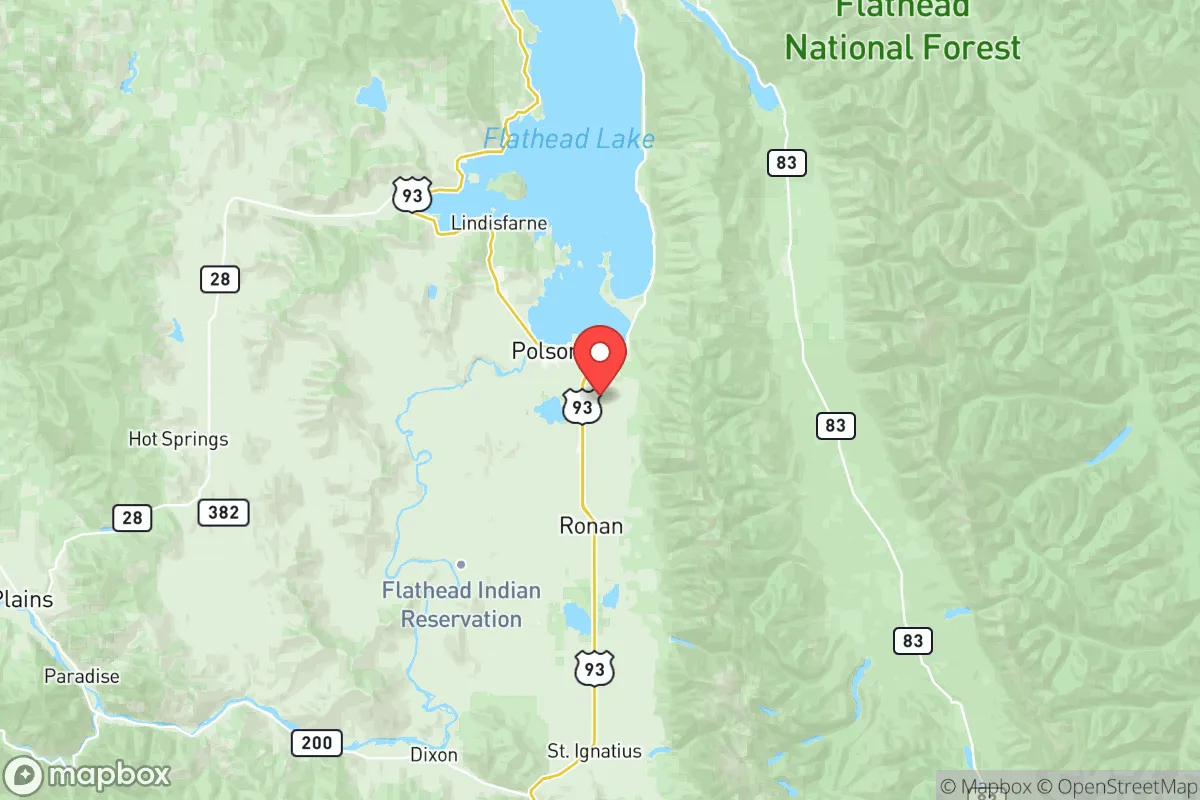
Lake County, Montana offers a quality-of-life spectrum that ranges from the resort-oriented hub of Polson to the deeply rural, agricultural communities of Charlo and Ronan, attracting everyone from second-home buyers and remote workers to ranchers and tribal members of the Confederated Salish and Kootenai Tribes. The county’s character is defined by its position along the southern and eastern shores of Flathead Lake, with the Mission Mountains forming a dramatic western backdrop. People drawn to the county typically seek either the recreational amenities and services of a small lakeside town or the quiet, land-based lifestyle of the Mission Valley’s farm and ranch country.
Largest town(s) & population centers
Polson, the county seat and largest town with roughly 4,700 residents, serves as the commercial and recreational heart of Lake County. Daily life here revolves around Flathead Lake access, with the Polson Bay Marina, Sacajawea Park, and a downtown strip of shops and restaurants along Main Street. The town hosts the annual Polson Flathead Lake Cherry Festival and provides essential services including a hospital (St. Joseph’s), a Walmart Supercenter, and Polson High School. Ronan, the second-largest town with about 1,900 residents, has a more working-class, agricultural feel, anchored by the Ronan Cooperative Brewery and the Mission Mountain Market. It is also the home of Salish Kootenai College, a tribal college that draws students and faculty from across the region. Both towns serve as service centers for the surrounding rural areas, but Polson leans more toward tourism and lakefront living, while Ronan is more rooted in farming and tribal governance.
Smaller towns & rural pockets
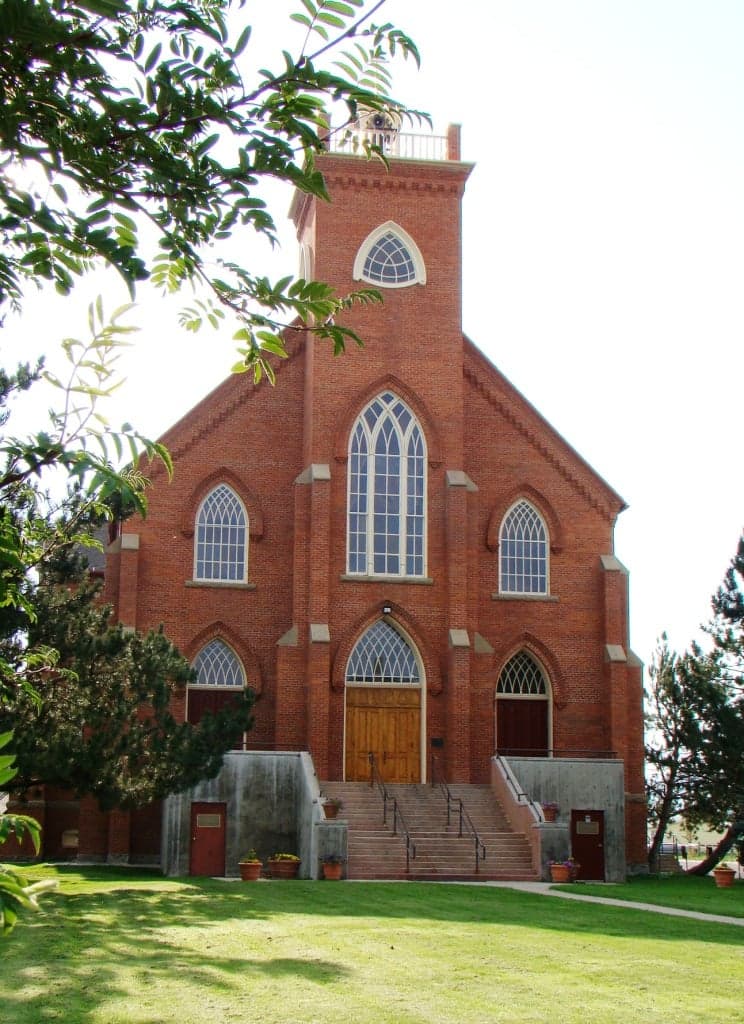
Beyond the population centers, Lake County contains several distinct smaller communities. St. Ignatius, with roughly 800 residents, sits at the foot of the Mission Mountains and is known for the historic St. Ignatius Mission church with its hand-painted murals. The town is a gateway to the Mission Mountains Tribal Wilderness and the National Bison Range. Charlo, a unincorporated community of about 400 people, is a classic Mission Valley farm town surrounded by wheat fields and cattle ranches, with a small grocery store and a post office as its main anchors. Pablo, home to the tribal headquarters of the Confederated Salish and Kootenai Tribes, is a small but important administrative center. Further south, Ravalli (population around 80) is a quiet crossroads community with a few homes and a general store, representing the most sparsely populated end of the spectrum. These smaller towns offer a slower pace, lower housing costs than the lakefront, and a strong sense of community often centered on local schools and churches.
Cost & lifestyle range
The cost of living in Lake County varies significantly by location. The county-wide cost-of-living index of 98 (2% below the U.S. average) masks a wide spread. At the high end, lakefront properties in Polson and along the east shore of Flathead Lake command premium prices, with the median home value of $369,200 reflecting the influence of these desirable waterfront homes. Renters fare better, with a median rent of $884, which is notably affordable compared to the rest of the Flathead region. At the low end, rural communities like Charlo, Ravalli, and the outlying areas of Ronan offer significantly cheaper land and older homes, often in the $200,000–$300,000 range. The average commute of 21.8 minutes is reasonable, though residents in the southern part of the county (Ravalli, St. Ignatius) may drive 30–40 minutes to Polson or Missoula for work or shopping. Amenities follow the same gradient: Polson has a hospital, grocery stores, and restaurants; Ronan has a clinic and basic shopping; Charlo and Ravalli have little more than a gas station and a post office, requiring a drive for most services.
Who thrives in Lake County? People who value outdoor recreation—boating, fishing, hunting, and hiking in the Missions—and who are comfortable with a rural or small-town pace. The county works well for remote workers who can afford a lakefront home in Polson, for tribal members and employees of the tribal government, and for ranchers and farmers who need affordable land in the Mission Valley. It is less suited for those seeking urban amenities, diverse employment options, or a fast-paced social scene. The trade-off is clear: lower costs and stunning natural beauty in exchange for fewer services and longer drives for specialized needs.

Crime in Lake County
Generally safer than 57% of comparable U.S. locations.
Violent CrimeViolent Crime Analysis
Property CrimeProperty Crime Analysis
Crime Analysis
Lake County, Montana, presents a mixed safety profile, with violent crime rates significantly exceeding both state and national averages, while property crime rates are more closely aligned with national figures. The county's overall violent crime rate of 420.8 per 100,000 residents is roughly 20% higher than the U.S. average and more than double Montana's statewide rate, placing it among the more dangerous counties in the state for personal safety. Property crime, at 1,466.7 per 100,000, is slightly below the national average but still a concern for residents, particularly in the county's more populated areas.
Crime in context
Lake County's violent crime rate of 420.8 per 100,000 stands in stark contrast to Montana's statewide rate of approximately 340 per 100,000 and the national average of about 380 per 100,000. This elevated rate is driven largely by incidents in the county's largest municipality, Polson, which reports a violent crime rate of 490 per 100,000, and the town of Ronan, where rates are similarly high. Property crime in the county, at 1,466.7 per 100,000, is below the national average of roughly 1,950 per 100,000 but still higher than many rural Montana counties. The Flathead Indian Reservation, which covers much of Lake County, sees a disproportionate share of both violent and property crime, with law enforcement jurisdiction split between tribal police, the Lake County Sheriff's Office, and the Montana Highway Patrol, creating coordination challenges that can affect response times and prosecution rates.
What residents experience
Residents in Lake County's smaller communities, such as St. Ignatius and Charlo, generally report lower crime rates than those in Polson and Ronan, but the county's overall safety is undermined by a justice system that has been influenced by progressive policies. The Montana 20th Judicial District, which covers Lake County, has seen a trend toward lenient sentencing and diversion programs for violent offenders, a pattern that critics argue emboldens repeat offenders and undermines public safety. This is particularly concerning given that Lake County's violent crime rate is already elevated, and the county's District Attorney's office has been criticized for prioritizing rehabilitation over incarceration in cases involving assault and robbery. For residents, this means that even in safer neighborhoods, the risk of encountering a repeat offender is higher than in counties with more traditional sentencing approaches. Property crime, while less violent, is a persistent nuisance, with vehicle break-ins and theft from outbuildings common in both Polson and the more rural areas around Dayton and Big Arm.
Neighborhood-level variation
Safety in Lake County varies significantly by location. The most dangerous areas are concentrated in Polson's downtown core and the Ronan commercial district, where both violent and property crime rates are highest. In contrast, the lakeside communities of Dayton and Big Arm report much lower crime rates, with violent crime nearly absent and property crime limited to seasonal thefts from vacation homes. The Pablo area, home to the Salish Kootenai College, sees a moderate crime rate, but the presence of the college and tribal police presence helps keep incidents relatively low. For those considering a move to Lake County, choosing a home in the smaller, more rural communities or on the lake's west shore can significantly reduce exposure to crime, while avoiding the higher-crime areas of Polson and Ronan is strongly advised. The county's progressive judicial trends, however, mean that even in safer areas, residents should remain vigilant about property security and be aware that the justice system may not provide the deterrent effect seen in more conservative jurisdictions.
* Values derived from national, state, county, city and local statistics and may differ in a specific area. Last updated: 2026-07-25T20:18:41.000Z
Narrative content on this page is AI-generated and may contain mistakes. Verify any details that matter before acting on them.
ReloMaps may earn a commission from affiliate links at no extra cost to you.

