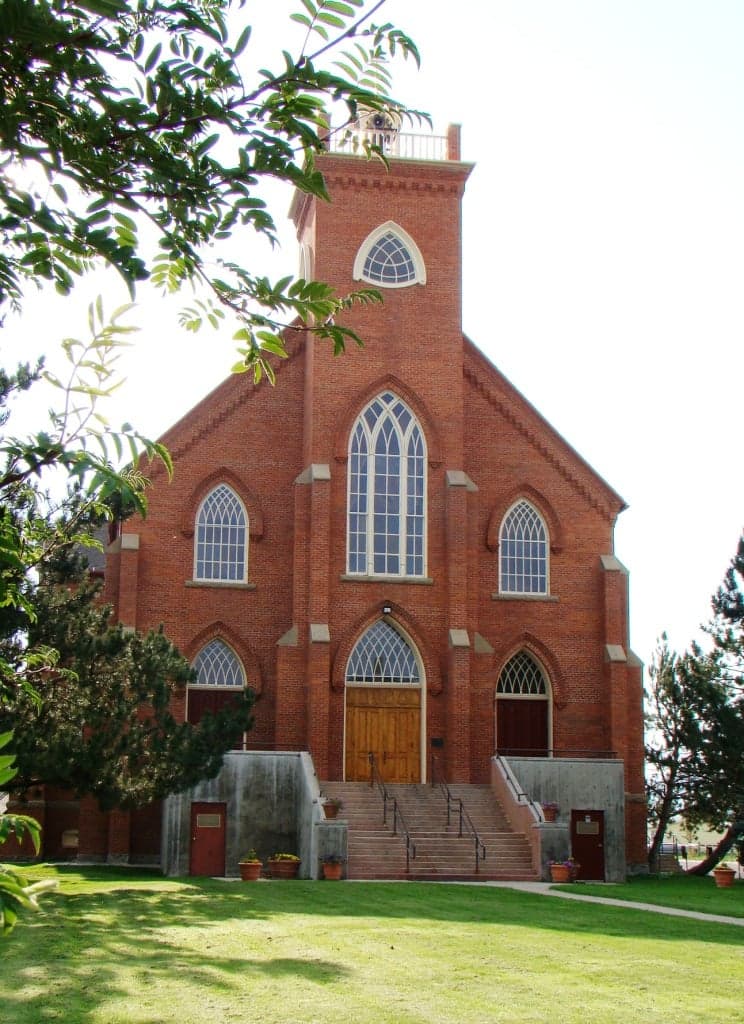
Photo: Wikipedia
Personal Sovereignty in Lake County
Strong independent fundamentals that actively favor personal liberty and low regulation.
What does Personal Sovereignty tell us?
Personal Sovereignty measures your capacity for self-reliance and independence with minimal government friction. Higher scores mean fewer barriers between you and the way you want to live... but it assumes you have the space you need and good neighbors.
What does this tell us?
Personal Sovereignty measures your capacity for self-reliance and independence with minimal government friction. Higher scores mean fewer barriers between you and the way you want to live... but it assumes you have the space you need and good neighbors.
State Policy
Energy independence: Net exporter (120% of energy produced in-state)
Personal Liberty
Homesteading

Personal Liberty Analysis
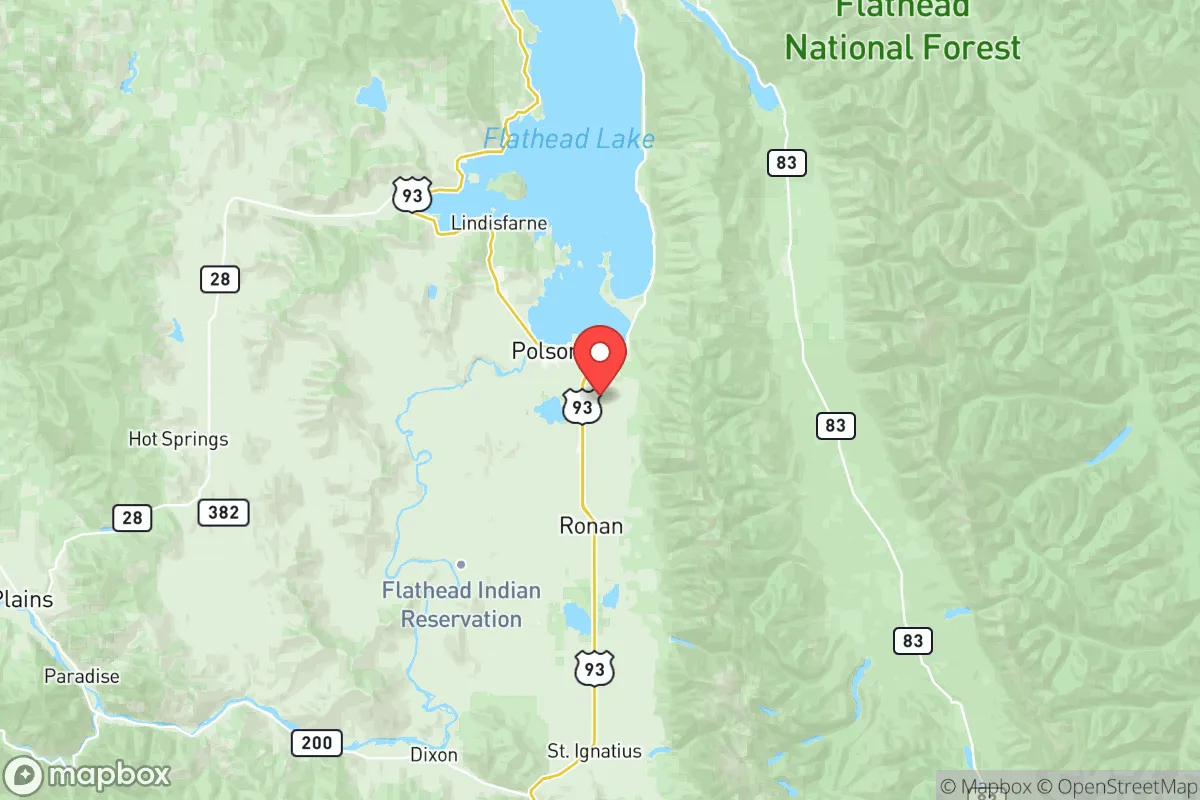
Lake County, Montana, offers a notably high degree of personal sovereignty compared to many western states, with a regulatory environment that generally favors individual autonomy, particularly in the realms of self-defense, property use, and tax burden. The county’s political culture leans conservative, and its rural character—from the shores of Flathead Lake to the Mission Mountains—reinforces a live-and-let-live ethos. However, the degree of personal freedom varies significantly between the county’s small towns, such as the more tourism-oriented Polson and the quieter, more agrarian communities like Ronan and St. Ignatius, where local ordinances and enforcement priorities differ.
Tax burden and regulatory posture: How light is the government footprint?
Montana’s state-level tax structure is among the most favorable in the nation for those seeking low government overhead. There is no state sales tax, which directly reduces the cost of everyday purchases and major acquisitions like vehicles and building materials. Property taxes in Lake County are moderate, with the county’s mill levy typically falling below the state average for rural areas—roughly 0.7% to 0.9% of assessed home value annually, depending on the specific school district and municipality. For example, a $300,000 home in Polson might see an annual tax bill around $2,100 to $2,700, while a similar property in the unincorporated areas near Charlo could be slightly lower due to fewer municipal services. The state’s income tax is a flat 5.9%, which is competitive but not the lowest in the region. Regulatory posture is generally light-touch: there are no county-wide building codes in unincorporated areas (though Polson and Ronan have their own), and business licensing requirements are minimal. The Montana Department of Environmental Quality has jurisdiction over larger projects, but for most small-scale homesteading or home-based businesses, the county’s planning department is the primary gatekeeper, and its approach is typically permissive rather than prescriptive. This contrasts sharply with states like Colorado or Washington, where county-level environmental and land-use regulations can be far more restrictive.
Self-defense and gun law specifics: What are the legal protections for armed citizens?
Montana is a constitutional carry state, meaning no permit is required to carry a concealed firearm for anyone legally allowed to possess one. Lake County fully adheres to this state preemption, and local law enforcement in Polson, Ronan, and St. Ignatius generally respect the law without imposing additional local restrictions. The county has a strong gun culture, with multiple shooting ranges and gun shops in the area, including the Polson Gun Club and retailers in Ronan. Stand-your-ground laws apply statewide, with no duty to retreat in any place where a person has a legal right to be. Castle doctrine protections extend to vehicles and occupied structures. For those who want a permit for reciprocity with other states, Lake County’s sheriff’s office issues concealed carry permits efficiently, typically within 30 days. There are no county-specific magazine capacity bans or ammunition restrictions, and the state’s preemption statute prevents cities like Polson from enacting their own gun control ordinances. This legal framework places Lake County among the most firearm-friendly jurisdictions in the country, comparable to rural areas in Idaho or Wyoming, but with the added benefit of Montana’s strong state-level preemption laws that prevent local patchworks of restrictions.
Self-reliance and homesteading viability: Lot sizes, zoning, and off-grid feasibility
Homesteading and off-grid living are highly viable in Lake County, particularly outside the incorporated towns. In unincorporated areas, there are no county-wide minimum lot size requirements for single-family dwellings, though subdivision regulations apply when splitting land. Typical rural parcels range from 5 to 40 acres, with many properties near Charlo and Pablo offering affordable land for self-sufficient setups. Zoning is minimal: the county’s zoning map designates most rural land as “Agricultural” or “Forestry,” which permits a wide range of uses including livestock, crop production, and home-based businesses without special permits. Off-grid living is legally feasible—Montana law does not require connection to municipal water or sewer systems, and private wells and septic systems are standard. Solar panels and wind turbines are common, and the county’s building department does not enforce energy codes on owner-built structures in unincorporated areas. However, Polson and Ronan have stricter building codes that require permits for electrical and plumbing work, and both towns mandate connection to municipal water and sewer where available. For those seeking maximum autonomy, the rural areas around St. Ignatius and the Mission Valley offer the most freedom, with few restrictions on alternative building methods like straw bale or earth-sheltered homes. The county’s agricultural extension office in Ronan provides resources for small-scale farming, and the local soil quality in the Flathead Valley is excellent for gardening and orchards.
Personal liberties: Parental rights, medical autonomy, speech, and property
Montana has strong protections for parental rights, including a state law that affirms parents’ “fundamental right” to direct their children’s education and healthcare. Lake County’s school districts—Polson, Ronan, and St. Ignatius—generally defer to parental authority, though the state’s curriculum standards apply. Homeschooling is straightforward: parents file a simple notification with the county superintendent and are not subject to state testing requirements. Medical autonomy is robust: Montana does not have a state vaccine mandate for adults, and the 2023 law prohibiting discrimination based on vaccination status protects individuals from being denied services or employment for refusing vaccines. Montana is one of the few states with a constitutional right to privacy (Article II, Section 10), which has been interpreted by courts to protect medical decision-making, including the right to refuse treatment. Speech and assembly rights are fully protected, with no county-level restrictions on political expression. Property rights are strong: Montana’s “right to farm” law protects agricultural operations from nuisance lawsuits, and the state’s eminent domain laws are among the most restrictive in the nation, requiring a public purpose and just compensation. Lake County’s planning department rarely exercises eminent domain, and property owners in areas like the Jocko Valley and the foothills of the Missions enjoy near-total control over their land use, subject only to basic health and safety regulations.
Overall, Lake County offers a level of personal sovereignty that is rare in the modern United States, comparable to rural counties in Idaho, Wyoming, and eastern Washington, but with the added advantage of Montana’s strong state-level protections for gun rights, medical autonomy, and property use. The county’s regulatory environment is light-touch in unincorporated areas, while towns like Polson and Ronan impose slightly more structure for public safety and infrastructure. For individuals and families prioritizing self-reliance, the areas around Charlo, St. Ignatius, and the Mission Valley provide the highest degree of freedom, with minimal government interference in daily life. This combination of low taxes, constitutional carry, off-grid feasibility, and strong personal liberties makes Lake County a compelling destination for those seeking to maximize their autonomy within a supportive legal framework.

* Values derived from national, state, county, city and local statistics and may differ in a specific area. Last updated: 2026-07-25T20:18:41.000Z
Narrative content on this page is AI-generated and may contain mistakes. Verify any details that matter before acting on them.
ReloMaps may earn a commission from affiliate links at no extra cost to you.

