Photo: Wikipedia
Find The Best Places To Live in Big Horn County
PRO TIP! You can paste a Zillow or Redfin link to get info on that property.
Best Places to Live in Big Horn County
Cities & Towns in Big Horn County
Cities in Big Horn County
What It's Like Living in Big Horn County, MT
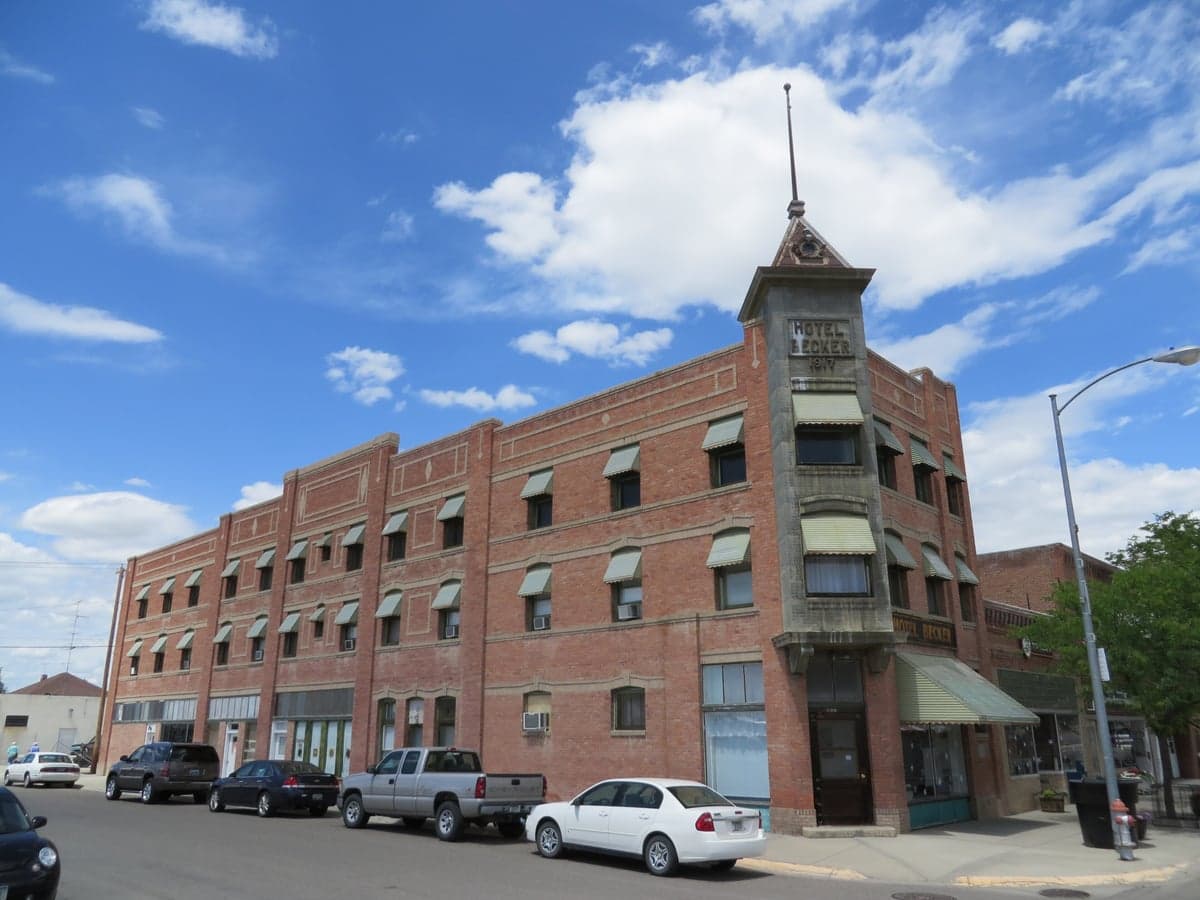
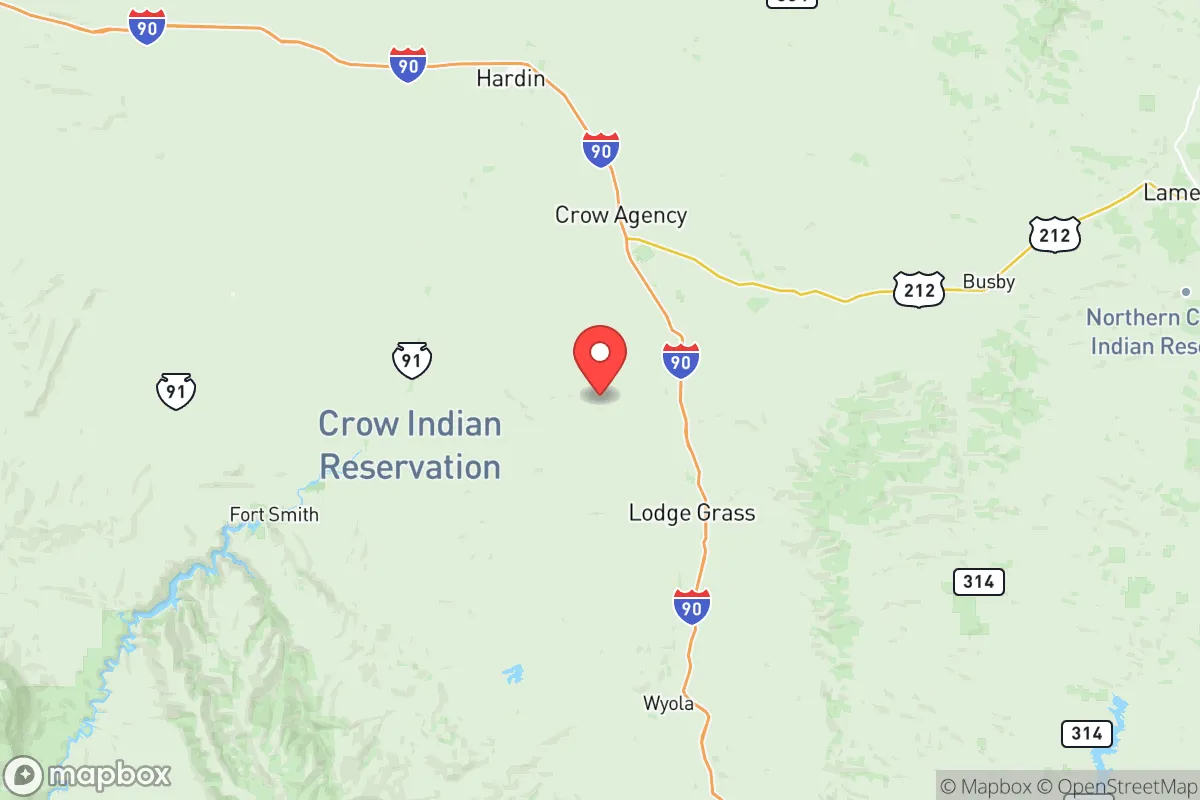
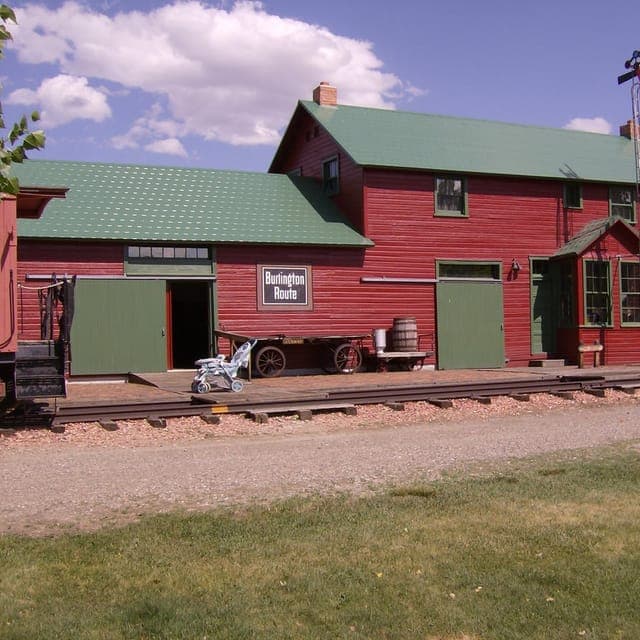
Big Horn County, Montana, is a place where the landscape dictates the pace of life, and the communities of Hardin, Crow Agency, and Lodge Grass feel more like extended families than towns. With a population just under 13,000 spread across a vast, high-plains territory, living here means embracing wide-open spaces, a deep connection to the Crow and Northern Cheyenne reservations, and a rhythm that’s a world away from the rush of Billings or Bozeman. It’s a county where your neighbors know your truck, the high school football game is the social event of the week, and the cost of living is genuinely low enough to make homeownership a realistic goal for most people.
The Daily Rhythm: Work, Commute, and the Realities of Rural Life
Daily life in Big Horn County is shaped by its geography and economy. The largest town, Hardin, serves as the county seat and the primary hub for shopping, with a Walmart, local grocery stores, and a handful of family-run diners like the Pioneer Cafe. For most residents, the average commute is a manageable 21 minutes, but that often means driving on two-lane highways between smaller communities like Lodge Grass or Wyola and the main job centers. The biggest employers are the Indian Health Service, the school districts, and the county government itself, with a significant number of residents working in agriculture, ranching, or commuting to the oil and gas fields further north. The median household income sits at $56,680, which goes a long way here given a cost of living index of 56—roughly half the national average. That $148,200 median home value isn’t a typo; it’s a reality that allows young families and single individuals to buy a house with a yard, something increasingly impossible in Montana’s booming western towns.
Sports, Community, and the Weekend Vibe
If you want to understand Big Horn County, go to a high school football game on a Friday night. In Hardin, the Bulldogs are a source of genuine pride, and the stands are packed with parents, grandparents, and former players. The same energy carries over to basketball season, where the rivalry between Hardin and Lodge Grass is intense and deeply felt. Beyond school sports, the weekend rhythm is about outdoor life. The Bighorn River is a world-class trout fishery, and locals spend summer weekends floating, fishing, or camping at Yellowtail Dam and the Bighorn Canyon National Recreation Area. The Crow Fair, held annually in Crow Agency, is the cultural highlight of the year—a massive gathering of the Crow Nation with parades, rodeos, and dance competitions that draws thousands and is a must-see for anyone living in the county. For a quieter evening, locals head to the Hardin Elks Lodge or the Little Big Horn Saloon for a beer and conversation.
What It’s Really Like: The Honest Pros and Cons
Living here isn’t for everyone, and it’s important to be clear about that. The most obvious draw is the affordability. A median home price under $150,000 means you can actually build equity, and the low cost of living frees up income for travel or hobbies. The outdoor access is phenomenal, with the Pryor Mountains and the Bighorn River right in your backyard. The community feel is genuine—people help each other, and it’s easy to get involved in local events or volunteer fire departments. On the downside, the violent crime rate of 419.9 per 100,000 is notably higher than the national average, a statistic that reflects the deep economic and social challenges present on the reservations. Residents will tell you that most crime is between people who know each other, but it’s a reality that requires situational awareness, especially in certain parts of Crow Agency and Hardin. The weather is another factor: winters are long, cold, and windy, with frequent snow closures on I-90, and summers can bring intense heat and drought. The lack of amenities is a common frustration—there’s no major shopping mall, no movie theater, and the nearest airport with regular flights is in Billings, an hour’s drive north. For entertainment, you make your own fun, and that’s a dealbreaker for some.
Who Fits In and Who Might Struggle
The kind of person who thrives in Big Horn County is self-reliant, comfortable with solitude, and genuinely interested in the area’s unique cultural fabric. It’s a great fit for outdoor enthusiasts who want to hunt, fish, and hike without crowds, and for families who want a slower pace and a yard for their kids. The median age of 32.3 is relatively young, driven by families and younger workers in the energy and tribal sectors. Only about 21% of adults hold a college degree, so this isn’t a place where you’ll find a bustling intellectual scene or a coffee shop on every corner. It’s a place for people who value practical skills and community loyalty over urban sophistication. If you’re moving from a city like Denver or Seattle, expect a serious adjustment in terms of dining options, dating pools, and cultural events. But if you’re looking for a place where you can actually afford to own a home, where the stars are bright at night, and where your word still means something, Big Horn County might be exactly what you’re looking for.

* Values derived from national, state, county, city and local statistics and may differ in a specific area. Last updated: 2026-07-12T06:05:20.000Z
Narrative content on this page is AI-generated and may contain mistakes. Verify any details that matter before acting on them.
ReloMaps may earn a commission from affiliate links at no extra cost to you.

