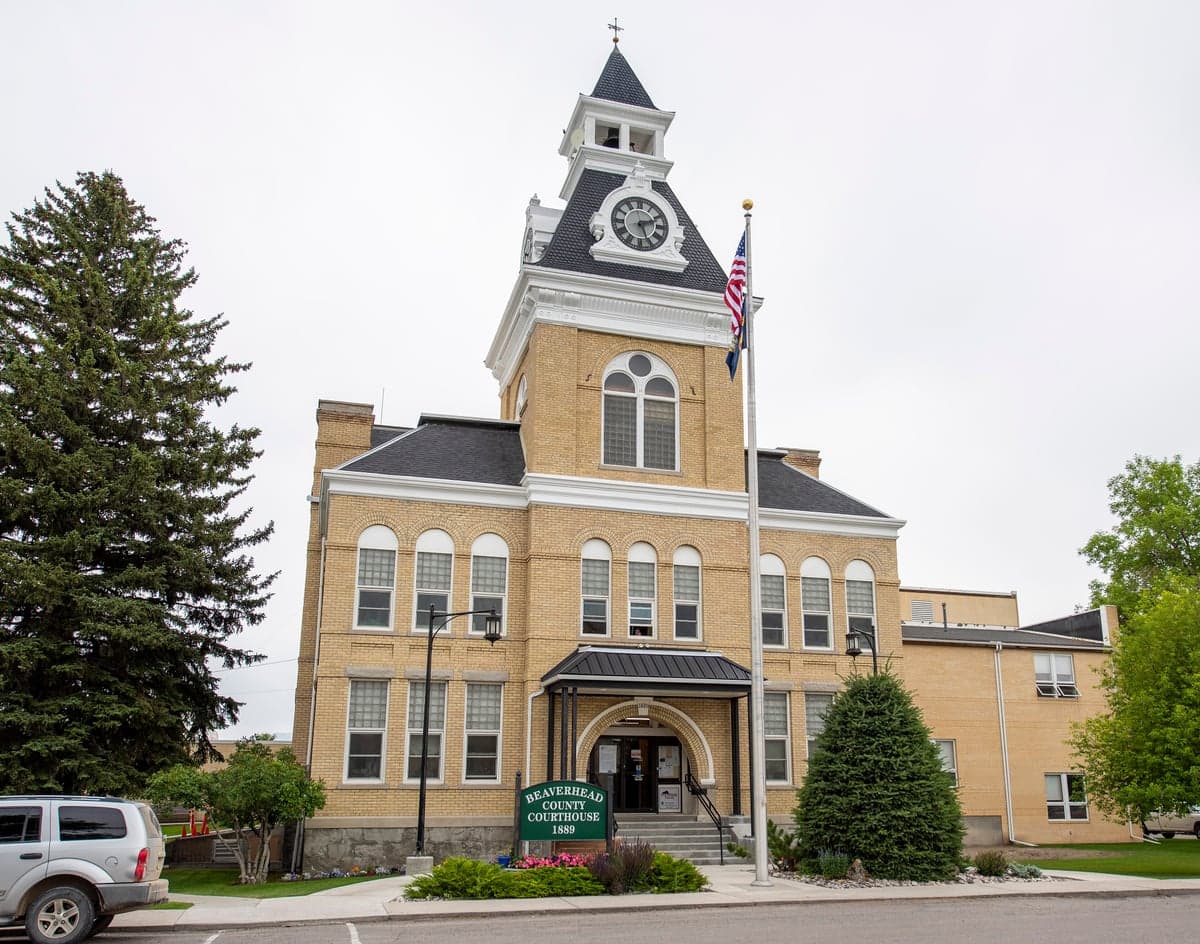
Photo: Wikipedia
Quality of Life in Beaverhead County
A livable area that tracks near national norms for affordability, walkability, and neighborhood health.
What does Quality of Life tell us?
Quality of Life measures an area by evaluating factors like cost of living, nearby amenities, country club access, airport proximity, socioeconomic signals and neighborhood character. For large states, this is a general average — quality of life can vary dramatically between metro areas, suburbs, and rural communities within the same state.
What does this tell us?
Quality of Life measures an area by evaluating factors like cost of living, nearby amenities, country club access, airport proximity, socioeconomic signals and neighborhood character. For large states, this is a general average — quality of life can vary dramatically between metro areas, suburbs, and rural communities within the same state.
Cost of Living
19% below national average
72%
The Real Cost of Living in Beaverhead County for 2026
| Tier | Individual | Family (4) |
|---|---|---|
| Survival | $13k | $24k |
| Comfortable | $55k | $81k |
| Luxury | $98k+ | $152k+ |
| Elite (Top 5%) | $116k+ | $179k+ |
Quality-of-Life Analysis
Beaverhead County, Montana, offers a spectrum of quality-of-life options that range from the modest commercial hub of Dillon to isolated, off-grid homesteads in the Pioneer Mountains. The county's character shifts dramatically depending on location, drawing outdoor enthusiasts, ranchers, and retirees who each seek a different balance of convenience and solitude. With a cost of living index of 81 (well below the U.S. average of 100), the county provides affordable entry points for those willing to trade urban amenities for wide-open spaces, though the trade-offs in services and employment are significant.
Largest town(s) & population centers
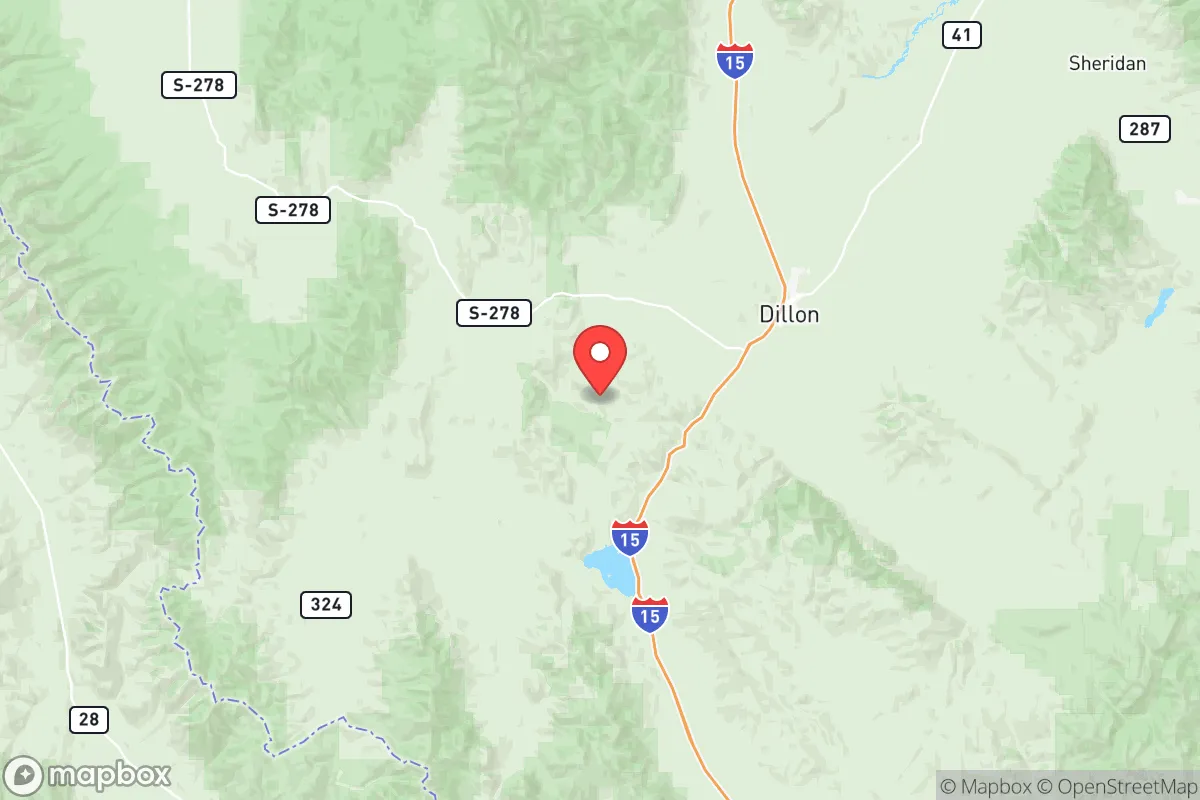
Dillon, the county seat and only incorporated city, anchors the county with a population of roughly 4,000. Daily life here centers around the University of Montana Western, which brings a youthful energy and a handful of cultural events. The downtown offers basic retail, a grocery store, a hospital (Barrett Hospital & HealthCare), and a few restaurants. Commute times average just 18.4 minutes, reflecting the town's compact layout. Lima, a smaller town of about 200 people near the Idaho border, serves as a secondary service point for travelers on I-15 but lacks Dillon's range of amenities. For most residents, Dillon is the default destination for shopping, healthcare, and schooling, while those in outlying areas drive 30–60 minutes for these services.
Smaller towns & rural pockets
Beyond Dillon, Beaverhead County is defined by its small, unincorporated communities and vast ranchlands. Wisdom, a hamlet of fewer than 100 people in the Big Hole Valley, is a hub for fly-fishing and cattle ranching, with a single general store and a post office. Jackson, even smaller, sits near the Continental Divide and attracts backcountry skiers and summer hikers. Polaris and Glen are essentially crossroads with a handful of homes, offering true isolation. The Big Hole Valley itself is a patchwork of working ranches, where residents often live 10–20 miles from the nearest paved road. These areas lack public water systems and high-speed internet, drawing self-sufficient individuals who value privacy over convenience.
Cost & lifestyle range
The cost of living varies sharply across the county. In Dillon, the median home value is $282,000, and median rent is $800, making homeownership attainable for many single-income households. Utilities and groceries are slightly above national averages due to transport costs. In contrast, a remote cabin near Polaris or a ranch in the Big Hole Valley might sell for under $200,000 but require significant investment in well water, septic systems, and propane heating. Property taxes are low—around 0.6% of assessed value—but residents in outlying areas pay more for fuel and vehicle maintenance due to long commutes. At the high end, a renovated historic home in Dillon's tree-lined neighborhoods can exceed $400,000, while a 40-acre parcel near Lima with no utilities might list for $150,000. The lifestyle range thus spans from small-town walkability in Dillon to off-grid homesteading in the valleys, with no middle-ground suburbs.
Beaverhead County suits those who prioritize outdoor recreation—hunting, fishing, hiking, and skiing—over urban amenities. Retirees on fixed incomes find the low cost of living appealing, especially in Dillon where healthcare is accessible. Remote workers with reliable satellite internet can thrive in the quieter pockets, while families often gravitate to Dillon for its school system. Those needing frequent flights or specialized medical care will find the 90-minute drive to Butte or 3-hour drive to Bozeman a limiting factor. Ultimately, the county rewards self-reliance and a tolerance for long distances, offering a genuine Montana experience at a fraction of the cost of Bozeman or Missoula.

Crime in Beaverhead County
Generally safer than 57% of comparable U.S. locations.
Violent CrimeViolent Crime Analysis
Property CrimeProperty Crime Analysis
Crime Analysis
Beaverhead County, Montana, presents a mixed safety profile, with crime rates that exceed both state and national averages, particularly for property crime. The county's vast, rural geography and small population of roughly 9,800 residents mean that crime statistics can be heavily influenced by incidents in its few concentrated communities, primarily the county seat of Dillon and the smaller towns of Lima, Wisdom, and Glen. While violent crime is a concern, property crime—including theft and burglary—is the more pressing issue for most residents, with rates significantly above typical benchmarks for rural Montana.
Crime in context: How Beaverhead County compares
According to the most recent data, Beaverhead County's violent crime rate stands at 406.2 incidents per 100,000 residents, a figure that is notably higher than the Montana state average of roughly 380 per 100,000 and well above the national average of approximately 380 per 100,000. The property crime rate is even more pronounced, at 1,441.6 per 100,000, which is substantially higher than both the Montana average (around 1,100 per 100,000) and the national average (approximately 1,950 per 100,000). These figures place Beaverhead County among the higher-crime areas in the state for its size, though it is important to note that the small population base means a single crime spree or a few high-profile incidents can dramatically skew the per-capita numbers. The county's justice system, operating out of the Fifth Judicial District in Dillon, is generally considered conservative, with a focus on traditional law enforcement approaches, which can be a positive factor for residents concerned about progressive leniency in sentencing.
What residents experience: Property crime and community safety
For the typical resident, property crime is the most tangible safety concern. Theft from vehicles, burglaries of seasonal homes, and agricultural equipment theft are recurring issues, particularly in more remote areas like the Big Hole Valley near Wisdom or along the Interstate 15 corridor. Dillon, as the largest town, sees a concentration of these incidents, especially around the Montana State University campus and commercial districts. Violent crime, while less common, is often linked to domestic disputes, alcohol-related altercations in bars, or isolated incidents in rural settings. The county sheriff's office and the Dillon Police Department work with limited resources, meaning response times can be long outside of town centers. Residents often rely on neighborhood watch-style communication and securing property as primary deterrents. The presence of the university adds a transient population that can sometimes contribute to petty theft and vandalism, though the campus itself is generally considered safe.
Neighborhood-level variation: Where safety differs
Safety varies noticeably across Beaverhead County's communities. Dillon, while the hub for services and employment, also has the highest concentration of reported crime, particularly in rental-heavy neighborhoods near the university and along the main commercial corridor (Atlantic Street). The smaller, more isolated towns of Lima and Glen tend to have lower overall crime rates, but when incidents occur, they are often more serious due to the lack of immediate law enforcement presence. The rural areas between Dillon and the Idaho border, including the communities of Grant and Bannack, are extremely low-crime for violent offenses but are vulnerable to property crimes targeting unoccupied structures. For those considering relocation, the safest choice is often a home in the outer residential areas of Dillon or in the smaller, tightly-knit communities like Wisdom, where social cohesion acts as a natural deterrent. However, the county's overall crime rates, especially for property, should be a factor in deciding whether to invest in robust home security and insurance.
* Values derived from national, state, county, city and local statistics and may differ in a specific area. Last updated: 2026-06-22T06:02:32.000Z
Narrative content on this page is AI-generated and may contain mistakes. Verify any details that matter before acting on them.
ReloMaps may earn a commission from affiliate links at no extra cost to you.

