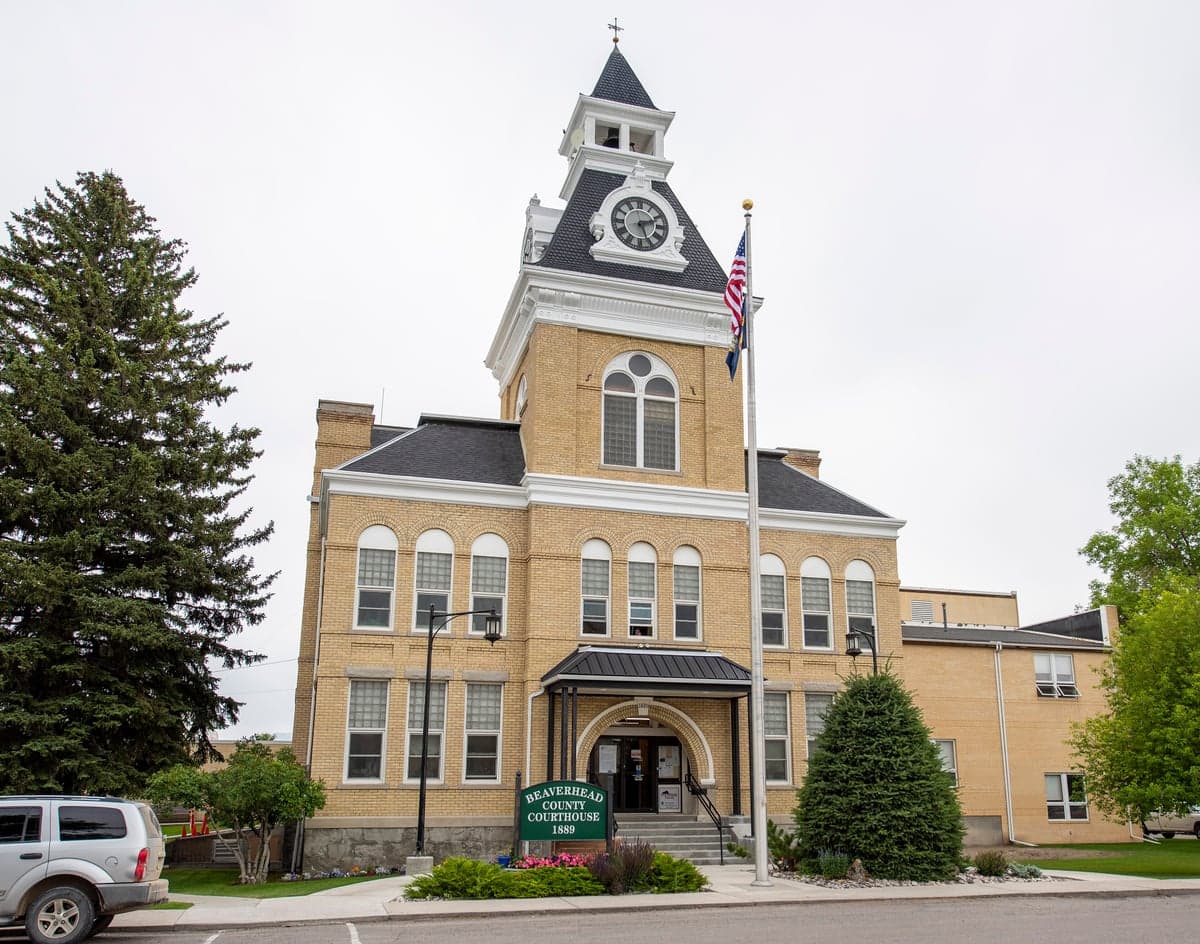
Photo: Wikipedia
Personal Sovereignty in Beaverhead County
Viable for self-reliance. Generally workable, though some barriers may limit total independence.
What does Personal Sovereignty tell us?
Personal Sovereignty measures your capacity for self-reliance and independence with minimal government friction. Higher scores mean fewer barriers between you and the way you want to live... but it assumes you have the space you need and good neighbors.
What does this tell us?
Personal Sovereignty measures your capacity for self-reliance and independence with minimal government friction. Higher scores mean fewer barriers between you and the way you want to live... but it assumes you have the space you need and good neighbors.
State Policy
Energy independence: Net exporter (120% of energy produced in-state)
Personal Liberty
Homesteading

Personal Liberty Analysis
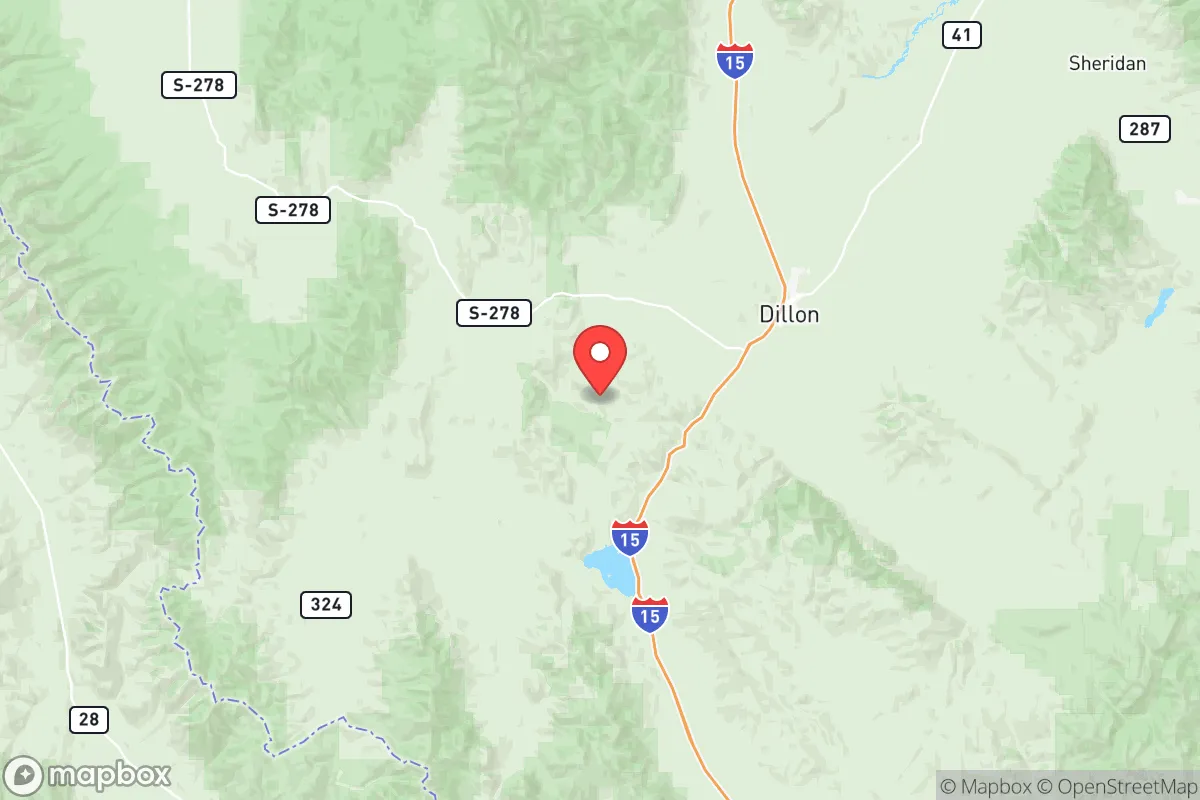
Beaverhead County, Montana, offers one of the most permissive personal sovereignty environments in the lower 48, with a regulatory posture that consistently prioritizes individual autonomy over collective mandates. The county’s roughly 9,500 residents spread across 5,500 square miles experience a level of de facto freedom that is rare even by Montana standards, where the state constitution explicitly guarantees the right to a clean and healthful environment alongside a deeply ingrained culture of self-reliance. For a reader weighing relocation around personal freedom, the key question is not whether Beaverhead County respects individual sovereignty—it does, emphatically—but how that sovereignty manifests differently across the county’s distinct communities, from the county seat of Dillon to the remote ranching outposts of Lima and Wisdom.
Tax burden and regulatory posture: How Montana’s light-touch governance plays out in Beaverhead County
Montana’s state-level tax structure is among the most favorable in the nation for individuals seeking to minimize government overhead, and Beaverhead County amplifies that posture through its rural, low-density character. There is no state sales tax—a fact that immediately distinguishes Montana from nearly every neighboring state—and property taxes in Beaverhead County run well below national averages, with effective rates typically landing between 0.6% and 0.8% of assessed home value. The county’s regulatory environment is defined less by what is permitted than by what is simply not enforced; the limited county government staff of roughly 60 full-time employees simply lacks the bandwidth for aggressive code enforcement. Zoning is virtually nonexistent outside the incorporated towns of Dillon and Lima, meaning landowners in unincorporated areas face minimal permitting requirements for structures, fences, or land-use changes. The Montana Department of Environmental Quality maintains oversight for major industrial projects, but for an individual building a home or workshop on rural acreage, the regulatory touch is extraordinarily light. Dillon, the county’s only town with a population over 1,000, does impose modest building permits and setback requirements, but even there the process is

* Values derived from national, state, county, city and local statistics and may differ in a specific area. Last updated: 2026-06-22T06:02:32.000Z
Narrative content on this page is AI-generated and may contain mistakes. Verify any details that matter before acting on them.
ReloMaps may earn a commission from affiliate links at no extra cost to you.

