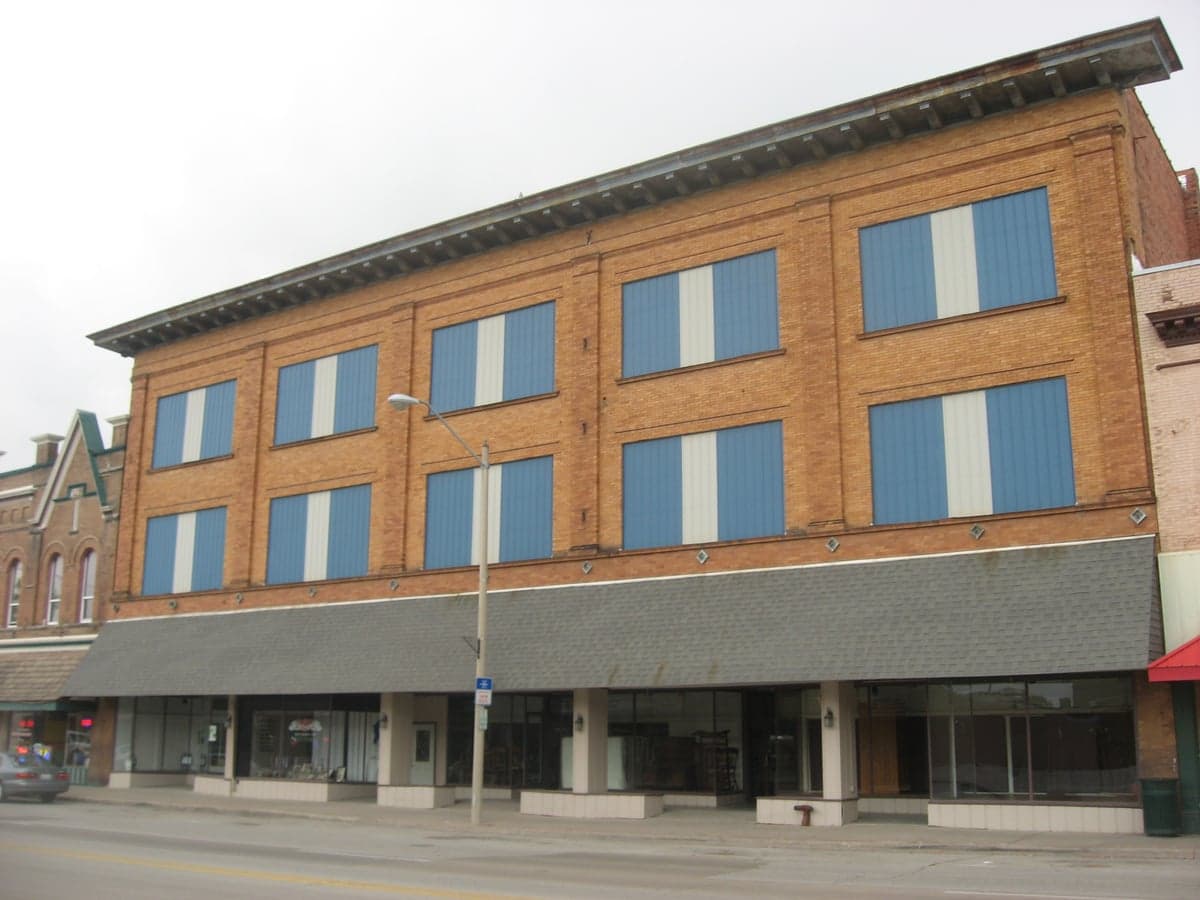
Photo: Wikipedia
Quality of Life in Monmouth, IL
A high quality of life with strong walkability, manageable living costs, healthy neighborhood signals, and solid amenity access.
What does Quality of Life tell us?
Quality of Life blends cost of living, nearby amenities, socioeconomic signals, and neighborhood character. City-level scores represent the whole municipality; individual neighborhoods can differ.
What does this tell us?
Quality of Life blends cost of living, nearby amenities, socioeconomic signals, and neighborhood character. City-level scores represent the whole municipality; individual neighborhoods can differ.
Cost of Living
54% below national average
The Real Cost of Living in Monmouth, IL for 2026
| Tier | Individual | Family (4) |
|---|---|---|
| Survival | $10k | $20k |
| Comfortable | $19k | $28k |
| Luxury | $97k+ | $151k+ |
| Elite (Top 5%) | $115k+ | $178k+ |
210%
The Area Signal
A metric tracking the socioeconomic signals of the area.
Hobbies
Explore the areaGroceries
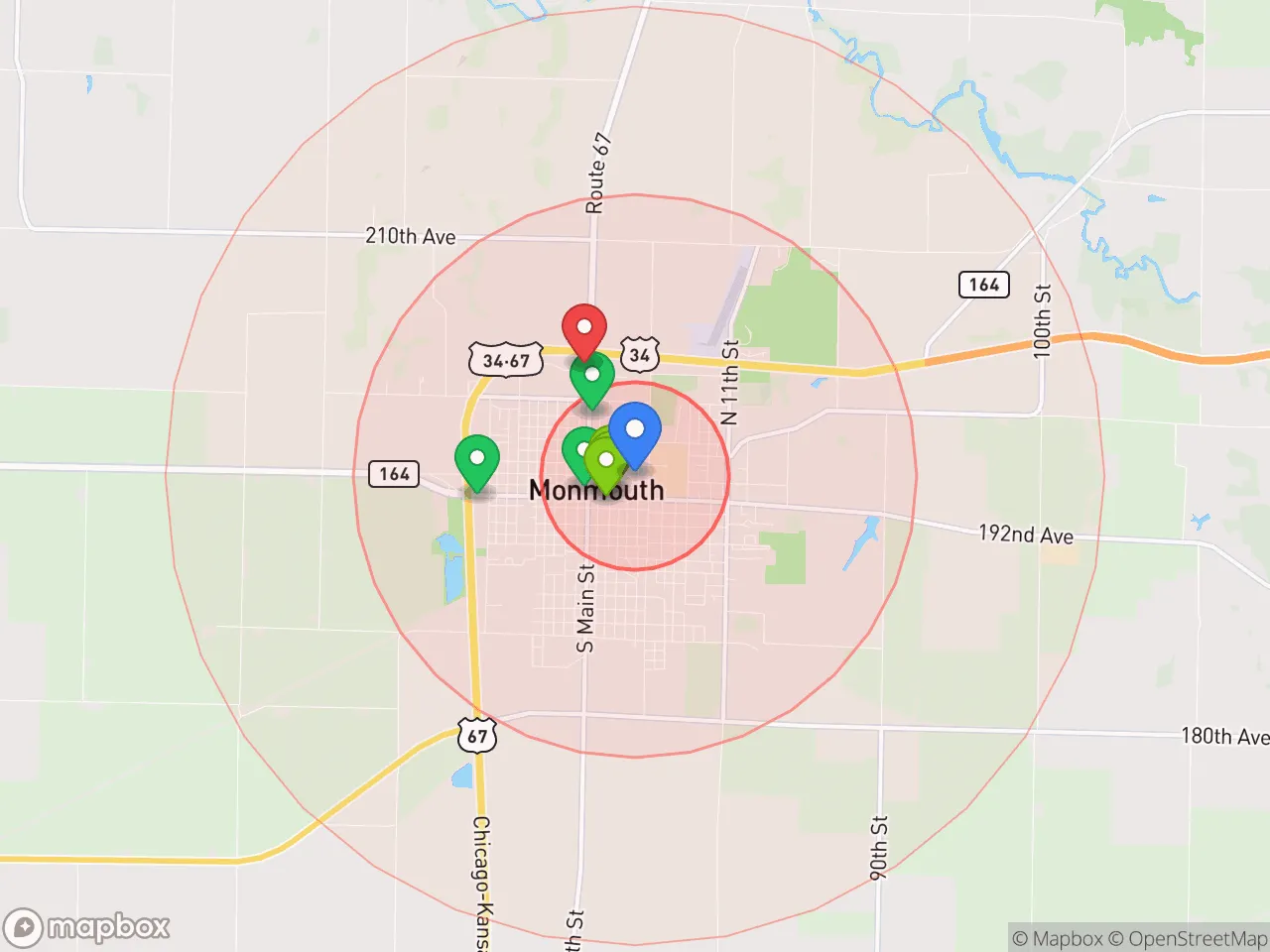
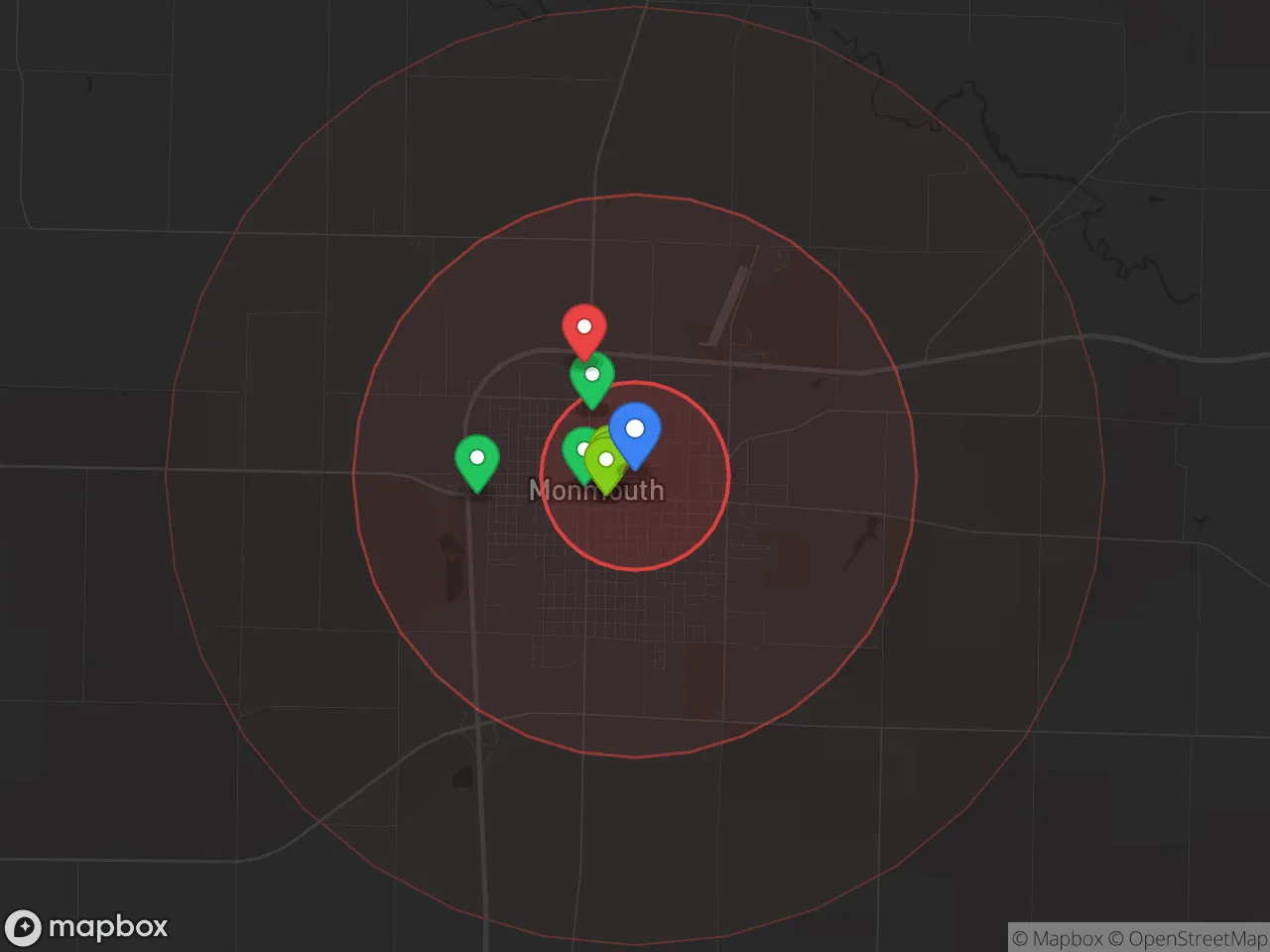
0 within 10 miles
Gas
5 within 10 miles
Hospital
2 within 20 miles
Airport
ORD — O'Hare International
Post Office
USPS — Monmouth, IL
Critical Amenities
Quality-of-Life Analysis
Monmouth, Illinois, offers a quality of life defined by exceptional affordability and a quiet, family-oriented pace, attracting residents who prioritize financial stability and community connection over urban amenities. With a cost of living index of 46—more than 50% below the national average—and a median home value of just $88,100, the city draws a mix of young families, retirees, and workers in manufacturing and agriculture. The population of roughly 9,000 is predominantly white and middle-income, with a noticeable segment of first-time homebuyers and long-term locals who value the low-stress, low-debt lifestyle that this western Illinois town provides.
How affordable is Monmouth compared to Galesburg and the Quad Cities?
Monmouth’s cost of living is among the lowest in the state, making it a standout for budget-conscious movers. The median home value of $88,100 is roughly half that of Galesburg (about $75,000) and less than a third of the median in the Quad Cities metro area (around $160,000). Median rent sits at $652, well below the national figure of $1,200, and significantly cheaper than comparable rentals in Macomb or Burlington, Iowa. The average commute of just 16.1 minutes is a major advantage—far shorter than the national average of 26 minutes—meaning less time in the car and more time at home. Property taxes in Warren County hover around 2.1% of assessed value, which is moderate for Illinois, but the low home prices keep annual tax bills manageable, often under $2,000. For renters and buyers alike, Monmouth offers a financial cushion that is rare in most of the Midwest.
What are the local amenities, schools, and daily life like?
Daily life in Monmouth centers on a compact downtown with a historic courthouse square, local diners, and independent shops like the Monmouth Pharmacy and the Buchanan Center for the Arts. The Monmouth-Roseville School District serves the area with three elementary schools, one middle school, and Monmouth-Roseville High School, which maintains a student-teacher ratio of about 14:1 and offers dual-credit courses through Carl Sandburg College. For groceries and errands, residents rely on a County Market and a Walmart Supercenter, while major retail and healthcare are a 25-minute drive to Galesburg or 45 minutes to the Quad Cities. Outdoor recreation includes Lake Warren County Park for fishing and hiking, and the nearby Snakeden Hollow State Fish and Wildlife Area for hunting and birdwatching. The city’s rhythm is slow and predictable—church suppers, high school football games, and the annual Prime Beef Festival in late August are social anchors. There is no major nightlife or cultural district; instead, the appeal lies in safety, space, and a strong sense of neighborly familiarity.
Monmouth is best suited for those who value low housing costs, short commutes, and a tight-knit community over career diversity or urban entertainment. Young families can buy a home for under $100,000 and raise children in a low-crime environment with decent schools, while retirees can stretch a fixed income comfortably. Remote workers and tradespeople will appreciate the negligible commute and the ability to save aggressively. However, professionals seeking high-paying jobs, diverse dining, or cultural attractions will find the town limiting. For anyone whose priority is financial breathing room and a quiet, predictable daily life, Monmouth delivers a quality of life that is hard to match at this price point.

Crime in Monmouth, IL
Lower crime rates than 82% of comparable U.S. locations.
Violent CrimeViolent Crime Analysis
Property CrimeProperty Crime Analysis
Crime Analysis
Monmouth, Illinois, reports a violent crime rate of 198.3 incidents per 100,000 residents and a property crime rate of 933.4 per 100,000, placing it below national averages for both categories. While these figures suggest a relatively safe environment compared to many U.S. communities, the city's location within a largely rural county means residents face different safety dynamics than those in larger metropolitan areas. The overall safety picture is one of moderate risk, with property offenses being the more prevalent concern for most households.
Crime in context
Monmouth's violent crime rate is roughly 43% lower than the national average of approximately 380 per 100,000, and its property crime rate sits about 15% below the U.S. median of roughly 1,100 per 100,000. These numbers place Monmouth in a favorable position relative to both state and national benchmarks. However, it is important to note that Warren County, where Monmouth is the county seat, does not share borders with any large metropolitan area. This geographic isolation means the city avoids the spillover crime effects often seen in suburbs of major cities like Chicago or St. Louis. Readers should be aware that communities near large metro areas with liberal and progressive judges and district attorneys often experience higher recidivism and more criminals on the street, directly impacting public safety. Monmouth's distance from such jurisdictions is a structural advantage in this regard.
What residents experience
For daily life in Monmouth, property crime is the primary concern. The 933.4 per 100,000 rate translates to roughly one property crime every few days across the city's population of about 9,000. Theft from vehicles and burglaries of unoccupied homes or sheds are the most common incidents reported to the Monmouth Police Department. Violent crime, while low, is not absent: the 198.3 per 100,000 figure typically represents a handful of aggravated assaults and occasional robberies each year. Homicides are rare. Residents generally feel safe walking downtown or using city parks during daylight hours, though standard precautions like locking doors and securing valuables are recommended, especially at night.
Neighborhood-level variation
Crime in Monmouth is not uniformly distributed. The area around the downtown commercial corridor and the blocks immediately adjacent to the Monmouth College campus see slightly higher rates of reported theft and vandalism, likely due to foot traffic and transient populations. The residential neighborhoods on the city's west and south sides, particularly those with single-family homes and lower population density, report fewer incidents. The Monmouth Police Department maintains a visible presence through community policing initiatives, and the city's relatively small geographic size means response times are generally quick. For those considering relocation, consulting the department's publicly available crime maps or speaking with a local realtor familiar with specific blocks can provide additional granularity on safety by street.
* Values derived from national, state, county, city and local statistics and may differ in a specific area. Last updated: 2026-11-21T08:43:05.000Z
Narrative content on this page is AI-generated and may contain mistakes. Verify any details that matter before acting on them.
ReloMaps may earn a commission from affiliate links at no extra cost to you.

