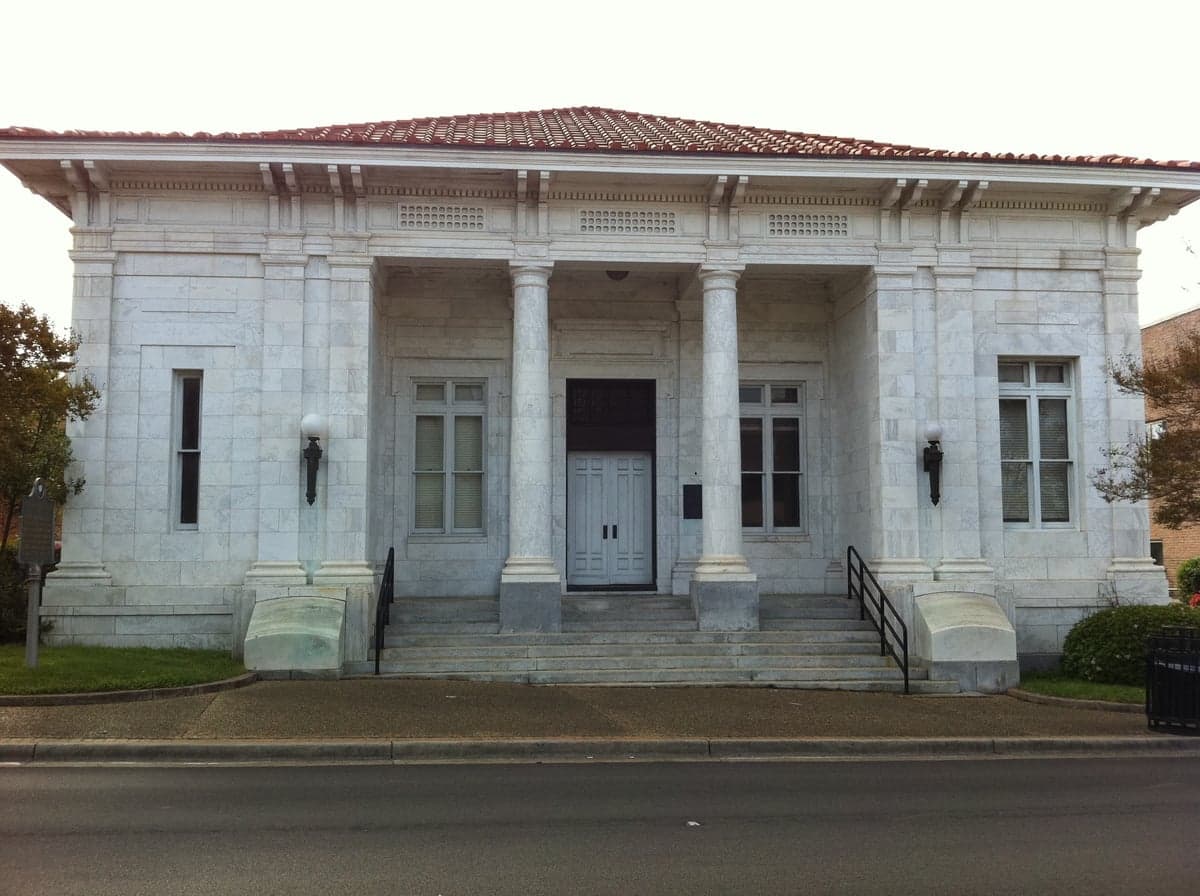
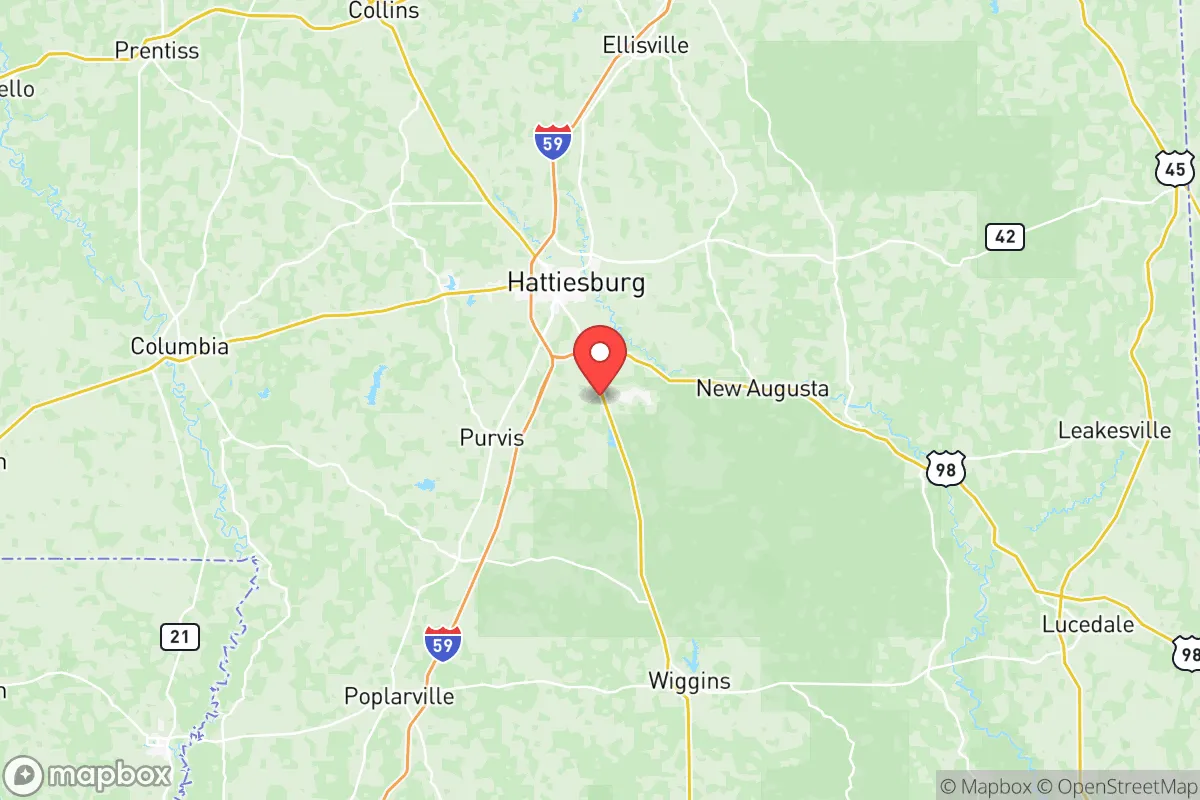
Photo: Wikipedia
Find The Best Places To Live in Forrest County
PRO TIP! You can paste a Zillow or Redfin link to get info on that property.
Best Places to Live in Forrest County
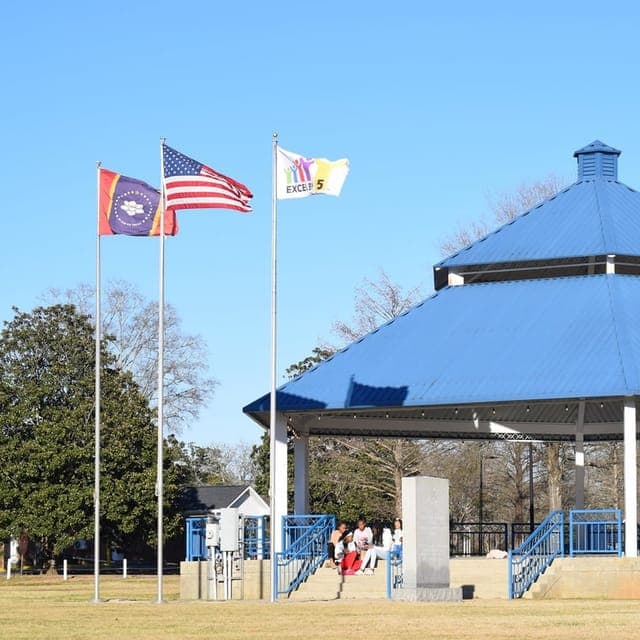
Cities & Towns in Forrest County
Cities in Forrest County
What It's Like Living in Forrest County, MS
Forrest County, Mississippi, is one of those places where the pace of life slows down just enough to let you breathe, but not so much that you feel stuck. Anchored by Hattiesburg, the county’s largest city and a genuine college town, it’s a region where you can find a Friday night football game in Petal, a quiet Sunday afternoon in the rural stretches around Brooklyn, and a weekday morning commute that rarely tops 20 minutes. It’s a place for people who want the bones of a small city—a university, a decent hospital, a regional airport—without the headaches of a sprawling metro.
Daily Rhythm: Where Time Moves a Little Slower
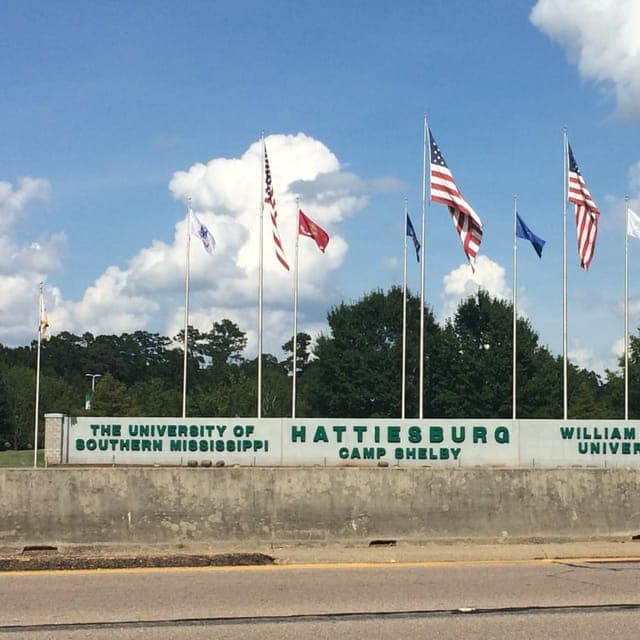
Life here revolves around the University of Southern Mississippi (USM) and the local schools. In Hattiesburg, the Hub City, you’ll find the Midtown District buzzing with coffee shops like The Porter and breweries like the Southern Prohibition Brewing Company—a favorite hangout for USM students and young professionals alike. Further out, Petal feels more like a traditional bedroom community; its school system is a major draw for families, and the Petal School District frequently ranks among the state’s best. The average commute of about 21 minutes is a genuine perk—you can live in a quiet subdivision off Highway 49 and still get to your job downtown Hattiesburg before your coffee cools. The median age here is just 31.8, which gives the county a distinctly younger, more energetic feel than much of rural Mississippi, thanks largely to the student population. The tradeoff? The median income of $52,821 is a tight squeeze for many, though the cost of living index of 71 (well below the national average) means your dollar goes further on rent and groceries than it would in Jackson or Gulfport.
What People Actually Do: Sports, Festivals, and the Outdoors
Sports are the social glue here. On Saturdays, M. M. Roberts Stadium fills up for USM Golden Eagles football—it’s a big deal, especially when they’re playing rivals like Louisiana Tech. High school football in Petal is equally intense; Friday nights in the fall can feel like a town-wide event. For entertainment beyond the gridiron, the annual HubFest in downtown Hattiesburg draws thousands for live music and local vendors. The Longleaf Trace, a 44-mile paved rail-trail, runs from the USM campus all the way south to the town of Sumrall, and locals use it for biking, running, and lazy afternoon walks. If you need a weekend escape, the DeSoto National Forest is a 30-minute drive south, offering solid hiking and kayaking on the Black Creek. The food scene is more down-home than fancy: Leatha's Bar-B-Que Inn is a local institution for smoked ribs, while The Depot Coffee House in Hattiesburg is where you go for a quiet breakfast with a book.
Pros and Cons of Living Here
The honest upsides are straightforward. The low cost of living (think $152,900 median home value) means a family can buy a three-bedroom in Petal or the Oak Grove area for what a one-bedroom apartment costs in many parts of the country. The violent crime rate of 187 per 100,000 is significantly lower than the national average, and most residents will tell you they feel safe in their neighborhoods, though Hattiesburg has its rougher pockets. The weather is a double-edged sword: summers are long, humid, and hot, but the mild winters mean you’re outside more months of the year than not. The biggest frustrations locals voice? The education attainment rate of just 29.5% holding a bachelor’s degree reflects a region that struggles to retain its most educated graduates—many leave after college for jobs in Houston, Atlanta, or Nashville. The job market itself is anchored by USM, Forrest General Hospital, and the Camp Shelby military training site, so career diversity is limited. If you’re not in healthcare, education, or retail, you may find yourself commuting to the Coast or the Jackson area. The culture is deeply conservative and church-oriented; for younger singles or those from more liberal backgrounds, the social scene can feel thin outside the college bubble.
Who Fits In Best
Forrest County works best for people who don’t need a nonstop schedule of events. It’s ideal for a USM student or recent grad who wants an affordable start, a family looking for quality public schools in Petal or Lamar County, or someone working in the healthcare industry who values a 15-minute commute. Retirees on a fixed income also do well here, especially in the quieter communities like Rawls Springs or the rural areas near the Pearl River. The type of person who gets frustrated is the one who wants urban density, late-night food options past 10 p.m., or a thriving arts scene beyond what the university provides. This is a place where your social life is built around church, school sports, and your neighbor’s backyard grill—and that’s exactly what a lot of people are looking for.

* Values derived from national, state, county, city and local statistics and may differ in a specific area. Last updated: 2026-06-22T03:26:47.000Z
Narrative content on this page is AI-generated and may contain mistakes. Verify any details that matter before acting on them.
ReloMaps may earn a commission from affiliate links at no extra cost to you.

