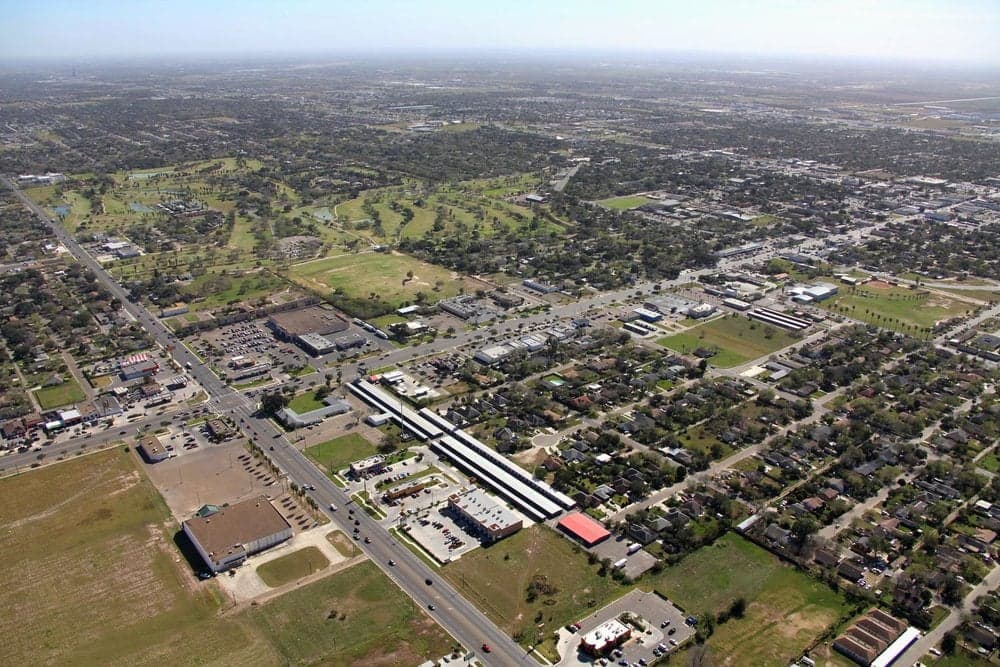
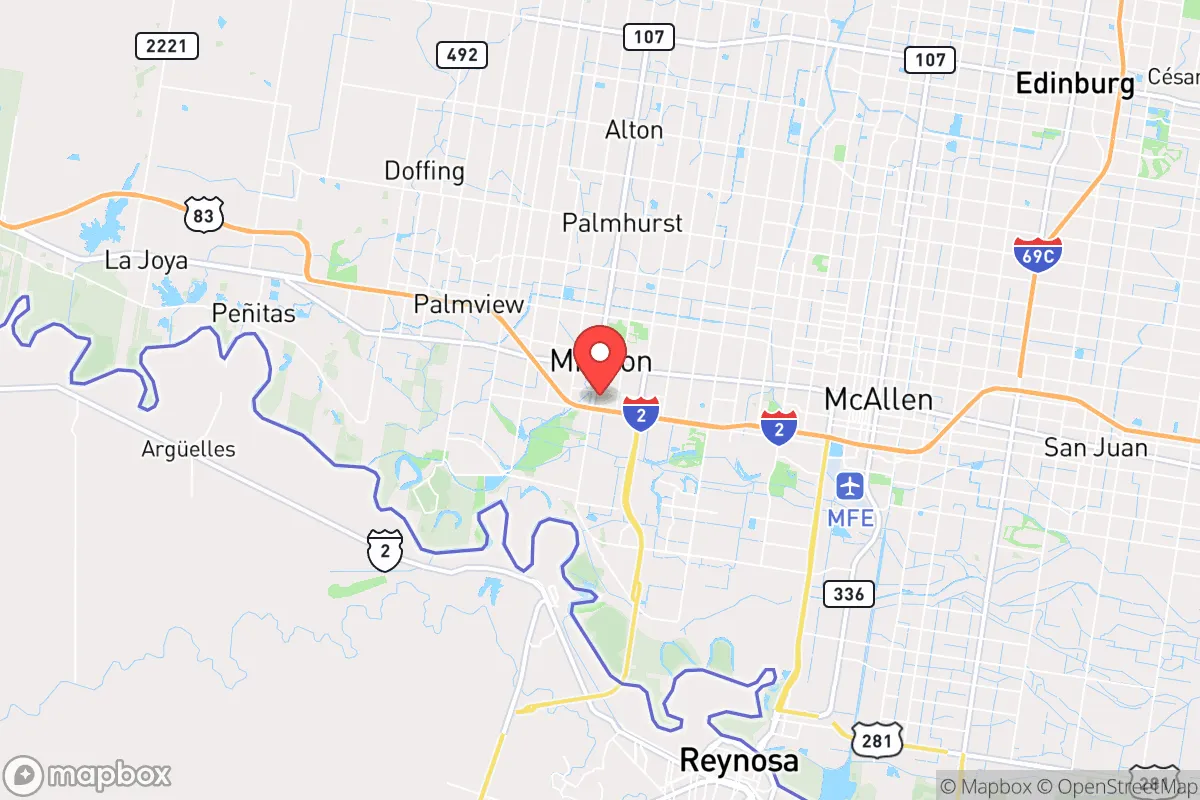
Photo: Wikipedia
Quality of Life in Mission, TX
A high quality of life with strong walkability, manageable living costs, healthy neighborhood signals, and solid amenity access.
What does Quality of Life tell us?
Quality of Life blends cost of living, nearby amenities, socioeconomic signals, and neighborhood character. City-level scores represent the whole municipality; individual neighborhoods can differ.
What does this tell us?
Quality of Life blends cost of living, nearby amenities, socioeconomic signals, and neighborhood character. City-level scores represent the whole municipality; individual neighborhoods can differ.
Cost of Living
29% below national average
The Real Cost of Living in Mission, TX for 2026
| Tier | Individual | Family (4) |
|---|---|---|
| Survival | $15k | $28k |
| Comfortable | $31k | $46k |
| Luxury | $110k+ | $170k+ |
| Elite (Top 5%) | $134k+ | $208k+ |
132%
The Area Signal
A metric tracking the socioeconomic signals of the area.
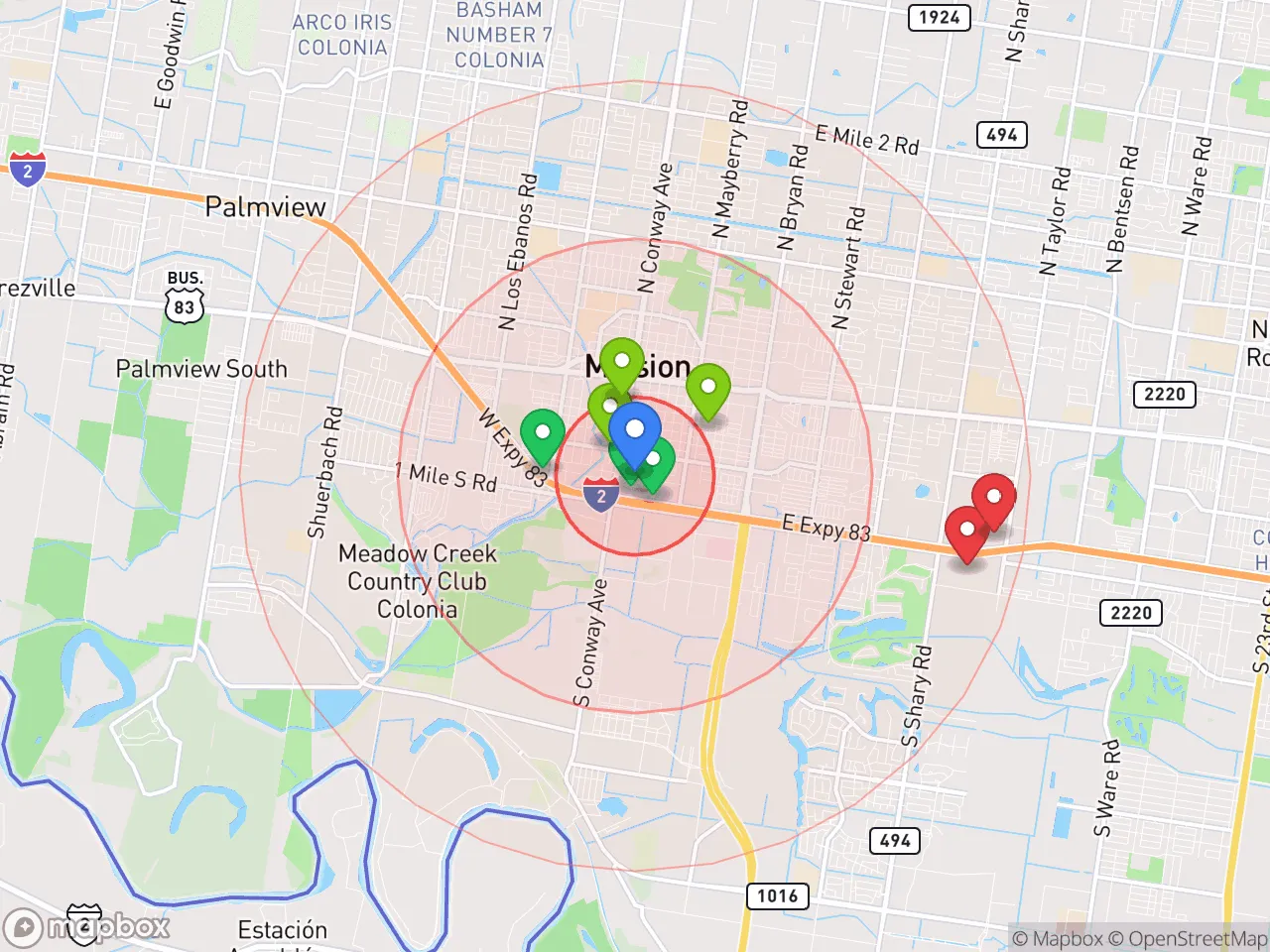
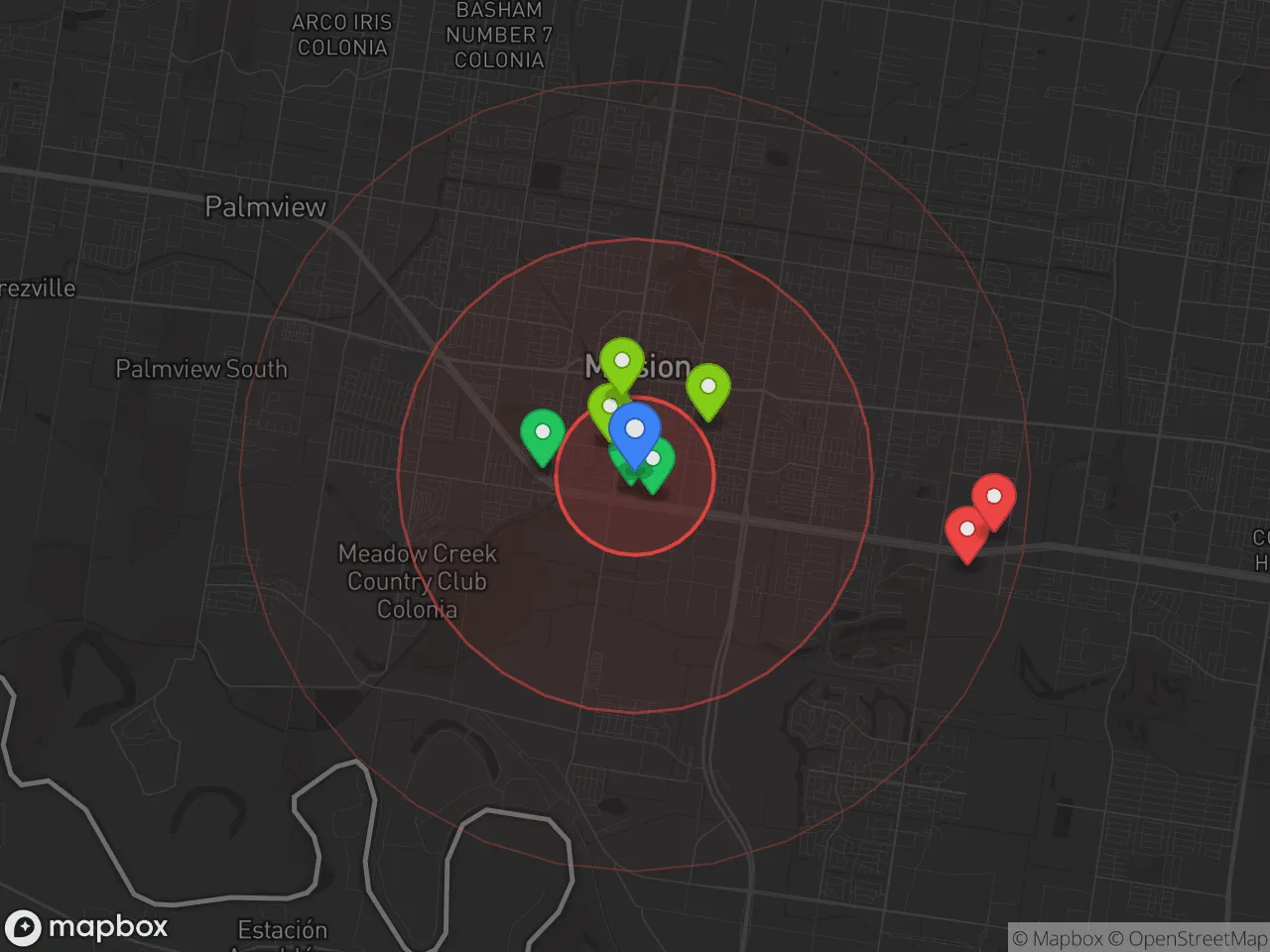
Hobbies
Explore the areaGroceries
0 within 10 miles
Gas
0 within 10 miles
Hospital
0 within 20 miles
Airport
SAN — San Antonio International
Post Office
Critical Amenities
Quality-of-Life Analysis
Mission, Texas, offers a notably affordable quality of life that attracts a diverse mix of residents, from young families and retirees to cross-border professionals and agricultural workers. With a cost of living index of 71—well below the U.S. average of 100—the city provides a lower financial barrier to homeownership and daily expenses compared to much of the nation. The population skews younger and more family-oriented than the national median, with a strong Hispanic cultural influence and a steady influx of people drawn by the region's warm climate, proximity to the U.S.-Mexico border, and slower pace of life.
Cost of living, housing, and how Mission compares to nearby cities
Mission's cost of living is among the most competitive in the Rio Grande Valley. The median home value sits at $160,800, significantly lower than the national median of roughly $350,000, and even undercutting nearby McAllen's median of around $185,000. Renters also benefit, with a median rent of $931 per month—about 30% less than the U.S. average. This affordability extends to utilities, groceries, and transportation, with the average commute clocking in at just 20.7 minutes, well below the national average of 26 minutes. For comparison, residents in larger Texas metros like Houston or Dallas face commutes averaging 30 minutes or more, making Mission's shorter drive times a practical advantage for daily life. However, property taxes in Hidalgo County are relatively high (around 2.5% of assessed value), which can offset some housing savings for homeowners.
What daily life is like: amenities, schools, and community rhythm
Daily life in Mission revolves around a relaxed, community-oriented rhythm. The city is part of the La Joya Independent School District, which includes several elementary and middle schools rated above average by the Texas Education Agency, though high school performance varies. For shopping and dining, residents frequently drive 10–15 minutes north to McAllen for larger retail centers, restaurants, and entertainment venues. Mission itself offers local parks, the National Butterfly Center, and seasonal events like the Mission Christmas Parade. The city's proximity to the border means many residents cross into Reynosa, Mexico, for medical care, dental work, or cultural visits. The climate is semi-arid with hot summers averaging 95°F and mild winters around 60°F, encouraging outdoor activities like birdwatching at Bentsen-Rio Grande Valley State Park. The area's strong Catholic and family-centric culture shapes weekend routines, with many families attending church and gathering for large meals. Crime rates in Mission are moderate—property crime is slightly above the national average, but violent crime remains lower than in larger border cities like Brownsville.
Mission is best suited for those who prioritize affordability, a slower pace, and a warm climate over urban amenities or career diversity. Retirees on fixed incomes, remote workers seeking lower housing costs, and families looking for safe, community-focused neighborhoods will find the city appealing. Professionals in healthcare, education, or cross-border trade will also find stable employment options, particularly in the growing medical sector around nearby McAllen. However, those seeking high-end dining, nightlife, or rapid career advancement in tech or finance may find Mission too limited. The city's strong sense of community and low cost of living create a comfortable foundation for residents who value financial breathing room and a close-knit environment.

Crime in Mission, TX
Lower crime rates than 78% of comparable U.S. locations.
Violent CrimeViolent Crime Analysis
Property CrimeProperty Crime Analysis
Crime Analysis
Mission, Texas, reports a violent crime rate of 134.4 incidents per 100,000 residents, which is roughly one-third the national average and significantly lower than the Texas state average. However, the city’s property crime rate stands at 1,164 per 100,000, a figure that is notably higher than both state and national benchmarks, making property-related offenses the primary safety concern for most residents. This mixed profile places Mission in a category where personal safety is statistically strong, but vigilance against theft and burglary is essential.
Crime in context
Mission’s violent crime rate is well below the Texas average of approximately 445 per 100,000 and the U.S. average of about 380 per 100,000, placing it among the safer small cities in the Rio Grande Valley for crimes like assault, robbery, and homicide. In contrast, the property crime rate exceeds the national average of roughly 1,954 per 100,000 but still sits below the Texas average of around 2,500 per 100,000. The gap between low violent crime and elevated property crime suggests that while random acts of violence are rare, crimes of opportunity—such as vehicle break-ins, shoplifting, and residential burglary—are more common. Readers should note that Hidalgo County, where Mission is located, has been characterized by some observers as having a more progressive prosecutorial approach in recent years, which can correlate with reduced incarceration rates for property offenders and potentially higher recidivism, a dynamic that may contribute to the elevated property crime numbers.
What residents experience
For daily life in Mission, the low violent crime rate means that most residents feel safe walking in their neighborhoods during the day and evening, and the city’s police department maintains a visible presence in commercial corridors like Conway Avenue and Business 83. Property crime, however, is a routine annoyance: residents commonly report package thefts from porches, unlocked vehicle entries, and occasional garage burglaries, particularly in areas near major retail centers. The city’s proximity to the U.S.-Mexico border adds a layer of complexity, as cross-border vehicle theft and stolen goods trafficking can influence local crime patterns, though these are generally contained to specific commercial zones rather than residential streets. Schools in the Mission Consolidated Independent School District report low rates of on-campus incidents, reinforcing the sense that violent crime is not a daily concern for families.
Neighborhood-level variation is significant. Established subdivisions like Los Ebanos Ranch and Palm View experience property crime rates well below the city average, often due to active homeowners’ associations and private security patrols. Conversely, areas closer to the downtown core and along the expressway corridors see higher concentrations of theft and vandalism. Newer master-planned communities on the city’s west side, such as those near Shary Road, tend to report fewer incidents, while older neighborhoods near the border wall have mixed records. Prospective residents are advised to check specific subdivision crime maps and consider that the city’s overall property crime rate, while manageable, is a direct reflection of the broader regional challenges posed by a justice system that some critics argue prioritizes diversion over detention for repeat property offenders.
* Values derived from national, state, county, city and local statistics and may differ in a specific area. Last updated: 2026-11-11T17:26:40.000Z
Narrative content on this page is AI-generated and may contain mistakes. Verify any details that matter before acting on them.
ReloMaps may earn a commission from affiliate links at no extra cost to you.

