Photo: Wikipedia
Personal Sovereignty in Minnesota
Viable for self-reliance. Generally workable, though some barriers may limit total independence.
What does Personal Sovereignty tell us?
Personal Sovereignty measures your capacity for self-reliance and independence with minimal government friction. Higher scores mean fewer barriers between you and the way you want to live... but it assumes you have the space you need and good neighbors.
What does this tell us?
Personal Sovereignty measures your capacity for self-reliance and independence with minimal government friction. Higher scores mean fewer barriers between you and the way you want to live... but it assumes you have the space you need and good neighbors.
State Policy
Energy independence: Importer (20% of energy produced in-state)
Personal Liberty
Homesteading

Personal Liberty Analysis
Minnesota presents a deeply conflicted environment for personal sovereignty, where a strong tradition of self-reliance in rural areas clashes with increasingly assertive state-level control from the Twin Cities. For the conservative-leaning individual or family prioritizing autonomy, the state offers pockets of genuine freedom—particularly in the northern and western counties—but requires careful navigation of a regulatory landscape that has shifted markedly leftward in recent years. The key to preserving personal sovereignty here is strategic location: choosing a county like Fillmore or Kanabec over the metro area can mean the difference between living under a municipal microscope and enjoying a life of relative independence.
Tax burden and regulatory posture: how the state’s fiscal policies affect your autonomy
Minnesota’s tax burden is among the highest in the nation, ranking 6th overall according to the Tax Foundation, and this directly impacts personal sovereignty by reducing the disposable income you control. The state imposes a progressive income tax with a top rate of 9.85%, and property taxes vary wildly—expect to pay significantly more in Hennepin County (Minneapolis) than in Cook County (Grand Marais) or Marshall County (Warren). Sales tax is 6.875% statewide, but local options can push it to 8.875% in cities like St. Paul. The regulatory posture is equally aggressive: Minnesota has adopted California-style emissions standards, mandates renewable energy portfolios, and enforces some of the strictest environmental regulations on farming and construction in the Midwest. For the prepper or homesteader, this means permits for everything from septic systems to well drilling are non-negotiable, and the state’s Department of Natural Resources (DNR) has broad authority over land use. However, counties like Pine and Carlton have more lenient enforcement cultures, where local officials often prioritize practicality over paperwork.
Self-defense and gun law specifics: what the Second Amendment looks like on the ground
Minnesota is a shall-issue state for concealed carry permits, meaning the sheriff must issue one if you meet basic criteria—no subjective “good cause” requirement. This is a relative bright spot, but the picture darkens when you consider recent legislation. In 2023, the state passed a universal background check law and a “red flag” Extreme Risk Protection Order (ERPO) statute, which allows courts to temporarily seize firearms from individuals deemed a risk by family or law enforcement. For the sovereignty-minded, this is a direct threat: no warrant, no conviction, just a petition and a hearing. The state also bans binary triggers and bump stocks, and local ordinances in Minneapolis and St. Paul impose additional restrictions on magazine capacity and storage. Rural counties push back. In Otter Tail County (Fergus Falls) and Stearns County (St. Cloud), sheriffs have publicly stated they will not enforce red flag orders they deem unconstitutional. If you want to live armed without government overreach, your best bet is a county with a strong Second Amendment sanctuary resolution—places like Morrison County (Little Falls) and Kanabec County (Mora) have passed such measures. Stand-your-ground laws do not exist in Minnesota; you have a duty to retreat if safely possible before using deadly force, which is a significant limitation on self-defense rights compared to states like Texas or Florida.
Self-reliance and homesteading viability: lot sizes, zoning, and off-grid feasibility
Minnesota’s rural counties offer genuine homesteading potential, but the state’s building codes and zoning laws create friction. Minimum lot sizes for agricultural use are typically 40 acres in unzoned townships, but many counties require at least 5 acres for a single-family home with a septic system. Off-grid living is technically legal, but the state mandates that any dwelling have a sanitary sewage system approved by the county—composting toilets are not universally accepted. Solar panels are allowed, but net metering laws require utility cooperation, and some rural electric co-ops impose fees that discourage true energy independence. Rainwater collection is legal for outdoor use but restricted for potable purposes without a permit. The best counties for self-reliance are Lake of the Woods (Baudette) and Koochiching (International Falls), where local governments are sparse and enforcement is minimal. In Fillmore County (Preston), the Amish and Mennonite communities have established a working model of low-tech, off-grid living that the county accommodates. Avoid the metro-area exurbs like Washington County (Stillwater) or Dakota County (Hastings), where zoning is strict and homeowner associations often ban livestock, outbuildings, and even clotheslines. For the prepper, the northern third of the state—north of Highway 2—offers the best combination of cheap land, lax enforcement, and distance from population centers.
Personal liberties: parental rights, medical autonomy, speech, and property
Parental rights in Minnesota have been under assault. The state’s 2023 “trans refuge” law allows minors to receive gender-affirming care without parental consent if they are deemed mature enough by a provider, effectively overriding parental authority. The Department of Education has also pushed curricula that many conservatives view as ideological indoctrination, and there is no robust parental opt-out mechanism for objectionable material. Medical autonomy is similarly constrained: Minnesota has a vaccine mandate for school attendance (though philosophical exemptions exist for some vaccines), and the state’s emergency powers during COVID allowed the governor to shut down businesses and churches unilaterally—powers that remain on the books. On speech, Minnesota has a history of restricting political expression; the state’s campaign finance laws are among the most complex in the nation, and “hate speech” statutes have been used to prosecute individuals for offensive but non-inciting speech. Property rights are stronger outside the metro. In St. Louis County (Duluth), the DNR has broad authority to restrict land use near waterways and wetlands, but in Marshall County (Warren) and Roseau County (Roseau), property owners face far fewer encumbrances. The state’s eminent domain powers are robust, particularly for pipeline and transmission line projects, which has sparked ongoing conflicts in Becker County (Detroit Lakes) over the Line 3 replacement pipeline.
Overall, Minnesota’s personal sovereignty landscape is a study in contrasts. The state’s rural north and west offer a level of self-reliance and gun-friendly culture that rivals any Midwestern location, but the metro-dominated legislature continues to erode parental rights, medical freedom, and property autonomy. For the conservative prepper or homesteader, the calculus is clear: choose a county with a sanctuary resolution, low property taxes, and a sheriff who respects the Constitution, and you can carve out a life of genuine independence. But be prepared to fight for it—the state government in St. Paul is not your ally, and the cultural drift toward collectivism shows no signs of reversing. If you value sovereignty above all else, Minnesota is a place where you can make a stand, but only if you choose your ground wisely.

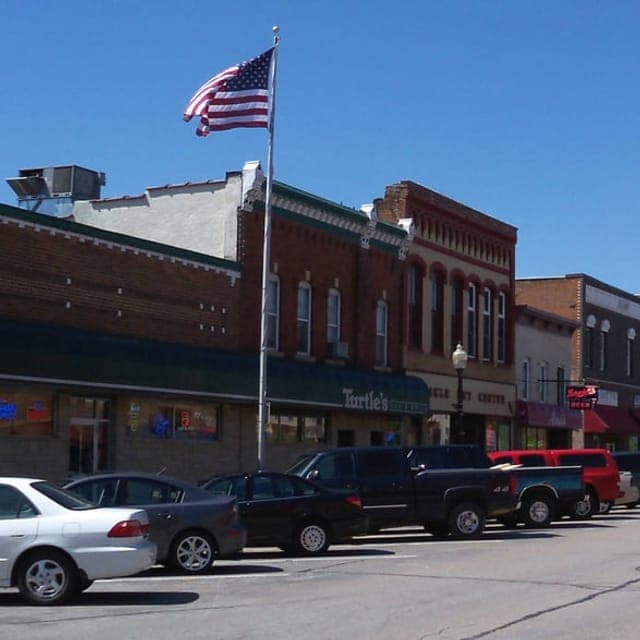
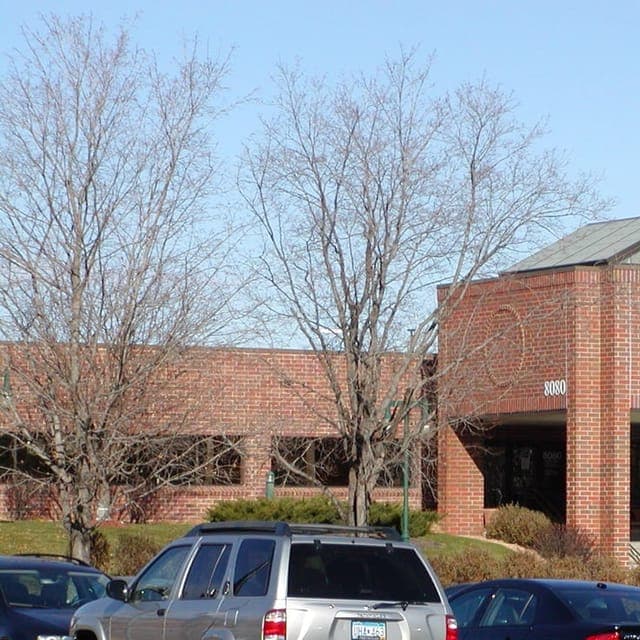
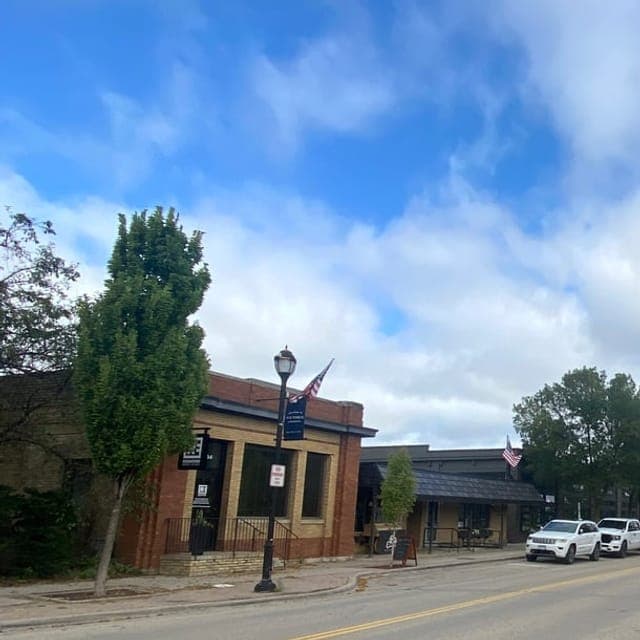
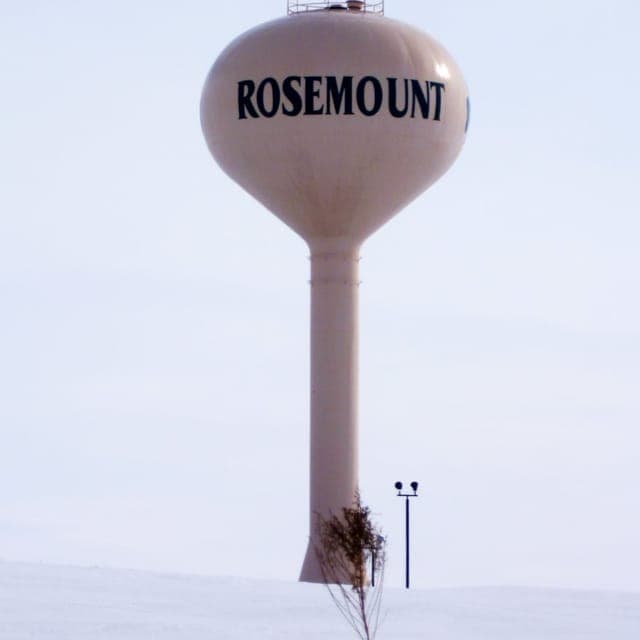
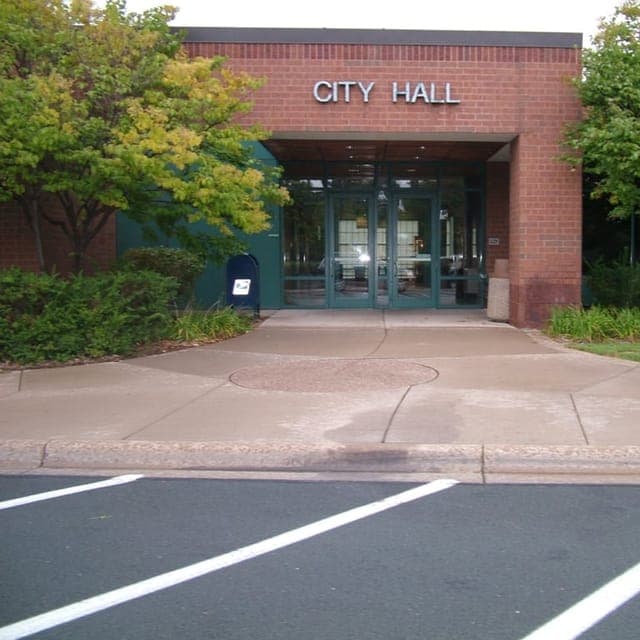
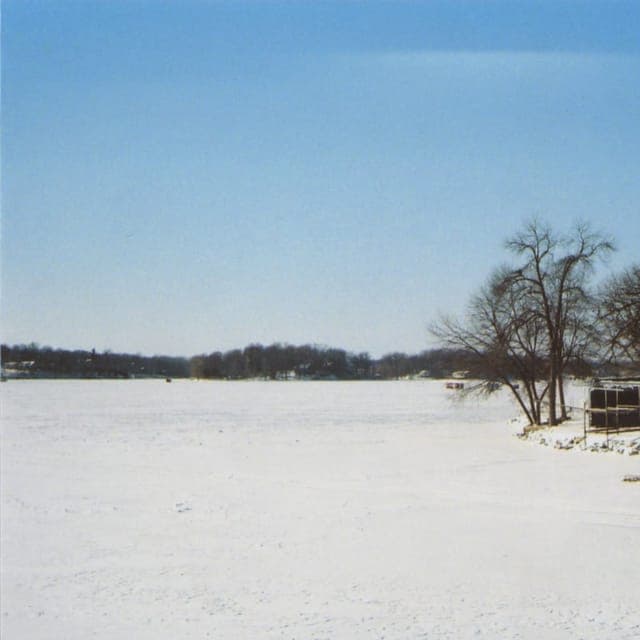
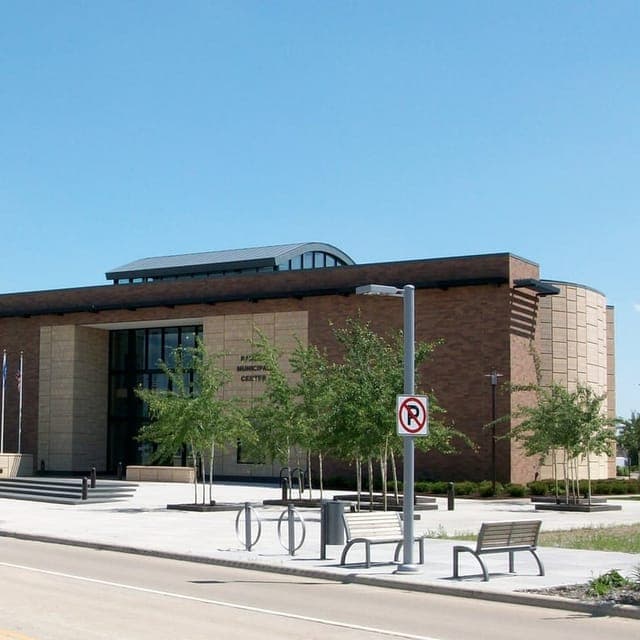
Top Cities for Personal Sovereignty in Minnesota


* Values derived from national, state, county, city and local statistics and may differ in a specific area. Last updated: 2026-06-06T23:11:41.000Z
Narrative content on this page is AI-generated and may contain mistakes. Verify any details that matter before acting on them.
ReloMaps may earn a commission from affiliate links at no extra cost to you.

