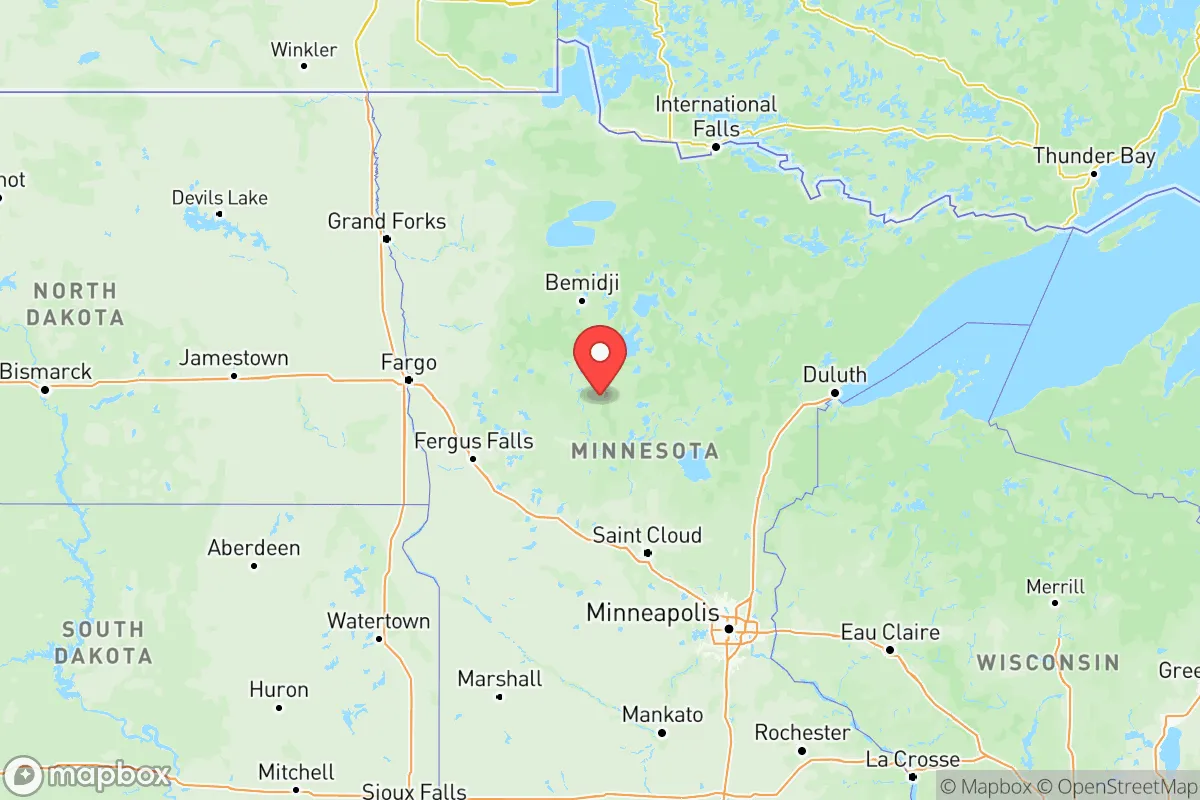
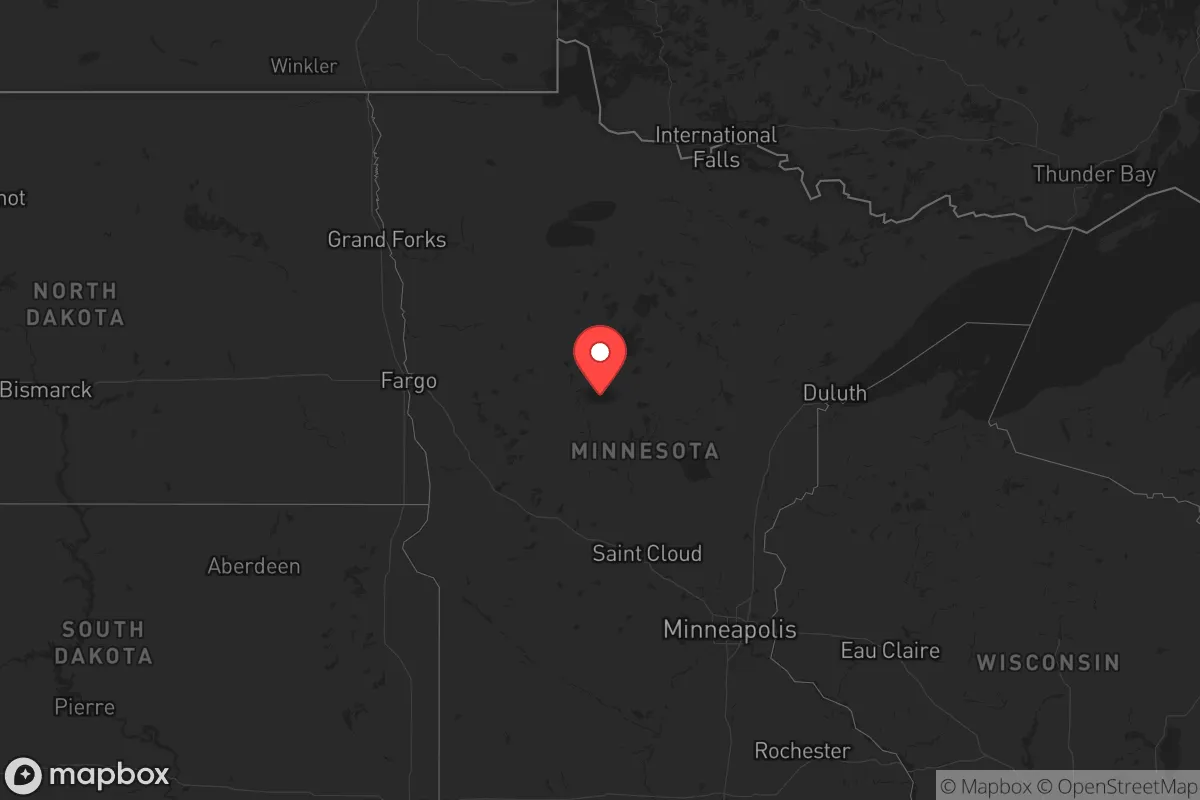
Photo: Wikipedia
Political ClimatePolitical Climate in Minnesota
Political Environment in the State
Minnesota has shifted from a classic purple battleground to a reliably blue state over the past 15 years, driven largely by the explosive growth of the Twin Cities metro area and a sharp urban-rural polarization. While the state voted for Democrats in every presidential election since 1976, the margins have widened: Barack Obama won by 7.7 points in 2012, Joe Biden by 7.1 in 2020, and Kamala Harris by 4.2 in 2024 — but that last number masks a deeper story. The real action is in the legislature, where Democrats (the DFL) gained a trifecta in 2022 and immediately passed a sweeping progressive agenda that has conservatives in Greater Minnesota feeling like they’re living under a different government than their neighbors in Minneapolis.
Urban vs. rural divide
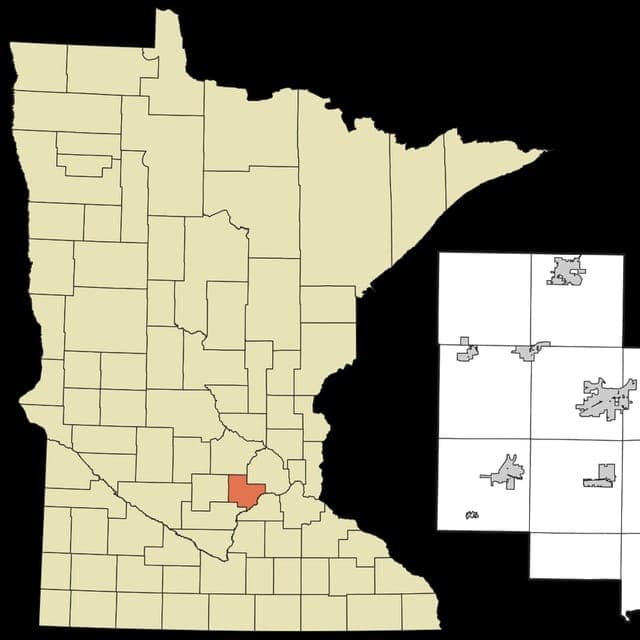
The political map of Minnesota is a tale of two states. The Twin Cities metro — Hennepin, Ramsey, and Dakota counties — delivers roughly 55% of the state’s vote and leans heavily Democratic. Minneapolis and St. Paul are deep blue, but the real story is the suburbs: places like Edina, Bloomington, and Maple Grove have moved leftward over the past decade, flipping from swing areas to solid DFL territory. Meanwhile, Greater Minnesota is overwhelmingly red. The Iron Range, once a Democratic stronghold, has flipped hard — St. Louis County (Duluth) still votes blue, but surrounding counties like Itasca and Koochiching are now reliably Republican. The southwestern farm counties — Pipestone, Rock, Nobles — vote 70-80% Republican. The divide is so stark that you can drive 30 minutes from Minneapolis and feel like you’ve crossed into a different country politically. The 2024 election saw Anoka County, a classic bellwether, flip back to Trump after voting for Biden in 2020, signaling that even the outer-ring suburbs are not uniformly blue.
Policy environment
Minnesota’s policy environment has become a laboratory for progressive governance since the DFL trifecta took hold in 2023. The state now has a progressive income tax with a top rate of 9.85% on income over $200,000 (single filers), one of the highest in the nation. Property taxes are moderate but vary wildly by county — expect to pay more in the metro than in rural areas. The regulatory posture is aggressive: Minnesota adopted California-style emissions standards in 2023, effectively mandating that 20% of new cars sold by 2025 be electric. Education policy is a flashpoint: the state passed a universal free school meals program and increased per-pupil funding, but also eliminated the requirement for school districts to notify parents of curriculum changes (the “Parents’ Bill of Rights” was defeated). Healthcare is heavily regulated, with a state-run reinsurance program keeping premiums somewhat stable, but the state also expanded Medicaid under the Affordable Care Act. Election laws are among the most liberal in the country: Minnesota has same-day voter registration, no-excuse absentee voting, and automatic voter registration through the DMV. The 2023 law restoring voting rights to felons upon release from prison (not just after parole) was a major win for the left.
Trajectory & freedom
On the freedom index, Minnesota is trending downward for conservatives. The 2023 legislative session was a blitz: the DFL passed a red flag law (Extreme Risk Protection Order), universal background checks for private gun sales, and a repeal of the state’s preemption law that had prevented cities from enacting their own gun ordinances. The result? Minneapolis and St. Paul immediately passed their own bans on firearms in public parks and government buildings. Parental rights took a hit with the repeal of the “opt-out” provision for sex education — parents can no longer pull their kids from certain lessons. Medical autonomy is mixed: the state codified abortion rights into law in 2023 (the Protect Reproductive Options Act), but also passed a law requiring insurance to cover gender-affirming care, which has drawn criticism from conservatives. Property rights are under pressure from the new “climate-smart” building codes that add thousands to new home construction costs. The state also passed a paid family and medical leave program funded by a payroll tax — a new mandate that small business owners in Rochester and Mankato are still figuring out how to absorb.
Civil unrest & political movements
Minnesota remains a flashpoint for civil unrest, with the legacy of George Floyd’s murder in 2020 still shaping politics. The 2020 riots in Minneapolis caused $500 million in damage, and the subsequent “defund the police” movement led to a temporary reduction in the police force that crime rates have not fully recovered from. On the right, the “Take Back Minnesota” movement has organized around school board elections and county commissioner races, with some success in Sherburne County and Wright County, where conservative majorities now hold sway. Immigration politics are tense: Minnesota is a “sanctuary state” in practice, with the 2023 “Driver’s Licenses for All” law allowing undocumented immigrants to obtain licenses, and the state’s “Welcoming Communities” program actively resettling refugees. The city of Willmar has seen significant Somali and Karen immigration, creating cultural friction in a historically Scandinavian town. Election integrity remains a sore spot: the 2020 election saw a court-ordered extension of absentee ballot receipt deadlines, which conservatives argue was illegal. The 2024 election was smoother, but distrust lingers, especially in rural counties where poll watchers report feeling unwelcome.
Projection
Over the next 5-10 years, Minnesota will likely become more polarized and more progressive at the state level. Demographic trends favor the DFL: the Twin Cities metro is growing while rural counties shrink, and the state’s immigrant population (now about 8% of residents) tends to vote Democratic. The 2026 gubernatorial election will be a test — if the DFL holds the governor’s mansion, expect more of the same: a carbon-free electricity mandate by 2040, a public option for health insurance, and possibly a wealth tax. If a Republican wins, the state will still face a DFL-controlled legislature (due to gerrymandered metro districts), so gridlock is the best-case scenario for conservatives. The wild card is the state Supreme Court, which has a 4-3 DFL majority and is likely to uphold the new gun laws and abortion protections. For a conservative moving in now, expect to live in a state where the metro sets the agenda and rural voices are increasingly ignored. The best bet for freedom-minded folks is to settle in a county like Stearns (St. Cloud) or Olmsted (Rochester), where local governments push back against state overreach.
Bottom line: Minnesota is a beautiful state with great outdoor recreation, strong schools, and a robust economy, but the political climate is increasingly hostile to conservative values. If you value low taxes, gun rights, parental control over education, and limited government, you’ll find yourself fighting an uphill battle in the legislature. The practical takeaway: come for the lakes and the jobs, but be prepared to engage in local politics to protect your freedoms — or accept that the state will continue moving left, with or without you.

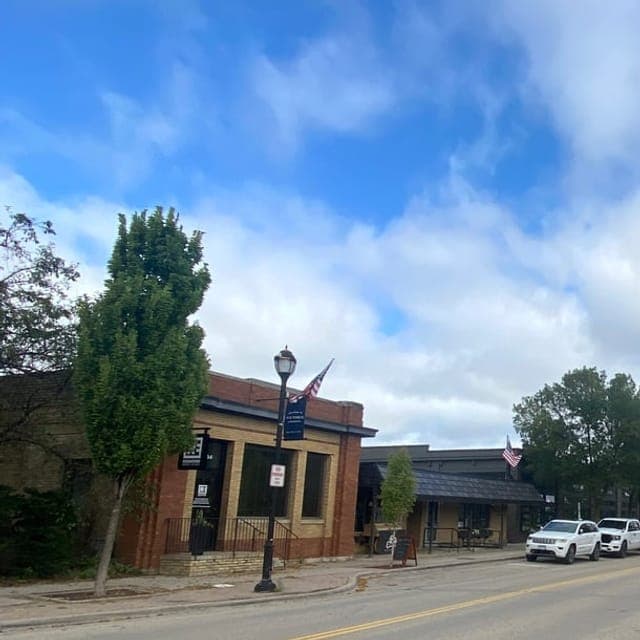
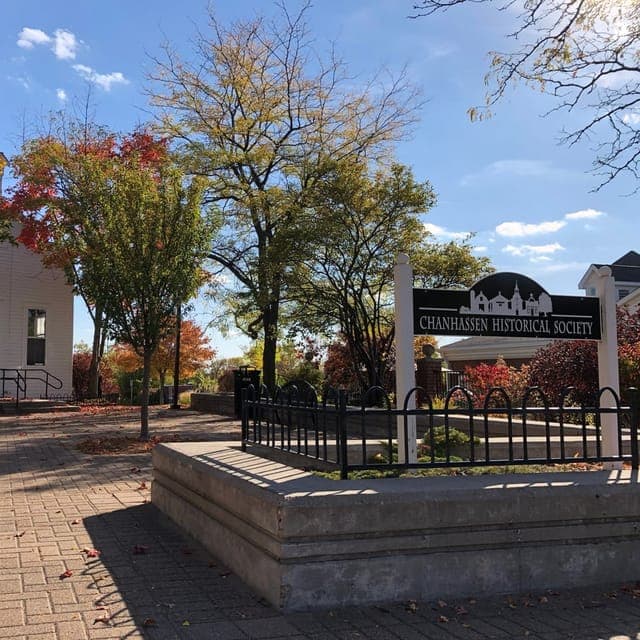
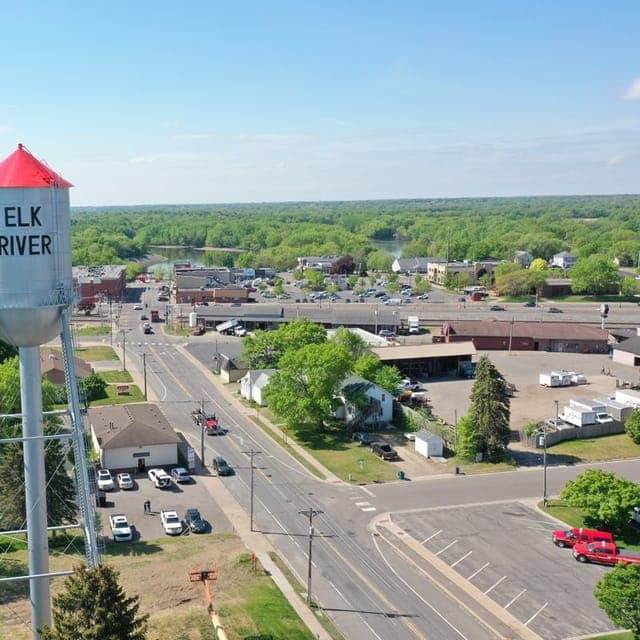
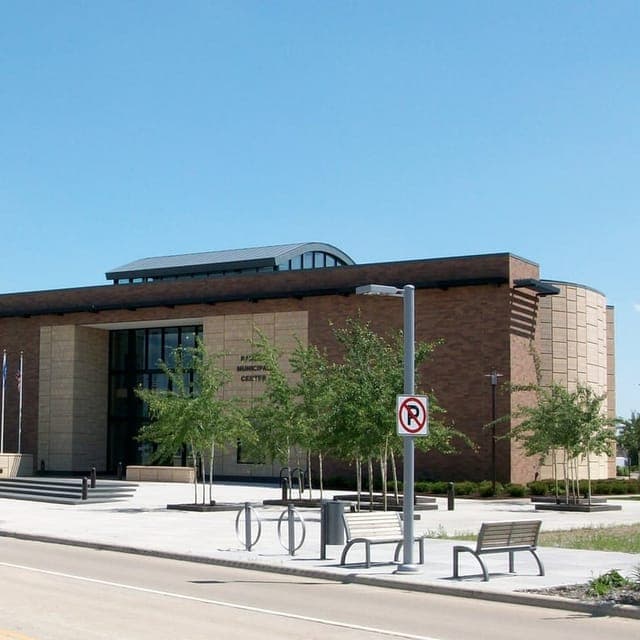
Most Conservative Cities in Minnesota
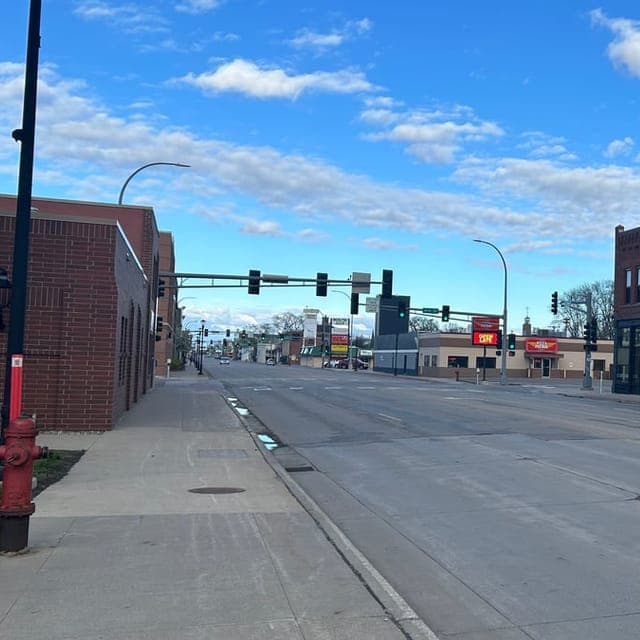
Most Liberal Cities in Minnesota
* Values derived from national, state, county, city and local statistics and may differ in a specific area. Last updated: 2026-06-06T23:11:41.000Z
Narrative content on this page is AI-generated and may contain mistakes. Verify any details that matter before acting on them.
ReloMaps may earn a commission from affiliate links at no extra cost to you.

