
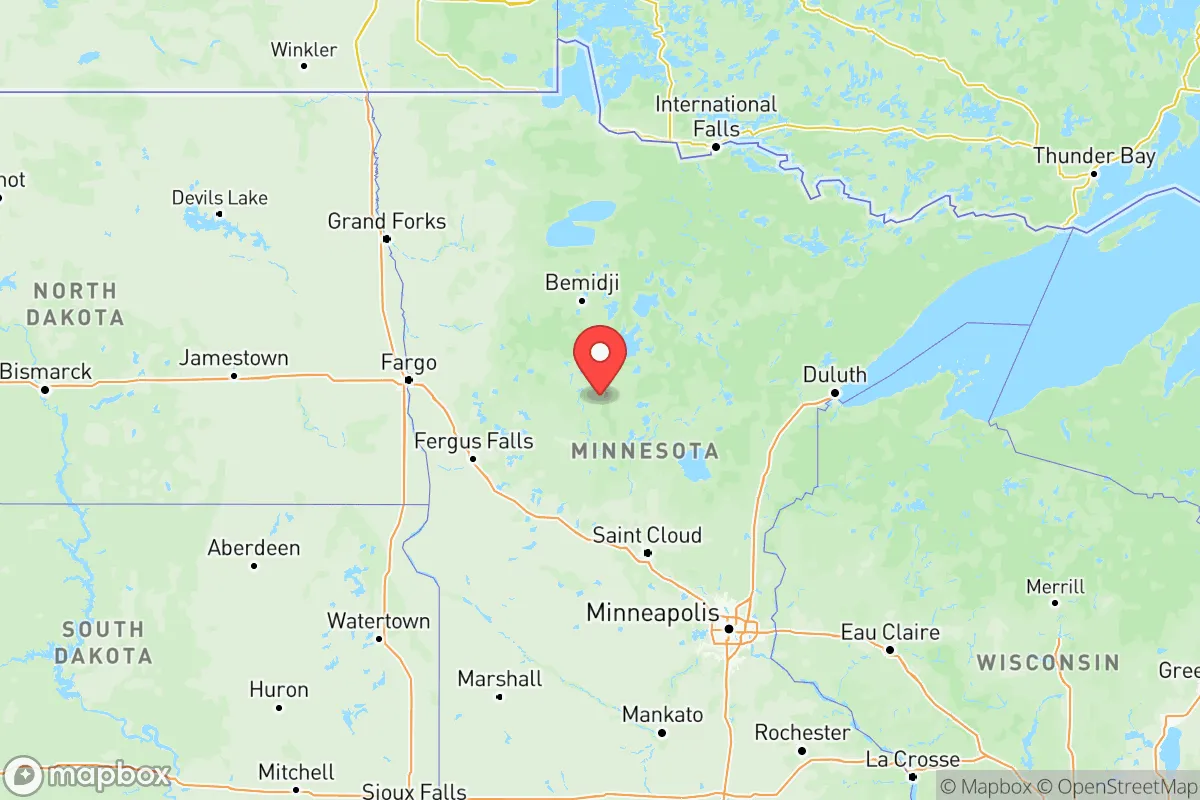
Photo: Wikipedia
Quality of Life in Minnesota
A livable area that tracks near national norms for affordability, walkability, and neighborhood health.
What does Quality of Life tell us?
Quality of Life measures an area by evaluating factors like cost of living, nearby amenities, country club access, airport proximity, socioeconomic signals and neighborhood character. For large states, this is a general average — quality of life can vary dramatically between metro areas, suburbs, and rural communities within the same state.
What does this tell us?
Quality of Life measures an area by evaluating factors like cost of living, nearby amenities, country club access, airport proximity, socioeconomic signals and neighborhood character. For large states, this is a general average — quality of life can vary dramatically between metro areas, suburbs, and rural communities within the same state.
Cost of Living
7% above national average
100%
The Real Cost of Living in Minnesota for 2026
| Tier | Individual | Family (4) |
|---|---|---|
| Survival | $20k | $37k |
| Comfortable | $59k | $87k |
| Luxury | $155k+ | $240k+ |
| Elite (Top 5%) | $182k+ | $283k+ |
Quality-of-Life Analysis
Minnesota offers a remarkably broad spectrum of quality-of-life options, from the dense, job-rich urban core of the Twin Cities to the remote, lake-studded wilderness of the Arrowhead region. The state's overall cost of living index sits at 107 (100 = U.S. average), with a median home value of $305,500 and median rent of $1,235, but these figures mask dramatic regional variation. A young professional seeking a high-rise condo in Minneapolis, a family looking for affordable acreage near a regional hub, and a retiree wanting a quiet cabin on a northern lake all find viable—and very different—options within Minnesota's borders.
Major metros
If you're looking for urban living, Minnesota has two primary anchors: Minneapolis and St. Paul, collectively the Twin Cities. Minneapolis is the state's economic engine, dominated by corporate headquarters (Target, U.S. Bancorp, Xcel Energy), a thriving startup scene, and a dense, walkable downtown with the nation's largest continuous skyway system. Its cultural identity leans progressive, with a strong emphasis on craft breweries, the Walker Art Center, and a robust park system. St. Paul, the state capital, offers a more laid-back, historic vibe with a strong Irish-Catholic heritage, the Minnesota State Fairgrounds, and a more affordable housing stock. The third major metro, Duluth, is a distinct outlier: a mid-sized port city on Lake Superior with a rugged, outdoorsy identity, a growing healthcare and tourism economy, and a significantly colder climate than the Twin Cities. Duluth's commute averages 23 minutes, mirroring the state average, but its housing is notably cheaper than the metro core.
Mid-size cities & college towns
Minnesota's mid-size cities and college towns offer a balance of amenities and lower costs. Rochester, home to the Mayo Clinic, is the state's third-largest city and a global medical destination; its population is highly educated, diverse, and well-paid, with a median home value well above the state average. Mankato, anchored by Minnesota State University, is a regional hub for healthcare, manufacturing, and agriculture, offering a lower cost of living and a family-friendly atmosphere. St. Cloud, on the Mississippi River, is a manufacturing and logistics center with a growing Somali-American community and a more affordable housing market. Northfield, home to Carleton and St. Olaf colleges, is a classic liberal arts college town with a charming downtown, strong schools, and a higher-than-average cost of living for its size. Winona, nestled in the Mississippi River bluffs, offers a scenic, walkable downtown, a small state university, and a slower pace of life that appeals to retirees and remote workers.
Small towns & rural areas
The spectrum of small-town and rural living in Minnesota is vast. In the northwest, Bemidji and Brainerd serve as gateways to the lakes country, with economies built on tourism, healthcare, and timber. The pace is slow, the winters are long, and the primary appeal is direct access to fishing, boating, and snowmobiling. In the southwest, towns like Luverne and Pipestone sit amid flat, agricultural prairie; these are tight-knit, conservative communities where the cost of living is among the lowest in the state, with median home values often under $200,000. The Arrowhead region (northeast Minnesota) includes tiny towns like Grand Marais and Ely, which are remote, expensive for their size due to tourism demand, and attract wilderness enthusiasts, artists, and those seeking extreme isolation. The Iron Range towns (Hibbing, Virginia, Eveleth) offer a working-class, union-heavy culture rooted in mining, with very affordable housing but limited job diversity outside the taconite industry.
Luxury vs. affordable living
For luxury living, the highest-end enclaves are concentrated in the Twin Cities suburbs and select lake regions. Wayzata, Edina, and Medina on the western metro edge feature lakefront estates, top-rated schools, and median home values exceeding $700,000. Orono and Deephaven on Lake Minnetonka are similarly exclusive. In the north, Lake Minnewashta and Gull Lake areas near Brainerd attract second-home buyers with multi-million-dollar cabins. On the affordable end, Fergus Falls and Alexandria in west-central Minnesota offer median home values around $250,000 with good schools and lake access. International Falls, the state's coldest city, has median home values under $150,000. In the metro, Brooklyn Center and Fridley offer median home values near $275,000, significantly below the metro average, while Moorhead, across the Red River from Fargo, provides a low-cost, stable economy with a median home value around $240,000.
The practical reality is that Minnesota's quality-of-life spectrum is defined by trade-offs between climate, cost, and opportunity. The Twin Cities metro offers the highest salaries and most cultural amenities but demands a premium on housing and a longer average commute. Mid-size cities like Rochester and Mankato provide strong job markets in healthcare and education with lower housing costs. Small towns and rural areas offer the lowest cost of living and greatest access to nature, but often at the expense of job diversity and winter isolation. The state's cost-of-living spread is wide: a lakefront home in Wayzata can cost ten times more than a similar-sized house in International Falls, while the median rent of $1,235 in the Twin Cities drops to under $800 in many rural counties. Ultimately, the right choice depends on whether a person prioritizes career density, school quality, outdoor recreation, or the lowest possible monthly expenses.

Crime in Minnesota
Generally safer than 62% of comparable U.S. locations.
Violent CrimeViolent Crime Analysis
Property CrimeProperty Crime Analysis
Crime Analysis
Minnesota’s overall safety picture is mixed, with a violent crime rate of 224.7 per 100,000 residents and a property crime rate of 1,423.2 per 100,000, according to the most recent statewide data. While the state’s violent crime rate sits below the national average, property crime is notably higher, driven largely by theft and motor vehicle theft in the Twin Cities metro area. Residents in smaller communities like Rochester and Duluth generally report lower crime exposure, while parts of Minneapolis and St. Paul face elevated risks, particularly in neighborhoods near downtown corridors.
Crime in context
Minnesota’s violent crime rate of 224.7 per 100,000 is roughly 20% lower than the U.S. average of about 380 per 100,000, placing it among the safer states for violent offenses. However, the property crime rate of 1,423.2 per 100,000 exceeds the national figure of approximately 1,954 per 100,000, meaning Minnesota is actually below the national property crime average—though theft and burglary remain persistent issues. Minneapolis alone accounts for a disproportionate share of statewide crime, with violent incidents concentrated in the 3rd and 4th precincts, while suburban cities like Edina and Woodbury report rates 60-70% lower. The state’s overall figures are pulled upward by the metro core; remove Minneapolis and St. Paul, and Minnesota’s violent crime rate drops to roughly 150 per 100,000.
What residents experience
Daily life for most Minnesotans involves low exposure to violent crime, but property crime is a common frustration. Carjackings and catalytic converter thefts have spiked in the Twin Cities since 2020, with Minneapolis reporting over 600 carjackings in 2023 alone. Progressive district attorneys in Hennepin and Ramsey counties have drawn criticism for policies that prioritize diversion and reduced sentencing, which some residents argue embolden repeat offenders. In contrast, counties like Olmsted (Rochester) and Dakota (Burnsville) maintain more traditional prosecution approaches, and their crime rates reflect that—Rochester’s violent crime rate sits around 180 per 100,000. Residents in St. Cloud and Mankato report moderate property crime but very low violent crime, making them attractive alternatives for families seeking safety without leaving the state.
Neighborhood-level variation
Crime in Minnesota varies dramatically by neighborhood, even within the same city. In Minneapolis, the Uptown and Dinkytown areas see higher rates of theft and assault due to nightlife density, while the Linden Hills and Fulton neighborhoods rank among the safest in the city. St. Paul’s Highland Park and Macalester-Groveland areas have violent crime rates below 100 per 100,000, while the Frogtown and Payne-Phalen neighborhoods exceed 400 per 100,000. Suburban cities like Maple Grove, Lakeville, and Prior Lake consistently report violent crime rates under 100 per 100,000, making them some of the safest communities in the state. For those considering relocation, focusing on school district boundaries and police precinct data is more useful than citywide averages, as a single municipality can contain both high-risk and very safe blocks.
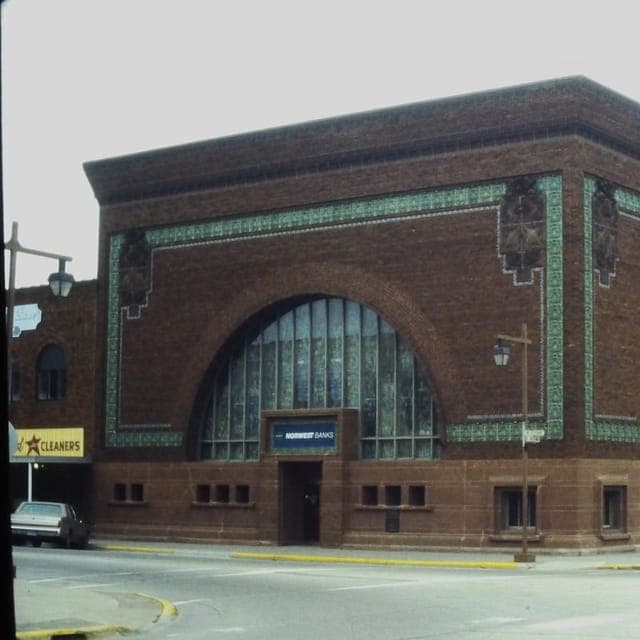
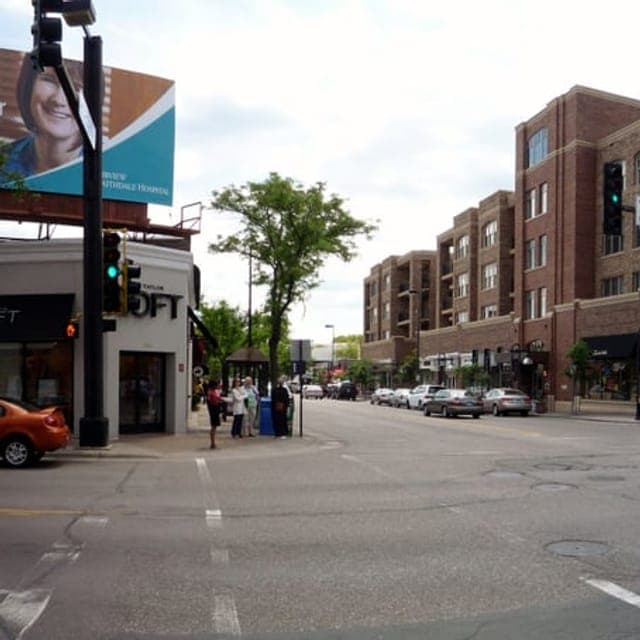
Top Cities for Quality of Life in Minnesota

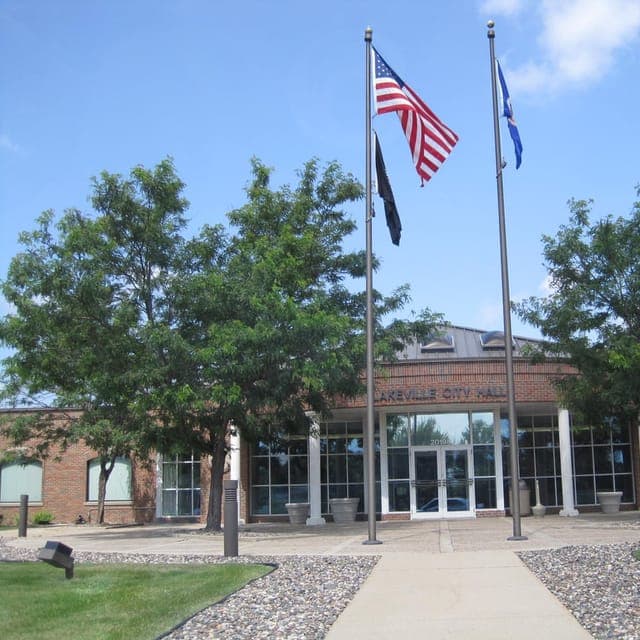
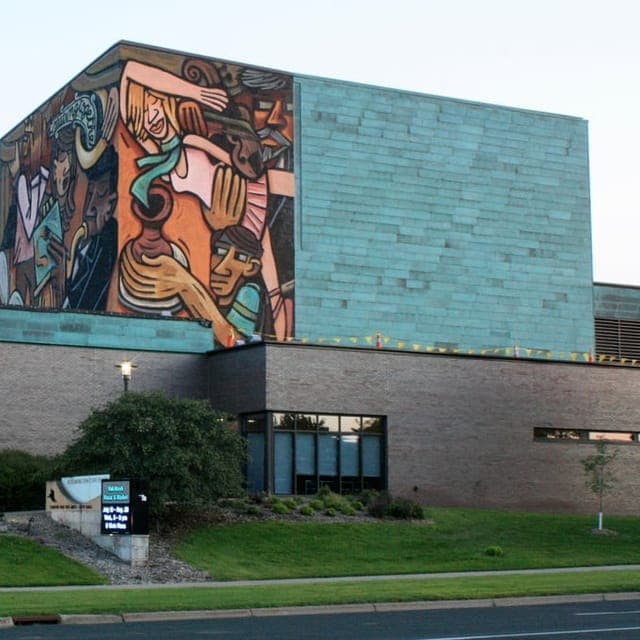
* Values derived from national, state, county, city and local statistics and may differ in a specific area. Last updated: 2026-06-06T23:11:41.000Z
Narrative content on this page is AI-generated and may contain mistakes. Verify any details that matter before acting on them.
ReloMaps may earn a commission from affiliate links at no extra cost to you.

