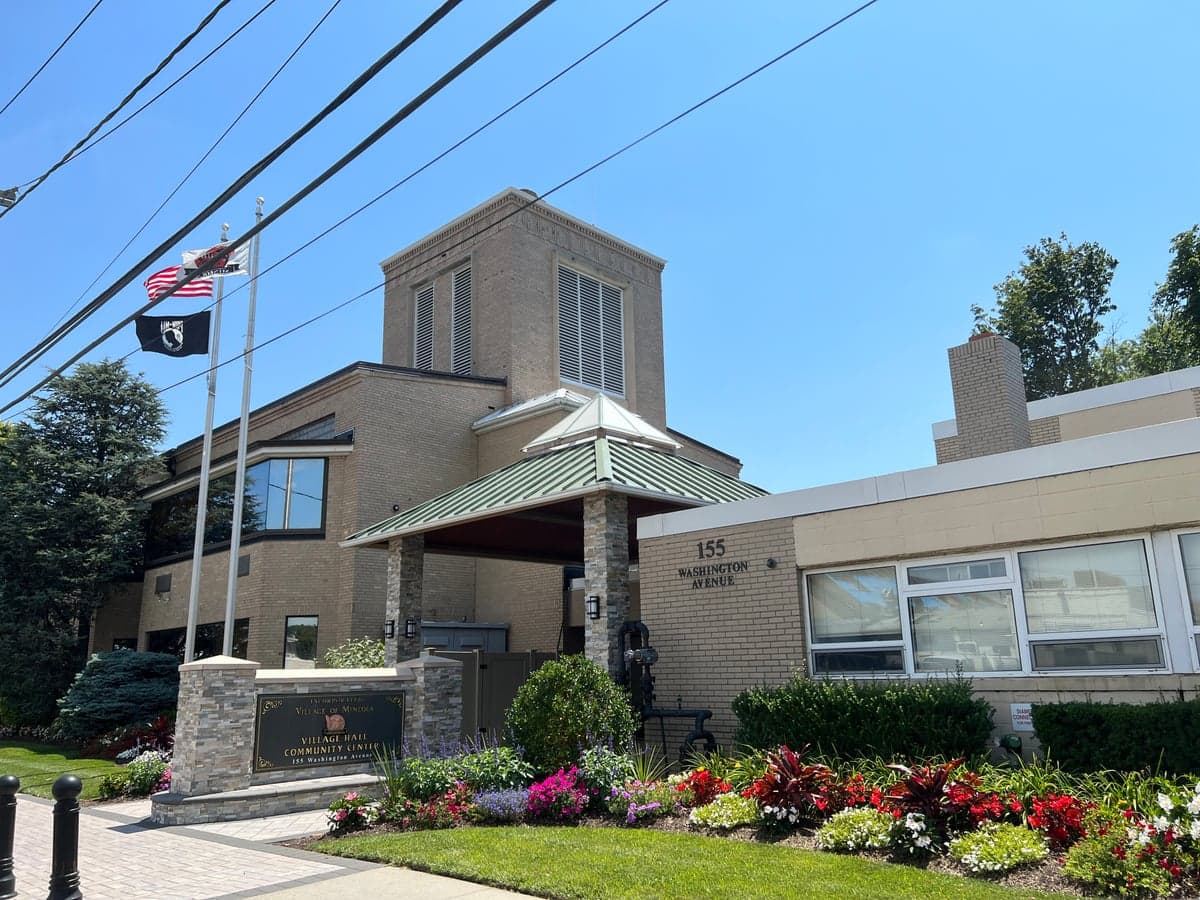
Photo: Wikipedia
Quality of Life in Mineola, NY
A high quality of life with strong walkability, manageable living costs, healthy neighborhood signals, and solid amenity access.
What does Quality of Life tell us?
Quality of Life blends cost of living, nearby amenities, socioeconomic signals, and neighborhood character. City-level scores represent the whole municipality; individual neighborhoods can differ.
What does this tell us?
Quality of Life blends cost of living, nearby amenities, socioeconomic signals, and neighborhood character. City-level scores represent the whole municipality; individual neighborhoods can differ.
Cost of Living
106% above national average
The Real Cost of Living in Mineola, NY for 2026
| Tier | Individual | Family (4) |
|---|---|---|
| Survival | $36k | $68k |
| Comfortable | $121k | $178k |
| Luxury | $195k+ | $303k+ |
| Elite (Top 5%) | $230k+ | $356k+ |
78%
The Area Signal
A metric tracking the socioeconomic signals of the area.
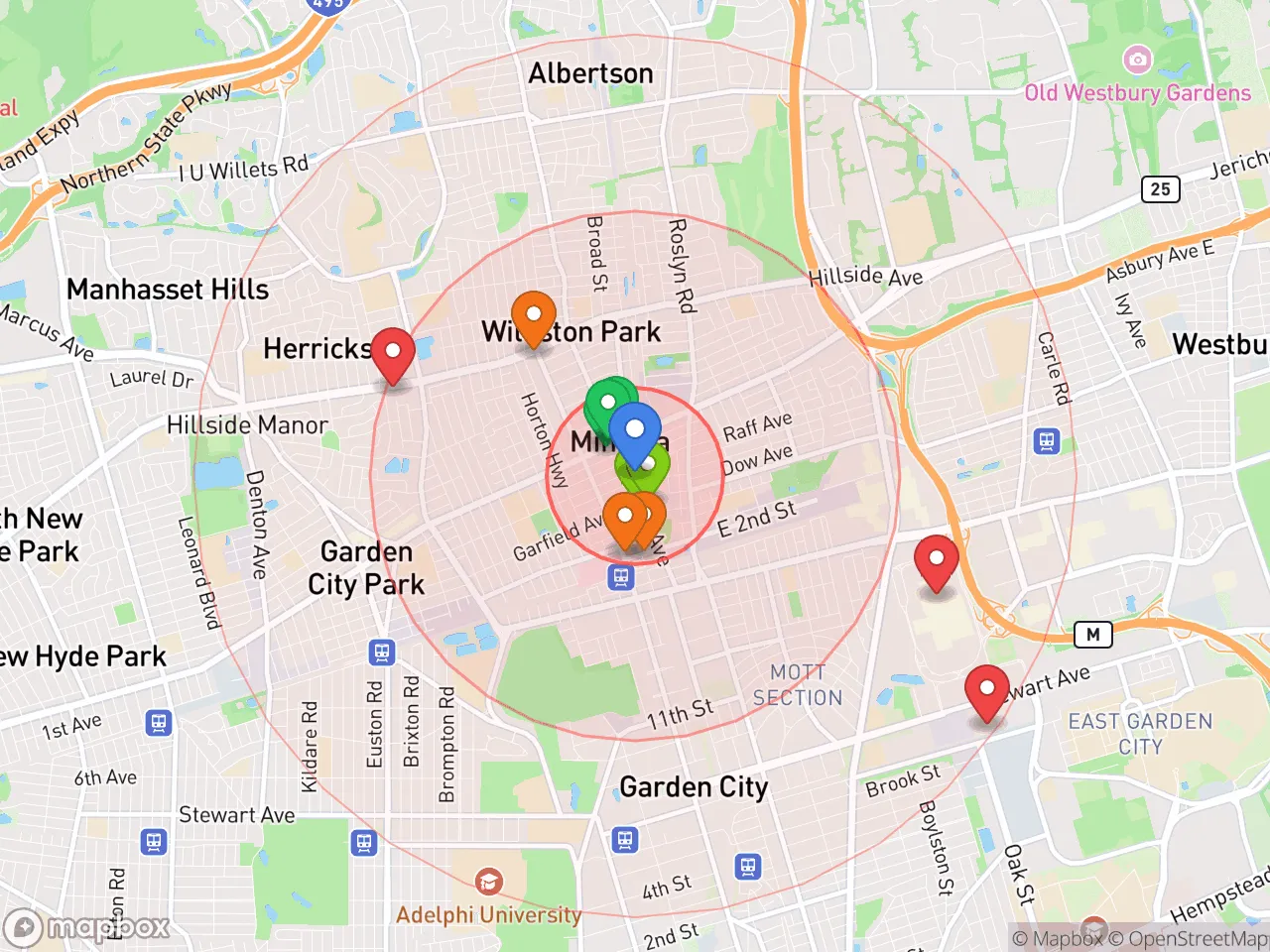
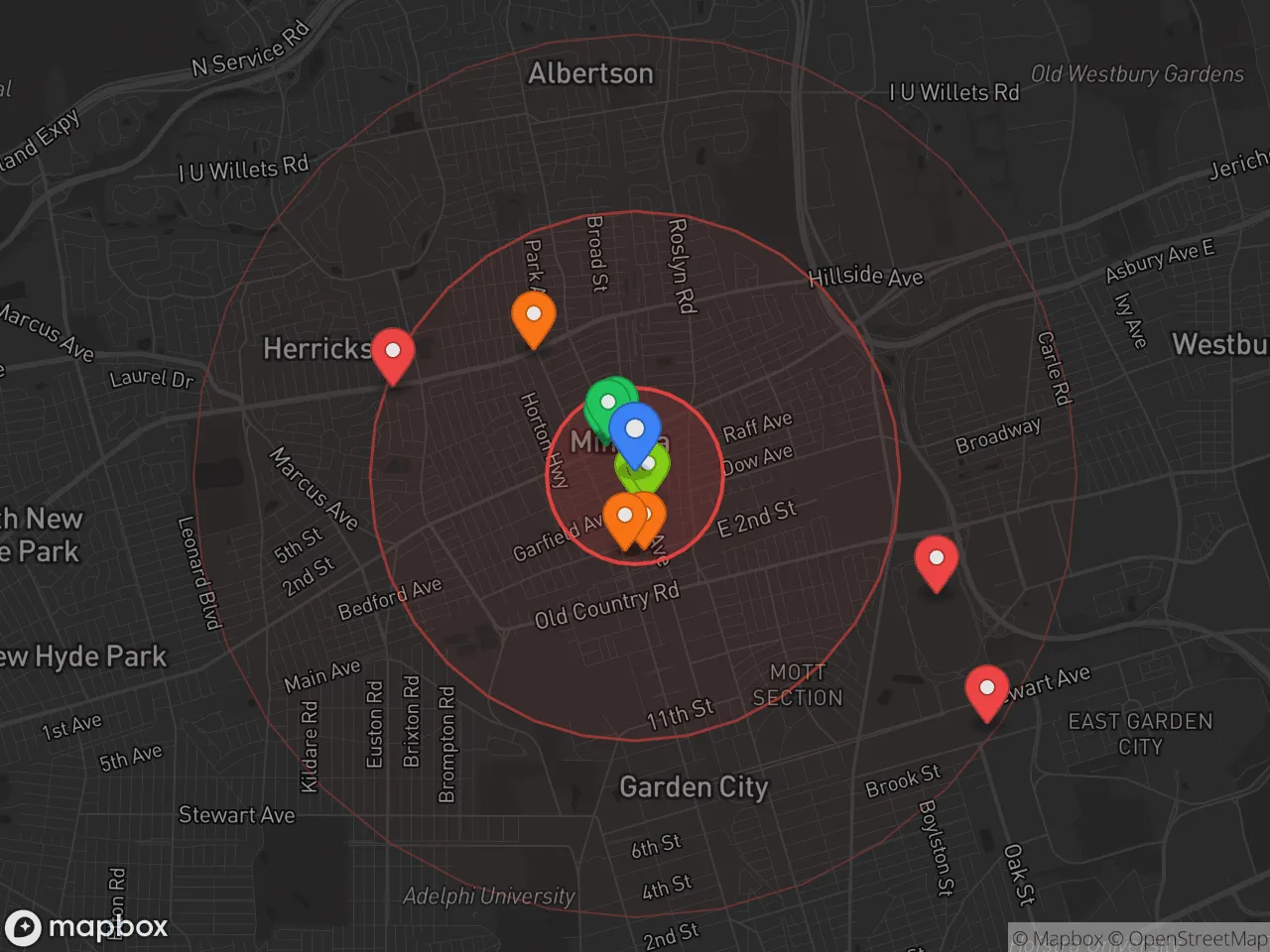
Hobbies
Explore the areaGroceries
10 within 10 miles
Gas
20 within 10 miles
Hospital
20 within 20 miles
Airport
JFK — John F. Kennedy International
Post Office
USPS — Mineola, NY
Critical Amenities
Quality-of-Life Analysis
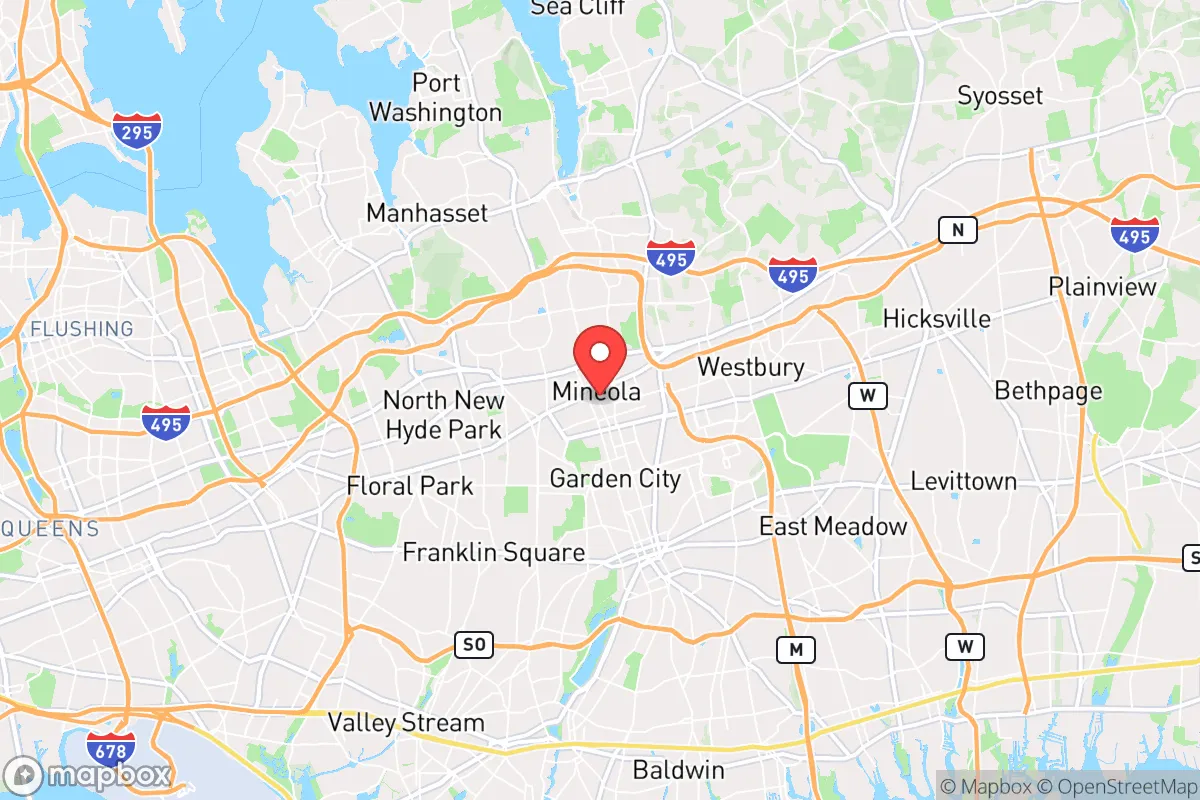
Mineola, New York, is a high-cost, high-amenity village in central Nassau County, Long Island, where the cost of living index sits at 206—more than double the national average. This affluent suburb attracts a mix of young professionals, established families, and long-term residents who prioritize short commutes to New York City, top-rated public schools, and a walkable downtown over lower housing costs. With a median home value of $624,300 and median rent of $2,269, Mineola offers a more attainable entry point into Nassau County compared to pricier neighbors like Garden City or Manhasset, while still delivering the suburban amenities and transit access that define the region’s quality of life.
Cost of living, housing prices, and how Mineola compares to nearby suburbs
Mineola’s cost of living index of 206 is driven primarily by housing, which is roughly 120% above the national average. The median home value of $624,300 is significantly lower than in adjacent Garden City (where the median exceeds $900,000) or Manhasset (often above $1.2 million), making Mineola a relative value for buyers seeking Nassau County’s school districts and commuter rail access. Renters face a median of $2,269 per month, which is competitive for the area—comparable to Carle Place and slightly below Hicksville. Property taxes in Mineola are high, as is typical for Long Island, averaging around $12,000–$14,000 annually for a single-family home, though the village’s lower home prices partially offset this burden. For context, a household earning the Nassau County median income of roughly $120,000 would spend about 30% of gross income on a mortgage at current rates, a ratio that is tight but feasible for dual-income professionals.
What daily life is like for families: schools, amenities, and commute
Daily life in Mineola centers on its walkable downtown, which features a mix of local restaurants, coffee shops, and the Mineola Public Library, as well as easy access to the Mineola LIRR station—the busiest on the Nassau branch, with frequent trains to Penn Station in about 35 minutes. The average commute time of 32.4 minutes reflects the village’s proximity to both Manhattan and major employment hubs like the Nassau University Medical Center and the county courthouse complex. Families are drawn to the Mineola Union Free School District, which consistently earns an A rating from Niche and includes Mineola High School, known for its strong Advanced Placement program and a graduation rate above 95%. The village also offers multiple parks, including the 20-acre Wilson Park with sports fields and a playground, and is a short drive to the Roosevelt Field Mall and Eisenhower Park. The rhythm is distinctly suburban: children walk to school, parents commute by train, and weekends are spent at local farmers’ markets or youth sports leagues.
Mineola is best suited for professionals and families who value a short, reliable commute to New York City and access to top-tier public schools, but who cannot afford the premium prices of neighboring Garden City or Manhasset. The village’s walkable core and transit-oriented development make it particularly attractive for households that want to reduce car dependency without sacrificing suburban space. Retirees and empty-nesters also find Mineola appealing due to its proximity to medical facilities and the Mineola LIRR station. However, the high cost of living and property taxes mean that single-income households or those with lower earnings may struggle to find affordable housing. For those who can manage the financial threshold, Mineola delivers a balanced, high-quality suburban lifestyle with urban connectivity.

Crime in Mineola, NY
Crime rates similar to the national median for U.S. locations.
Violent CrimeViolent Crime Analysis
Property CrimeProperty Crime Analysis
Crime Analysis
Mineola, New York, presents a mixed safety profile for potential residents. While its violent crime rate of 363.5 per 100,000 residents is notably lower than the national average, the property crime rate of 1,547.4 per 100,000 is a significant concern, particularly given its location within the broader New York City metro area. The village's safety is heavily influenced by its proximity to a large, progressive jurisdiction where district attorneys and judges often prioritize rehabilitation over incarceration, a philosophy that can lead to more offenders remaining on the street and negatively impact public safety and victim justice.
Crime in context
When compared to national figures, Mineola's violent crime rate is approximately 2% lower than the U.S. average of roughly 380 per 100,000, making it a relatively safer environment for serious offenses like assault and robbery. However, the property crime rate is about 15% higher than the national average of roughly 1,342 per 100,000. This disparity is critical for homebuyers and renters to consider. The elevated property crime is consistent with trends seen in many suburbs of large, liberal-leaning metro areas, where progressive criminal justice policies—such as bail reform and reduced prosecution for theft—can embolden repeat offenders and create a revolving-door effect for property criminals.
What residents experience
Daily life in Mineola involves a heightened awareness of property-related risks. Residents commonly report package thefts from doorsteps, vehicle break-ins, and occasional burglaries, particularly in areas near the Long Island Rail Road station and commercial corridors. Violent crime is less frequent but does occur, often tied to disputes or incidents in the downtown bar district. The village's police department is proactive, but its efforts are sometimes undermined by county-level policies that prioritize offender leniency. For example, Nassau County's district attorney has faced criticism for declining to prosecute certain low-level thefts, a direct consequence of progressive ideology that, while sympathetic to offenders, reduces accountability and increases the likelihood of repeat victimization for Mineola residents.
Neighborhood-level variation is notable. The area around Mineola High School and the quieter residential streets north of Jericho Turnpike generally see fewer incidents, while the blocks immediately surrounding the train station and the commercial hub along Willis Avenue experience higher rates of both property crime and disorder. Families and long-term residents often invest in security systems and neighborhood watch programs as a practical response to the systemic challenges posed by the region's lenient justice environment. For those considering a move, understanding that Mineola's safety is a product of both local policing and broader county-level policies is essential for making an informed decision.
* Values derived from national, state, county, city and local statistics and may differ in a specific area. Last updated: 2026-09-21T01:08:41.000Z
Narrative content on this page is AI-generated and may contain mistakes. Verify any details that matter before acting on them.
ReloMaps may earn a commission from affiliate links at no extra cost to you.

