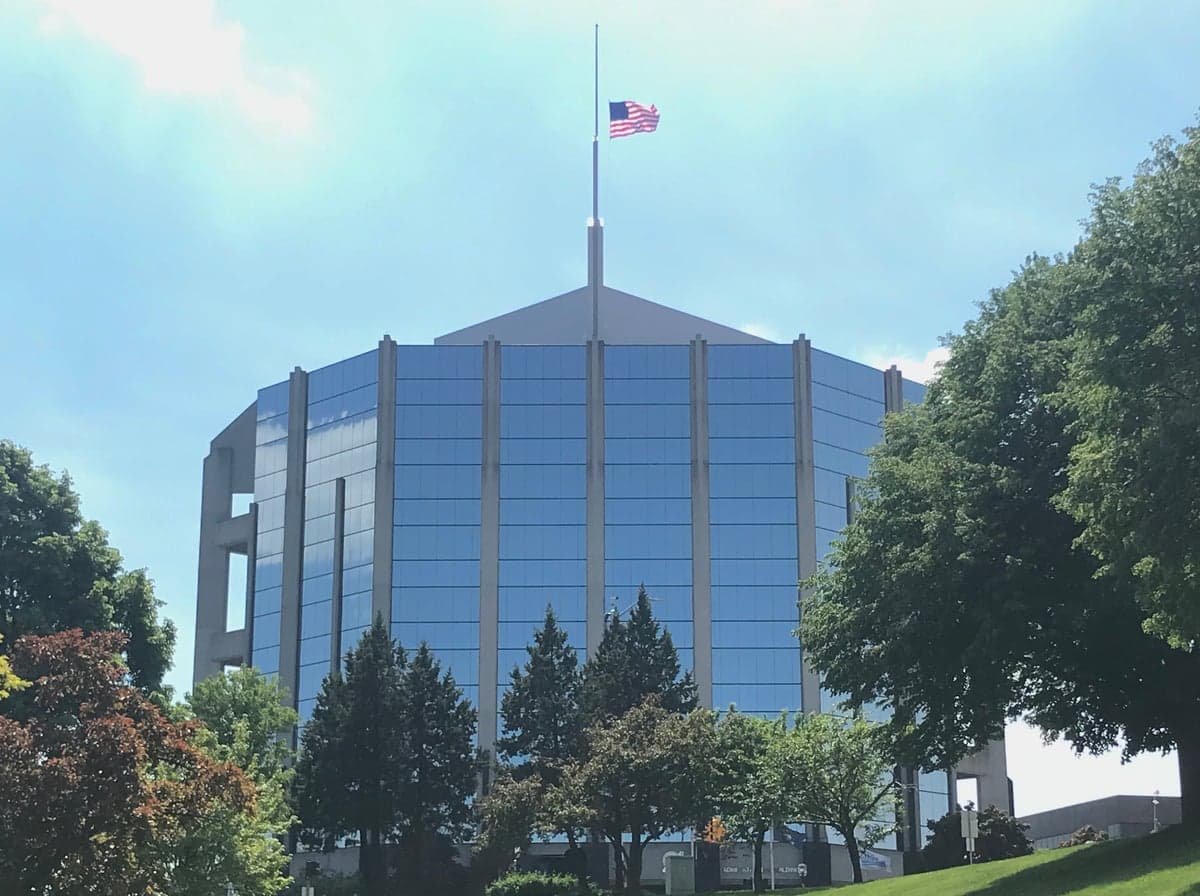
Photo: Wikipedia
Quality of Life in Macomb County
A livable area that tracks near national norms for affordability, walkability, and neighborhood health.
What does Quality of Life tell us?
Quality of Life measures an area by evaluating factors like cost of living, nearby amenities, country club access, airport proximity, socioeconomic signals and neighborhood character. For large states, this is a general average — quality of life can vary dramatically between metro areas, suburbs, and rural communities within the same state.
What does this tell us?
Quality of Life measures an area by evaluating factors like cost of living, nearby amenities, country club access, airport proximity, socioeconomic signals and neighborhood character. For large states, this is a general average — quality of life can vary dramatically between metro areas, suburbs, and rural communities within the same state.
Cost of Living
7% below national average
116%
The Real Cost of Living in Macomb County for 2026
| Tier | Individual | Family (4) |
|---|---|---|
| Survival | $19k | $35k |
| Comfortable | $45k | $66k |
| Luxury | $123k+ | $191k+ |
| Elite (Top 5%) | $145k+ | $224k+ |
Quality-of-Life Analysis
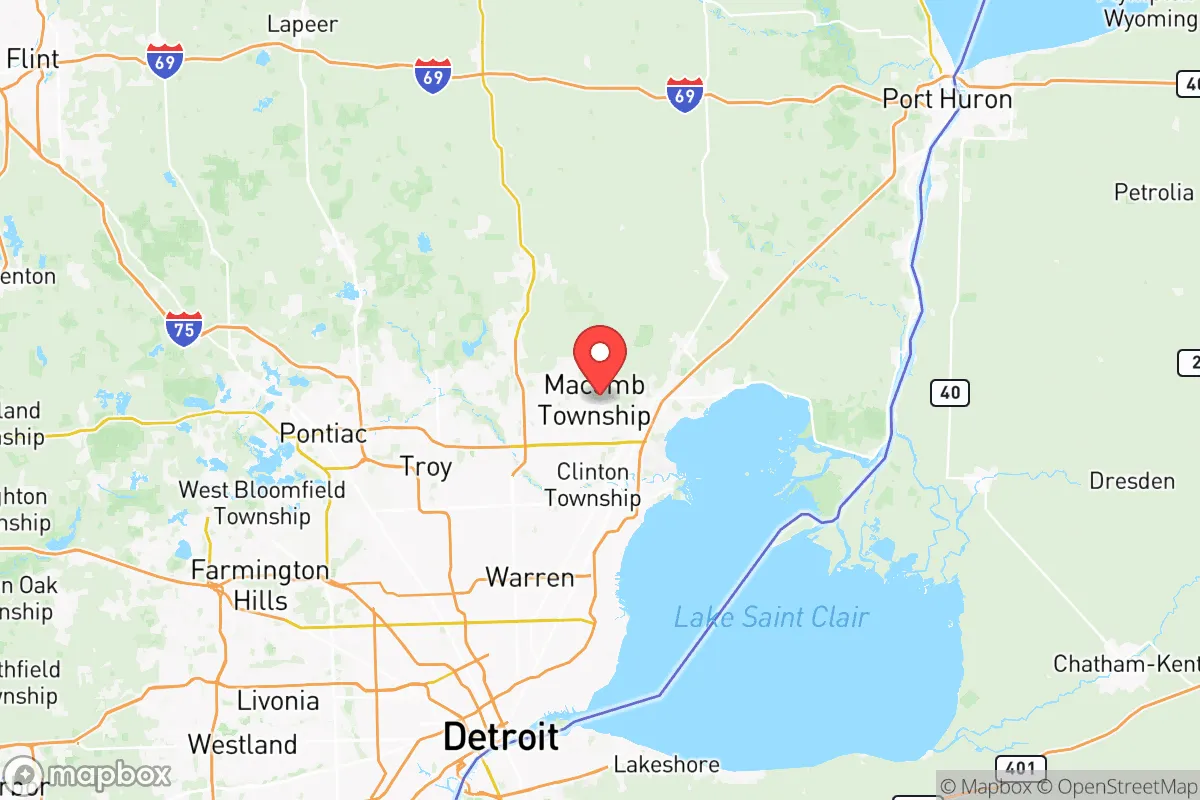
Macomb County offers a broad spectrum of living environments, from dense, urban-style suburbs in the south to sprawling rural townships in the north, attracting everyone from Detroit-commuting professionals to hobby farmers and lakefront retirees. The county's character shifts noticeably as you travel north of Hall Road (M-59), with the southern half dominated by established, grid-pattern suburbs and the northern half defined by open space, chain lakes, and agricultural land. With a cost of living index of 93 (7% below the national average), a median home value of $231,400, and a median rent of $1,175, the county provides a more affordable entry point to the Detroit metro area than neighboring Oakland County.
Largest town(s) & population centers
The county's largest population centers are the cities of Warren (pop. ~134,000), Sterling Heights (pop. ~134,000), and Clinton Township (pop. ~100,000). Daily life in these southern communities is defined by dense residential neighborhoods, major retail corridors along Van Dyke Avenue and M-59, and a heavy concentration of manufacturing and logistics jobs. Warren is home to the massive General Motors Technical Center and a significant defense industry presence, while Sterling Heights boasts major employers like Fiat Chrysler and the U.S. Army's Detroit Arsenal. These cities offer a classic suburban experience with extensive parks systems, community centers, and a diverse dining scene reflecting large Polish, Italian, and Chaldean populations. The average commute across the county is 26.8 minutes, though residents of these southern hubs often face shorter drives to jobs within Macomb or a 30-40 minute commute to downtown Detroit. Housing stock here is dominated by post-war ranches and colonials, with many homes priced between $150,000 and $250,000, making them accessible for first-time buyers.
Smaller towns & rural pockets
North of M-59, the county transitions into a series of smaller communities and genuinely rural townships. Mount Clemens, the county seat, is a historic riverfront city with a walkable downtown, the Macomb County Courthouse, and a growing arts scene centered around the Anton Art Center. Further north, Romeo retains a small-town character with its brick-paved main street and annual Romeo Peach Festival. The rural character is most pronounced in Armada Township, Richmond Township, and Lenox Township, where you'll find working farms, equestrian properties, and homes on 5- to 10-acre lots. New Baltimore and Anchor Bay communities along Lake St. Clair offer a distinct waterfront lifestyle, with marinas, seasonal tourism, and higher property values near the water. These northern areas lack the retail density of the south, requiring residents to drive 15-25 minutes to reach major grocery stores or big-box shopping, but they offer significantly more privacy and open space.
Cost & lifestyle range
The cost spread across Macomb County is substantial, driven primarily by location and housing type. At the most affordable end, Eastpointe and Roseville in the south offer median home values around $140,000-$170,000 and rent closer to $950, with older, smaller homes and a more urban feel. At the upper end, Washington Township and Macomb Township (northern sections) feature newer subdivisions, larger lots, and median home values exceeding $350,000-$400,000, with some lakefront properties in Harrison Township and Chesterfield Township reaching $600,000+. Amenities vary accordingly: southern cities have dense networks of fast-food, strip malls, and community parks, while northern townships offer larger regional parks like Stony Creek Metropark, golf courses, and horse trails. Property taxes in Macomb County average around 2.5% of assessed value, slightly higher than Oakland County but lower than Wayne County, and residents pay a 1% county-wide income tax for road and transit improvements.
Macomb County best suits those seeking a balance of affordability, access to blue-collar and white-collar employment, and a choice between dense suburban convenience or rural space. First-time homebuyers and young families gravitate to the southern cities for their low entry prices and short commutes, while empty-nesters and equestrian enthusiasts prefer the northern townships for their acreage and lake access. The county's political character is a bellwether — historically Democratic but shifting right in recent cycles — reflecting its mix of union households, suburban professionals, and rural conservatives. For anyone priced out of Oakland County or seeking more land without leaving the Detroit metro, Macomb offers a pragmatic middle ground with genuine lifestyle variety.

Crime in Macomb County
Crime rates similar to the national median for U.S. locations.
Violent CrimeViolent Crime Analysis
Property CrimeProperty Crime Analysis
Crime Analysis
Macomb County presents a mixed safety picture for prospective residents: its violent crime rate of 414.4 per 100,000 residents sits slightly above the national average, while its property crime rate of 1,248.9 per 100,000 is notably lower than both the Michigan state average and comparable suburban counties. The county's 21 communities range dramatically in safety, from cities with crime rates rivaling Detroit to affluent suburbs with some of the lowest crime in the state. Understanding these local variations is essential for anyone considering relocation to this northeastern Detroit metro area.
Crime in context
Macomb County's violent crime rate of 414.4 per 100,000 is roughly 18% higher than the national average of approximately 380 per 100,000, but significantly lower than neighboring Wayne County's rate of over 600 per 100,000. The property crime rate of 1,248.9 per 100,000 is actually about 15% below the national average of roughly 1,450 per 100,000, making property crime a lesser concern than in many comparable metro areas. However, these countywide averages mask stark internal disparities. The progressive policies of the Macomb County Prosecutor's Office, which has emphasized diversion programs and reduced incarceration for non-violent offenses under recent administrations, have drawn criticism from law enforcement officials who argue these approaches contribute to recidivism and embolden property criminals. Residents in communities like Mount Clemens and Warren report higher rates of car theft and package theft than those in more conservative-leaning jurisdictions.
What residents experience
Daily life in Macomb County varies enormously by municipality. Sterling Heights and Shelby Township consistently report violent crime rates below 200 per 100,000, making them among the safest large suburbs in Michigan. In contrast, Mount Clemens, the county seat, experiences violent crime rates exceeding 800 per 100,000—nearly double the county average—driven largely by drug-related offenses and domestic violence. Warren, the county's largest city, sits near the county average but has seen property crime rise 12% since 2021, with auto theft a particular concern. Roseville and Eastpointe report elevated property crime rates, with Eastpointe's rate exceeding 2,000 per 100,000. The county's judicial system, operating under a progressive sentencing philosophy in the 16th Judicial Circuit, has faced criticism for releasing repeat property offenders on personal recognizance bonds, a practice that frustrates both police and residents in higher-crime areas.
Neighborhood-level variation
The safety divide within Macomb County is primarily geographic and political. Northern communities like Washington Township, Romeo, and Armada—which lean conservative and have smaller police forces with closer community ties—report violent crime rates below 100 per 100,000, rivaling the safest rural areas in the state. Southern and central cities, particularly those with higher population density and more progressive local governance, see crime rates 3-5 times higher. The Clinton Township area, while generally safe, has experienced a spike in retail theft and car break-ins near the Lakeside Mall corridor. Prospective residents should examine crime data at the precinct or neighborhood level, as even within a single city like Warren, crime rates can vary 400% between the northern and southern halves. The county's Macomb County Sheriff's Office provides online crime mapping, which is a valuable tool for identifying specific block-level safety patterns before choosing a neighborhood.
* Values derived from national, state, county, city and local statistics and may differ in a specific area. Last updated: 2026-06-16T09:31:32.000Z
Narrative content on this page is AI-generated and may contain mistakes. Verify any details that matter before acting on them.
ReloMaps may earn a commission from affiliate links at no extra cost to you.

