Photo: Wikipedia
Personal Sovereignty in Ingham County
Strong independent fundamentals that actively favor personal liberty and low regulation.
What does Personal Sovereignty tell us?
Personal Sovereignty measures your capacity for self-reliance and independence with minimal government friction. Higher scores mean fewer barriers between you and the way you want to live... but it assumes you have the space you need and good neighbors.
What does this tell us?
Personal Sovereignty measures your capacity for self-reliance and independence with minimal government friction. Higher scores mean fewer barriers between you and the way you want to live... but it assumes you have the space you need and good neighbors.
State Policy
Energy independence: Importer (20% of energy produced in-state)
Personal Liberty
Homesteading

Personal Liberty Analysis
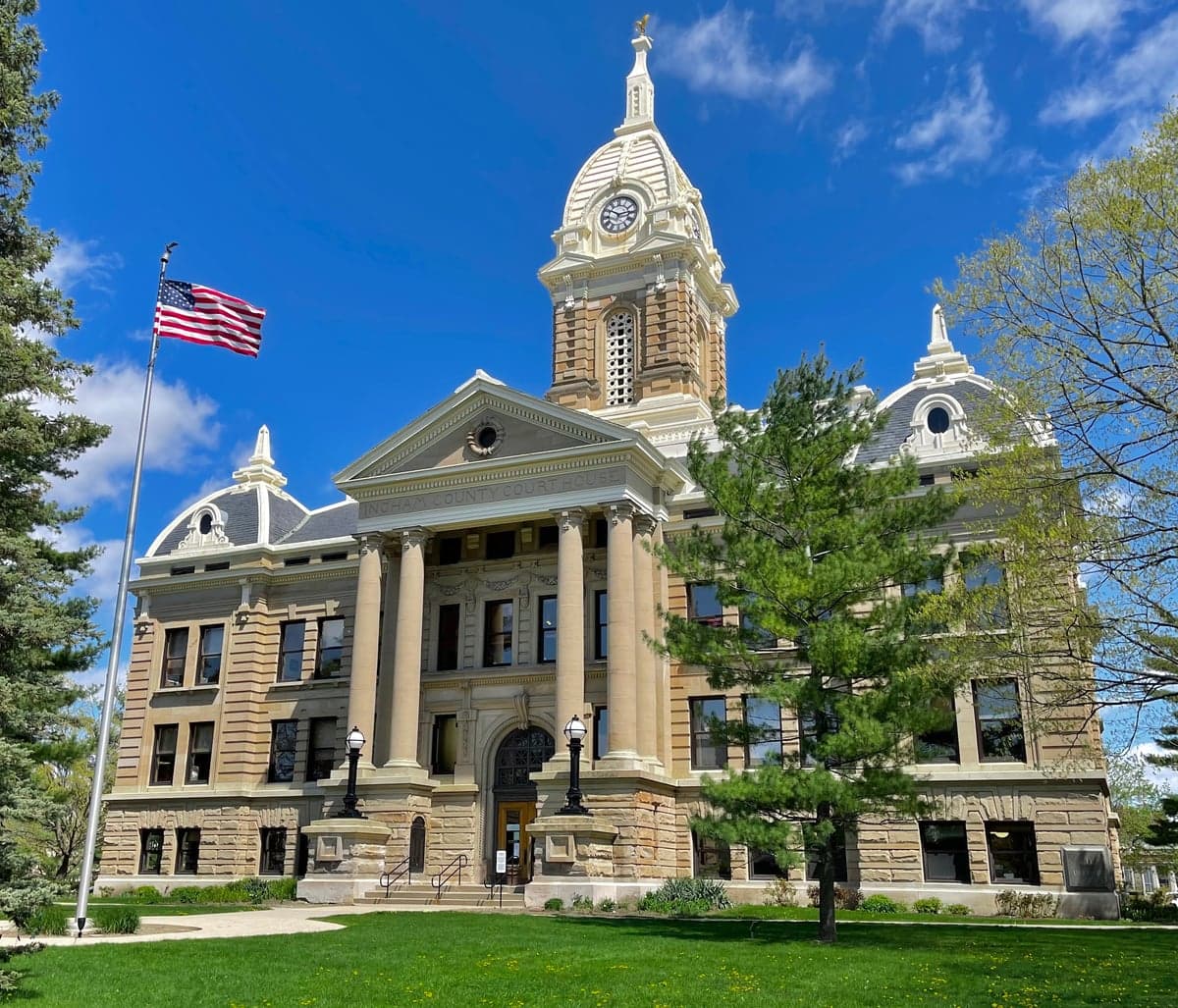
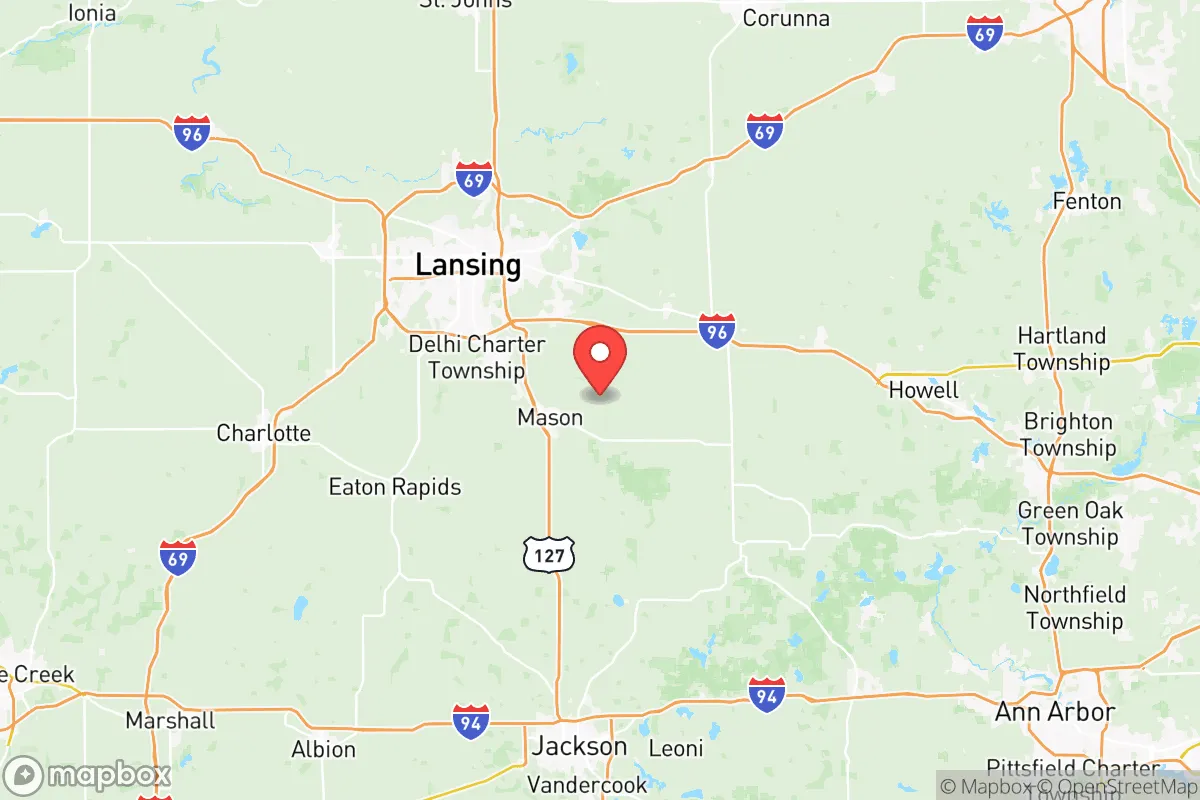
Ingham County, anchored by the state capital of Lansing and home to Michigan State University in East Lansing, presents a mixed personal sovereignty environment where state-level permissiveness on self-defense and property rights is tempered by a more progressive local regulatory posture. The county's autonomy landscape is defined by a tension between the rural and suburban townships that lean toward self-reliance and the urban centers where municipal codes and zoning ordinances impose tighter constraints. For the freedom-minded individual or family, the key is understanding where within the county the regulatory touch is lightest and where it is heaviest, as the differences between, say, Williamstown Township and the city of Lansing are substantial.
Tax burden and regulatory posture in Ingham County
Michigan's state-level tax structure is moderate compared to the national average, with a flat 4.25% personal income tax and a 6% sales tax. Property taxes in Ingham County are notable: the average effective property tax rate hovers around 1.7% of assessed value, which is above the national average of roughly 1.1%. This is driven largely by local school district and municipal millages. The county's regulatory posture is uneven. In Lansing and East Lansing, building codes are strictly enforced, and permits are required for most structural changes, including fences and sheds. In contrast, townships like Alaiedon Township and Delhi Charter Township have lighter administrative burdens for minor construction and land use changes. The county as a whole does not impose a county-level income tax, which is a plus for residents. However, the city of Lansing levies a 1% income tax on residents and 0.5% on non-residents who work within city limits, a factor that pushes some freedom-oriented residents toward the surrounding townships. Business licensing and zoning in the more rural townships, such as Ingham Township, are generally less onerous than in the urban core, making them more attractive for home-based enterprises and small-scale commercial activity.
Self-defense and gun law specifics in Ingham County
Michigan is a shall-issue state for concealed pistol licenses (CPL), and Ingham County's gun culture reflects that state-level framework. The county clerk's office processes CPL applications in compliance with state law, and there are no local ordinances that override state preemption on firearm regulation. This means that open carry is legal without a permit for anyone 18 or older who can legally possess a firearm, and concealed carry is lawful with a CPL. Stand-your-ground law applies statewide, meaning there is no duty to retreat before using deadly force in self-defense if you are in a place you have a legal right to be. The practical reality in Ingham County is that gun ownership is common in the rural and suburban townships—places like Bunker Hill Township and Leroy Township have a visible hunting and sport-shooting culture—while in Lansing and East Lansing, firearm ownership is less prevalent and social attitudes are more mixed. There are no county-specific gun registration requirements or waiting periods beyond state law. For the self-defense-minded individual, Ingham County offers a legal environment that respects the right to keep and bear arms, though the cultural atmosphere varies significantly by location within the county.
Self-reliance and homesteading viability in Ingham County
Homesteading and off-grid living are feasible in Ingham County, but viability depends heavily on which township you choose. The county's zoning ordinances in rural townships like Williamstown Township and Alaiedon Township allow for agricultural use, livestock keeping, and larger lot sizes. Minimum lot sizes in these areas typically range from 1 to 5 acres for residential agricultural parcels, which provides enough space for gardens, small orchards, and hobby livestock. In contrast, subdivisions within the city of Lansing or the village of Dansville have much smaller lots and restrictive covenants that may prohibit chickens, bees, or non-ornamental gardening. Off-grid systems such as solar panels and rainwater collection are legal under state law, but local building codes in the more urbanized areas require grid-tied electrical connections and adherence to municipal water and sewer hookups. In the rural townships, however, private wells and septic systems are standard, and solar installations are generally permitted without excessive red tape. The county does not have a blanket ban on composting toilets or alternative waste systems, but they must meet Michigan Department of Environment, Great Lakes, and Energy (EGLE) standards, which adds a layer of regulatory compliance. For those seeking maximum self-reliance, the northern and western townships of Ingham County—such as Leroy Township and Bunker Hill Township—offer the most permissive environment for independent living.
Personal liberties in Ingham County: parental rights, medical autonomy, speech, and property
Parental rights in Michigan are generally strong, with state law affirming parents' authority to direct the education and upbringing of their children. Ingham County does not have any local ordinances that infringe on these rights, though the school districts in Lansing and East Lansing tend to have more progressive curricula and policies than those in the rural townships. Homeschooling is legal and requires only a simple notification to the local school district, with no mandatory testing or curriculum approval. Medical autonomy is shaped by state-level policy: Michigan has no state-level vaccine mandate for adults, and while COVID-era mandates have expired, some healthcare systems in the county may still require masks or proof of vaccination for certain procedures. The county does not have a local health order that restricts medical choice beyond state law. Free speech is protected under the First Amendment, and Ingham County has no local ordinances that restrict public expression beyond standard time, place, and manner regulations. Property rights are generally respected, but the county's zoning and land-use regulations in the more densely populated areas can limit what owners can do with their land. In the rural townships, property rights are more robust, with fewer restrictions on land use, building placement, and home-based businesses. The key distinction for personal liberties in Ingham County is the urban-rural divide: the townships offer a lighter regulatory touch, while the cities impose more constraints on individual choice.
Overall, Ingham County offers a moderate level of personal sovereignty relative to other areas in Michigan and the Midwest. The state's shall-issue gun laws, stand-your-ground doctrine, and relatively low income tax provide a baseline of freedom that is not significantly eroded by county-level policies. However, the county's urban centers—Lansing and East Lansing—introduce higher taxes, stricter zoning, and a more collectivist cultural atmosphere that may chafe against a strong preference for individual autonomy. For the freedom-minded individual or family, the strategic choice is to locate in the rural townships—such as Williamstown, Alaiedon, or Leroy—where the regulatory burden is lighter, property taxes are lower, and the ability to live self-reliantly is greater. Compared to counties in the Upper Peninsula or northern Lower Peninsula, Ingham County is less permissive for off-grid living, but it is significantly more freedom-oriented than counties in the immediate Detroit metro area. It occupies a middle ground that can work well for those who want access to urban amenities without fully surrendering their personal sovereignty.

* Values derived from national, state, county, city and local statistics and may differ in a specific area. Last updated: 2026-06-15T19:40:47.000Z
Narrative content on this page is AI-generated and may contain mistakes. Verify any details that matter before acting on them.
ReloMaps may earn a commission from affiliate links at no extra cost to you.

