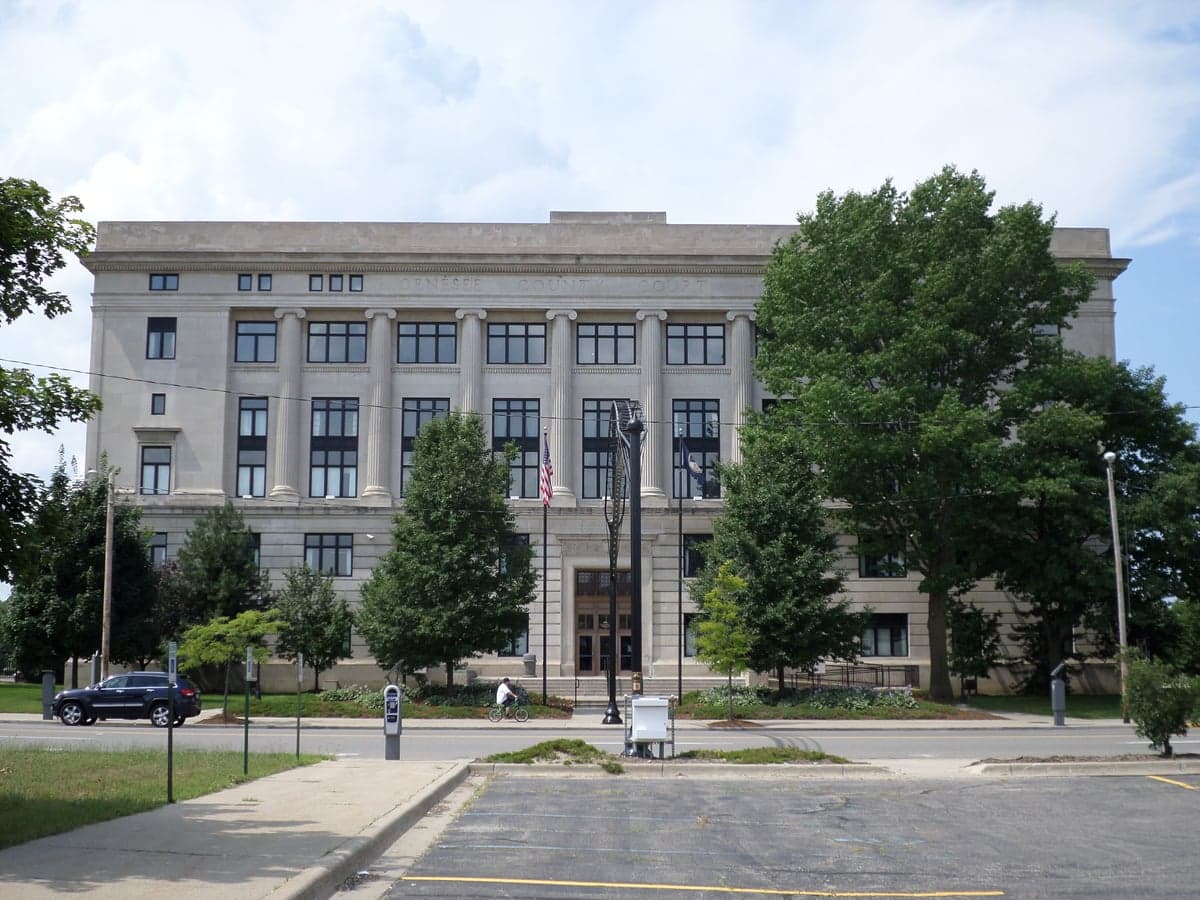
Photo: Wikipedia
Quality of Life in Genesee County
A livable area that tracks near national norms for affordability, walkability, and neighborhood health.
What does Quality of Life tell us?
Quality of Life measures an area by evaluating factors like cost of living, nearby amenities, country club access, airport proximity, socioeconomic signals and neighborhood character. For large states, this is a general average — quality of life can vary dramatically between metro areas, suburbs, and rural communities within the same state.
What does this tell us?
Quality of Life measures an area by evaluating factors like cost of living, nearby amenities, country club access, airport proximity, socioeconomic signals and neighborhood character. For large states, this is a general average — quality of life can vary dramatically between metro areas, suburbs, and rural communities within the same state.
Cost of Living
27% below national average
123%
The Real Cost of Living in Genesee County for 2026
| Tier | Individual | Family (4) |
|---|---|---|
| Survival | $15k | $28k |
| Comfortable | $34k | $49k |
| Luxury | $110k+ | $170k+ |
| Elite (Top 5%) | $133k+ | $207k+ |
Quality-of-Life Analysis
Genesee County, Michigan, offers a broad quality-of-life spectrum that ranges from the urban core of Flint to quiet rural townships, attracting a mix of young professionals seeking affordability, families looking for space, and retirees drawn to low property taxes. The county’s overall cost of living index sits at 73 (100 = U.S. average), with a median home value of $172,900 and median rent of $936, making it one of the most affordable metro areas in the state. The average commute of roughly 27 minutes reflects the spread between job centers and residential communities, with daily life varying significantly depending on whether you choose a walkable historic district or a five-acre parcel in the countryside.
Largest town(s) & population centers
Flint is the county seat and largest city, with a population near 80,000. Daily life here centers on downtown’s redeveloping cultural district—home to the Flint Institute of Arts, the Whiting Auditorium, and the Flint Farmers’ Market—alongside major employers like McLaren Flint Hospital and Kettering University. The city offers the most diverse housing stock, from historic Carriage Town Victorians to newer lofts, but also contends with higher crime rates and aging infrastructure. Grand Blanc, the second-largest population center, provides a stark contrast: a suburban city with top-rated Grand Blanc Community Schools, a walkable downtown along Perry Road, and a median home value near $250,000—well above the county average. Burton and Flint Township function as mid-density suburbs with big-box retail corridors (Miller Road, Corunna Road) and a mix of ranch homes and apartment complexes, appealing to commuters who work in Flint or Genesee County government offices.
Smaller towns & rural pockets
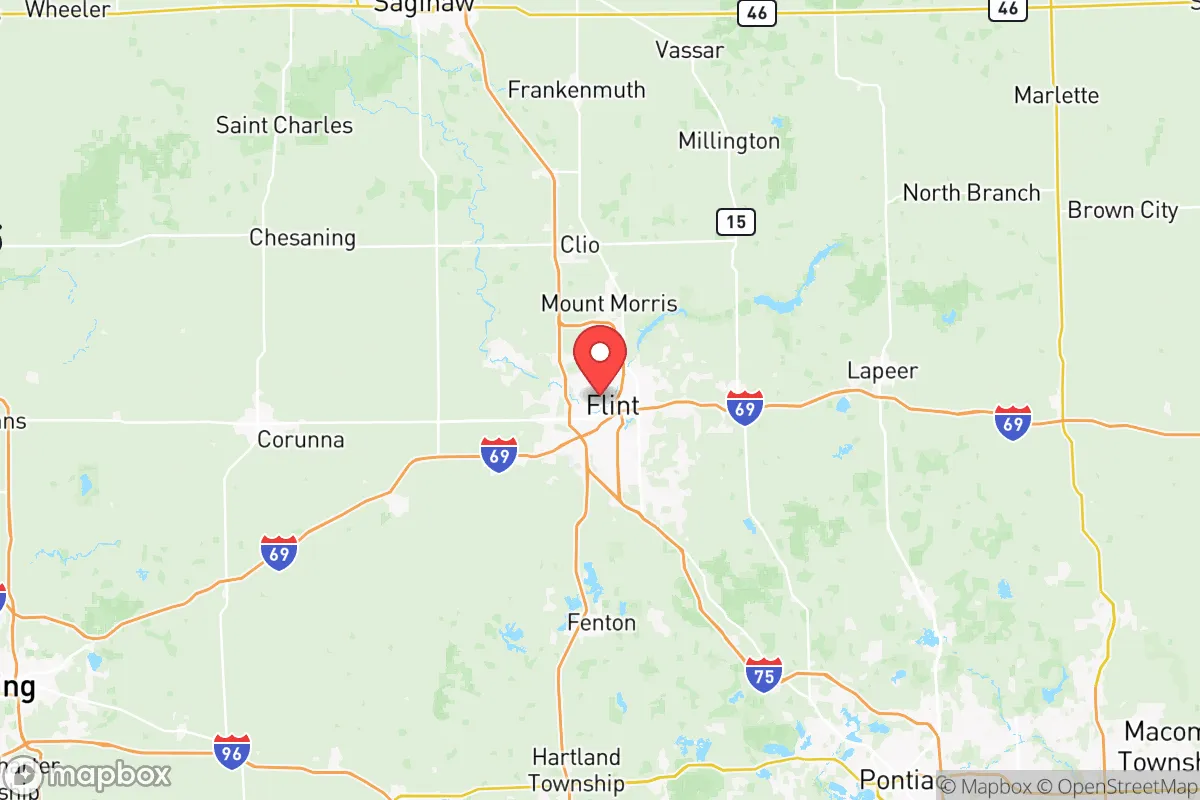
South of Flint, Fenton offers a small-town feel with a historic downtown along the Shiawassee River, a popular farmers’ market, and access to Silver Lake and Lake Ponemah for recreation. Its schools are highly rated, and home values average around $230,000. Davison, east of Flint, is a classic bedroom community with a compact downtown, strong school system, and easy access to I-69. Clio and Mount Morris are smaller villages with more modest housing—median prices often below $150,000—and a slower pace, anchored by local diners and parks. In the northern part of the county, Otisville and Millington are unincorporated communities surrounded by farmland and state game areas, where residents trade urban amenities for acreage and privacy. Gaines and Argentine Township in the southwest offer rural subdivisions and lakefront properties, with many homes sitting on one to five acres.
Cost & lifestyle range
The cost spread across Genesee County is dramatic. At the low end, Flint’s east side and parts of Beecher have median home values under $60,000 and rents below $700, but these areas face higher vacancy rates and limited retail. At the high end, Grand Blanc Township and Fenton see median home values above $300,000, with newer subdivisions, golf course communities, and direct access to expressways. Linden, a village in the southwest corner, combines small-town charm with lake access (Linden Mill Pond, Lake Fenton) and home values averaging $220,000–$280,000. Flushing, northwest of Flint, offers a walkable downtown along the Flint River, a strong school district, and median home values around $200,000—a middle ground between urban and rural. Property taxes in the county are generally low compared to neighboring Oakland County, with millage rates averaging 35–45 mills depending on the township, which keeps carrying costs manageable even for higher-priced homes.
Genesee County best suits those who value affordability and space over urban density. Young families thrive in Grand Blanc or Fenton for schools and safety; retirees find quiet and low taxes in Otisville or Gaines; and professionals working in Flint’s healthcare or education sectors can live in the city’s revitalizing core or commute from a rural township. The county’s diversity of settings—from Flint’s urban energy to the farmland of Thetford Township—means the right fit depends almost entirely on how much land, school quality, and commute time matter to the individual.

Crime in Genesee County
Crime rates similar to the national median for U.S. locations.
Violent CrimeViolent Crime Analysis
Property CrimeProperty Crime Analysis
Crime Analysis
Genesee County, Michigan, presents a mixed safety profile shaped by the stark contrast between its urban core and surrounding suburban communities. The county's overall violent crime rate of 414.4 incidents per 100,000 residents and property crime rate of 1,248.9 per 100,000 place it above both state and national averages, though these figures are heavily influenced by conditions in the city of Flint. Residents in outlying towns and townships generally experience significantly lower crime levels, making neighborhood selection the single most important factor for safety in the county.
Crime in context
Genesee County's violent crime rate of 414.4 per 100,000 is roughly 1.5 times the national average of about 270 per 100,000 and well above Michigan's statewide rate of approximately 450 per 100,000 (which itself is elevated by Detroit and Flint). The property crime rate of 1,248.9 per 100,000 also exceeds the national average of roughly 1,100 per 100,000. These numbers place Genesee County among the higher-crime counties in Michigan, though the county's figures are dragged upward almost entirely by Flint, which consistently ranks among the most dangerous cities in the state. The county's progressive judicial leadership, particularly in Flint's district courts, has been a point of concern for residents who feel that lenient sentencing and a focus on offender rehabilitation over public safety have contributed to recidivism and a sense of lawlessness in certain areas. By contrast, communities like Grand Blanc Township and Fenton report crime rates that are a fraction of the county average, often comparable to safer suburban areas in neighboring Oakland County.
What residents experience
Daily life in Genesee County varies dramatically by location. In Flint, residents contend with a high incidence of aggravated assault, armed robbery, and property crimes such as vehicle theft and burglary. The city's police department has faced staffing shortages, and the county prosecutor's office has been criticized for declining to charge certain offenses, contributing to a perception that criminals face few consequences. This environment has pushed many families to relocate to safer enclaves. In Davison and Swartz Creek, residents report a much more typical suburban experience, with occasional property crimes but very few violent incidents. Burton, a large suburb south of Flint, sits in a middle ground: its crime rates are lower than Flint's but still elevated compared to the county's safest townships. The Genesee County Sheriff's Office provides law enforcement for many of the outlying townships, and their proactive community policing model has been credited with keeping crime in check in areas like Flushing and Mundy Township.
Neighborhood-level variation is extreme. Within Flint itself, the East Side and North Side neighborhoods experience the highest concentrations of violent crime, while the College Cultural Neighborhood near the University of Michigan-Flint and the Carriage Town historic district see lower rates due to higher police presence and community investment. In the suburbs, subdivisions with homeowners associations and private security in Grand Blanc Township report near-zero violent crime, while older commercial corridors in Burton see more property theft. For anyone considering a move to Genesee County, the data strongly recommends focusing on the townships and smaller cities outside Flint's city limits, where the progressive criminal justice policies of the urban core have far less impact on daily safety.
* Values derived from national, state, county, city and local statistics and may differ in a specific area. Last updated: 2026-07-14T10:18:19.000Z
Narrative content on this page is AI-generated and may contain mistakes. Verify any details that matter before acting on them.
ReloMaps may earn a commission from affiliate links at no extra cost to you.

