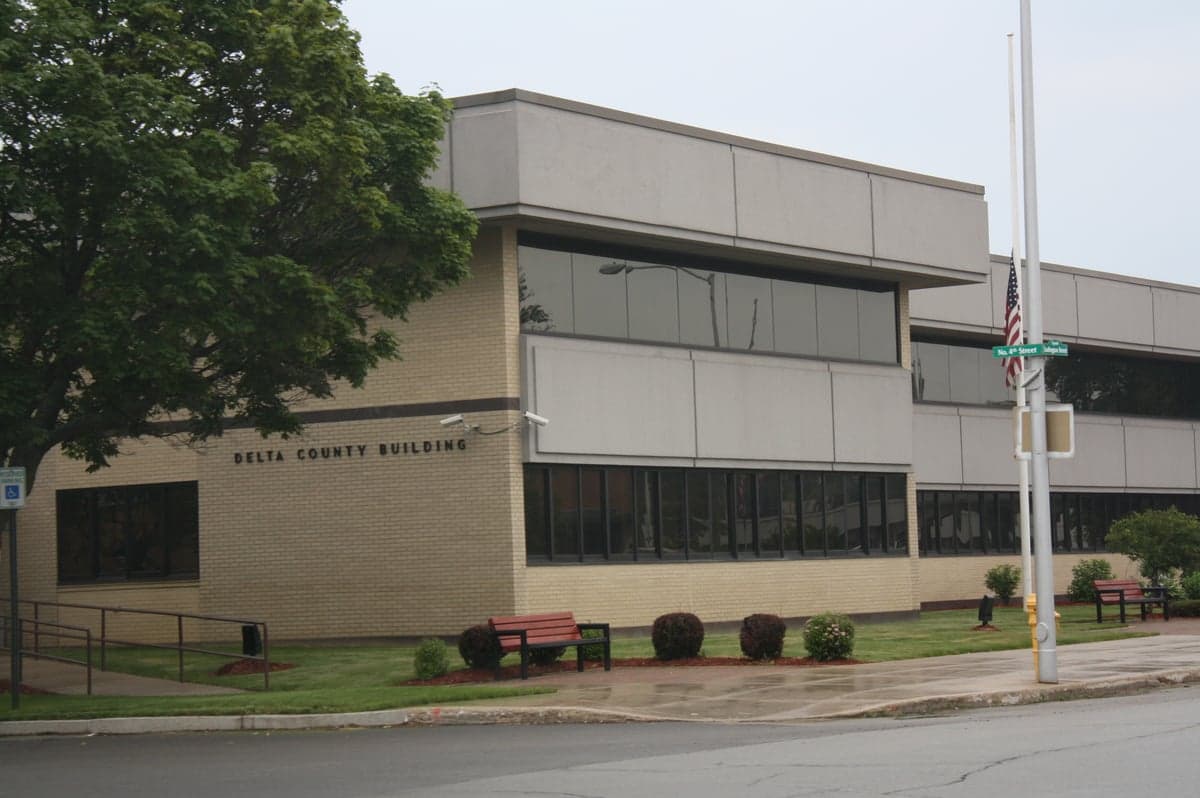
Photo: Wikipedia
Quality of Life in Delta County
A livable area that tracks near national norms for affordability, walkability, and neighborhood health.
What does Quality of Life tell us?
Quality of Life measures an area by evaluating factors like cost of living, nearby amenities, country club access, airport proximity, socioeconomic signals and neighborhood character. For large states, this is a general average — quality of life can vary dramatically between metro areas, suburbs, and rural communities within the same state.
What does this tell us?
Quality of Life measures an area by evaluating factors like cost of living, nearby amenities, country club access, airport proximity, socioeconomic signals and neighborhood character. For large states, this is a general average — quality of life can vary dramatically between metro areas, suburbs, and rural communities within the same state.
Cost of Living
43% below national average
131%
The Real Cost of Living in Delta County for 2026
| Tier | Individual | Family (4) |
|---|---|---|
| Survival | $11k | $21k |
| Comfortable | $29k | $42k |
| Luxury | $99k+ | $154k+ |
| Elite (Top 5%) | $127k+ | $197k+ |
Quality-of-Life Analysis
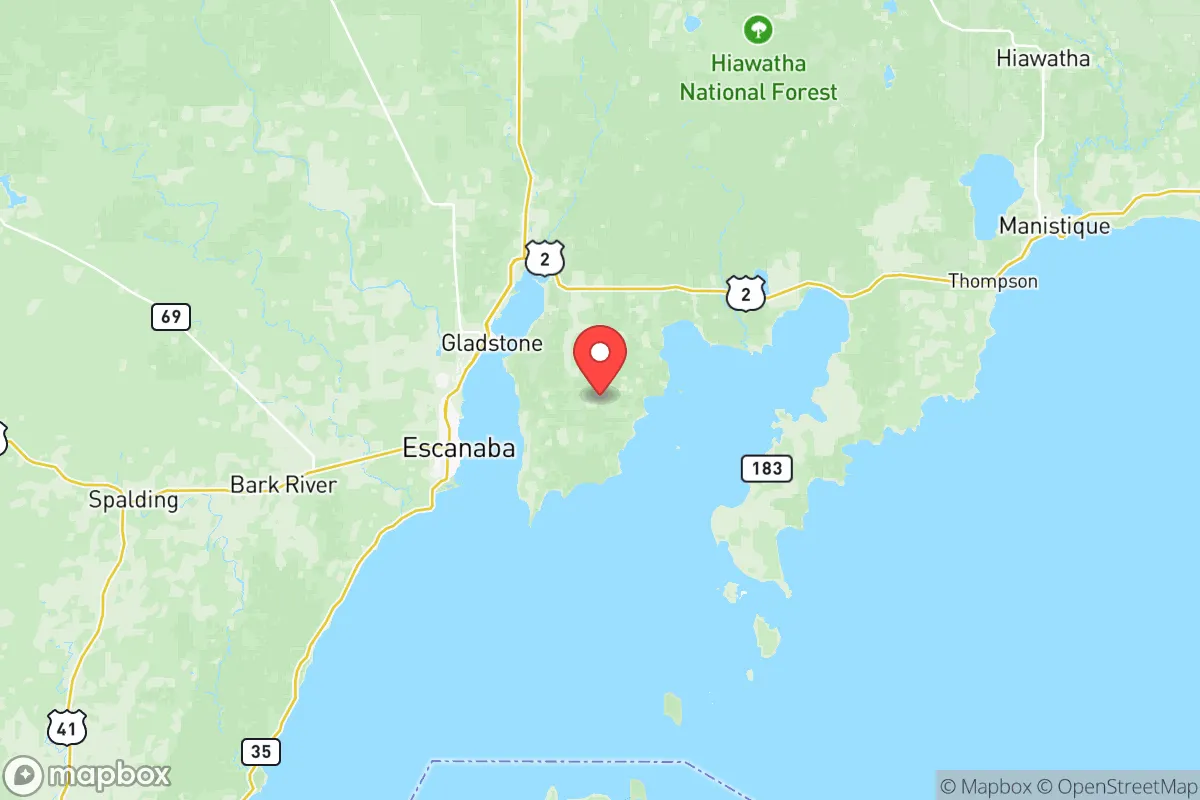
Delta County, Michigan, offers a quality-of-life spectrum that ranges from the modest urban conveniences of its county seat, Escanaba, to the deep quiet of unincorporated lakeside hamlets and working-forest homesteads. The county’s overall cost of living index sits at 57 (well below the U.S. average of 100), with a median home value of $146,800 and median rent of $698, making it one of the more affordable places in the Upper Peninsula. People are drawn here for distinct reasons: some seek the walkable downtown and Lake Michigan harbor of Escanaba, others want the seasonal recreation of smaller communities like Gladstone or Rapid River, and many are attracted to the privacy and land access of rural townships such as Nahma, Cornell, or Masonville.
Largest town(s) & population centers
Escanaba is the county’s primary population center, home to roughly 12,000 residents and the hub for retail, healthcare, and employment. Daily life here centers around the waterfront Ludington Park, the Delta County Airport, and a compact downtown with grocery stores, restaurants, and the OSF St. Francis Hospital. The average commute in the county is just 18.5 minutes, and in Escanaba many residents can walk or bike to work. The city offers a mix of historic homes, newer subdivisions, and rental apartments, with median rents near the county’s $698 figure. Gladstone, about 5 miles north, is the second-largest town (pop. ~4,800) and feels more residential, with its own small downtown, a marina on the Escanaba River, and easy access to the Days River pathway. Both towns serve as bedroom communities for workers at local employers like the Escanaba Paper Company (a division of Billerud), the Michigan Department of Corrections, and the Hannahville Indian Community’s Island Resort & Casino in nearby Harris.
Smaller towns & rural pockets
Beyond the two main towns, Delta County is dotted with smaller communities that define its rural character. Rapid River (pop. ~350) sits at the county’s northern edge along U.S. 2, offering a quiet, unincorporated village feel with a few local businesses and direct access to the Hiawatha National Forest. Bark River (pop. ~200) is a small unincorporated community centered on the Bark River and its dam, popular for trout fishing and snowmobiling. Nahma, on the shores of Big Bay de Noc, is a historic fishing and logging village that now attracts seasonal residents and kayakers; its year-round population hovers around 100. Cornell and Masonville are rural townships with no real downtowns—just scattered homes, farms, and forest tracts. These areas are where the county’s median home value of $146,800 buys the most land: a three-bedroom house on 10 acres in Cornell can often be found for under $120,000, while a comparable property in Escanaba’s city limits might run $160,000–$180,000.
Cost & lifestyle range
The cost and lifestyle spread across Delta County is wide but predictable. At the higher end, Escanaba’s Lakeshore Drive and the Ford River Township area along Lake Michigan feature newer homes and seasonal cottages with water views, where prices can reach $300,000–$400,000—still a fraction of comparable lakefront in lower Michigan. At the lower end, rural townships like Maple Ridge, Baldwin, and Ensign offer older fixer-uppers and manufactured homes on large lots for under $80,000. Renters in Escanaba pay near the county median of $698 for a two-bedroom apartment, while in Gladstone similar units average $650–$675. Utility costs are higher than the national average due to heating demands, but property taxes remain low (typically 1.0–1.5% of assessed value). Amenities thin out quickly outside Escanaba: grocery stores are limited to the county seat and Gladstone, and specialized healthcare requires a 50-mile drive to Marquette. Internet access is reliable in towns but can be spotty in rural townships like Nahma and Cornell, though Starlink is increasingly common.
Who thrives in Delta County? Retirees on fixed incomes, outdoor recreationists (hunters, anglers, snowmobilers, and kayakers), remote workers who can tolerate slower internet, and families seeking a low-cost, low-crime environment with good schools in Escanaba and Gladstone. It is less suited for those who need urban nightlife, frequent air travel, or a wide range of dining and shopping options. The county’s appeal is its affordability, natural beauty, and the ability to choose between a small-city rhythm and near-total rural seclusion—all within a 30-minute drive.

Crime in Delta County
Crime rates similar to the national median for U.S. locations.
Violent CrimeViolent Crime Analysis
Property CrimeProperty Crime Analysis
Crime Analysis
Delta County, Michigan, reports a violent crime rate of 418 incidents per 100,000 residents and a property crime rate of 1,260.5 per 100,000, placing it above both state and national averages for violent offenses. This data, drawn from the most recent FBI Uniform Crime Reporting (UCR) statistics, indicates that residents in communities like Escanaba, Gladstone, and Wells face a notably higher risk of violent victimization compared to the typical Michigan or U.S. community. The county's overall safety picture is complicated by the presence of progressive judicial policies in the surrounding 47th Circuit Court district, which encompasses Delta and Menominee counties, where sentencing practices have been criticized for prioritizing offender rehabilitation over public safety.
Crime in context
Delta County's violent crime rate of 418 per 100,000 is approximately 20% higher than the national average of roughly 380 per 100,000 and significantly exceeds Michigan's statewide rate of about 450 per 100,000. Property crime, at 1,260.5 per 100,000, is also elevated, though closer to the state average. The county's largest city, Escanaba, accounts for a disproportionate share of these incidents, with its downtown and waterfront areas reporting higher concentrations of assaults and thefts. By contrast, smaller communities like Nahma and Garden report far fewer incidents, though their low population bases can skew per-capita figures. The 47th Circuit Court, which handles felony cases for the region, has been noted for a lenient approach to non-violent drug offenders, a policy that some local law enforcement officials argue emboldens repeat property crime offenders. This judicial philosophy, while well-intentioned, has been linked to higher recidivism rates in the area, as offenders cycle through the system without meaningful deterrents.
What residents experience
For daily life in Delta County, the elevated violent crime rate translates into tangible concerns. Residents in Escanaba's 2nd and 3rd wards report frequent incidents of aggravated assault and robbery, particularly near the Delta County Courthouse and along Ludington Street. In Gladstone, property crimes like burglary and motor vehicle theft are the primary worries, with the city's police department logging over 200 property crime calls annually. The progressive policies of the 47th Circuit Court have a direct impact: offenders convicted of theft or drug possession often receive probation or short jail terms, leading to a revolving door that frustrates victims and neighborhood watch groups. For families considering relocation, the practical effect is that leaving vehicles unlocked or garages open is inadvisable, especially in Escanaba and Gladstone. The county's rural areas, such as Rapid River and Bark River, offer a lower crime density but still face occasional break-ins and domestic violence incidents. The lack of a strong deterrent effect from the local judiciary means that property crime, in particular, remains a persistent nuisance rather than a declining threat.
Neighborhood-level variation is pronounced within Delta County. The safest areas are generally the unincorporated townships like Ford River and Cornell, where population density is low and community policing is more effective. Escanaba's 1st ward, near the Delta County Airport, sees fewer violent incidents than the downtown core. However, the county's overall safety is undermined by the judicial district's philosophy, which prioritizes treatment over incarceration for many offenses. This approach, while reducing jail populations, has not translated into lower crime rates. Prospective residents should weigh the higher crime statistics against the county's natural amenities, but the data clearly shows that Delta County is a higher-risk environment than most of Michigan's Upper Peninsula, with Escanaba and Gladstone being the primary drivers of concern. The progressive lean of the local justice system is a factor that cannot be ignored when assessing long-term safety and community stability.
* Values derived from national, state, county, city and local statistics and may differ in a specific area. Last updated: 2026-11-15T22:54:34.000Z
Narrative content on this page is AI-generated and may contain mistakes. Verify any details that matter before acting on them.
ReloMaps may earn a commission from affiliate links at no extra cost to you.

