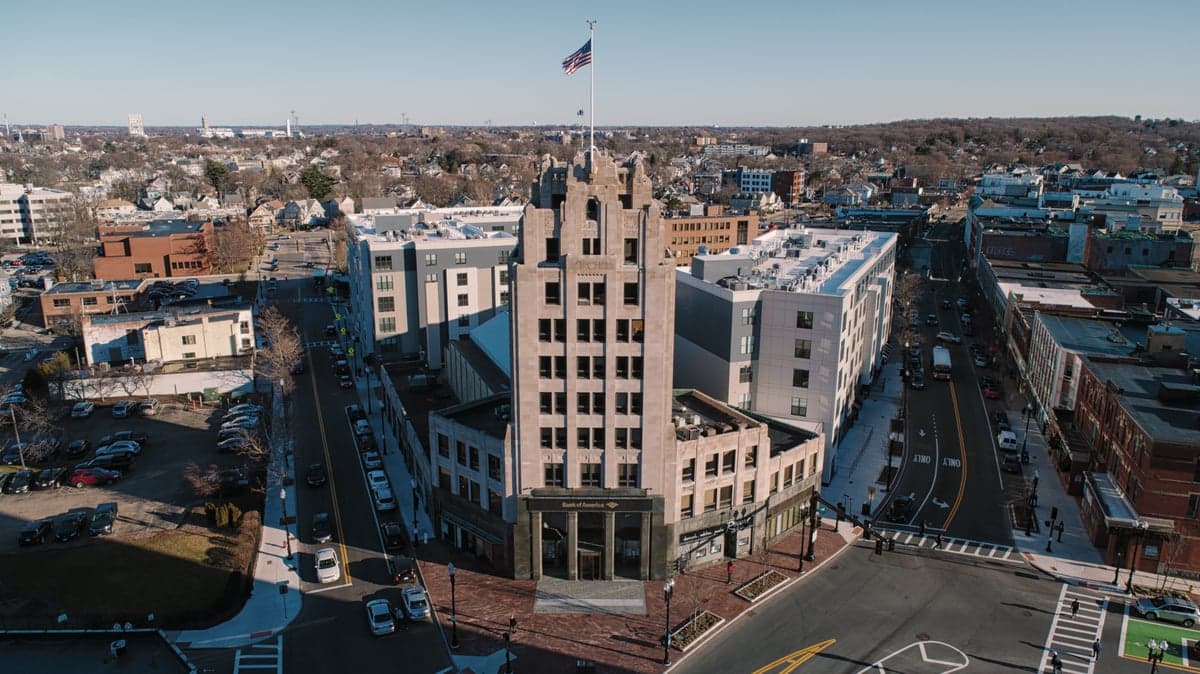
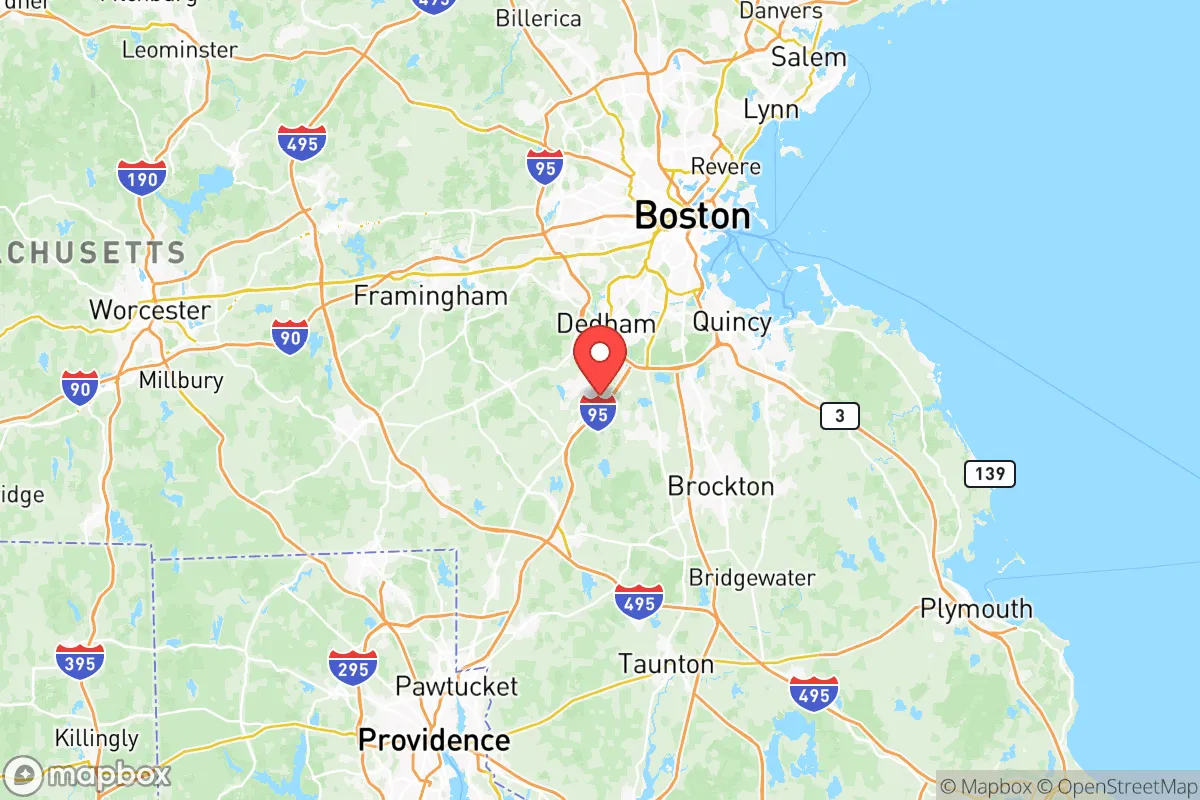
Photo: Wikipedia
Find The Best Places To Live in Norfolk County
PRO TIP! You can paste a Zillow or Redfin link to get info on that property.
Best Places to Live in Norfolk County
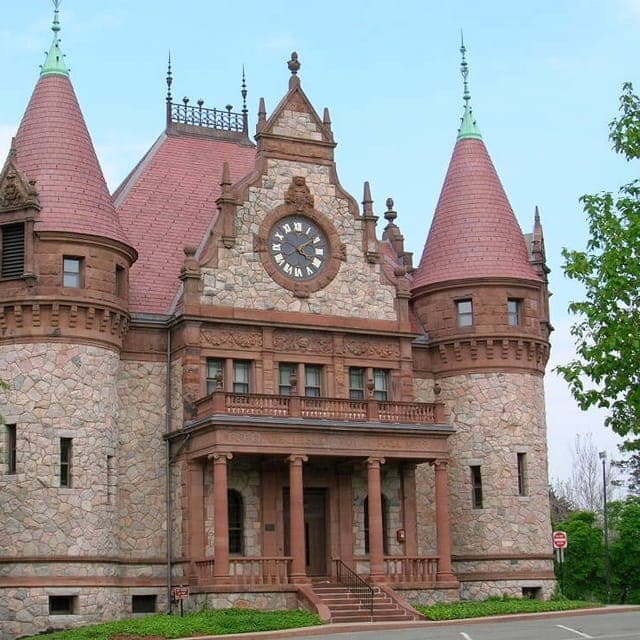
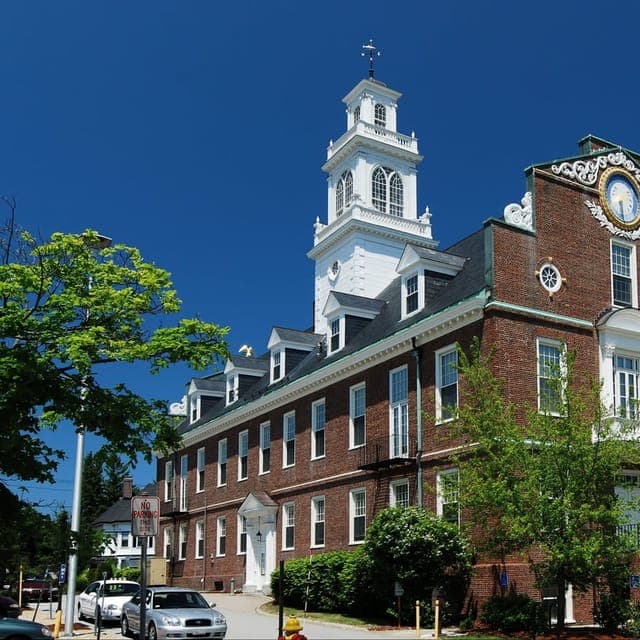
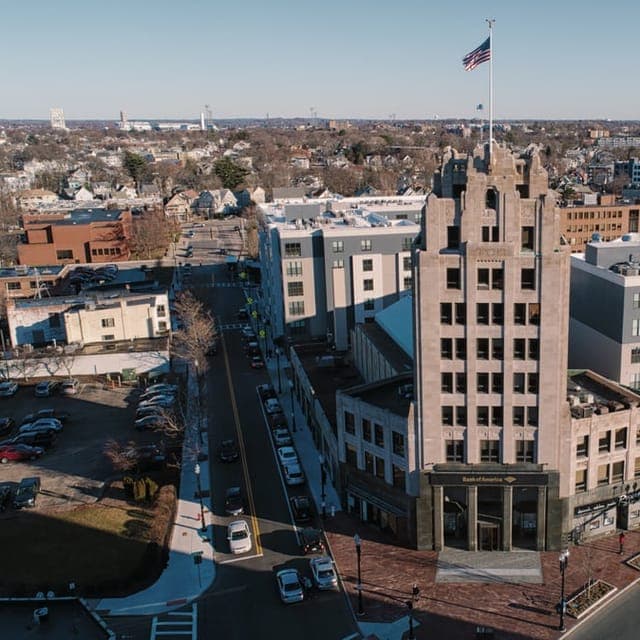
Cities & Towns in Norfolk County
Cities in Norfolk County
What It's Like Living in Norfolk County, MA
Norfolk County, Massachusetts, is the kind of place where you can live in a dense, walkable city like Quincy one day and hike through a state forest in Medfield the next, all without leaving the county lines. It’s a region of stark contrasts—home to both the bustling urban edge of Boston and quiet, rural pockets like Norfolk and Wrentham—that attracts a mix of young professionals, established families, and empty-nesters who value top-tier schools and short commutes. If you’re considering a move here, you’re likely looking for a community with strong local identity, excellent public services, and a pace that feels both active and settled.
The Daily Rhythm: Commutes, Coffee, and Community
For most residents, the day starts early. The average commute in Norfolk County is just under 33 minutes, which is manageable compared to inner-ring suburbs but still a serious part of the routine. Towns like Dedham and Canton are popular with commuters heading into Boston via the MBTA commuter rail, while Franklin and Norwood offer a slightly more suburban feel with their own downtown strips. You’ll find locals grabbing coffee at a local roastery like Red Eye Roasters in Norwood or grabbing breakfast at a classic diner like Lynwood Café in Randolph before heading out. After work, many families spend evenings at youth sports practices or at the town common—especially in places like Medfield and Walpole, where the town center is the social hub. The median age here is 40.9, which reflects a population that’s largely in the thick of career and family life, not a transient student crowd.
Sports, Schools, and Saturday Afternoons
High school sports are a genuine cultural force in Norfolk County. On a Friday night in the fall, you’ll find bleachers full at Xaverian Brothers High School in Westwood or Milton High School for football games that draw alumni and neighbors alike. Hockey is huge in towns like Canton and Franklin, where the local rinks are packed for youth and high school games through the winter. For pro sports, Boston’s teams are a 30- to 45-minute drive from most of the county, but many residents are die-hard Red Sox and Patriots fans who make the trip or watch at local spots like The Chateau in Norwood or British Beer Company in Walpole. Beyond sports, the county offers solid outdoor options: Borderland State Park in Sharon is a favorite for hiking and kayaking, and Wrentham Village Premium Outlets draws shoppers from across the region. The Norfolk County Agricultural High School in Walpole also hosts a popular fall festival that brings in families from all over.
Who Fits In—And Who Might Struggle
Norfolk County tends to attract people who value education, stability, and community involvement. With 57.6% of adults holding a college degree and a median household income of $126,497, it’s a well-educated and relatively affluent area. The kind of person who thrives here is someone who doesn’t mind paying for quality—whether that’s higher property taxes or a higher cost of living (index of 199, nearly double the national average). The median home value sits at $649,400, which means homeownership is a stretch for single earners or younger couples without dual incomes. That said, towns like Braintree and Stoughton offer slightly more affordable entry points, while Dover and Sherborn are among the priciest, with large estates and rural acreage. If you’re looking for a place where neighbors know each other, schools are a central community focus, and you can be in Boston within an hour, this county fits well. If you’re seeking nightlife, urban density, or low taxes, you might find it frustrating.
Honest Pros and Cons of Living Here
- Pro: Excellent public schools. Districts like Wellesley, Milton, and Medfield are consistently ranked among the best in Massachusetts, which is a major draw for families.
- Pro: Access to nature. From the Blue Hills Reservation in Milton to the Charles River running through Needham, there are plenty of places to hike, bike, and paddle without leaving the county.
- Con: High cost of living. The cost of living index of 199 means everyday expenses—groceries, utilities, housing—are significantly higher than the national average. Even renting in Quincy or Brookline can be steep.
- Con: Traffic and commute times. While the average commute is under 33 minutes, that number jumps during peak hours, especially on Route 128 and I-95 through Dedham and Canton. Snowstorms can make things worse.
- Pro: Strong sense of local identity. Each town has its own character—Franklin has a historic downtown with a farmers market, Norwood has a vibrant arts scene, and Sharon has a strong Jewish community presence.
- Con: Limited nightlife. If you’re looking for clubs, live music venues, or late-night bars, you’ll likely need to head into Boston. Most restaurants and bars in towns like Walpole or Medway close by 10 or 11 PM.
Cultural Quirks and Local Identity
One thing you’ll notice quickly is how seriously locals take town boundaries. People in Milton will tell you they’re not “South Boston,” and residents of Dedham are quick to distinguish themselves from Westwood. Town pride runs deep, often tied to the school system and local sports rivalries. The Norfolk County 4-H Fair in Walpole is a beloved annual tradition, and the St. Patrick’s Day Parade in South Boston draws many from the county despite being technically outside it. There’s also a strong sense of history—many towns have historic districts with homes dating back to the 1700s, and the Norfolk County Registry of Deeds in Dedham is one of the oldest in the country. The violent crime rate is 284.3 per 100,000, which is slightly above the national average but concentrated in more urban areas like Quincy and Braintree; most suburban and rural towns feel very safe. Overall, Norfolk County offers a balanced, community-focused lifestyle for those who can afford it and value proximity to Boston without living in the city itself.

* Values derived from national, state, county, city and local statistics and may differ in a specific area. Last updated: 2026-06-17T16:55:08.000Z
Narrative content on this page is AI-generated and may contain mistakes. Verify any details that matter before acting on them.
ReloMaps may earn a commission from affiliate links at no extra cost to you.

