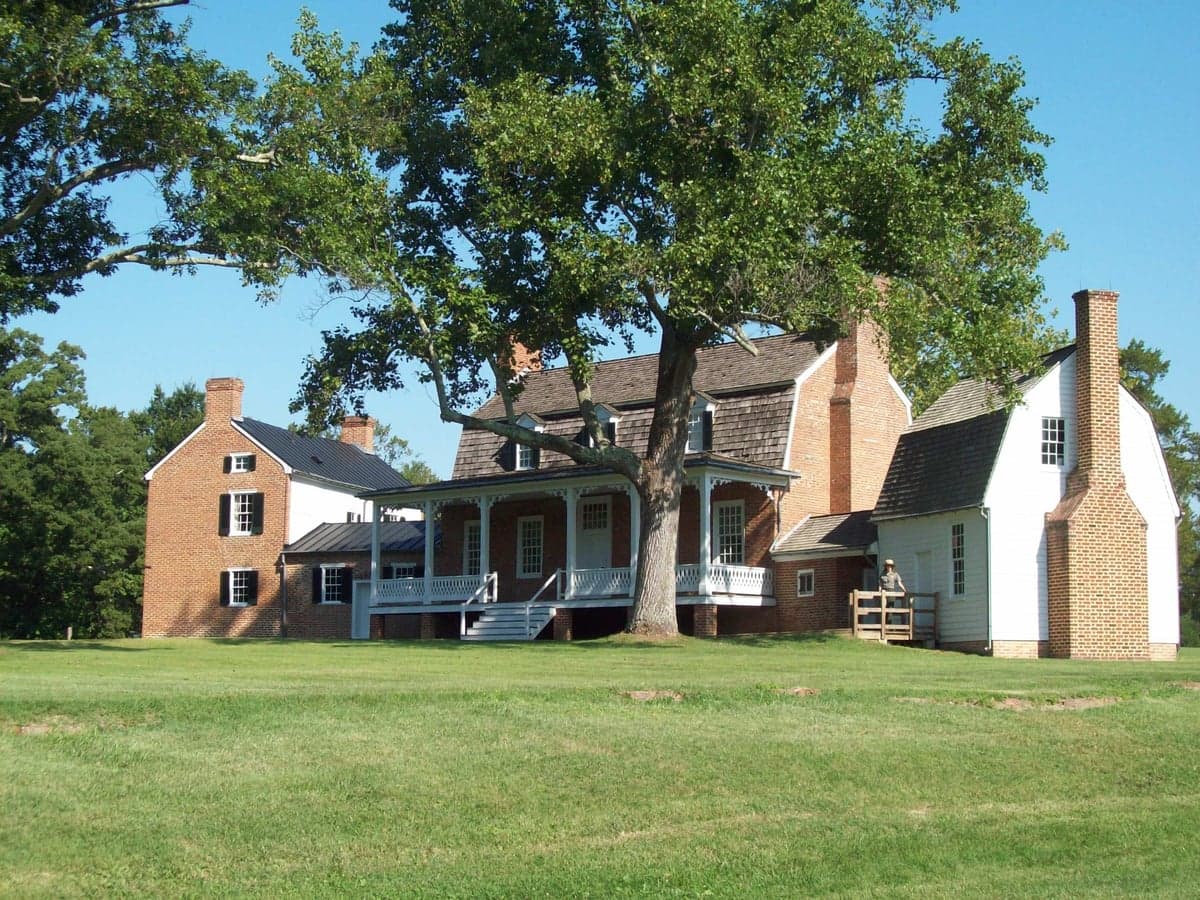
Photo: Wikipedia
Quality of Life in Charles County
A livable area that tracks near national norms for affordability, walkability, and neighborhood health.
What does Quality of Life tell us?
Quality of Life measures an area by evaluating factors like cost of living, nearby amenities, country club access, airport proximity, socioeconomic signals and neighborhood character. For large states, this is a general average — quality of life can vary dramatically between metro areas, suburbs, and rural communities within the same state.
What does this tell us?
Quality of Life measures an area by evaluating factors like cost of living, nearby amenities, country club access, airport proximity, socioeconomic signals and neighborhood character. For large states, this is a general average — quality of life can vary dramatically between metro areas, suburbs, and rural communities within the same state.
Cost of Living
55% above national average
105%
The Real Cost of Living in Charles County for 2026
| Tier | Individual | Family (4) |
|---|---|---|
| Survival | $30k | $57k |
| Comfortable | $78k | $115k |
| Luxury | $164k+ | $254k+ |
| Elite (Top 5%) | $193k+ | $299k+ |
Quality-of-Life Analysis
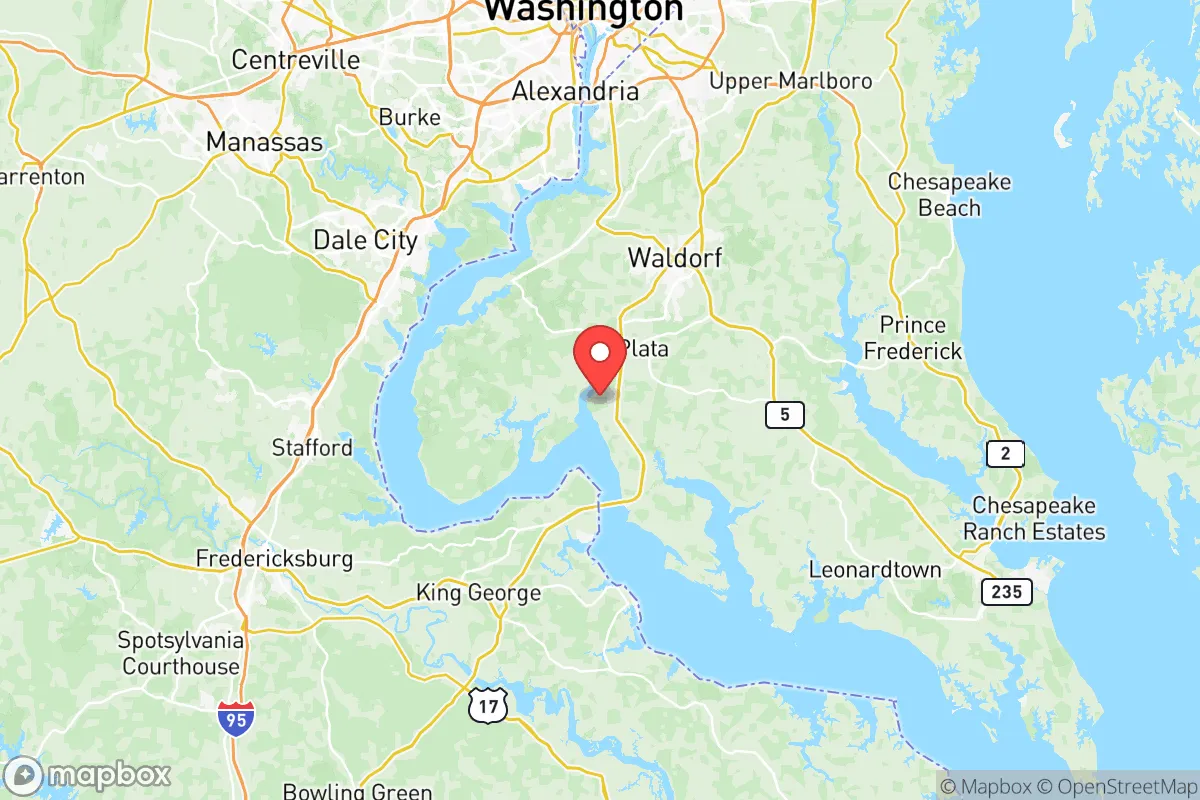
Charles County, Maryland, offers a genuine spectrum of living environments, from dense suburban town centers to sparsely populated farmland and riverfront hamlets, all within a single county. This diversity primarily attracts Washington, D.C., commuters seeking more space for their housing dollar, along with families and retirees who want proximity to the Chesapeake Bay without sacrificing essential amenities. The county’s character shifts noticeably as you move from the bustling Route 5 and US 301 corridors to the quiet backroads near the Potomac River.
Largest town(s) & population centers
Waldorf is the county’s dominant population center and commercial hub, functioning as a classic suburban edge city. Daily life here revolves around the sprawling St. Charles planned community, big-box retail along US 301, and a heavy reliance on cars for errands and school drop-offs. The area is densely developed with townhomes, garden apartments, and single-family subdivisions, and it hosts the county’s highest concentration of restaurants, shopping centers, and medical offices. La Plata, the county seat, offers a more traditional small-town feel with a historic downtown core, a train station (MARC Penn Line), and the College of Southern Maryland’s main campus. It is growing rapidly but retains a walkable town center with local eateries and seasonal events like the La Plata Farmers Market. Both Waldorf and La Plata are magnets for families, with average commute times hovering near 43 minutes — a reality accepted by many who work in the D.C. metro area.
Smaller towns & rural pockets
Beyond the main corridors, Charles County retains distinct smaller communities and rural enclaves. Indian Head, along the Potomac River, is a historic mill town and Naval Support Facility location with a quieter, more industrial character and growing riverfront redevelopment. Bryans Road is an unincorporated area with a mix of older ranch homes and newer subdivisions, serving as a bedroom community for the Naval Surface Warfare Center. Port Tobacco, the county’s original colonial capital, is now a tiny, historic village with a reconstructed courthouse and a handful of homes surrounded by farmland. Further south, Newburg and Nanjemoy are deeply rural, featuring large tracts of forest, working farms, and waterfront properties along the Potomac. These areas lack public water and sewer in many spots, relying on wells and septic, and offer a slower, more isolated pace of life prized by those seeking privacy and land.
Cost & lifestyle range
The cost of living across Charles County varies significantly by location, but the county’s overall cost-of-living index of 155 (100 = U.S. average) reflects the premium of being within commuting distance of D.C. Median home values sit at $402,300, and median rent at $1,897, placing it above the national average but below neighboring Montgomery and Prince George’s counties. At the higher end, newer subdivisions in St. Charles (Waldorf) and executive homes along the Potomac River in Chapel Point or Marbury can exceed $600,000, offering large lots and water views. At the lower end, older townhomes and fixer-upper single-family homes in central Waldorf or parts of Indian Head can be found in the $250,000–$350,000 range. Lifestyle options range from the convenience-oriented suburban life of Waldorf — with chain stores, gyms, and daycare centers on every corner — to the self-sufficient rural lifestyle of Nanjemoy, where grocery trips are a 20-minute drive and homes often sit on 2–5 acres of wooded land.
Those who thrive in Charles County are typically people who accept a 43-minute average commute in exchange for a larger home, a yard, and lower taxes than closer-in D.C. suburbs. The county rewards families who want good public schools and a choice between suburban amenities and rural quiet, as well as retirees and water-lovers seeking affordable waterfront access. It is less suited for those who value dense urban living, extensive public transit, or a vibrant nightlife scene. Charles County offers a genuine middle ground — not the exurbs of the Eastern Shore, nor the intensity of inner suburbs — and its range of communities means most buyers can find their fit.

Crime in Charles County
Higher crime rates than 58% of comparable U.S. locations.
Violent CrimeViolent Crime Analysis
Property CrimeProperty Crime Analysis
Crime Analysis
Charles County, Maryland, presents a mixed safety picture: its violent crime rate of 362.8 per 100,000 residents sits notably above the national average, while its property crime rate of 1,845.7 per 100,000 falls close to the U.S. median, though both figures require careful interpretation against state and local benchmarks. Recent data from the Maryland State Police and county sheriff’s office indicate that crime trends have fluctuated since 2020, with certain offenses—particularly thefts from vehicles and aggravated assaults—showing uneven patterns across the county’s various communities.
Crime in context
Charles County’s violent crime rate of 362.8 per 100,000 is roughly 20% higher than the national average of approximately 300 per 100,000. Property crime, at 1,845.7 per 100,000, is slightly below the national median near 1,950. Compared to Maryland as a whole—which reported a statewide violent crime rate of about 490 per 100,000 in recent years—Charles County performs moderately better, though it still trails safer suburban counties like Howard or Carroll. The jurisdiction falls under the State’s Attorney for Charles County, an elected prosecutor’s office that has not adopted the progressive bail-reform or declination policies seen in neighboring jurisdictions such as Prince George’s County. This prosecutorial stance may help explain why Charles County’s violent crime rate is lower than that of Prince George’s (which exceeded 550 per 100,000 recently) but remains elevated compared to more conservative areas in Southern Maryland.
What residents experience
Daily life for residents involves navigating contrasting safety realities depending on location. Waldorf, the county’s largest population center, consistently reports the highest volume of both violent and property crime—particularly thefts from vehicles, shoplifting, and aggravated assaults tied to retail corridors along U.S. Route 301. La Plata, the county seat, sees fewer incidents overall but experiences periodic spikes in burglaries and vandalism near the town’s commercial core. In contrast, Indian Head, a smaller town along the Potomac River, records notably lower crime rates, partly due to its smaller population and limited commercial activity. Hughesville and Bryans Road are generally considered safer than the county average, with property crime rates often half those of Waldorf. Residents in outlying rural areas along Route 5 south of La Plata report thefts from unoccupied properties and occasional farm equipment theft, but violent crime is rare.
The Charles County Sheriff’s Office is the primary law enforcement agency, supplemented by municipal police in La Plata and Indian Head. Citizen satisfaction surveys show mixed results: residents in newer subdivisions near White Plains and Saint Charles communities generally feel safe, while those in older Waldorf neighborhoods express concerns about property crime and perceived police response times. The county’s 2024 community safety survey indicated that 35% of respondents felt less safe than five years prior, a figure that aligns with regional trends.
Neighborhood-level variation is pronounced. Gated communities and newer developments in Saint Charles—a large planned community near Waldorf—report violent crime rates below the county average, while apartment complexes along the Route 301 corridor see elevated incidents. The Parts Unknown area near Waldorf’s commercial district has been identified by local crime analysts as a higher-risk zone for both property and violent offenses. Prospective residents should examine block-level data from the sheriff’s office and consider visiting areas at different times of day, as daytime safety often masks evening risks in certain retail-heavy corridors.
* Values derived from national, state, county, city and local statistics and may differ in a specific area. Last updated: 2026-06-24T18:30:44.000Z
Narrative content on this page is AI-generated and may contain mistakes. Verify any details that matter before acting on them.
ReloMaps may earn a commission from affiliate links at no extra cost to you.

