
Photo: Wikipedia
Quality of Life in Anne Arundel County
A livable area that tracks near national norms for affordability, walkability, and neighborhood health.
What does Quality of Life tell us?
Quality of Life measures an area by evaluating factors like cost of living, nearby amenities, country club access, airport proximity, socioeconomic signals and neighborhood character. For large states, this is a general average — quality of life can vary dramatically between metro areas, suburbs, and rural communities within the same state.
What does this tell us?
Quality of Life measures an area by evaluating factors like cost of living, nearby amenities, country club access, airport proximity, socioeconomic signals and neighborhood character. For large states, this is a general average — quality of life can vary dramatically between metro areas, suburbs, and rural communities within the same state.
Cost of Living
67% above national average
94%
The Real Cost of Living in Anne Arundel County for 2026
| Tier | Individual | Family (4) |
|---|---|---|
| Survival | $32k | $60k |
| Comfortable | $87k | $129k |
| Luxury | $195k+ | $303k+ |
| Elite (Top 5%) | $230k+ | $356k+ |
Quality-of-Life Analysis
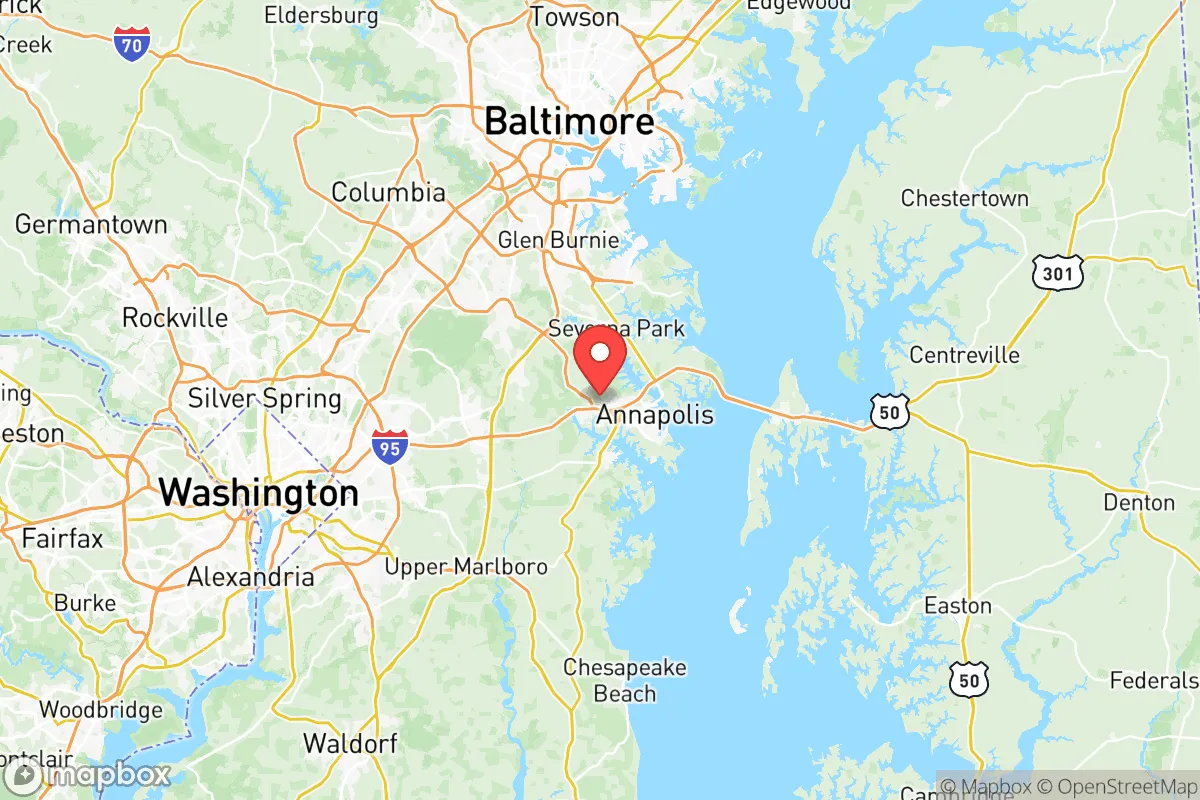
Anne Arundel County, Maryland, offers a broad quality-of-life spectrum that ranges from dense, amenity-rich suburbs hugging the Chesapeake Bay to quiet, agricultural pockets in the county’s western and southern reaches. The county’s character shifts noticeably from the bustling, job-anchored corridor around Annapolis and Glen Burnie to the more rural, slower-paced communities near Davidsonville and Lothian. This diversity draws a mix of professionals commuting to Washington, D.C., and Baltimore, military families tied to Fort Meade, and long-time residents seeking land and privacy.
Largest towns & population centers
The county’s largest population centers are Annapolis, the state capital, and Glen Burnie, a major suburban hub. Annapolis (population roughly 40,000) is defined by its historic downtown, the U.S. Naval Academy, and a vibrant waterfront economy. Daily life here is walkable in the core, with a high concentration of restaurants, boutiques, and government offices. Glen Burnie (population about 70,000) is more suburban and car-dependent, anchored by the Arundel Mills shopping complex and the Maryland Live! Casino. It serves as a bedroom community for workers at Fort Meade, BWI Airport, and Baltimore. Severn and Odenton are rapidly growing suburban centers near the Fort Meade employment base, with new townhome developments and commuter-oriented amenities. The average commute across the county is 29.4 minutes, a figure that reflects the heavy traffic on I-97, I-695, and Route 50 during peak hours.
Smaller towns & rural pockets
Beyond the suburban core, Anne Arundel retains distinct smaller towns and rural areas. Davidsonville is a low-density, horse-country community with large lots and a strong agricultural zoning, where residents often commute to Annapolis or D.C. but return to a semi-rural setting. Lothian and Tracys Landing, along the southern county shoreline, are fishing and farming villages with a slower pace and limited commercial development. Deale, on the Chesapeake Bay, is a small water-oriented community known for its marinas and seafood restaurants. Shady Side is another unincorporated bayfront area with a mix of year-round homes and seasonal cottages. These areas lack the retail density of the north county but offer direct water access, larger lots, and a quieter lifestyle.
Cost & lifestyle range
The cost of living in Anne Arundel County is well above the national average, with a composite index of 167 (100 = U.S. average). The median home value is $450,300, and median rent is $1,990. However, these figures mask wide variation. At the high end, waterfront communities like Annapolis Neck, Severna Park, and Sherwood Forest see median home prices exceeding $700,000, with many properties on the water commanding $1 million or more. These areas offer top-rated schools, deep-water docks, and proximity to the Bay. At the more affordable end, parts of Glen Burnie, Brooklyn Park, and Pasadena have median home values in the $350,000–$400,000 range, with older single-family homes and townhouses. Renters find the most options in the Odenton and Hanover corridor, where new apartment complexes cater to military and tech workers. The lifestyle range is equally broad: in north county, residents have access to major retail, entertainment, and highway connections; in south county, the trade-off is longer drives to shopping and jobs but more space, privacy, and water access.
Who thrives in Anne Arundel County? Professionals and military families who need reasonable commutes to Fort Meade, BWI, Annapolis, or Washington, D.C., and who value a mix of suburban convenience and natural amenities. Families seeking strong public schools—particularly in the Severna Park, Davidsonville, and Crofton clusters—find the county attractive. Water enthusiasts and those willing to pay a premium for bayfront living are well served by the southern and eastern communities. Conversely, those on a tighter budget or seeking an urban, walkable lifestyle may find the county’s car dependence and high housing costs a challenge, and may prefer Baltimore or D.C. proper. The county’s strength is its variety: a single jurisdiction that can feel like a dense suburb, a quiet farm community, or a coastal village, depending on where you land.

Crime in Anne Arundel County
WARNING: The crime statistics are unreliable for this jurisdiction. Local authorities have either not reported or under reported their data to the FBI. This could be due to bad intentions, incompetence or technical issues. Regardless, we suggest skepticism.
Higher crime rates than 72% of comparable U.S. locations.
Violent CrimeViolent Crime Analysis
Property CrimeProperty Crime Analysis
Crime Analysis
Anne Arundel County presents a mixed safety picture for potential residents. With a violent crime rate of 362.8 per 100,000 residents and a property crime rate of 1,845.7 per 100,000, the county sits above the national average for violent offenses but below many neighboring jurisdictions in the Baltimore-Washington corridor. The county's proximity to both Baltimore and Washington, D.C., combined with a progressive District Attorney's office, creates a security environment where residents in communities like Annapolis, Glen Burnie, and Severna Park experience markedly different levels of risk.
Crime in context
Anne Arundel County's violent crime rate of 362.8 per 100,000 is roughly 4% higher than the national average of approximately 350 per 100,000, but significantly lower than Baltimore City's rate of over 1,500 per 100,000. Property crime at 1,845.7 per 100,000 sits about 15% below the national average of roughly 2,100 per 100,000. The county's overall crime index is 24.5 per 1,000 residents, meaning about 1 in 40 residents will be a victim of a crime annually. Compared to Maryland's statewide violent crime rate of roughly 400 per 100,000, Anne Arundel fares slightly better, though the gap has narrowed in recent years as the county's progressive prosecutor policies have taken effect. The county's clearance rate for violent crimes hovers around 45%, meaning more than half of violent offenses go unsolved, a figure that concerns public safety advocates.
What residents experience
Residents in different parts of Anne Arundel County face dramatically different safety realities. Annapolis, the county seat, experiences the highest concentration of violent crime, particularly in the Clay Street and Bywater neighborhoods, where aggravated assaults and robberies are common. Glen Burnie, the county's largest unincorporated area, sees elevated property crime rates driven by auto thefts and burglaries, especially near the Ritchie Highway corridor. In contrast, Severna Park and Crofton rank among the safest communities in the county, with violent crime rates below 100 per 100,000 and property crime rates roughly half the county average. Edgewater and Davidsonville also report low crime figures, benefiting from their more rural character and lower population density. The progressive policies of State's Attorney Anne Colt Leitess, who has emphasized diversion programs and reduced sentences for non-violent offenders, have drawn criticism from law enforcement unions who argue these approaches embolden repeat offenders and contribute to rising recidivism in areas like Brooklyn Park and Pasadena.
Neighborhood-level variation
The safety divide within Anne Arundel County is stark and predictable. Communities along the I-97 corridor and near the Baltimore city line—including Ferndale, Linthicum, and parts of Severn—report crime rates 2-3 times higher than the county average. Conversely, the southwestern portion of the county, encompassing communities like Lothian and Deale, maintains crime rates comparable to rural Maryland. Property crime is the most common concern across all neighborhoods, with vehicle break-ins and package thefts reported even in affluent areas like Arnold and Cape St. Claire. Residents considering a move to Anne Arundel County should research specific neighborhood crime maps and consider that the county's progressive judicial philosophy means offenders often receive lenient sentences, potentially reducing the deterrent effect of prosecution. For families prioritizing safety, the Crofton and Severna Park areas offer the strongest combination of low crime rates and responsive policing, while those drawn to Annapolis's historic charm should budget for enhanced home security measures.
* Values derived from national, state, county, city and local statistics and may differ in a specific area. Last updated: 2026-07-10T08:39:25.000Z
Narrative content on this page is AI-generated and may contain mistakes. Verify any details that matter before acting on them.
ReloMaps may earn a commission from affiliate links at no extra cost to you.

