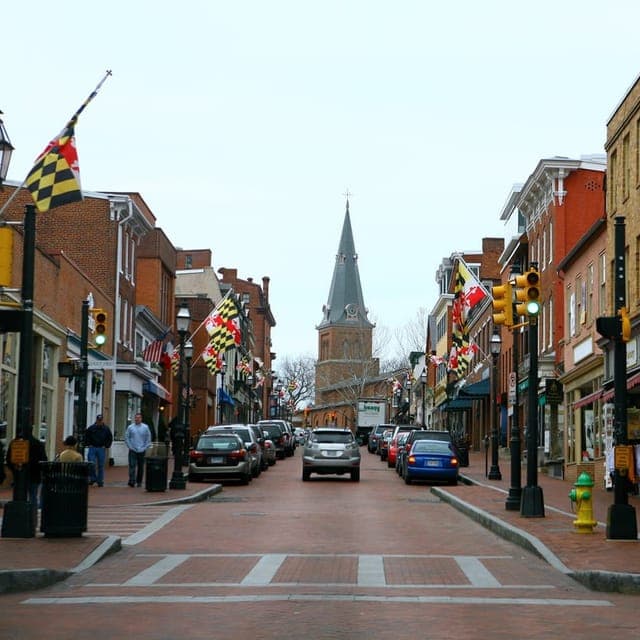
Photo: Wikipedia
Find The Best Places To Live in Anne Arundel County
PRO TIP! You can paste a Zillow or Redfin link to get info on that property.
Best Places to Live in Anne Arundel County
Cities & Towns in Anne Arundel County
Cities in Anne Arundel County
What It's Like Living in Anne Arundel County, MD
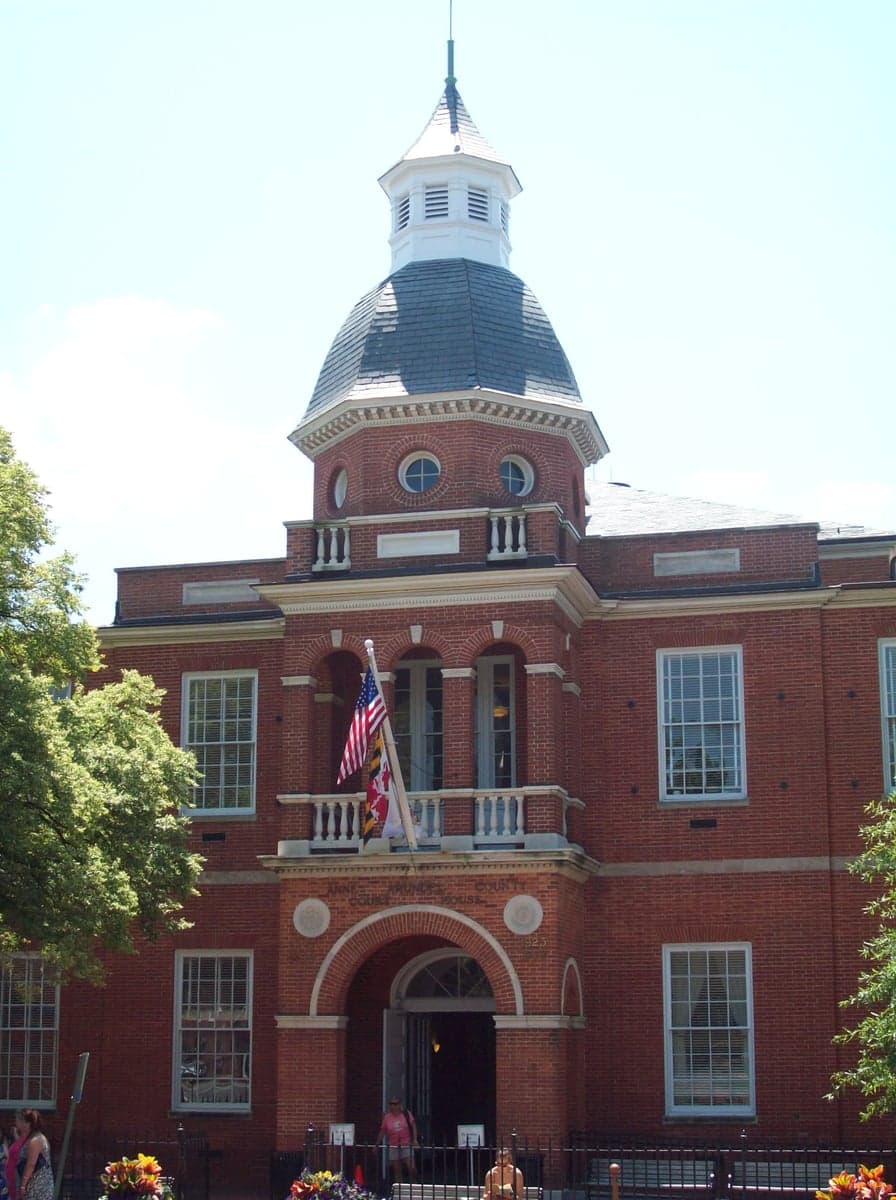
Living in Anne Arundel County means straddling two worlds: the quiet, tidal rhythms of the Chesapeake Bay and the constant pulse of the Baltimore-Washington corridor. It’s a place where you can spend a Saturday morning crabbing on the South River and still make it to a Nationals game by first pitch, where the Naval Academy midshipmen in Annapolis set a disciplined tone, and where sprawling subdivisions in places like Glen Burnie and Severna Park house families who commute to Fort Meade or D.C. The county’s identity is shaped by its water, its military presence, and a practical, no-nonsense attitude that values a good crab feast over flashy trends.
Daily Rhythm: Water, Work, and the Commute Grind
For most residents, the day starts early. The average commute clocks in at just under 30 minutes, but that number hides a split reality. If you live in Crofton or Odenton and work at Fort Meade or the NSA, your drive might be a manageable 20 minutes. If you’re heading to downtown Baltimore or D.C. from Severna Park or Pasadena, you’re looking at 45 minutes to an hour on the Baltimore-Washington Parkway or I-97, especially during the school year. The county’s median income of $120,324 reflects the high concentration of federal contractors, cybersecurity professionals, and naval officers—jobs that demand a commute but pay well enough to afford the area’s cost of living, which sits at 167 on the national index.
After work, life revolves around the water and the backyard. In summer, you’ll find families at Quiet Waters Park in Annapolis or launching kayaks at Mayo Beach. The county’s 533 miles of shoreline mean that even inland towns like Davidsonville have creeks and marinas within a 15-minute drive. Weekends often involve a trip to the Annapolis City Dock for a soft-shell crab sandwich at Mike’s Crab House or a stop at Galesville’s Pirate’s Cove for steamed shrimp and a cold beer. For shopping, the Westfield Annapolis Mall in Parole is the regional hub, but locals swear by the smaller Annapolis Towne Centre for a more walkable, less chaotic experience.
Sports & Community: From Navy Football to Friday Night Lights
Sports here are a serious matter, but they’re split between two camps. The first is the Naval Academy in Annapolis. Navy football games at Navy-Marine Corps Memorial Stadium are a fall ritual—think tailgates with midshipmen in uniform, the roar of the Blue Angels flyovers, and a crowd that’s more about tradition than rowdiness. The second camp is high school sports. Severna Park High School and Broadneck High School have powerhouse lacrosse and soccer programs that draw hundreds of parents and alumni on Friday nights. Lacrosse isn’t just a sport here; it’s a cultural marker. Kids start playing in youth leagues by age six, and the county’s club teams regularly send players to Division I colleges.
Beyond organized sports, the county’s outdoor life is defined by the Chesapeake Bay Foundation’s oyster restoration projects and the B&A Trail, a 13-mile paved path that runs from Annapolis to Glen Burnie. On any given weekend, you’ll see cyclists, runners, and families with strollers using it to connect to parks like Quiet Waters or Jug Bay Wetlands Sanctuary in Lothian. For a more low-key evening, locals head to Rams Head Tavern in Annapolis for live music or Stan & Joe’s on West Street for a burger and a pint.
What’s There to Do: Festivals, Eats, and the Waterfront Scene
Anne Arundel County’s entertainment calendar is anchored by the Annapolis Sailboat Show in October, which brings 50,000 visitors to the city’s docks, and the Maryland Renaissance Festival in Crownsville, a sprawling fair that runs weekends from late August through October. For music, the Maryland Hall for the Creative Arts in Annapolis hosts everything from classical concerts to local indie bands, while the Rams Head On Stage is a intimate venue that books national acts. Food-wise, the county is a seafood paradise. Cantler’s Riverside Inn in Annapolis is the gold standard for steamed crabs—expect paper-covered tables, mallets, and Old Bay dust on everything. For a more upscale meal, Preserve in Annapolis focuses on locally sourced ingredients, while Giolitti’s in Edgewater serves Italian classics that have been a family staple since the 1970s.
The biggest cultural quirk? The “Anne Arundel County accent”—a subtle drawl that turns “water” into “wooder” and “crab” into “crab” with a hard, almost guttural “a.” It’s a marker of belonging, and newcomers who adopt it are welcomed with a knowing nod. Another quirk: the fierce loyalty to local high schools. Ask someone from Severna Park where they went to school, and they’ll name their high school before their college. It’s a small-town feel in a county of nearly 600,000 people.
Pros and Cons of Living Here
What locals love:
- The water access. You’re never more than 20 minutes from a creek, river, or bay. Boating, fishing, and crabbing are woven into daily life, not just vacation activities.
- The job market. Fort Meade, the NSA, and the Naval Academy provide stable, high-paying employment. The median income of $120,324 is among the highest in Maryland, and the county’s 45.2% college-educated population means a well-educated workforce.
- The schools. Anne Arundel County Public Schools are solid, with top-rated options like Severna Park High and South River High. Schools are community anchors—PTA meetings are packed, and sports events draw big crowds.
What frustrates residents:
- The cost of living. A median home value of $450,300 is steep, especially for single individuals or young families. Renting a one-bedroom in Annapolis can run $1,800–$2,200 a month. The cost of living index of 167 means groceries, gas, and utilities all cost more than the national average.
- The traffic. The average commute hides the reality that bottlenecks on I-97, Route 50, and the Bay Bridge (which connects to the Eastern Shore) can turn a 30-minute drive into an hour during summer weekends or rush hour. Locals joke that “the bridge” is a four-letter word.
- The violent crime rate. At 362.8 per 100,000, it’s higher than the national average. Most incidents are concentrated in parts of Glen Burnie and Annapolis’s Parole area, but it’s a concern for families choosing neighborhoods. Property crime, especially package theft and car break-ins, is more widespread.
Anne Arundel County isn’t for everyone. It’s for people who don’t mind paying a premium for proximity to water and work, who value tradition over trendiness, and who can handle the occasional traffic headache for the reward of a sunset over the Severn River. It’s a place where you’ll know your neighbors, where the high school football coach is a local celebrity, and where the best meal of the week comes from a paper bag full of crabs. If that sounds like your kind of life, you’ll fit right in.

* Values derived from national, state, county, city and local statistics and may differ in a specific area. Last updated: 2026-07-10T08:39:25.000Z
Narrative content on this page is AI-generated and may contain mistakes. Verify any details that matter before acting on them.
ReloMaps may earn a commission from affiliate links at no extra cost to you.

