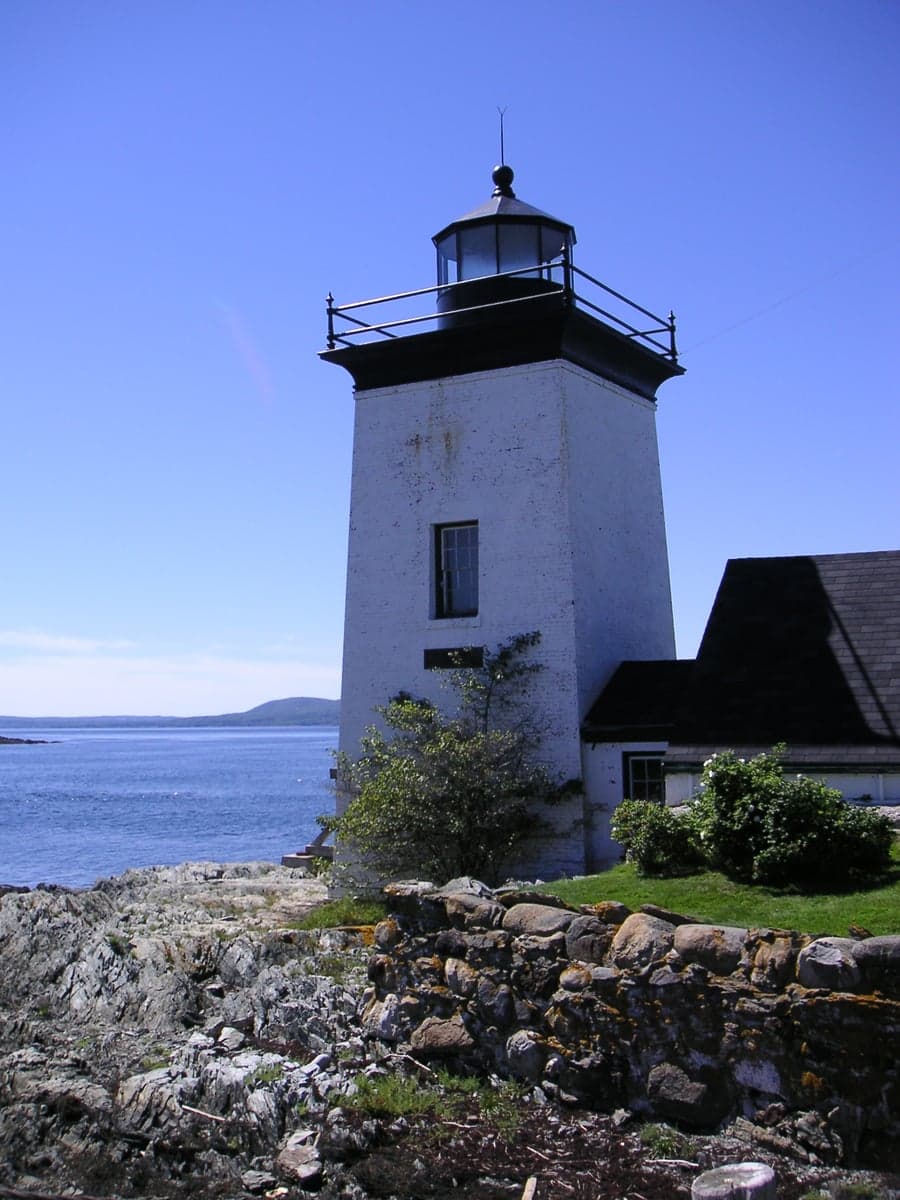
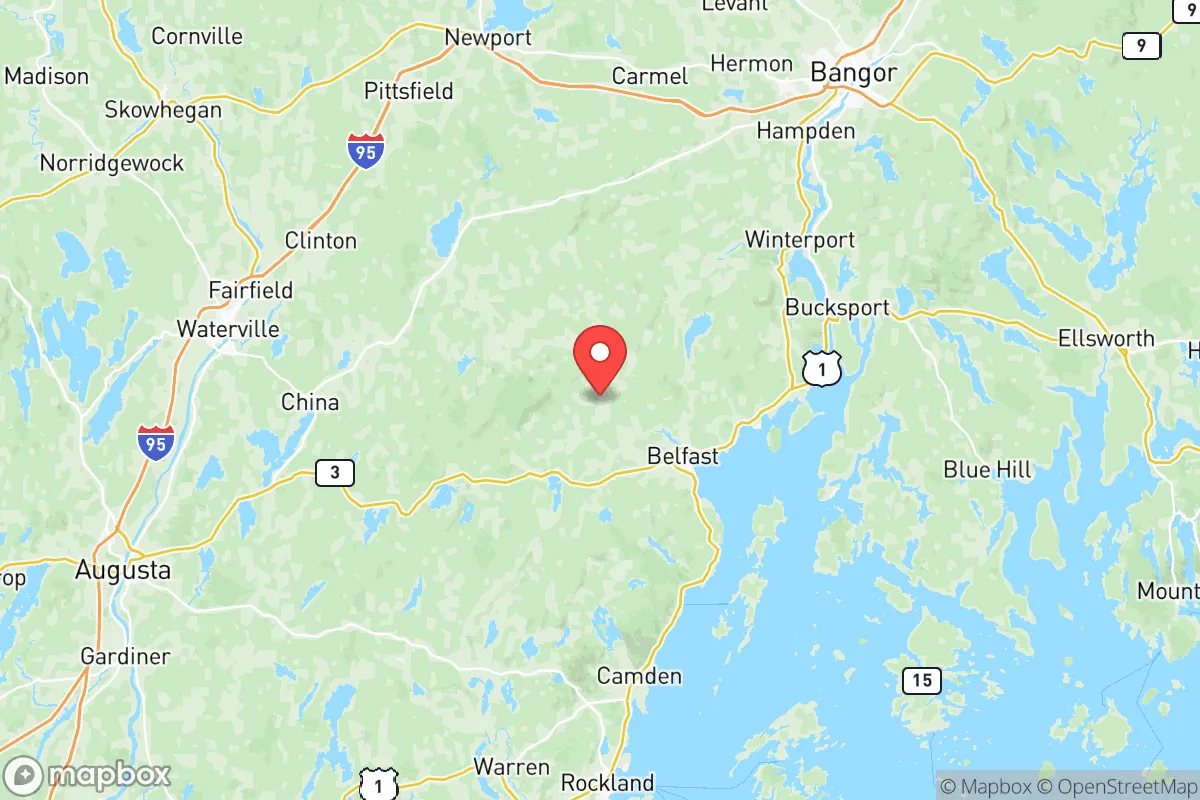
Photo: Wikipedia
Quality of Life in Waldo County
A livable area that tracks near national norms for affordability, walkability, and neighborhood health.
What does Quality of Life tell us?
Quality of Life measures an area by evaluating factors like cost of living, nearby amenities, country club access, airport proximity, socioeconomic signals and neighborhood character. For large states, this is a general average — quality of life can vary dramatically between metro areas, suburbs, and rural communities within the same state.
What does this tell us?
Quality of Life measures an area by evaluating factors like cost of living, nearby amenities, country club access, airport proximity, socioeconomic signals and neighborhood character. For large states, this is a general average — quality of life can vary dramatically between metro areas, suburbs, and rural communities within the same state.
Cost of Living
16% below national average
100%
The Real Cost of Living in Waldo County for 2026
| Tier | Individual | Family (4) |
|---|---|---|
| Survival | $15k | $29k |
| Comfortable | $46k | $68k |
| Luxury | $111k+ | $172k+ |
| Elite (Top 5%) | $131k+ | $202k+ |
Quality-of-Life Analysis
Waldo County, Maine, offers a quality-of-life spectrum that spans from the historic coastal city of Belfast to deeply rural, lake-studded townships, attracting everyone from remote workers and retirees to farmers and artists. The county’s overall character is defined by its working waterfronts, dense forests, and a cost of living well below the national average — the composite cost-of-living index sits at 84 (100 = U.S. average) — but the day-to-day experience varies dramatically depending on whether you settle in the county seat, a village along Route 1, or a gravel road near a trout pond.
Largest town(s) & population centers
Belfast, the county seat and largest municipality (pop. ~6,900), is the undisputed hub. Daily life here centers on a walkable downtown with a working harbor, independent bookstores, farm-to-table restaurants, and the Belfast Co-op. The city has a distinctly progressive, arts-oriented vibe, anchored by the Belfast Maskers theater and the Waterfall Arts center. Commuting patterns reflect its role as a regional employment node: the average commute across the county is 26.2 minutes, but many Belfast residents walk or bike to work. Searsport (pop. ~2,600), just south on Penobscot Bay, is a quieter, more blue-collar alternative with a strong maritime museum presence and a growing number of antique shops. Winterport (pop. ~1,200), straddling the Penobscot River, feels like a bedroom community for Bangor (20 minutes east) and offers a compact historic village with a general store and a popular brewery. These three towns concentrate the county’s rental stock: median rent countywide is $969, but in Belfast and Searsport, two-bedroom apartments often range from $1,000–$1,400, reflecting higher demand near the coast.
Smaller towns & rural pockets
Move inland from the bay, and the landscape — and lifestyle — shifts quickly. Liberty (pop. ~900) is a classic Maine lake town, centered on the 1,400-acre St. George Lake, with a strong community calendar built around the Liberty Library and the annual Old Home Days. Montville (pop. ~1,000) and Thorndike (pop. ~900) are deeply rural, with no downtown to speak of; residents rely on general stores in neighboring towns and drive 25–35 minutes to Belfast or Waterville for groceries and medical care. Brooks (pop. ~1,100) sits at the intersection of Routes 139 and 7 and has a small but active village with a post office, a hardware store, and a popular diner. Islesboro, an island town reachable only by ferry from Lincolnville, offers an entirely different rural experience: year-round population hovers around 550, with a tight-knit community, a single general store, and a K–8 school that graduates fewer than a dozen students annually. These smaller towns are where the county’s median home value of $239,100 becomes most attainable — in Liberty or Montville, a three-bedroom house on an acre often sells for $180,000–$220,000, well below the coastal premium.
Cost & lifestyle range
The cost spread across Waldo County is driven almost entirely by proximity to the coast and to Route 1. At the high end, Belfast and coastal Searsport command home prices 20–30% above the county median; a waterfront fixer-upper in Belfast can easily top $400,000, and a renovated Victorian near the harbor may exceed $600,000. Renters in these towns face the tightest market, with vacancy rates below 2% in peak season. At the low end, the inland towns of Knox (pop. ~800), Palermo (pop. ~1,500), and Freedom (pop. ~700) offer the most affordable land and housing. In Knox, a habitable single-wide on 2 acres can be found for under $150,000, and raw land sells for $5,000–$10,000 per acre. The trade-off is access: these towns have no grocery stores, no gas stations, and limited internet (Starlink is common). Amenities also diverge sharply. Belfast has a full-service hospital (Waldo County General Hospital), a YMCA, and a public library with robust programming. In Montville or Thorndike, residents drive 20–30 minutes for a primary care appointment and rely on volunteer fire departments. Property taxes vary too: Belfast’s mill rate (~18.5) is higher than the county average, while Liberty’s (~14.0) is lower, though Liberty offers fewer municipal services.
Who thrives in Waldo County? Remote workers and retirees who value coastal culture and walkability gravitate to Belfast or Searsport. Homesteaders, hunters, and those seeking land and privacy find their niche in the inland towns of Liberty, Montville, and Palermo. Families on a budget — the county’s median household income is roughly $55,000 — can still buy a home in Brooks or Thorndike, provided they are comfortable with long drives for work and school. The county rewards self-sufficiency and a tolerance for long winters; it is not a place for those who need urban amenities or frequent air travel (Bangor International Airport is 35–50 minutes from most towns). For the right person, however, the mix of affordable land, working waterfront, and strong community identity makes Waldo County one of Maine’s most livable — and most varied — regions.

Crime in Waldo County
Lower crime rates than 81% of comparable U.S. locations.
Violent CrimeViolent Crime Analysis
Property CrimeProperty Crime Analysis
Crime Analysis
Waldo County, Maine, presents a notably safe environment compared to national benchmarks, with a violent crime rate of 93.4 per 100,000 residents—roughly one-third the U.S. average—and a property crime rate of 944.9 per 100,000, which sits below the national median but slightly above the Maine state average. The county’s rural character and small-town policing structures contribute to this overall low-crime profile, though property offenses like theft and burglary remain the most common public safety concerns. Residents in communities such as Belfast, the county seat, and Winterport generally report feeling secure, though localized property crime patterns warrant attention.
Crime in context
Waldo County’s violent crime rate of 93.4 per 100,000 is significantly lower than the national rate of roughly 380 per 100,000 and also below the Maine state average of approximately 110 per 100,000. This places the county among the safer rural areas in New England. Property crime, at 944.9 per 100,000, is slightly above the Maine average of around 900 per 100,000 but remains well under the national figure of about 1,950 per 100,000. The most frequent property offenses are larceny-theft and motor vehicle theft, with burglary less common. Belfast and Searsport, as the county’s largest commercial hubs, see a disproportionate share of these incidents, often tied to opportunistic theft from vehicles and retail establishments. The Waldo County District Attorney’s Office, which prosecutes cases in the unified court system, has maintained a generally conservative approach to charging and sentencing, avoiding the progressive leniency seen in some urban jurisdictions—a factor that helps keep recidivism in check and supports public confidence in the justice system.
What residents experience
For most Waldo County residents, daily life is marked by a low risk of violent victimization. Homicide is extremely rare, and aggravated assault, the most common violent crime, typically occurs in domestic or acquaintance contexts rather than random attacks. Property crime, while more prevalent, is often non-confrontational—break-ins of unoccupied seasonal homes and theft from unlocked vehicles are the primary nuisances. Liberty and Montville, more remote inland towns, report even lower crime rates than the coastal communities, while Belfast sees slightly elevated property crime due to its denser population and tourist traffic. The county’s reliance on volunteer fire departments and part-time sheriff’s deputies in outlying areas means response times can be longer, but community watch programs in Frankfort and Stockton Springs help mitigate this. Progressive judicial policies that prioritize rehabilitation over accountability have not taken root here; the local courts consistently emphasize victim rights and public safety, which residents view as a positive deterrent against escalating crime.
Neighborhood-level variation
Crime in Waldo County is not evenly distributed. Belfast accounts for roughly 40% of the county’s reported property crime, concentrated along Route 1 and the waterfront commercial district. Searsport, a smaller port town, sees occasional theft from the Penobscot Bay ferry terminal and nearby retail. In contrast, inland towns like Brooks and Thorndike report negligible violent crime and property crime rates below 500 per 100,000. Seasonal population shifts—summer residents and tourists in coastal areas—temporarily increase targets for theft, but the overall trend is stable. The Waldo County Sheriff’s Office actively patrols unincorporated areas and collaborates with Maine State Police on drug-related investigations, which are the primary driver of property crime. For prospective residents, choosing a home in the quieter inland communities or the outskirts of Belfast offers the lowest risk, while those in the town center should take standard precautions like locking vehicles and securing outbuildings.
* Values derived from national, state, county, city and local statistics and may differ in a specific area. Last updated: 2026-06-18T00:50:42.000Z
Narrative content on this page is AI-generated and may contain mistakes. Verify any details that matter before acting on them.
ReloMaps may earn a commission from affiliate links at no extra cost to you.

