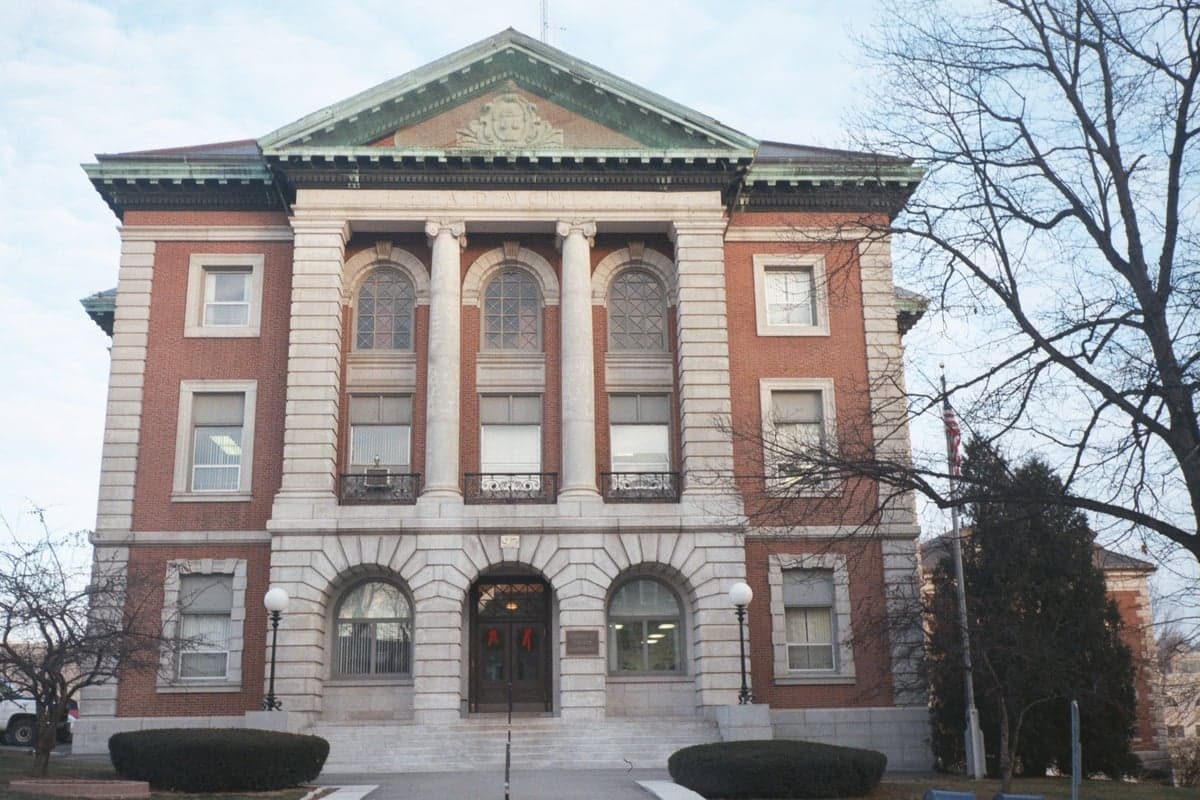
Photo: Wikipedia
Quality of Life in Penobscot County
A livable area that tracks near national norms for affordability, walkability, and neighborhood health.
What does Quality of Life tell us?
Quality of Life measures an area by evaluating factors like cost of living, nearby amenities, country club access, airport proximity, socioeconomic signals and neighborhood character. For large states, this is a general average — quality of life can vary dramatically between metro areas, suburbs, and rural communities within the same state.
What does this tell us?
Quality of Life measures an area by evaluating factors like cost of living, nearby amenities, country club access, airport proximity, socioeconomic signals and neighborhood character. For large states, this is a general average — quality of life can vary dramatically between metro areas, suburbs, and rural communities within the same state.
Cost of Living
21% below national average
114%
The Real Cost of Living in Penobscot County for 2026
| Tier | Individual | Family (4) |
|---|---|---|
| Survival | $16k | $30k |
| Comfortable | $38k | $55k |
| Luxury | $114k+ | $176k+ |
| Elite (Top 5%) | $134k+ | $207k+ |
Quality-of-Life Analysis
Penobscot County, Maine, offers a broad quality-of-life spectrum that ranges from the urban amenities of its largest city, Bangor, to the deep quiet of unincorporated townships like T3 R9 WELS. The county draws a diverse mix of residents: young professionals and students gravitate to Bangor for its jobs and university access, while families and retirees often seek the lower costs and slower pace of smaller communities like Hampden or Lincoln. Outdoor enthusiasts and those seeking true seclusion are drawn to the vast, sparsely populated northern and eastern reaches of the county, where land is affordable and privacy is abundant.
Largest town(s) & population centers
Bangor is the county's undisputed hub, with a population of roughly 31,000 and a full suite of urban amenities, including the Cross Insurance Center, Bangor International Airport, and the University of Maine at Augusta's Bangor campus. Daily life here offers walkable neighborhoods, a growing craft beer scene, and major employers like Northern Light Health and the city's hospital system. Just west of Bangor, the town of Brewer (pop. ~7,500) provides a quieter, family-oriented alternative with its own riverfront and strong school system, while Orono (pop. ~11,000) is dominated by the University of Maine's flagship campus, giving it a youthful, college-town energy with bike paths, coffee shops, and a lively arts calendar. These three towns form a contiguous metro area where residents can access big-box retail, diverse dining, and cultural events without leaving the county.
Smaller towns & rural pockets
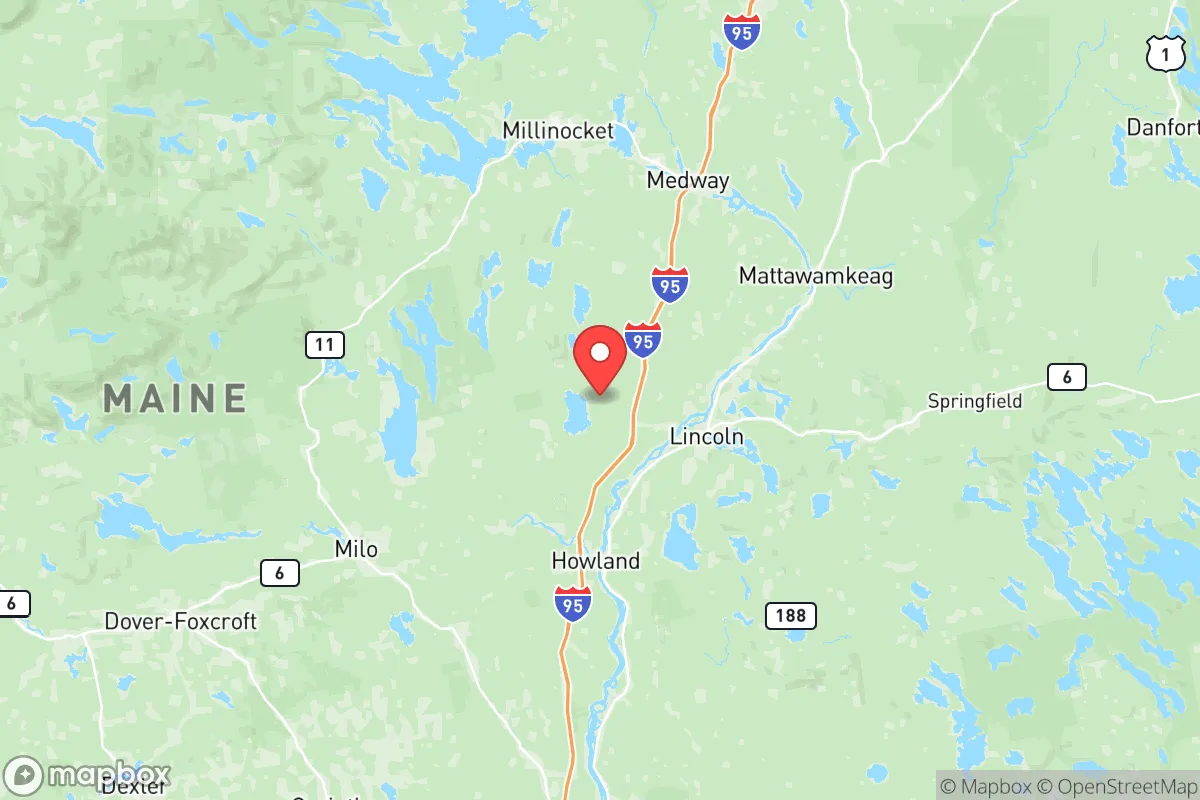
Beyond the Bangor metro, Penobscot County contains dozens of smaller towns and unincorporated areas that define its rural character. Lincoln (pop. ~5,000), located about 45 minutes northeast of Bangor, is a regional service center with a strong logging and manufacturing history, offering affordable housing and access to the Penobscot River. Millinocket (pop. ~4,200), gateway to Baxter State Park and Mount Katahdin, has a shrinking population but remains a base for hikers and snowmobilers. Dexter (pop. ~3,800) in the county's northwest corner is a classic mill town with a tight-knit community and low property taxes. For true remoteness, the unorganized territories like T3 R9 WELS and Mount Chase have no municipal government, minimal services, and populations in the dozens, attracting those who want complete autonomy and vast tracts of forestland. Eddington and Holden, just east of Bangor, offer suburban-style living on larger lots with quick commutes into the city.
Cost & lifestyle range
The county's overall cost of living index of 79 (100 = U.S. average) masks significant internal variation. In Bangor, the median home value of $193,800 and median rent of $997 are affordable by national standards but represent the high end locally. A typical three-bedroom home in Bangor's Fairmount neighborhood might sell for $220,000, while a comparable property in Lincoln or Millinocket can be found for $130,000–$150,000. At the low end, unincorporated townships offer raw land for under $20,000 per acre, though buyers must factor in well, septic, and road maintenance costs. The average commute of 22.8 minutes is manageable countywide, but residents in remote areas like T3 R9 WELS may drive 45 minutes to the nearest grocery store in Millinocket. Amenities follow a similar gradient: Bangor has multiple hospitals, a mall, and a university, while smaller towns like Dexter or Lincoln have a single grocery store, a pharmacy, and a diner. Internet access is generally reliable in population centers but can be spotty or satellite-only in the unorganized territories.
Penobscot County suits a wide range of lifestyles, but the right fit depends on tolerance for isolation and need for services. Young professionals and students thrive in Bangor and Orono, where jobs, nightlife, and education are within walking distance. Families often choose Hampden, Brewer, or Holden for their strong schools and safe neighborhoods with short commutes. Retirees and remote workers find value in Lincoln or Dexter, where home prices are low and the pace is unhurried. Off-grid homesteaders and outdoor enthusiasts are best matched to the unorganized townships, where land is cheap and neighbors are few. The county's strength is its variety: a resident can live in a downtown Bangor apartment, a suburban Brewer ranch, or a secluded cabin near Baxter State Park, all within the same tax base and school system.

Crime in Penobscot County
Lower crime rates than 81% of comparable U.S. locations.
Violent CrimeViolent Crime Analysis
Property CrimeProperty Crime Analysis
Crime Analysis
Penobscot County, Maine, presents a safety profile that is notably safer than national averages, though property crime remains a more common concern than violent incidents. With a violent crime rate of 93.4 per 100,000 residents and a property crime rate of 944.9 per 100,000, the county offers a generally secure environment, particularly in its smaller towns and rural areas. However, the presence of Bangor, the county seat and largest city, introduces localized crime dynamics that prospective residents should weigh carefully.
Crime in context
Penobscot County’s violent crime rate of 93.4 per 100,000 is roughly 75% lower than the national average of about 380 per 100,000, and also below the Maine state average of approximately 110 per 100,000. Property crime, at 944.9 per 100,000, is about 35% lower than the U.S. average of roughly 1,450 per 100,000, but slightly above the Maine state average of around 900 per 100,000. This means the county is a relatively safe place overall, but property offenses—such as theft, burglary, and motor vehicle theft—are the primary drivers of local crime statistics. The gap between violent and property crime rates is typical for rural and suburban counties in New England, where drug-related theft and opportunistic property crime are more prevalent than violent confrontations.
What residents experience
Daily life in Penobscot County is generally peaceful, but experiences vary significantly by location. Bangor accounts for a disproportionate share of the county’s crime, with higher rates of both violent and property offenses compared to surrounding communities. Incidents of assault, drug-related theft, and vandalism are more concentrated in Bangor’s downtown and lower-income neighborhoods. In contrast, towns like Orono (home to the University of Maine) and Hampden report much lower crime rates, benefiting from tighter-knit communities and more robust local policing. Brewer, directly across the Penobscot River from Bangor, offers a middle ground—safer than Bangor but with some spillover property crime. Old Town and Lincoln are generally quiet, though occasional drug-related incidents occur. The county’s judicial system, overseen by the Penobscot County District Attorney’s Office, has faced criticism for a progressive approach that some argue prioritizes rehabilitation over accountability. This philosophy, while well-intentioned, can result in lighter sentences for repeat offenders, potentially emboldening property crime and reducing deterrence. Residents in Bangor, in particular, have expressed frustration with a revolving-door justice system that fails to keep habitual thieves and drug dealers off the streets.
Neighborhood-level variation is pronounced. In Bangor, areas near the downtown core and along the Hogan Road corridor see higher crime, while residential neighborhoods like Fairmount and the East Side are safer. In Orono, the university campus and adjacent student housing areas have occasional theft and alcohol-related incidents, but violent crime is rare. Hampden and Hermon consistently rank among the safest communities in the county, with property crime rates well below the county average. For those seeking the lowest risk, rural towns like Enfield, Howland, and Mattawamkeag offer extremely low crime rates, though they lack the amenities of larger towns. Overall, Penobscot County is a safe choice for families and retirees, provided they choose their specific town and neighborhood with care—and remain aware that the county’s progressive judicial policies may not always deliver the swift justice that victims and the public deserve.
* Values derived from national, state, county, city and local statistics and may differ in a specific area. Last updated: 2026-07-01T12:43:00.000Z
Narrative content on this page is AI-generated and may contain mistakes. Verify any details that matter before acting on them.
ReloMaps may earn a commission from affiliate links at no extra cost to you.

