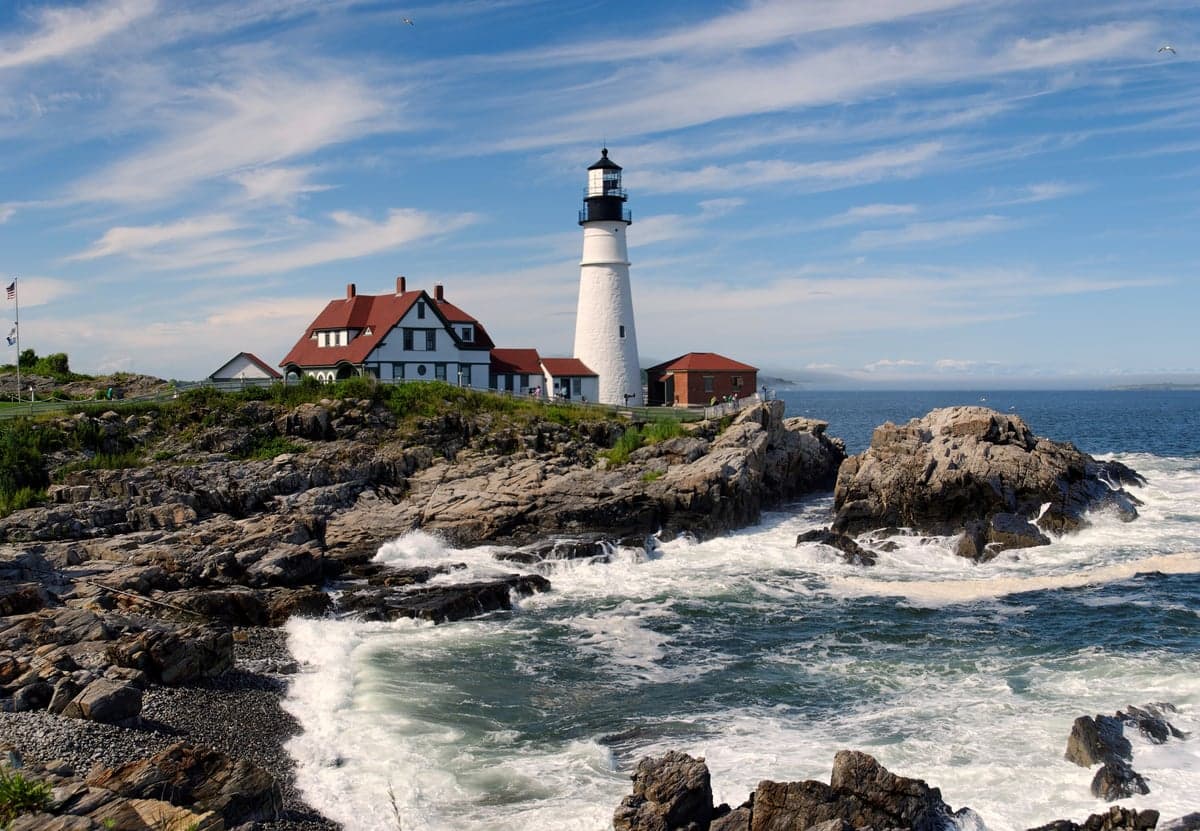
Photo: Wikipedia
Political ClimatePolitical Climate in Cumberland County
Showing district-level results — no local-only data available.
Local Political AnalysisPolitical Analysis of Cumberland County
Cumberland County is the deep-blue anchor of Maine politics, carrying a Cook Partisan Voting Index of D+11 that makes it one of the most reliably Democratic counties in New England. This isn't a recent shift — the county has been trending left for decades, driven by the growth of Portland and its inner-ring suburbs, but the acceleration since 2016 has been noticeable. In the 2020 presidential election, Joe Biden carried Cumberland County by roughly 30 points, a margin that effectively decided the statewide result in a state that splits its electoral votes. The county's political gravity is strong enough that any Republican hoping to win Maine statewide must either run up huge margins in the more conservative 2nd Congressional District or find a way to cut into Cumberland's Democratic advantage — and neither has proven easy in recent cycles.
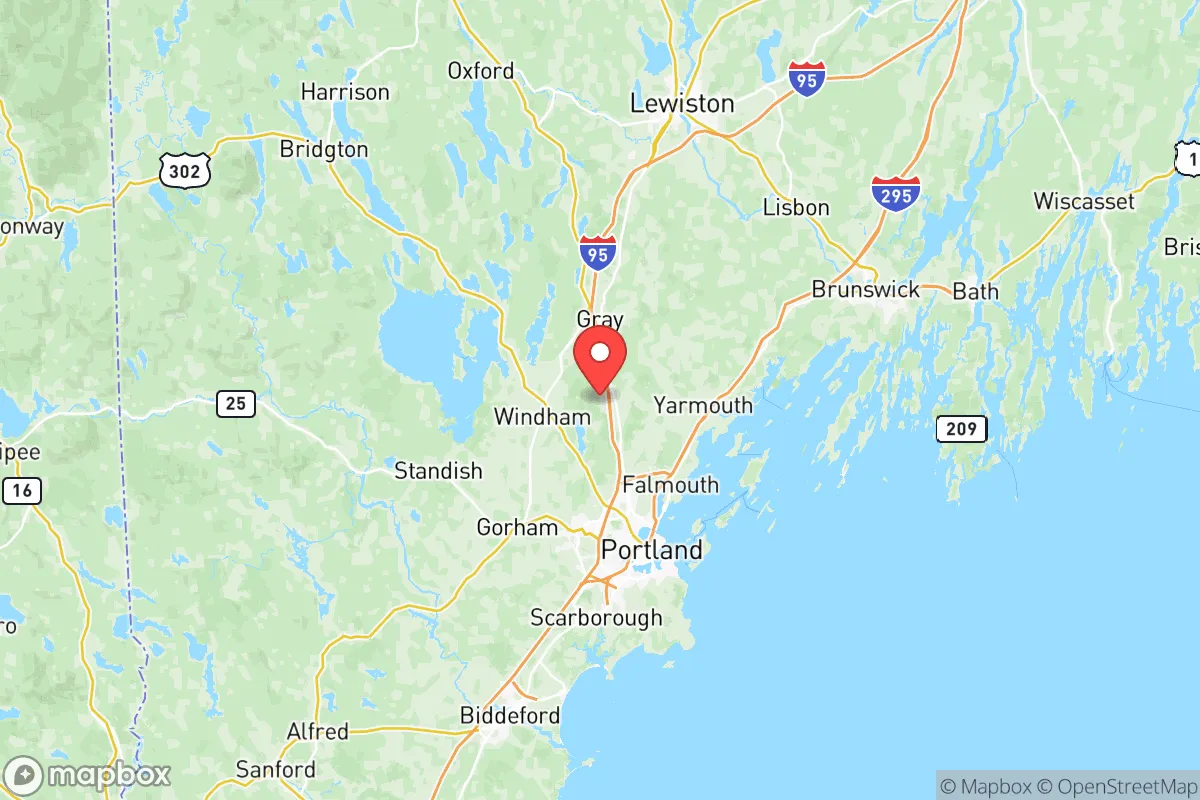
How it compares to the rest of Maine
The political divide within Cumberland County is almost as stark as the divide between the county and the rest of the state. Portland, South Portland, and Falmouth are the bluest cores — precincts where Democratic candidates routinely pull 70-80% of the vote. Drive 20 minutes north to Windham or Standish, and you'll find towns that vote more like the rest of Maine, often splitting nearly evenly or leaning slightly Republican. The real swing territory is in places like Gorham and Scarborough, where fast-growing suburban development has brought in younger families and remote workers from out of state, gradually nudging those towns leftward. By contrast, Maine's 2nd Congressional District — which covers the vast, rural northern and eastern parts of the state — is the polar opposite: a Trump-friendly, ancestrally Democratic region that has flipped hard to the GOP in presidential races. Cumberland County's D+11 rating means it votes about 11 points more Democratic than the national average, while the rest of Maine outside Cumberland leans roughly R+6 to R+8 depending on the election cycle.
What this means for residents
For liberal residents, Cumberland County offers a rare experience in northern New England: a place where progressive policies aren't just tolerated but actively pursued. Portland has a rent control ordinance, a Green New Deal-style climate action plan, and a city council that has debated defunding the police. The county as a whole reliably supports statewide ballot measures on marijuana legalization, paid family leave, and expanded Medicaid. For conservative residents, the political reality is more complicated. You can find like-minded neighbors in the county's outer towns — Windham, Raymond, and Naples consistently vote Republican at the local level — but you'll be living in a county where your state representative and county commissioner are almost certainly Democrats. That means conservative voices are often outnumbered on school boards, planning boards, and county government, particularly on issues around taxes, development regulations, and education policy. The practical effect is that conservative residents tend to feel more politically isolated here than they would in, say, Kennebec or Oxford counties, even though their day-to-day lives aren't dramatically different.
Culturally, Cumberland County's political lean shows up in tangible ways that go beyond election results. Portland's status as a sanctuary city means local law enforcement does not cooperate with federal immigration detainers, a policy that has drawn both praise and legal challenges. The county has also been an early adopter of plastic bag bans, polystyrene foam bans, and single-use plastic restrictions — policies that are common in coastal New England but rare in inland Maine. Property taxes in Cumberland County are among the highest in the state, a direct consequence of voters consistently approving school budgets and municipal services that more rural counties often reject. Looking ahead, the county's political trajectory seems locked in: continued in-migration from out-of-state professionals and retirees will likely push the D+11 index even further left over the next decade, while the outer towns may become more competitive as housing costs push younger families further from Portland.

State Political ClimatePolitical Climate in Maine
State Political AnalysisPolitical Environment in the State
Maine has long been a political paradox — a state that votes reliably Democratic in presidential elections but elects centrist, often independent-minded governors and splits its legislature between the parties. Over the past 20 years, the state has shifted from a classic swing state (voting for Bush in 2000, then Kerry, Obama, and Clinton) to a solidly blue lean at the presidential level, but with a deeply entrenched rural-urban divide that makes it one of the most politically fractured states in New England. For a conservative-leaning relocator, the reality is that you'll find strong Republican majorities in the northern and eastern counties, but state-level policy is increasingly driven by the Portland metro area and its progressive suburbs.
Urban vs. rural divide
The political map of Maine is essentially a tale of two states. The southern coastal corridor — from Kittery through Portland and up to Brunswick — is the Democratic stronghold, with Portland itself delivering margins of 80%+ for Democratic candidates. This region is growing fast, fueled by remote workers and out-of-state transplants, and it drives the state's overall blue lean. In contrast, the vast rural interior and northern counties — Aroostook, Piscataquis, Somerset, and Washington — vote heavily Republican, often by 20-30 points. The Second Congressional District, which covers most of this rural expanse, has flipped between parties in recent cycles and is one of the few competitive House districts in New England. Towns like Bangor and Lewiston are political bellwethers, often splitting their votes more evenly. The divide is stark: drive 30 minutes north of Portland and you're in Trump country; drive 30 minutes south and you're in the most liberal part of the state.
Policy environment
Maine's tax structure is a mixed bag for conservatives. The state has a progressive income tax with rates up to 7.15%, and property taxes are among the highest in the nation — a real burden for homeowners. There is no sales tax on most goods, but the state levies a 5.5% tax on prepared food and lodging. The regulatory environment is generally business-friendly compared to other New England states, but environmental regulations are strict, especially around coastal development and land use. Education policy is largely locally controlled, but the state has moved toward universal pre-K and increased funding for public schools. Healthcare is a major issue: Maine expanded Medicaid under the Affordable Care Act via a 2017 ballot initiative, and the state runs its own health insurance marketplace. Election laws are relatively open — same-day voter registration is allowed, and absentee voting is widely used. There is no voter ID law, which is a point of contention for conservatives who favor stricter measures.
Recent policy direction
Over the past five years, Maine has moved decisively left on several fronts. In 2023, the legislature passed a strict gun safety package including a 72-hour waiting period for firearm purchases, expanded background checks for private sales, and a "red flag" law allowing courts to temporarily remove firearms from individuals deemed a risk. This was a direct response to the Lewiston mass shooting in October 2023, which killed 18 people. On education, the state has expanded LGBTQ+ inclusive curriculum requirements and passed a law protecting transgender students' rights to use bathrooms and locker rooms matching their gender identity. Parental rights advocates have pushed back, but with limited success. On privacy and surveillance, Maine passed one of the strongest internet privacy laws in the country in 2019, requiring ISPs to get opt-in consent before selling customer data. On medical and bodily autonomy, Maine has codified abortion rights into state law and expanded access to gender-affirming care for minors. Property rights are generally respected, but the state's land use laws are complex, especially in the coastal zone. Taxation has not been cut significantly; in fact, the state raised the top income tax rate in 2021. Voting access has been expanded with automatic voter registration and no-excuse absentee voting. For a conservative relocator, the trend is clear: the state is moving left on social and cultural issues, even as it maintains a relatively moderate economic posture.
Civil unrest & political movements
Maine is not known for large-scale civil unrest, but there have been notable flashpoints. The Lewiston shooting in 2023 sparked intense debate over gun laws, with both gun rights advocates and gun control activists holding rallies at the State House. The "yellow vests" movement, which protested COVID-19 restrictions and vaccine mandates in 2020-2021, was active in rural areas, with large gatherings in Augusta and Bangor. There is a small but vocal secessionist movement in northern Maine — the "State of Northern Maine" proposal — which has gained some traction in Aroostook County, though it remains fringe. Immigration politics are less heated than in other states, but there have been tensions in Lewiston and Portland over the influx of asylum seekers, with some local officials calling for more federal support. Election integrity has been a recurring issue: Maine uses ranked-choice voting for federal elections, which conservatives have criticized as confusing and prone to error, though it has survived legal challenges. The state's independent streak is real — voters have elected independent governors (Angus King, now a U.S. Senator) and regularly split tickets. A new resident would notice that political signs and bumper stickers are common, but the tone is generally civil compared to more polarized states.
Projection
Over the next 5-10 years, Maine is likely to become more Democratic at the state level, driven by continued in-migration to the Portland area and the southern coast. The rural population is aging and declining, while the urban corridor is growing. This demographic shift will likely entrench the current policy trajectory: more gun control, expanded social services, and progressive education policies. However, the state's independent streak and the strength of the rural Republican base mean that the legislature will remain competitive, and governors will continue to be moderates. For a conservative relocator, the practical reality is that you can find a welcoming community in rural Maine, but you will be living under state laws that are increasingly out of step with your values. The tax burden is not going down, and property taxes will continue to rise as the state grapples with an aging population and rising costs. The best bet for a conservative is to look at towns like Oxford, Rumford, or Dover-Foxcroft, where the local culture is more aligned with traditional values, but accept that state-level politics will be a constant frustration.
Bottom line: Maine offers a beautiful, safe, and relatively affordable place to live, but the political climate is a trade-off. If you value low taxes, gun rights, and local control, you will find the state's direction frustrating. If you can tolerate a blue state with a strong rural counterculture, you can carve out a good life here. The key is to know what you're getting into — and to choose your town wisely.
* Values derived from national, state, county, city and local statistics and may differ in a specific area. Last updated: 2026-07-12T08:32:58.000Z
Narrative content on this page is AI-generated and may contain mistakes. Verify any details that matter before acting on them.
ReloMaps may earn a commission from affiliate links at no extra cost to you.

