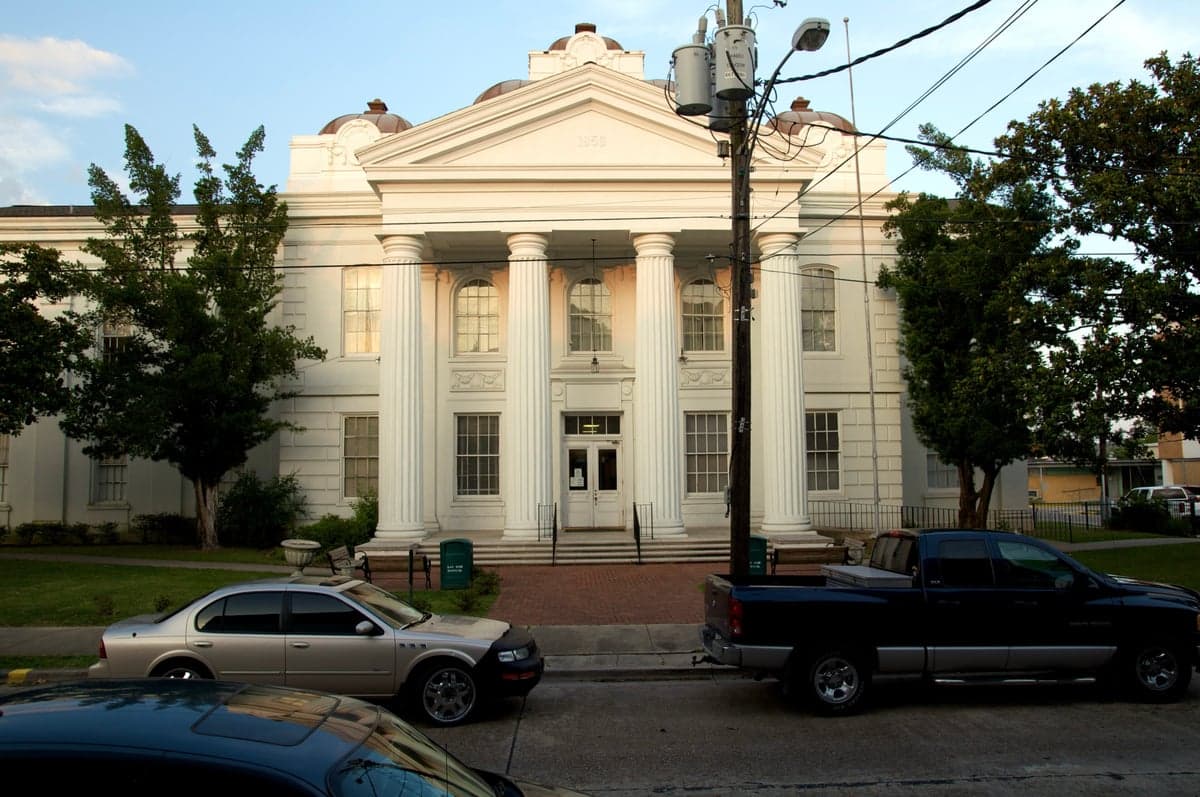
Photo: Wikipedia
Quality of Life in Lafourche County
A livable area that tracks near national norms for affordability, walkability, and neighborhood health.
What does Quality of Life tell us?
Quality of Life measures an area by evaluating factors like cost of living, nearby amenities, country club access, airport proximity, socioeconomic signals and neighborhood character. For large states, this is a general average — quality of life can vary dramatically between metro areas, suburbs, and rural communities within the same state.
What does this tell us?
Quality of Life measures an area by evaluating factors like cost of living, nearby amenities, country club access, airport proximity, socioeconomic signals and neighborhood character. For large states, this is a general average — quality of life can vary dramatically between metro areas, suburbs, and rural communities within the same state.
Cost of Living
25% below national average
116%
The Real Cost of Living in Lafourche County for 2026
| Tier | Individual | Family (4) |
|---|---|---|
| Survival | $15k | $28k |
| Comfortable | $37k | $54k |
| Luxury | $112k+ | $174k+ |
| Elite (Top 5%) | $132k+ | $205k+ |
Quality-of-Life Analysis
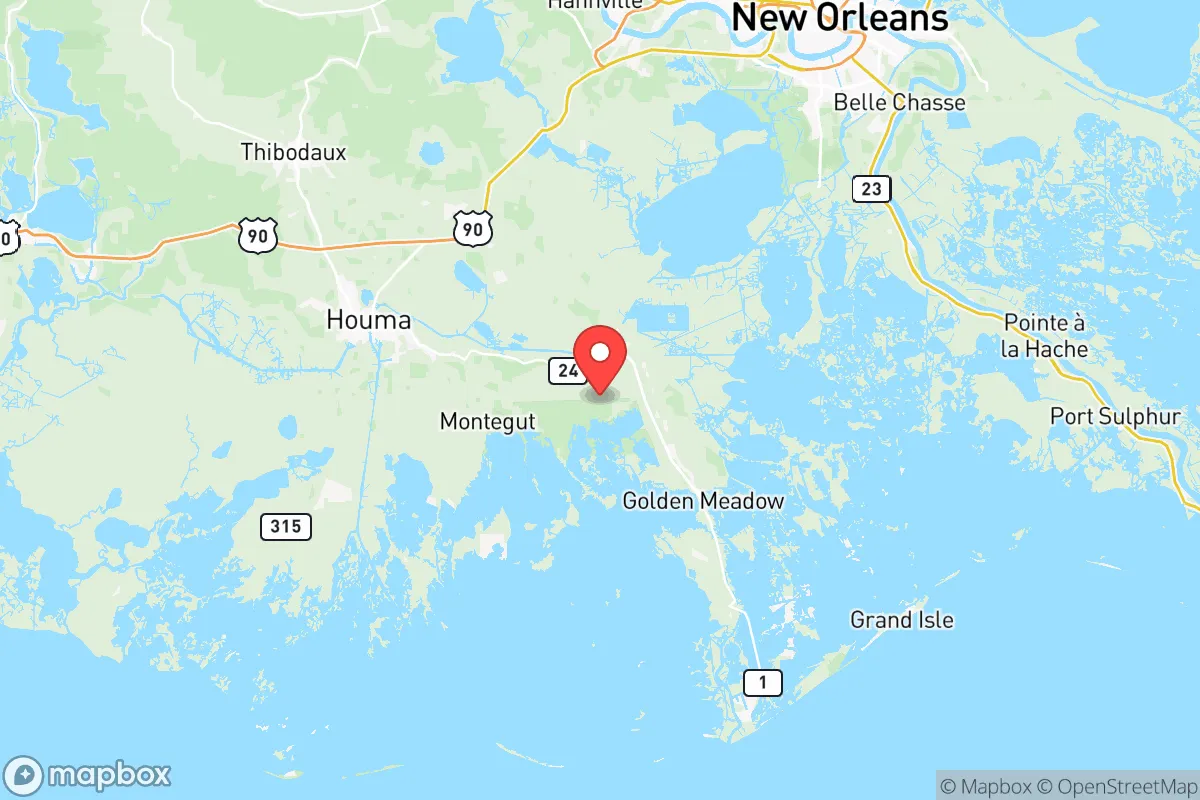
Lafourche Parish, Louisiana, offers a quality-of-life spectrum that ranges from the bayou-side bustle of its largest town, Thibodaux, to the quiet, unincorporated fishing communities like Leeville and Golden Meadow further south. With a cost of living index of 75 — well below the national average of 100 — the parish attracts a mix of university employees, oil-and-gas workers, and families seeking affordable waterfront living. The character of daily life shifts noticeably as you travel along Bayou Lafourche, from the collegiate energy of the north to the working-waterfront culture of the coastal south.
Largest town(s) & population centers
Thibodaux, the parish seat and home to Nicholls State University, is the primary population and employment hub. Daily life here centers on the university campus, the historic downtown along West Main Street, and the commercial corridors of Canal Boulevard and St. Mary Street. The median home value in Lafourche Parish is $190,800, and the median rent is $933, making Thibodaux a practical choice for faculty, healthcare workers at Thibodaux Regional Medical Center, and commuters who face an average drive of about 26 minutes to work. Raceland, located along U.S. Highway 90, functions as a secondary commercial node with big-box retail and quick access to Houma, while Larose and Cut Off serve as the main service centers for the central and southern parts of the parish. These towns offer a mix of chain restaurants, local seafood markets, and essential services, but lack the cultural amenities — such as live theater or a major concert venue — found in larger Louisiana metros.
Smaller towns & rural pockets
South of the population centers, the parish narrows into a string of unincorporated communities hugging Bayou Lafourche. Golden Meadow and Leeville are the most notable, functioning as gateways to the Gulf of Mexico and Port Fourchon, a critical hub for offshore energy. These areas are almost entirely residential and industrial, with few retail options and a strong reliance on the fishing and oilfield industries. Lockport, slightly north, offers a quieter, more suburban feel with older homes along the bayou and a slower pace of life. Further inland, Chackbay and Choctaw are rural, unincorporated areas dominated by farmland, bayous, and scattered subdivisions. Residents in these pockets typically commute 30 to 40 minutes to Thibodaux or Houma for work and shopping, trading convenience for larger lots, lower property taxes, and a sense of isolation that appeals to those seeking privacy.
Cost & lifestyle range
The cost of living varies modestly across the parish, but the trade-offs between amenities and space are significant. At the higher end of the spectrum, Thibodaux offers the most services — grocery stores, medical clinics, restaurants, and a university campus — with home prices typically ranging from the parish median of $190,800 up to around $250,000 for newer construction in subdivisions like Acadia Plantation. At the lower end, Golden Meadow and Leeville have median home values closer to $140,000, but residents face longer drives to hospitals and supermarkets, and flood insurance is a mandatory and significant expense. Renters in these southern communities often pay below the parish median of $933, with some two-bedroom units available for under $800. The average commute across the parish is 26.5 minutes, but that figure masks a split: Thibodaux-area residents often commute under 20 minutes, while those in Leeville or Golden Meadow may drive 35 to 45 minutes to reach a full-service grocery store or a primary care doctor.
Families and professionals who value walkable access to a university town and a short commute will find Thibodaux the most practical fit. Retirees, fishing guides, and offshore workers who prioritize waterfront property and a slower rhythm of life are better suited to the southern communities like Golden Meadow or Lockport. Lafourche Parish does not offer the nightlife or cultural density of New Orleans or Baton Rouge, but its low cost of living, strong sense of place, and direct connection to Louisiana's working bayou culture make it a compelling choice for those who know what they are looking for.

Crime in Lafourche County
Crime rates similar to the national median for U.S. locations.
Violent CrimeViolent Crime Analysis
Property CrimeProperty Crime Analysis
Crime Analysis
Lafourche County, Louisiana, reports a violent crime rate of 361.5 per 100,000 residents and a property crime rate of 1,418 per 100,000, placing it in a moderate safety tier within the state. These figures are significantly lower than those of major Louisiana metros like New Orleans or Baton Rouge, but they remain above national averages, meaning residents face a real but manageable risk, particularly in certain unincorporated areas and smaller towns. The county's safety profile is shaped by its mix of bayou communities, industrial corridors tied to the oil and gas sector, and a local justice system that has historically taken a tougher stance on crime than the more progressive jurisdictions found in larger urban parishes.
Crime in context
Lafourche County's violent crime rate of 361.5 per 100,000 is roughly 25% higher than the national average of about 290 per 100,000, but it is well below the Louisiana state average of approximately 540 per 100,000. Property crime in the county, at 1,418 per 100,000, is slightly below the national average of 1,450 per 100,000 and significantly lower than the state average of 2,200 per 100,000. This pattern suggests that while Lafourche is not a high-crime outlier, it does contend with a disproportionate share of violent offenses—often tied to domestic disputes and drug-related incidents—rather than widespread property theft. The county's location outside the progressive judicial influence of larger metro areas like New Orleans means that district attorneys in the 17th Judicial District (covering Lafourche) have generally pursued tougher sentencing, which helps keep recidivism rates lower than in parishes with more lenient, offender-focused policies.
What residents experience
Daily life in Lafourche County varies sharply by location. The largest town, Thibodaux, sees a concentration of both violent and property crime, particularly around the Nicholls State University area and along Canal Boulevard, where bar fights and vehicle break-ins are common. Raceland, a smaller community along U.S. 90, reports fewer violent incidents but has a notable property crime problem tied to transient populations using the highway corridor. In contrast, Lockport and Golden Meadow—smaller, more insular bayou towns—experience very low crime rates, with residents often leaving doors unlocked and reporting only occasional thefts. The unincorporated areas between Larose and Cut Off are generally safe, though drug-related burglaries have ticked up in recent years. The Lafourche Parish Sheriff's Office maintains a visible presence in these rural stretches, and the absence of progressive "catch-and-release" policies means that repeat offenders are more likely to face jail time, a factor that reassures long-term residents.
Neighborhood-level variation is pronounced. The Bayou Blue area, a bedroom community for Houma and Thibodaux workers, consistently reports the lowest crime rates in the parish, with violent crime nearly absent. Conversely, the South Thibodaux neighborhood near the Lafourche Parish Correctional Complex sees higher rates of assault and drug arrests. For families and retirees, the safest bets are the smaller towns south of Thibodaux—Lockport, Golden Meadow, and Galliano—where community ties are strong and the justice system's conservative approach keeps property crime in check. Anyone considering a move should check the Lafourche Parish Sheriff's Office online crime map for block-level data, as a single street can shift from very safe to moderate risk within a few blocks, especially near the bayou's industrial access points.
* Values derived from national, state, county, city and local statistics and may differ in a specific area. Last updated: 2026-06-27T16:03:39.000Z
Narrative content on this page is AI-generated and may contain mistakes. Verify any details that matter before acting on them.
ReloMaps may earn a commission from affiliate links at no extra cost to you.

