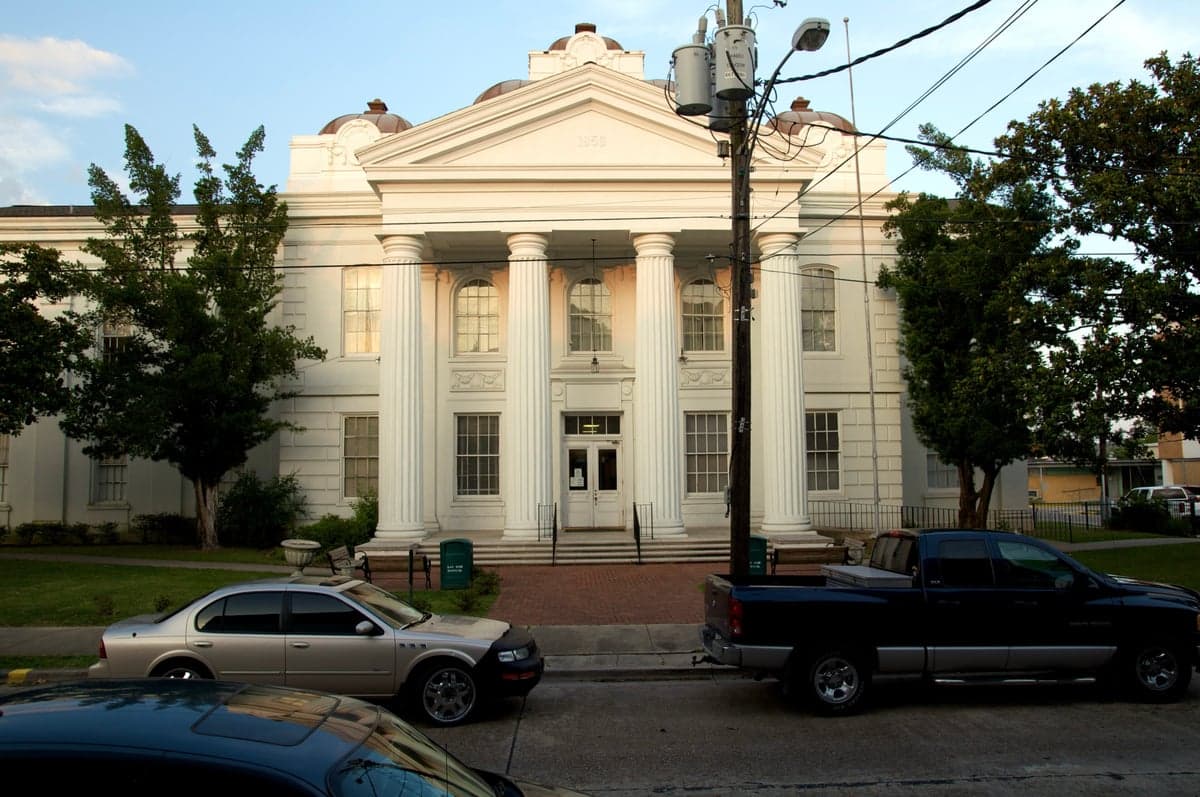
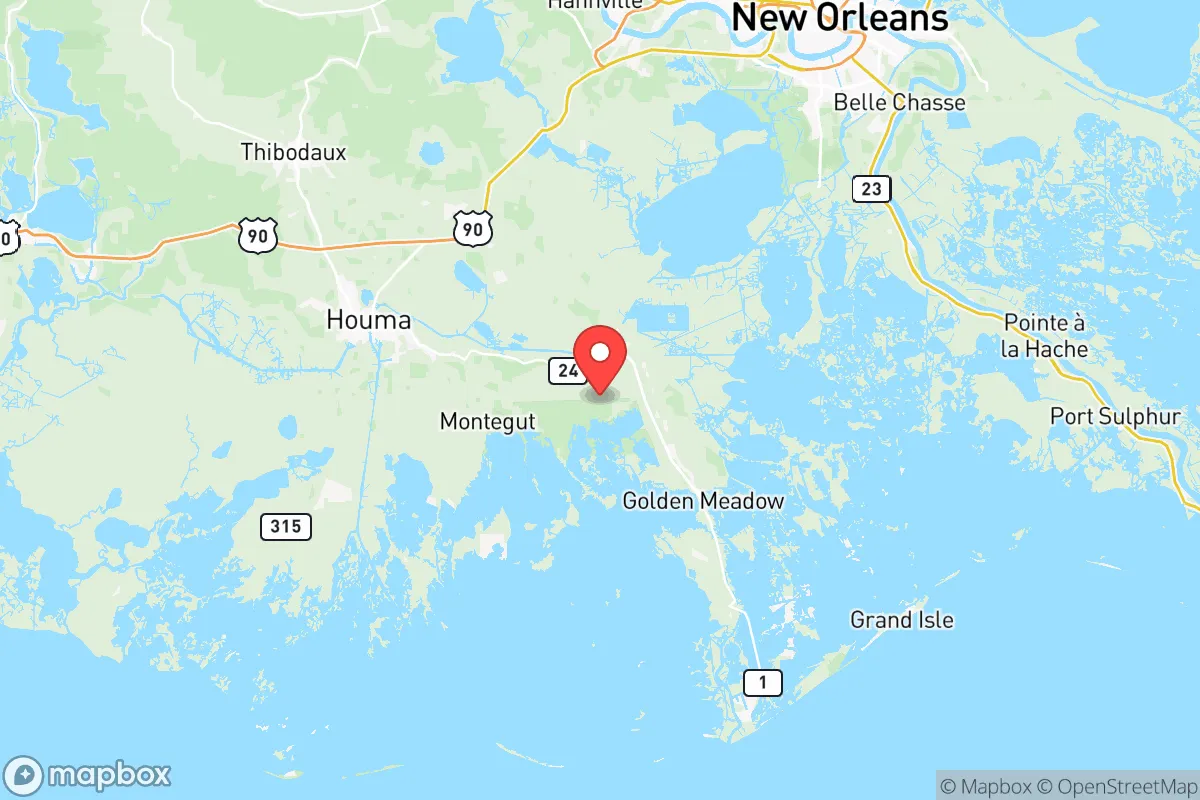
Photo: Wikipedia
Find The Best Places To Live in Lafourche County
PRO TIP! You can paste a Zillow or Redfin link to get info on that property.
Best Places to Live in Lafourche County

Cities & Towns in Lafourche County
Cities in Lafourche County
What It's Like Living in Lafourche County, LA
Living in Lafourche County means trading the tourist crowds of Grand Isle for the real Cajun country, where the bayous run thick with shrimp boats and the smell of crawfish boil hangs in the air from Thibodaux to Golden Meadow. It’s a place where family names run deep, high school football is a Friday-night religion, and the cost of living is low enough that a median home value of $190,800 still buys you a solid three-bedroom with a boat shed. If you’re looking for a quiet, rooted community with strong Catholic traditions, a working waterfront, and a pace that doesn’t rush, this stretch of southeast Louisiana might feel like home.
Daily Rhythm: Bayou Time and Boat Traffic
Most mornings in Lafourche start early. In Thibodaux, the county seat and largest town, you’ll see pickup trucks lined up at Fremin’s Restaurant for plate lunches—fried catfish, smothered okra, and rice and gravy that sticks to your ribs. The average commute here clocks in at about 26 minutes, which is longer than you’d expect for a rural parish, but that’s because many residents drive to oil-and-gas jobs in Houma or Morgan City, or up to the chemical plants along the Mississippi River. The median household income of $63,439 is solid for the region, and the cost of living index of 75 means your paycheck goes noticeably further than it would in Baton Rouge or New Orleans. People spend weekends on the water—fishing for speckled trout in Bayou Lafourche, crabbing off the docks in Larose, or running their boats to Grand Isle for a beach day. The rhythm is dictated by the seasons: crawfish season in spring, shrimp season in summer, and deer season in fall, when half the parish seems to disappear into the swamps.
Sports, Community, and Friday-Night Lights
High school football is the social calendar in Lafourche. Thibodaux High School and South Lafourche High School (in Galliano) draw crowds that rival small colleges, with parents, grandparents, and former players packing the bleachers every Friday night. The rivalry between Thibodaux and Central Lafourche (in Mathews) is the kind of thing that splits families and fills local bars like Spahr’s Bar in Thibodaux with post-game debates. Beyond football, the parish is proud of its Cajun heritage—the Thibodaux Firemen’s Fair every May is a massive carnival with rides, live zydeco music, and enough fried dough to feed an army. Larose Regional Park hosts the Larose Frog Festival in July, a quirky celebration with frog-jumping contests and Cajun food vendors. For a quieter evening, locals head to Peltier Park in Thibodaux for outdoor concerts or to the Jean Lafitte Wetlands Acadian Cultural Center to learn about the area’s Acadian roots. There’s no pro sports team in the parish, but New Orleans is an hour and a half away, so Saints and Pelicans fans make the drive on weekends.
What It Costs and Who Fits In
Lafourche County is a place where your dollar buys space and simplicity. The median home value of $190,800 gets you a brick ranch on a half-acre lot in Raceland or a raised camp-style house on the bayou in Lockport. Rent is similarly affordable—a two-bedroom apartment in Thibodaux runs around $800 to $1,000. The trade-off is that only 20.4% of adults hold a bachelor’s degree, so white-collar professional jobs are limited; most of the economy runs on oilfield services, commercial fishing, healthcare (Thibodaux Regional Medical Center is a major employer), and education (Nicholls State University anchors the town). The kind of person who thrives here is someone who values family, doesn’t mind humidity that hits 90% in August, and prefers a boat in the driveway to a country-club membership. It’s a conservative-leaning area—gun ownership is common, church attendance is high, and you’ll hear more Cajun French spoken at the grocery store than Spanish. The violent crime rate of 361.5 per 100,000 is higher than the national average, and locals will tell you to keep your truck doors locked in certain parts of Thibodaux after dark, but most property crime is opportunistic rather than organized.
Pros and Cons of Living Here
- What locals love: The food is world-class without the tourist markup—boudin from Bourgeois Meat Market in Thibodaux, boiled shrimp at Larose’s Big Al’s Seafood, and king cake from Broussard’s Bakery during Mardi Gras. The outdoor life is unmatched: fishing, hunting, and boating are not hobbies but lifestyles. The sense of community is real—your neighbor will bring you gumbo when you’re sick, and the volunteer fire departments are the backbone of small towns like Cut Off and Gheens.
- What frustrates people: Hurricane season is a genuine stressor—every summer brings the possibility of evacuation, and flood insurance is mandatory in most areas. Job diversity is thin; if you’re not in oil, gas, fishing, or healthcare, you’re likely commuting to Houma or New Orleans. The public schools are a mixed bag—some are excellent (like Thibodaux Elementary), but others struggle with funding, and many families opt for private Catholic schools like E.D. White Catholic High School in Thibodaux. The humidity and mosquitoes are relentless from May through October, and the nearest major airport (Louis Armstrong New Orleans International) is a solid 75-minute drive without traffic.

* Values derived from national, state, county, city and local statistics and may differ in a specific area. Last updated: 2026-06-27T16:03:39.000Z
Narrative content on this page is AI-generated and may contain mistakes. Verify any details that matter before acting on them.
ReloMaps may earn a commission from affiliate links at no extra cost to you.

