Quality of Life in Locust Grove, VA
A high quality of life with strong walkability, manageable living costs, healthy neighborhood signals, and solid amenity access.
What does Quality of Life tell us?
Quality of Life blends cost of living, nearby amenities, socioeconomic signals, and neighborhood character. City-level scores represent the whole municipality; individual neighborhoods can differ.
What does this tell us?
Quality of Life blends cost of living, nearby amenities, socioeconomic signals, and neighborhood character. City-level scores represent the whole municipality; individual neighborhoods can differ.
Cost of Living
29% above national average
The Real Cost of Living in Locust Grove, VA for 2026
| Tier | Individual | Family (4) |
|---|---|---|
| Survival | $24k | $45k |
| Comfortable | $70k | $103k |
| Luxury | $164k+ | $255k+ |
| Elite (Top 5%) | $204k+ | $317k+ |
88%
* median household income, median home value, and 2 more figures substituted from state-level data — local Census figures unavailable for small populations
The Area Signal
A metric tracking the socioeconomic signals of the area.
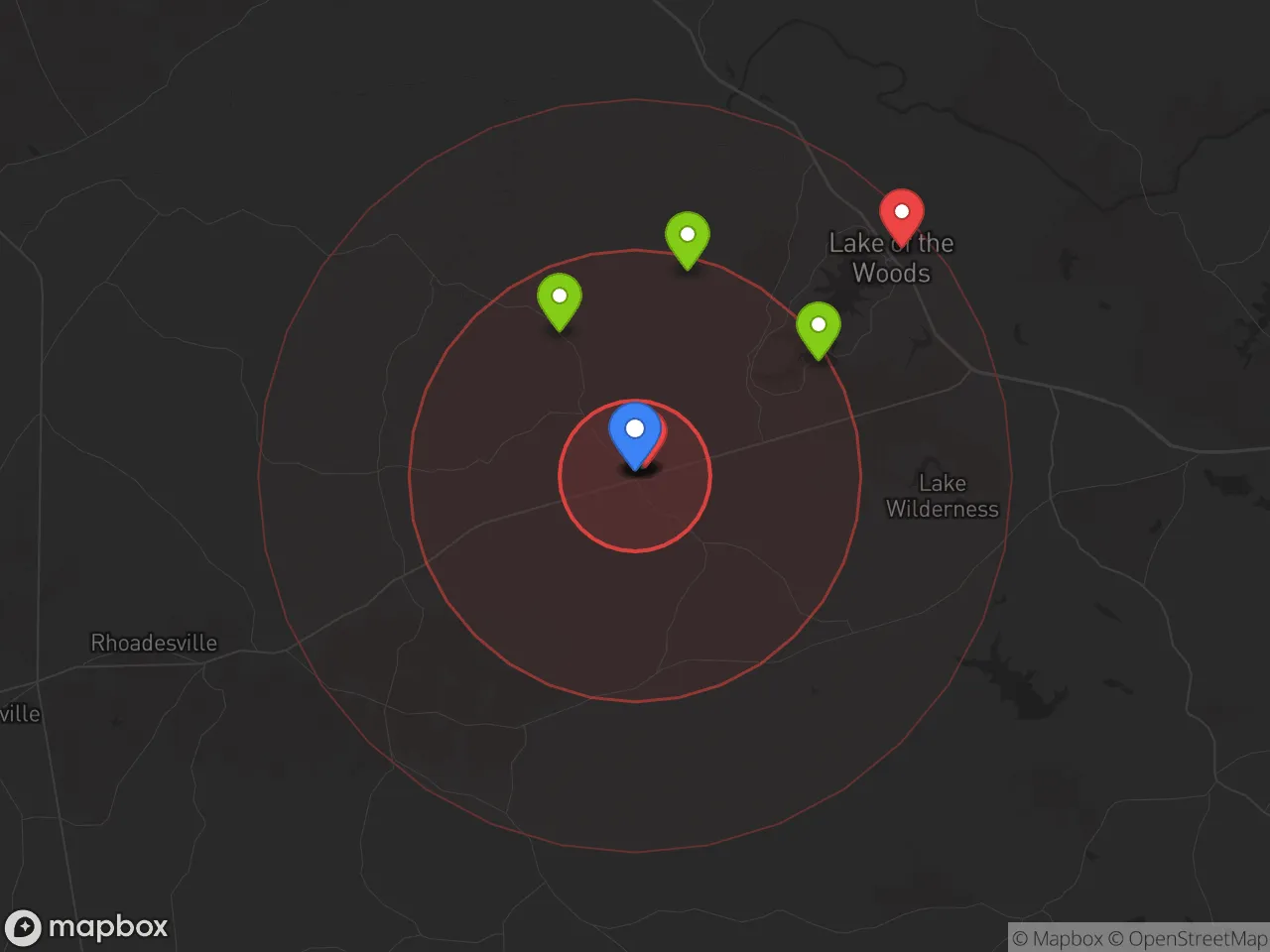
Hobbies
Explore the areaGroceries
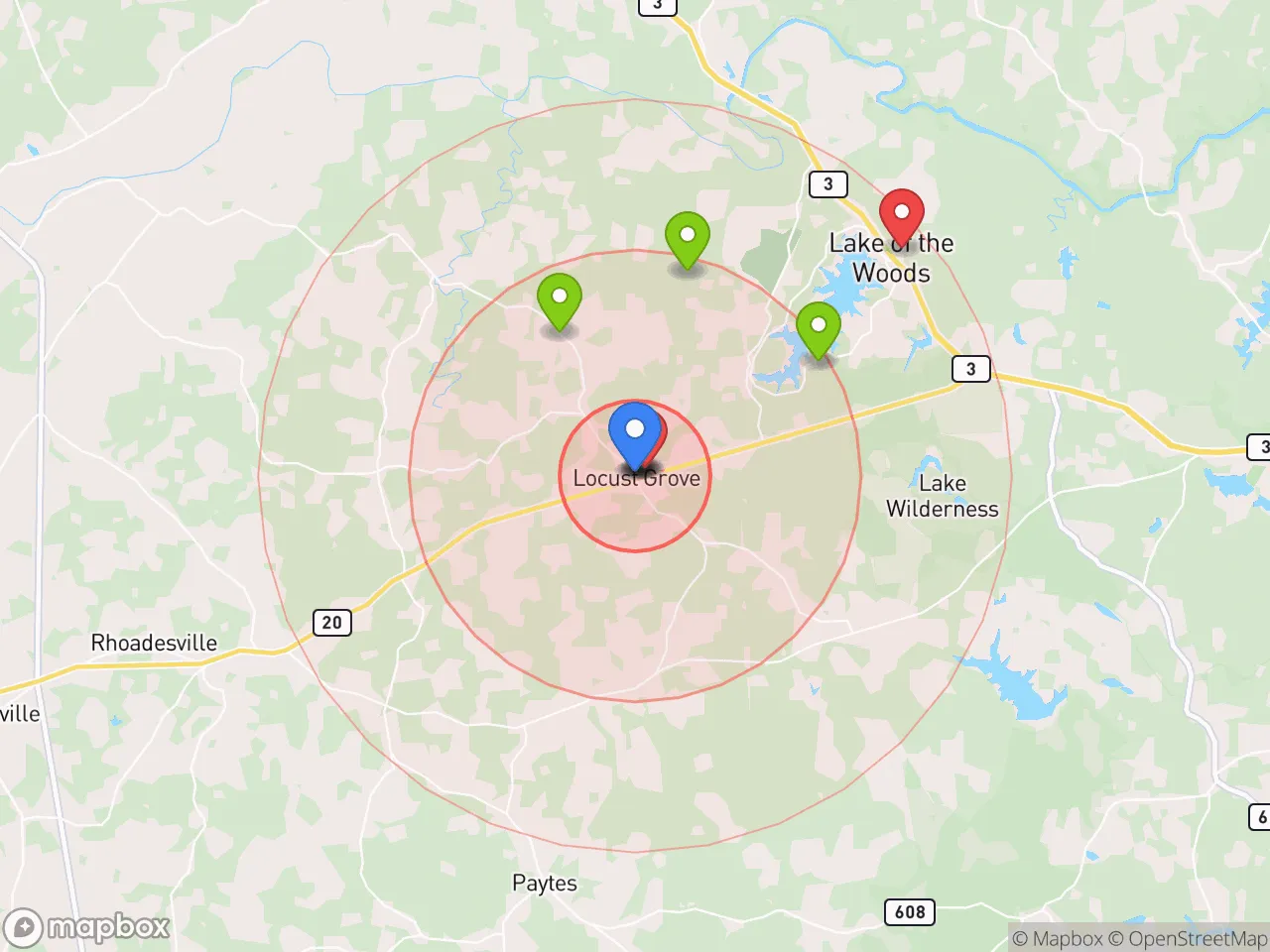
1 within 10 miles
Gas
10 within 10 miles
Hospital
4 within 20 miles
Airport
IAD — Washington Dulles International
Post Office
USPS — Locust Grove, VA
Critical Amenities
Quality-of-Life Analysis
Locust Grove, Virginia, is an affluent exurban community in Orange County where the cost of living index of 129 (29% above the U.S. average) signals a population of established professionals, remote workers, and families who prioritize space and rural tranquility over urban convenience. The area’s demographic skews toward higher-income households, with many residents drawn by the blend of historic charm, proximity to Lake of the Woods, and a slower pace that contrasts sharply with the denser suburbs of Fredericksburg or Northern Virginia. This is not a place for budget-conscious first-time buyers, but for those who can afford the premium, the trade-off is a low-crime, nature-rich environment with strong community ties.
Cost of living and housing affordability compared to Fredericksburg and Culpeper
Housing is the primary driver of Locust Grove’s elevated cost of living. The median home value of $360,700 is roughly 15% higher than the national median and significantly above nearby Culpeper ($310,000) and Orange town ($280,000), though still well below the Northern Virginia suburbs where comparable homes often exceed $600,000. Renters face a median rent of $1,514, which is manageable for dual-income households but steep for single earners; by comparison, Fredericksburg’s median rent hovers around $1,400, while Culpeper’s is closer to $1,250. The average commute of 27.6 minutes—longer than the national average of 26 minutes—reflects the area’s role as a bedroom community for workers commuting to jobs in Fredericksburg (30 minutes), Culpeper (20 minutes), or even Quantico Marine Corps Base (45 minutes). Property taxes in Orange County are moderate at roughly 0.85% of assessed value, keeping annual carrying costs lower than in neighboring Spotsylvania or Stafford counties.
Schools, local amenities, and what daily life feels like
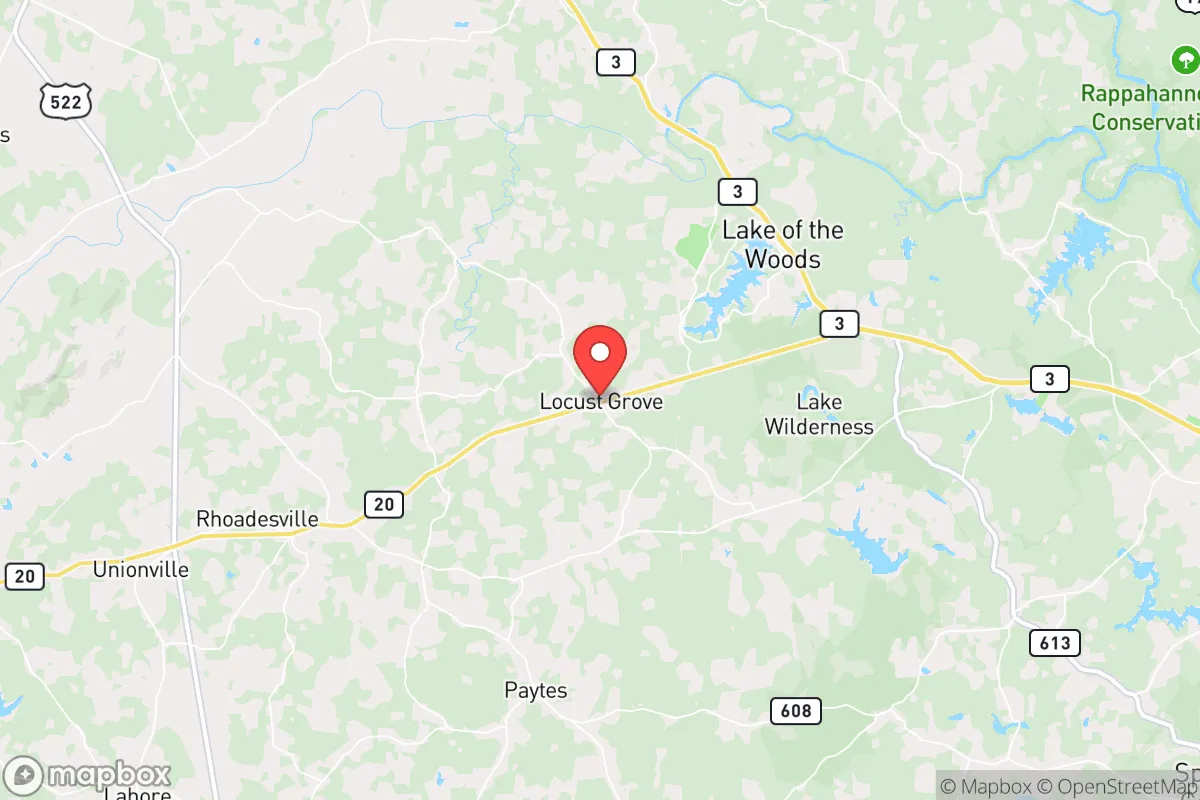
Daily life in Locust Grove revolves around the Lake of the Woods gated community—a 3,400-acre residential and recreational development with two golf courses, a private beach, tennis courts, and a clubhouse that serves as the social hub for many residents. Public schools are part of Orange County Public Schools, with Locust Grove Primary, Locust Grove Elementary, and Locust Grove Middle School feeding into Orange County High School; the district’s student-teacher ratio of 14:1 is favorable, though state test scores in math and reading hover near the Virginia average. For groceries and errands, residents drive 10 minutes to the Walmart Supercenter in Orange or 15 minutes to the Food Lion in Culpeper, while dining and entertainment options are limited to a handful of local restaurants (e.g., The Bavarian Chef for German cuisine) and seasonal farmers’ markets. The area lacks a hospital—the nearest emergency room is 20 minutes away at Novant Health UVA Health System in Culpeper—and no major shopping mall exists within a 30-minute radius, reinforcing the quiet, self-contained rhythm of exurban life.
Locust Grove is best suited for families and remote workers who value space, safety, and outdoor recreation over urban amenities. The high cost of living and limited job opportunities within the immediate area mean that most residents either work remotely, commute to larger employment centers, or are retired. Those who thrive here are willing to trade walkability and nightlife for a 1-acre lot, a 20-minute drive to the nearest grocery store, and a community where neighbors know each other by name. For anyone seeking a more affordable or transit-connected alternative, Culpeper or Fredericksburg would be better fits; for those who can afford the premium, Locust Grove offers a rare combination of rural privacy and structured amenities that is increasingly hard to find in central Virginia.

Crime in Locust Grove, VA
Generally safer than 60% of comparable U.S. locations.
Violent CrimeViolent Crime Analysis
Property CrimeProperty Crime Analysis
Crime Analysis
Locust Grove, Virginia, presents a mixed safety profile for prospective residents. The community's violent crime rate of 209.8 per 100,000 residents is notably lower than the national average, but its property crime rate of 1,392.4 per 100,000 is significantly elevated, indicating a higher risk of theft and burglary. As a small town situated within commuting distance of the Washington, D.C., metro area, Locust Grove’s crime dynamics are influenced by both its rural character and its proximity to a large urban center with progressive criminal justice policies that can affect regional crime patterns.
Crime in context
Locust Grove’s violent crime rate of 209.8 per 100,000 is roughly 40% lower than the national average of about 380 per 100,000, and well below the Virginia state average of approximately 240 per 100,000. This suggests that serious offenses like homicide, assault, and robbery are relatively uncommon here. However, the property crime rate of 1,392.4 per 100,000 is about 15% higher than the national average and nearly 30% higher than the Virginia state average. This disparity is a key concern, as it points to a community where theft, vehicle break-ins, and vandalism are more frequent than in comparable rural or suburban areas. The influence of the broader D.C. metro area, which includes jurisdictions with progressive district attorneys and lenient sentencing policies, may contribute to property crime spillover into surrounding communities like Locust Grove.
What residents experience
For daily life, the low violent crime rate means most residents feel safe walking in their neighborhoods and using local parks. The primary safety concern is property crime, which often manifests as theft from vehicles, package theft, and occasional burglaries. Residents should take standard precautions: locking cars, securing sheds and garages, and using outdoor lighting. The elevated property crime rate is a direct consequence of a regional justice environment where progressive prosecutors in nearby urban centers prioritize alternatives to incarceration, leading to higher recidivism and more criminals operating in less densely populated areas. This creates a frustrating dynamic where victims in Locust Grove may see property crimes treated with less severity than they would in a more conservative jurisdiction.
Neighborhood-level variation in Locust Grove is significant. Areas closer to the main commercial corridors, such as the intersection of State Route 20 and State Route 3, tend to see higher property crime due to easier access and more transient traffic. In contrast, the more rural subdivisions and gated communities on the outskirts report fewer incidents. Prospective residents should research specific subdivisions and consult local law enforcement for block-level data, as the town’s overall statistics mask these important differences. The safest choice is typically a home in a well-established, low-traffic residential area away from major roads.
* Values derived from national, state, county, city and local statistics and may differ in a specific area. Last updated: 2026-09-10T03:06:51.000Z
Narrative content on this page is AI-generated and may contain mistakes. Verify any details that matter before acting on them.
ReloMaps may earn a commission from affiliate links at no extra cost to you.

