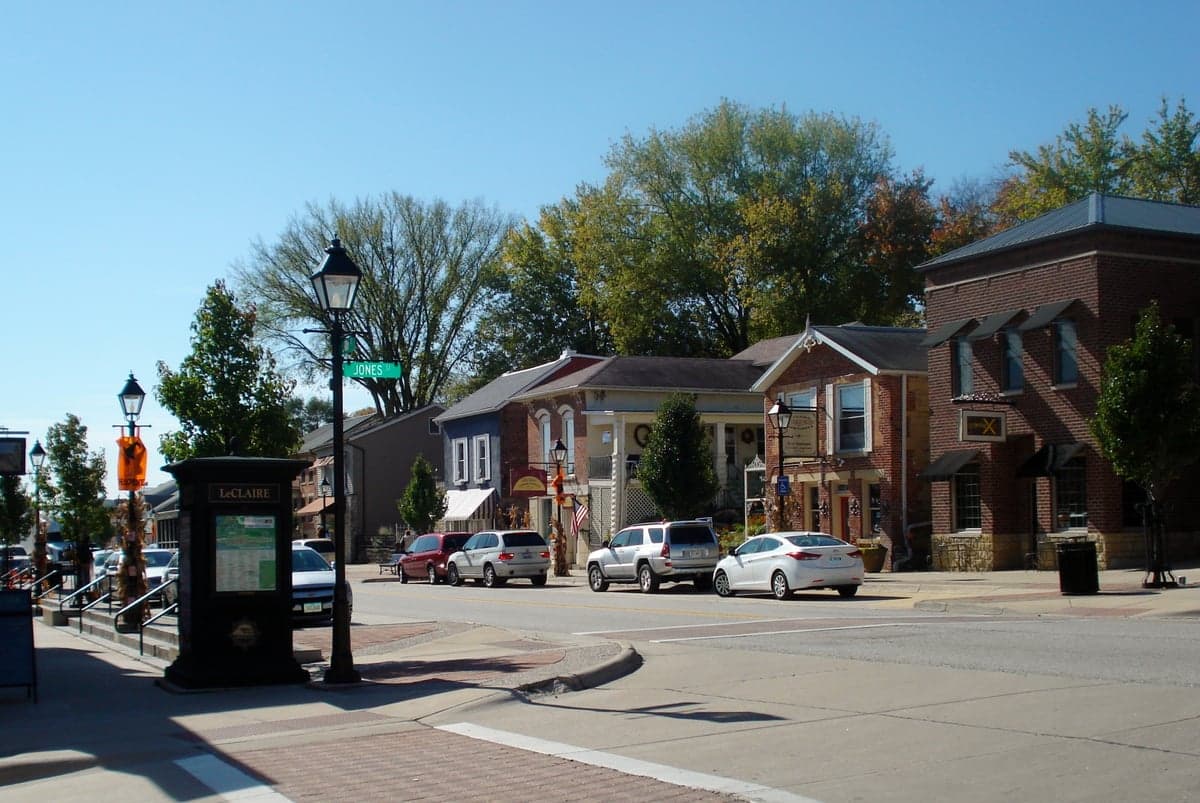
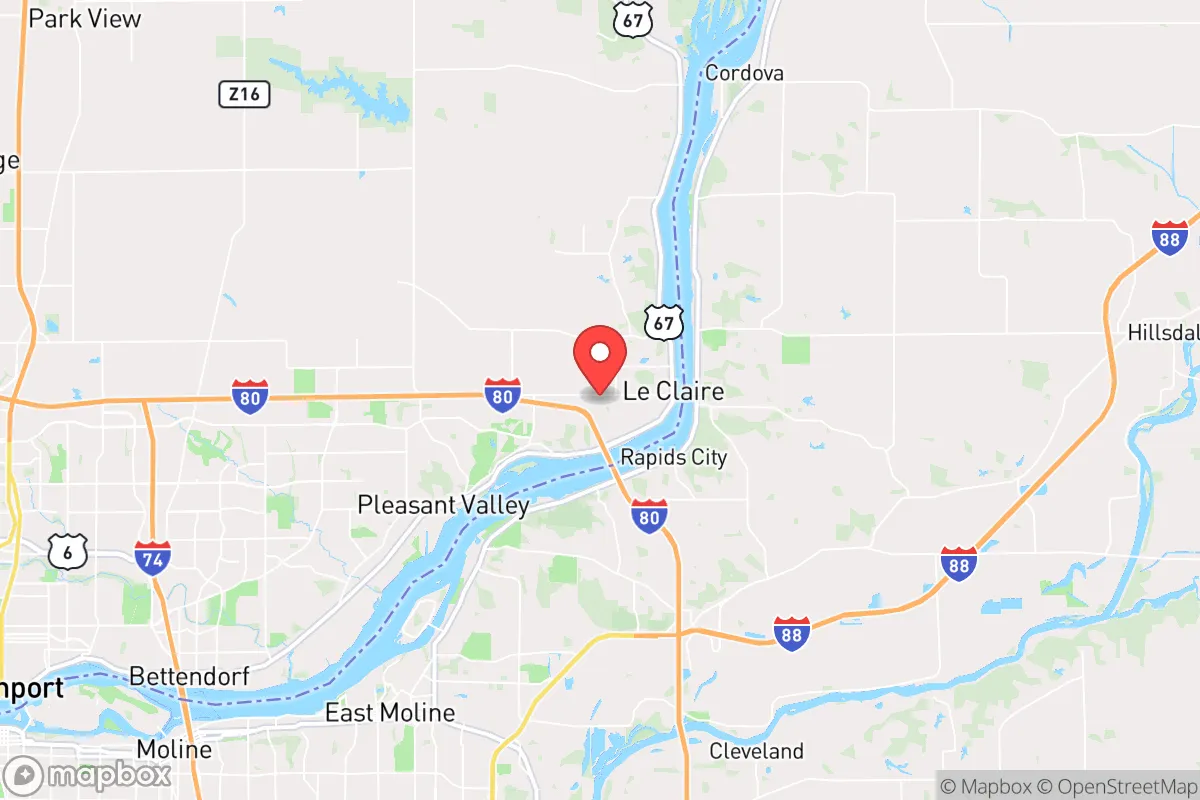
Photo: Wikipedia
Quality of Life in Le Claire, IA
A high quality of life with strong walkability, manageable living costs, healthy neighborhood signals, and solid amenity access.
What does Quality of Life tell us?
Quality of Life blends cost of living, nearby amenities, socioeconomic signals, and neighborhood character. City-level scores represent the whole municipality; individual neighborhoods can differ.
What does this tell us?
Quality of Life blends cost of living, nearby amenities, socioeconomic signals, and neighborhood character. City-level scores represent the whole municipality; individual neighborhoods can differ.
Cost of Living
1% below national average
The Real Cost of Living in Le Claire, IA for 2026
| Tier | Individual | Family (4) |
|---|---|---|
| Survival | $17k | $33k |
| Comfortable | $58k | $86k |
| Luxury | $128k+ | $199k+ |
| Elite (Top 5%) | $151k+ | $234k+ |
117%
The Area Signal
A metric tracking the socioeconomic signals of the area.
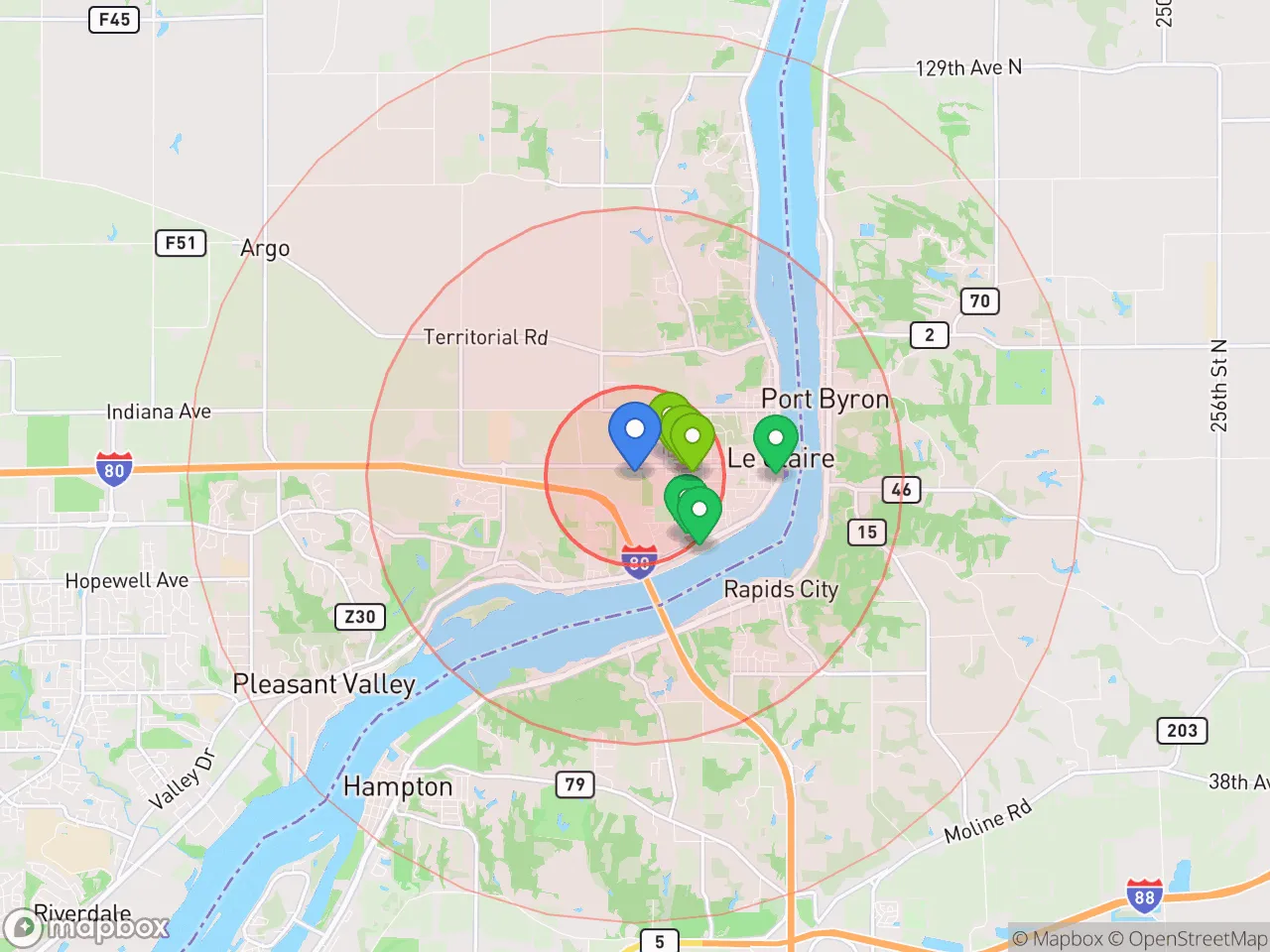
Hobbies
Explore the areaGroceries
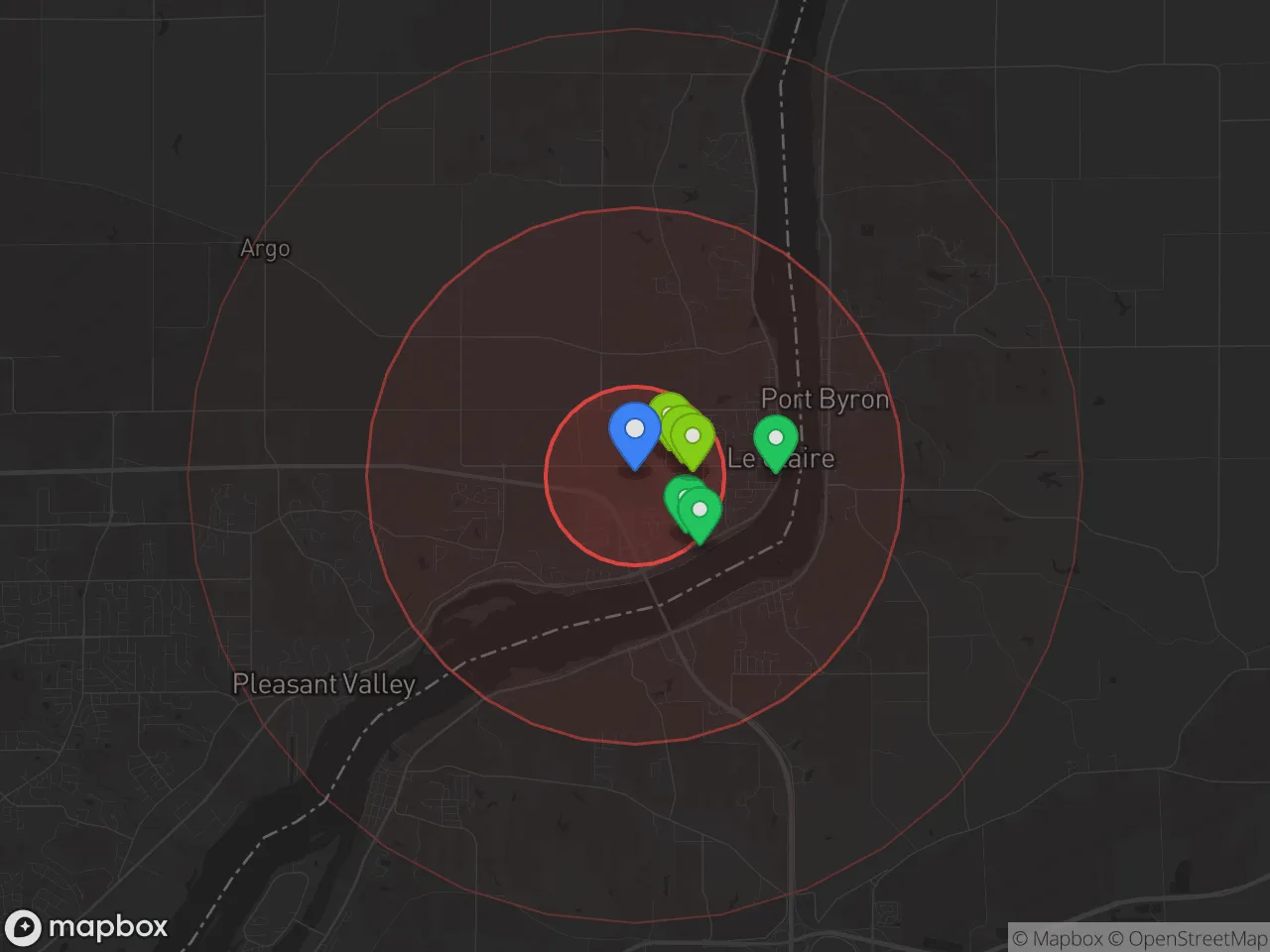
6 within 10 miles
Gas
20 within 10 miles
Hospital
9 within 20 miles
Airport
ORD — O'Hare International
Post Office
USPS — Le Claire, IA
Critical Amenities
Quality-of-Life Analysis
Le Claire, Iowa, is a small, affluent Mississippi River town where quality of life centers on scenic riverfront living, strong local schools, and easy access to the Quad Cities metro area. With a cost-of-living index of 99—essentially matching the national average—the community attracts a mix of professionals, remote workers, and families who value a slower pace without sacrificing urban convenience. The median household income comfortably exceeds the state average, and the town’s historic district, anchored by the iconic Buffalo Bill Museum and the Antique Archaeology shop (made famous by the TV show American Pickers), draws visitors and residents alike who appreciate a blend of heritage and modern comfort.
Cost of living, housing, and how Le Claire compares to nearby towns
Le Claire’s cost-of-living index of 99 is a standout in the Quad Cities region, where many neighboring communities like Bettendorf (index 96) or Davenport (index 90) are slightly cheaper but offer fewer riverfront amenities. The median home value of $300,200 is notably higher than the Iowa state median of roughly $210,000, reflecting the premium for Mississippi River views and historic properties. Renters find relative value, with a median rent of $1,087—well below the national median of $1,400 and comparable to nearby Eldridge ($1,050) but higher than in Clinton ($850). The average commute of just 19.7 minutes is significantly shorter than the national average of 26 minutes, making Le Claire a practical choice for workers commuting to the Quad Cities’ largest employers, such as John Deere (headquartered in Moline, IL) or Genesis Health System in Davenport. Property taxes in Scott County run about 1.5% of assessed value, slightly above the state average, but the trade-off is access to well-funded local services.
What daily life is like for families: schools, amenities, and recreation
Daily life in Le Claire revolves around the Mississippi River and a tight-knit community of about 4,000 residents. The Pleasant Valley Community School District, which serves Le Claire, is consistently rated among Iowa’s top 10 districts, with a 94% graduation rate and strong STEM and arts programs. The town’s recreational amenities include the Le Claire Riverfront Park, which offers boat ramps, fishing piers, and a walking trail along the river, plus the nearby Wapsi River Environmental Education Center for hiking and birdwatching. For shopping and dining, residents rely on the historic Cody Road corridor, home to independent boutiques, the Le Claire General Store, and river-view restaurants like The Faithful Pilot. Groceries and daily errands are handled in nearby Bettendorf (10 minutes south), which has a Hy-Vee and Target. The town lacks a hospital, but Genesis Medical Center in Davenport (15 minutes away) provides full emergency and specialty care. The rhythm is quiet and family-oriented, with community events like the annual Tug Fest (a tug-of-war across the Mississippi) and the Le Claire Riverfest drawing residents together.
Le Claire is best suited for families and professionals who prioritize strong schools, a short commute, and riverfront living over nightlife or urban density. Remote workers and retirees will appreciate the affordable rents and low crime rate (violent crime is roughly 60% below the national average), while outdoor enthusiasts can take advantage of the Mississippi River trail system and nearby state parks. Those seeking a vibrant downtown with late-night options or a lower housing price point may prefer Bettendorf or Davenport, but for a balance of small-town charm and metro access, Le Claire delivers a quality of life that consistently ranks among the best in eastern Iowa.

Crime in Le Claire, IA
Lower crime rates than 91% of comparable U.S. locations.
Violent CrimeViolent Crime Analysis
Property CrimeProperty Crime Analysis
Crime Analysis
Le Claire, Iowa, presents an exceptionally low-crime profile that far outperforms both state and national averages, making it one of the safest small towns in the Quad Cities region. With a violent crime rate of just 125.2 per 100,000 residents and a property crime rate of 104.3 per 100,000, the community experiences a level of safety that is statistically rare for a town situated within commuting distance of a major metropolitan area. These figures place Le Claire in a distinctly favorable position for families and retirees seeking security without sacrificing access to urban amenities.
Crime in context
Le Claire’s violent crime rate of 125.2 per 100,000 is roughly 66% lower than the national average of approximately 370 per 100,000 and significantly below the Iowa state average of about 280 per 100,000. Property crime is even more striking: at 104.3 per 100,000, it is nearly 85% lower than the U.S. average of roughly 1,950 per 100,000 and well under Iowa’s state figure of approximately 1,600 per 100,000. These numbers reflect a community where serious incidents are rare and property offenses like theft and burglary are uncommon. This safety record stands in sharp contrast to the larger Quad Cities metro area, where crime rates—particularly property crime—are substantially higher. Le Claire benefits from being in Scott County, which has not adopted the progressive prosecutorial policies seen in some larger urban jurisdictions; local law enforcement and the county attorney’s office maintain a traditional, victim-centered approach to public safety.
What residents experience
Daily life in Le Claire is characterized by a tangible sense of security. Residents commonly leave doors unlocked during the day, children walk to school and parks without constant supervision, and neighborhood watch groups are active but rarely needed. The town’s small population—around 4,000—fosters a close-knit environment where suspicious activity is quickly noticed and reported. Violent crime is virtually nonexistent in most years; when incidents do occur, they are typically isolated and involve individuals known to one another rather than random acts. Property crime, while low, is most often opportunistic—unlocked vehicles or items left in yards overnight. The presence of the Mississippi River and the popular Buffalo Bill Museum area draws tourists, but this does not translate into elevated crime. For residents moving from larger cities or from metro areas with progressive justice systems that emphasize offender rehabilitation over public protection, Le Claire offers a welcome return to a community where accountability and safety are prioritized.
Neighborhood-level variation in Le Claire is minimal. The historic riverfront district, with its older homes and tourist traffic, sees slightly more petty theft and vehicle break-ins than the newer subdivisions east of Highway 67. However, even these micro-trends are negligible compared to national norms. The town’s most affluent areas, such as those along the bluffs overlooking the river, report virtually no crime. Overall, Le Claire’s safety profile is remarkably uniform, with no statistically significant pockets of elevated risk. This consistency is a direct result of the community’s size, socioeconomic stability, and the absence of the systemic leniency that plagues many larger jurisdictions.
* Values derived from national, state, county, city and local statistics and may differ in a specific area. Last updated: 2026-09-05T14:18:40.000Z
Narrative content on this page is AI-generated and may contain mistakes. Verify any details that matter before acting on them.
ReloMaps may earn a commission from affiliate links at no extra cost to you.

