Photo: Wikipedia
Quality of Life in Boyd County
A livable area that tracks near national norms for affordability, walkability, and neighborhood health.
What does Quality of Life tell us?
Quality of Life measures an area by evaluating factors like cost of living, nearby amenities, country club access, airport proximity, socioeconomic signals and neighborhood character. For large states, this is a general average — quality of life can vary dramatically between metro areas, suburbs, and rural communities within the same state.
What does this tell us?
Quality of Life measures an area by evaluating factors like cost of living, nearby amenities, country club access, airport proximity, socioeconomic signals and neighborhood character. For large states, this is a general average — quality of life can vary dramatically between metro areas, suburbs, and rural communities within the same state.
Cost of Living
39% below national average
168%
The Real Cost of Living in Boyd County for 2026
| Tier | Individual | Family (4) |
|---|---|---|
| Survival | $13k | $25k |
| Comfortable | $25k | $36k |
| Luxury | $99k+ | $153k+ |
| Elite (Top 5%) | $116k+ | $180k+ |
Quality-of-Life Analysis
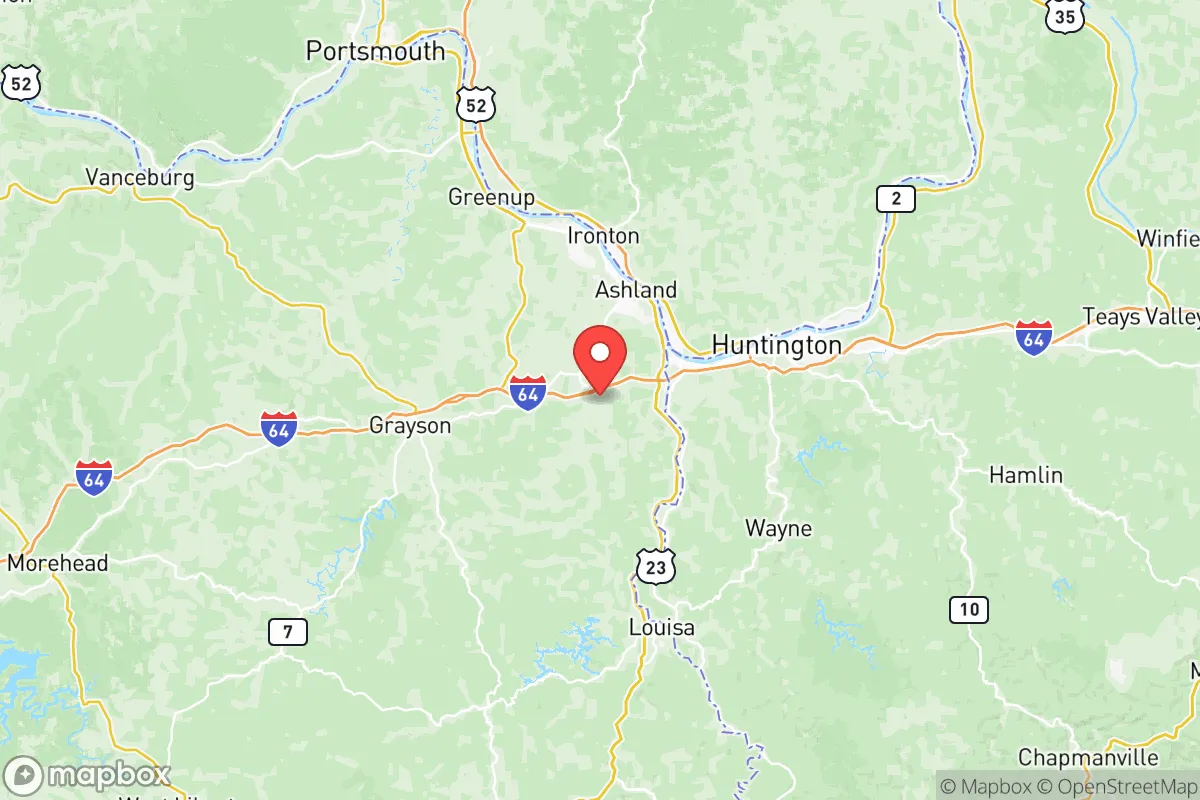
Boyd County, Kentucky, offers a distinct quality-of-life spectrum that ranges from the compact urban convenience of its Ohio River hub, Ashland, to the quiet, wooded seclusion of unincorporated communities like Burnaugh and Princess. With a cost of living index of 61—39% below the national average—the county primarily attracts families and retirees seeking affordability, along with workers commuting to jobs in Ashland’s industrial and healthcare sectors or across the river to Huntington, West Virginia. The county’s character shifts noticeably as you move from the riverfront density of Ashland into the rolling hills and hollows of its southern and eastern reaches, where life slows down and land becomes more spacious.
Largest town(s) & population centers
Ashland is the undisputed hub of Boyd County, home to roughly 20,000 residents and the region’s primary employment center. Daily life here revolves around the historic downtown district along Winchester Avenue, the King’s Daughters Medical Center (the county’s largest employer), and the industrial plants along the river, including the Marathon Petroleum refinery. Ashland offers a walkable core with local restaurants, the Paramount Arts Center, and the Ashland Town Center mall. Housing is a mix of early 20th-century brick homes in neighborhoods like Central Park and newer subdivisions on the city’s southern edge. The median home value in Boyd County sits at $126,300, and median rent is $839, making Ashland’s urban amenities accessible at a fraction of the cost of comparable Ohio River towns like Huntington or Portsmouth. The average commute across the county is just 22 minutes, so even residents living in Ashland’s outskirts can reach downtown quickly.
Smaller towns & rural pockets
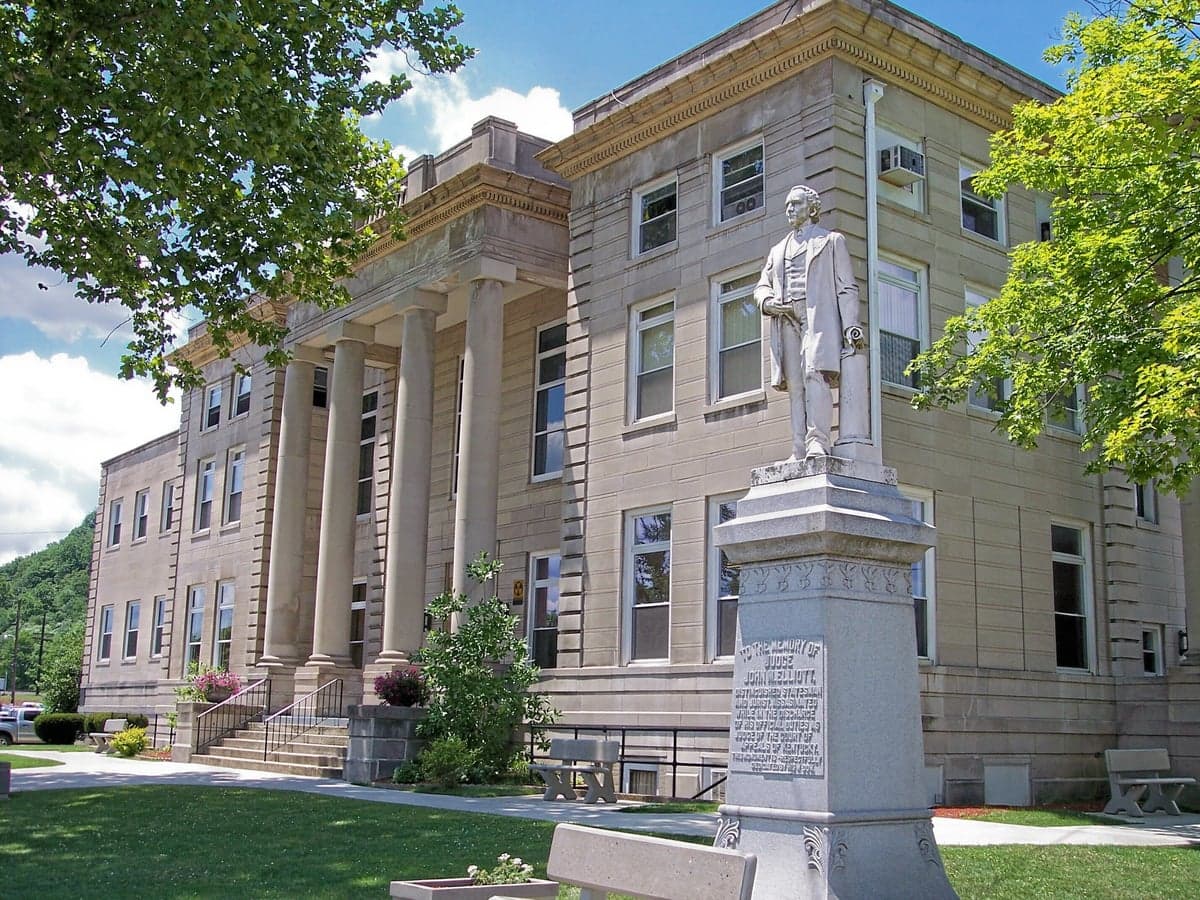
Outside Ashland, Boyd County’s smaller communities offer a markedly different pace. Catlettsburg, at the confluence of the Big Sandy and Ohio Rivers, is a historic river town with a population under 2,000. It features a compact downtown with a few local businesses and the Boyd County Courthouse, but lacks the retail and dining density of Ashland. Further south, Westwood and Fairview are unincorporated census-designated places that feel like suburban extensions of Ashland, with modest ranch homes and easy access to U.S. Route 60. For true rural living, Burnaugh and Princess are sparsely populated areas in the county’s eastern and southern reaches, where homes sit on acreage along winding two-lane roads. These pockets have no commercial centers—residents drive 15–20 minutes to Ashland or Catlettsburg for groceries and services. The landscape here is heavily wooded and hilly, appealing to those seeking privacy and outdoor recreation like hunting or ATV riding.
Cost & lifestyle range
The cost of living in Boyd County is uniformly low, but the lifestyle range is wide. At the higher end, Ashland’s historic district and newer subdivisions near the Ashland Country Club offer homes in the $180,000–$250,000 range, with access to parks, the Boyd County Public Library, and the city’s annual Poage Landing Days festival. At the lower end, rural properties in Burnaugh or along State Route 310 can be found for under $80,000, often with larger lots but fewer nearby amenities. Rent follows a similar pattern: a two-bedroom apartment in Ashland averages around $850–$950, while a similar unit in Catlettsburg or Westwood might rent for $700–$800. Utility costs are slightly above national averages due to winter heating demands, but overall, a household earning $40,000–$50,000 can live comfortably in any part of the county. The trade-off is clear: Ashland offers walkability, entertainment, and jobs, while the smaller towns and rural areas provide space, quiet, and lower entry costs.
Boyd County is best suited for those who want a low-cost base with access to a small city’s amenities and the option of genuine rural solitude within a 20-minute drive. Families working in healthcare or manufacturing, retirees on fixed incomes, and remote workers who value affordability over urban energy will find the county’s range of options appealing. The key is choosing between Ashland’s historic streets and the hollows of Burnaugh—both are affordable, but they offer fundamentally different daily rhythms.

Crime in Boyd County
Generally safer than 62% of comparable U.S. locations.
Violent CrimeViolent Crime Analysis
Property CrimeProperty Crime Analysis
Crime Analysis
Boyd County, Kentucky, presents a mixed safety profile that is notably safer than the national average for violent crime but slightly elevated for property crime. With a violent crime rate of 212.6 per 100,000 residents and a property crime rate of 1,275.5 per 100,000, the county offers a generally secure environment compared to many urban centers, though residents in certain areas should remain vigilant against theft and burglary. The county seat of Catlettsburg and the larger city of Ashland serve as the primary population centers, each with distinct safety dynamics that shape the overall picture.
Crime in context
Boyd County’s violent crime rate of 212.6 per 100,000 is significantly lower than the national average of approximately 380 per 100,000 and also below the Kentucky state average of around 240 per 100,000. This places the county in a favorable position for personal safety, with incidents of homicide, rape, robbery, and aggravated assault being relatively uncommon. However, the property crime rate of 1,275.5 per 100,000 is slightly above the national average of roughly 1,200 per 100,000 and notably higher than the Kentucky state average of about 1,100 per 100,000. This discrepancy is driven primarily by larceny-theft and motor vehicle theft, which are more concentrated in commercial and transit corridors. For context, neighboring counties like Lawrence and Greenup report similar property crime rates, suggesting a regional pattern rather than a Boyd-specific anomaly.
What residents experience
Daily life in Boyd County is generally safe, but residents in Ashland—the county’s largest city with roughly 21,000 people—report a higher frequency of property crimes, particularly in areas near the downtown commercial district and along the U.S. 60 corridor. The Ashland Police Department has noted that shoplifting and vehicle break-ins are the most common complaints, often linked to transient populations and drug-related activity. In contrast, the smaller communities of Catlettsburg and Westwood experience far fewer incidents, with violent crime being rare. The Boyd County Sheriff’s Office maintains a visible presence in rural areas, and neighborhood watch programs are active in subdivisions like those near the Summit shopping center. Residents in the more affluent areas of Ashland, such as those near the Bellefonte neighborhood, report feeling very secure, while those closer to the industrial zones along the Ohio River may encounter more nuisance crimes.
Neighborhood-level variation and judicial concerns
Safety varies noticeably across Boyd County’s neighborhoods. The city of Ashland, while generally safe, has pockets of higher crime near the 13th Street corridor and the area around the Ashland Town Center mall. Conversely, the towns of Catlettsburg and the unincorporated community of Rush are considered very safe, with violent crime rates well below the county average. A significant concern for residents is the judicial philosophy in the local court system. The 32nd Judicial Circuit, which covers Boyd County, has seen a trend toward progressive sentencing practices, including diversion programs and reduced bail for non-violent offenders. While these approaches aim to reduce incarceration, critics argue they lead to more repeat offenders on the streets, undermining public safety. This is particularly relevant in Ashland, where property crime recidivism is a persistent issue. For those considering relocation, the safest bets are the residential neighborhoods of Westwood and the rural outskirts near the Greenup County line, where community policing and lower population density keep crime minimal.
* Values derived from national, state, county, city and local statistics and may differ in a specific area. Last updated: 2026-06-15T09:35:03.000Z
Narrative content on this page is AI-generated and may contain mistakes. Verify any details that matter before acting on them.
ReloMaps may earn a commission from affiliate links at no extra cost to you.

