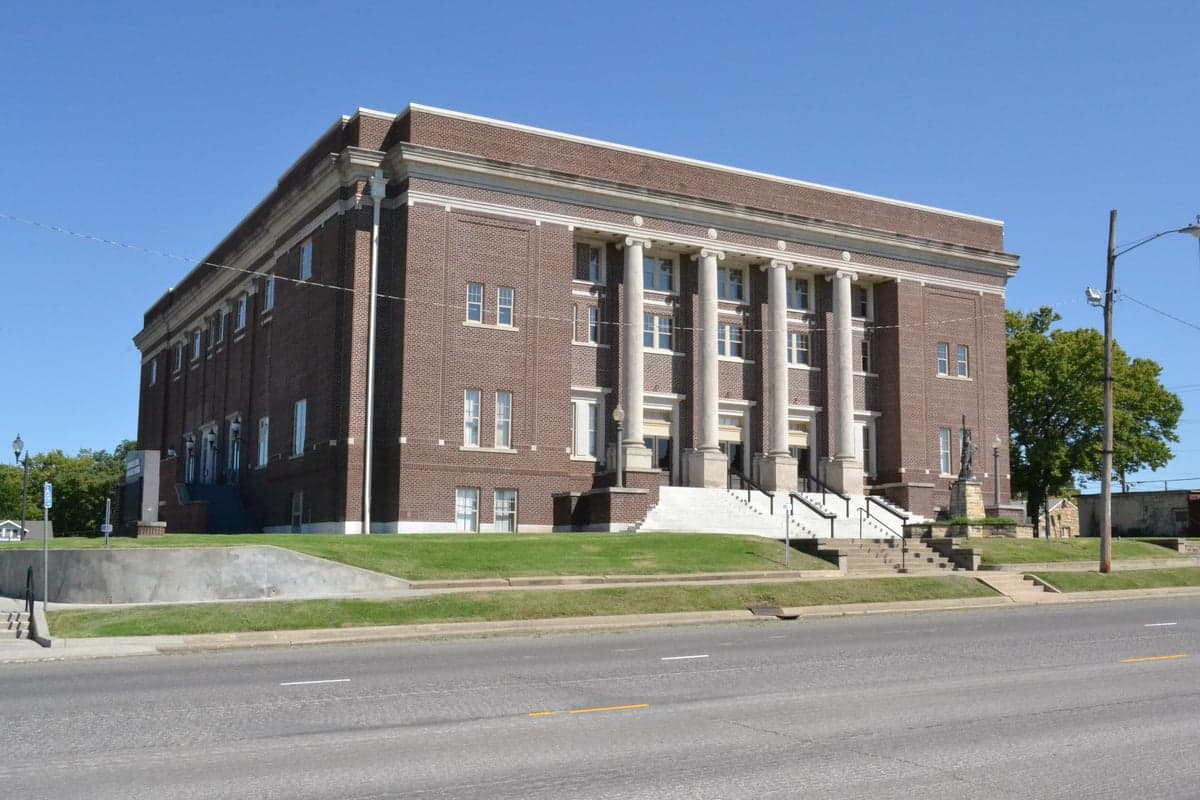
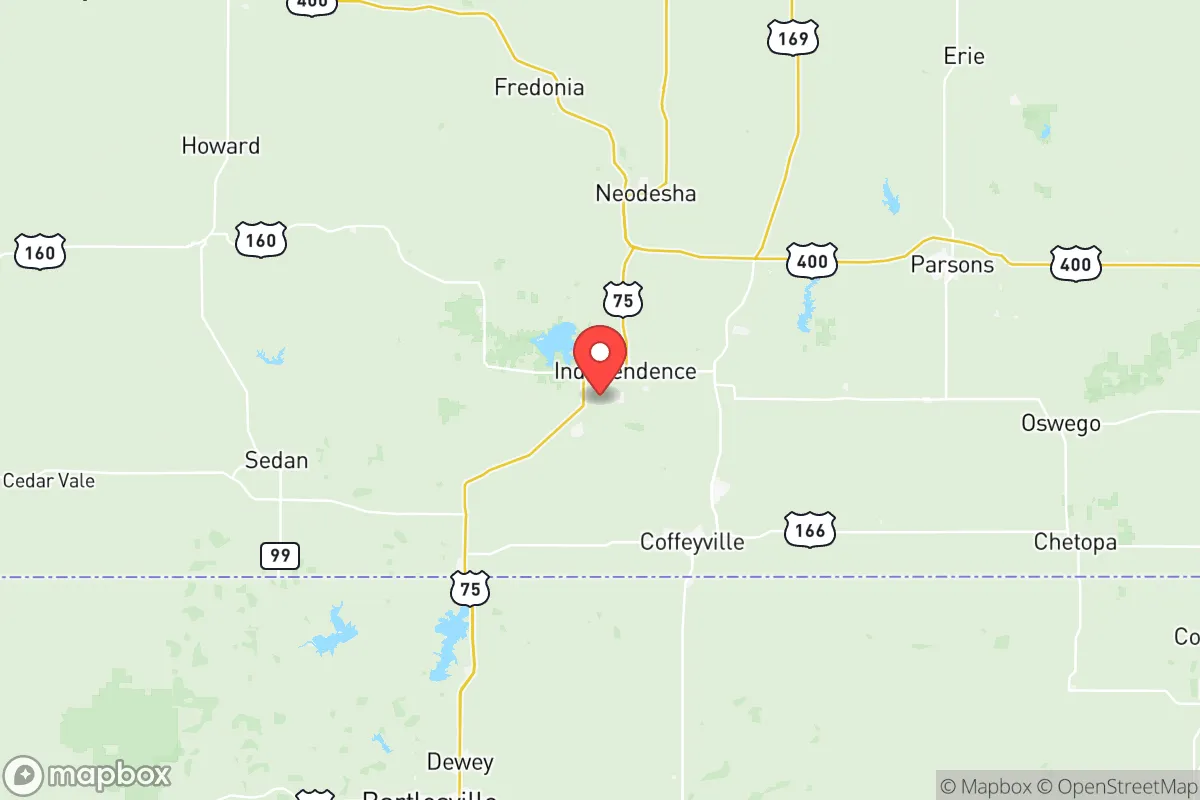
Photo: Wikipedia
Quality of Life in Montgomery County
A livable area that tracks near national norms for affordability, walkability, and neighborhood health.
What does Quality of Life tell us?
Quality of Life measures an area by evaluating factors like cost of living, nearby amenities, country club access, airport proximity, socioeconomic signals and neighborhood character. For large states, this is a general average — quality of life can vary dramatically between metro areas, suburbs, and rural communities within the same state.
What does this tell us?
Quality of Life measures an area by evaluating factors like cost of living, nearby amenities, country club access, airport proximity, socioeconomic signals and neighborhood character. For large states, this is a general average — quality of life can vary dramatically between metro areas, suburbs, and rural communities within the same state.
Cost of Living
48% below national average
174%
The Real Cost of Living in Montgomery County for 2026
| Tier | Individual | Family (4) |
|---|---|---|
| Survival | $12k | $23k |
| Comfortable | $21k | $31k |
| Luxury | $85k+ | $132k+ |
| Elite (Top 5%) | $100k+ | $155k+ |
Quality-of-Life Analysis
Montgomery County, Kansas, offers a spectrum of quality-of-life options that range from the modest urban amenities of its county seat, Coffeyville, to the quiet, self-reliant character of its smaller towns and expansive rural farmlands. The county’s exceptionally low cost of living—with a cost-of-living index of 52, roughly half the national average—and a median home value of just $92,100 attract a diverse mix of residents, including retirees seeking affordability, young families looking for starter homes, and agricultural workers tied to the land. The character of daily life shifts noticeably depending on whether one lives in the county’s largest population center, one of its several small communities, or on an isolated farmstead.
Largest town(s) & population centers
Coffeyville, with a population of roughly 8,800, is the county’s primary population center and the hub for retail, healthcare, and employment. Daily life here revolves around a compact downtown with local restaurants and shops, the Coffeyville Community College campus, and major employers like the CVR Refining oil refinery and the local hospital. The town offers a range of housing stock, from historic homes near the downtown core to more affordable single-family homes on the outskirts, all benefiting from the county’s median rent of $759. Residents enjoy a short average commute of under 19 minutes, making it feasible to live in Coffeyville and work at the refinery or in local services without significant travel time. Independence, located just north of the county line in neighboring Montgomery County (Kansas has two Montgomery Counties; this analysis refers to the Kansas county), is actually the larger city in the area, but within Montgomery County, KS, Coffeyville remains the dominant commercial and civic center. The town’s amenities include a public library, a municipal golf course, and several parks, though residents seeking major retail or entertainment options typically drive to Tulsa, Oklahoma, about 90 minutes south.
Smaller towns & rural pockets
Beyond Coffeyville, the county is dotted with smaller communities that offer a quieter, more tight-knit lifestyle. Cherryvale, with a population around 2,000, sits in the northern part of the county and provides basic services like a grocery store, a pharmacy, and a public school system, but lacks the healthcare and employment options found in Coffeyville. Caney, located in the southeastern corner, is another small town of roughly 1,800 residents, known for its proximity to the Caney River and a slower pace of life. Even smaller unincorporated places like Dearing and Liberty consist of little more than a few homes and a church, offering extreme privacy and low property costs but requiring a 15- to 25-minute drive to Coffeyville for most errands. The rural pockets between these towns are dominated by row-crop agriculture—primarily wheat, soybeans, and corn—and scattered farmsteads where residents often work the land or commute to the refinery.
Cost & lifestyle range
The cost-of-living spread across Montgomery County is narrow by national standards, but meaningful differences exist. At the lower end, rural properties and homes in the smallest communities like Dearing or Liberty can be found for well under the county median of $92,100, sometimes as low as $50,000 to $70,000 for a fixer-upper. Rent in these areas is also below the county average, with some units available for $500–$600 per month. At the higher end, Coffeyville’s nicer neighborhoods—particularly around the Walter Johnson Park area or newer subdivisions on the south side—see home values approaching $120,000 to $150,000, and rents near the $759 median. The lifestyle trade-off is clear: living in Coffeyville means access to a hospital, a community college, and a wider range of jobs, while choosing Cherryvale or a rural farmstead means lower housing costs and more land but fewer services and longer drives for healthcare or groceries. The average commute of 18.9 minutes reflects the county’s compact geography, but rural residents often face drives of 20–30 minutes one way to reach Coffeyville or Independence for work or shopping.
Montgomery County is best suited for those who prioritize affordability and space over urban amenities. Retirees on fixed incomes, first-time homebuyers priced out of larger markets, and agricultural workers or refinery employees will find the county’s low costs and short commutes appealing. Families seeking strong school systems and diverse job opportunities may find Coffeyville adequate, while those wanting the quietest, most private lifestyle will gravitate toward the smaller towns or open countryside. The county offers a genuine rural Kansas experience with a practical, no-frills quality of life.

Crime in Montgomery County
Crime rates similar to the national median for U.S. locations.
Violent CrimeViolent Crime Analysis
Property CrimeProperty Crime Analysis
Crime Analysis
Montgomery County, Kansas, reports a violent crime rate of 448.9 per 100,000 residents and a property crime rate of 1,811.9 per 100,000, placing it above both state and national averages for overall crime risk. These figures indicate that while the county is not among the most dangerous in Kansas, residents and prospective movers should be aware of elevated risks compared to the typical U.S. community. The county's safety landscape is shaped by its small-town character, economic conditions, and the policies of local law enforcement and judicial officials.
Crime in context
Montgomery County's violent crime rate of 448.9 per 100,000 is roughly 25% higher than the national average of approximately 380 per 100,000 and significantly above the Kansas state average of around 330 per 100,000. Property crime in the county, at 1,811.9 per 100,000, also exceeds the national benchmark of about 1,950 per 100,000 but is notably higher than the Kansas state average of roughly 1,600 per 100,000. These numbers place Montgomery County in a moderate-to-high risk category for a rural Kansas county. For comparison, neighboring Wilson County reports lower violent crime rates, while larger regional hubs like Coffeyville and Independence—both within Montgomery County—tend to drive the county's averages upward due to their population density and socioeconomic challenges. The county's crime index is roughly 11.5 (where 100 is safest), meaning it is safer than about 11.5% of U.S. counties, a figure that underscores the need for caution.
What residents experience
Residents of Montgomery County most frequently encounter property crimes such as theft, burglary, and motor vehicle theft, which together account for the bulk of reported incidents. Violent crimes, including assault, robbery, and rape, occur less often but at a rate that is concerning for a rural area. The cities of Coffeyville and Independence are the primary contributors to the county's crime statistics, with Coffeyville historically reporting higher rates of both violent and property offenses. In contrast, smaller communities like Cherryvale and Caney tend to experience lower crime volumes, though they are not immune to occasional incidents. The county's judicial district, the 14th Judicial District, oversees case processing, and local observers note that sentencing practices and prosecutorial discretion can influence recidivism. Progressive-leaning policies in some local courts have raised concerns among residents about lenient sentencing for repeat offenders, which critics argue undermines public safety and fails to adequately deter property crime. This dynamic is particularly relevant in Coffeyville, where a revolving-door approach to low-level offenders has been cited by community members as a factor in persistent theft and burglary problems.
Neighborhood-level variation
Safety within Montgomery County varies noticeably by neighborhood and municipality. Coffeyville's downtown and older residential areas near the central business district report the highest concentration of crime, including drug-related offenses and assaults. Independence shows a similar pattern, with crime concentrated along the U.S. 75 corridor and in lower-income housing districts. Conversely, the outskirts of both cities and the rural areas between towns—such as the unincorporated communities of Liberty and Elk City—experience far fewer incidents, largely due to lower population density and stronger community watch presence. Prospective residents should prioritize homes in the northern and western parts of Independence or the newer subdivisions on Coffeyville's south side, where crime rates are demonstrably lower. The county sheriff's office and local police departments maintain active patrols, but resource constraints mean that response times can vary, especially in remote areas. For those considering a move, consulting local crime maps and speaking with current residents about specific blocks or subdivisions is advisable, as block-level data often reveals stark contrasts within the same city.
* Values derived from national, state, county, city and local statistics and may differ in a specific area. Last updated: 2026-07-05T00:29:31.000Z
Narrative content on this page is AI-generated and may contain mistakes. Verify any details that matter before acting on them.
ReloMaps may earn a commission from affiliate links at no extra cost to you.

