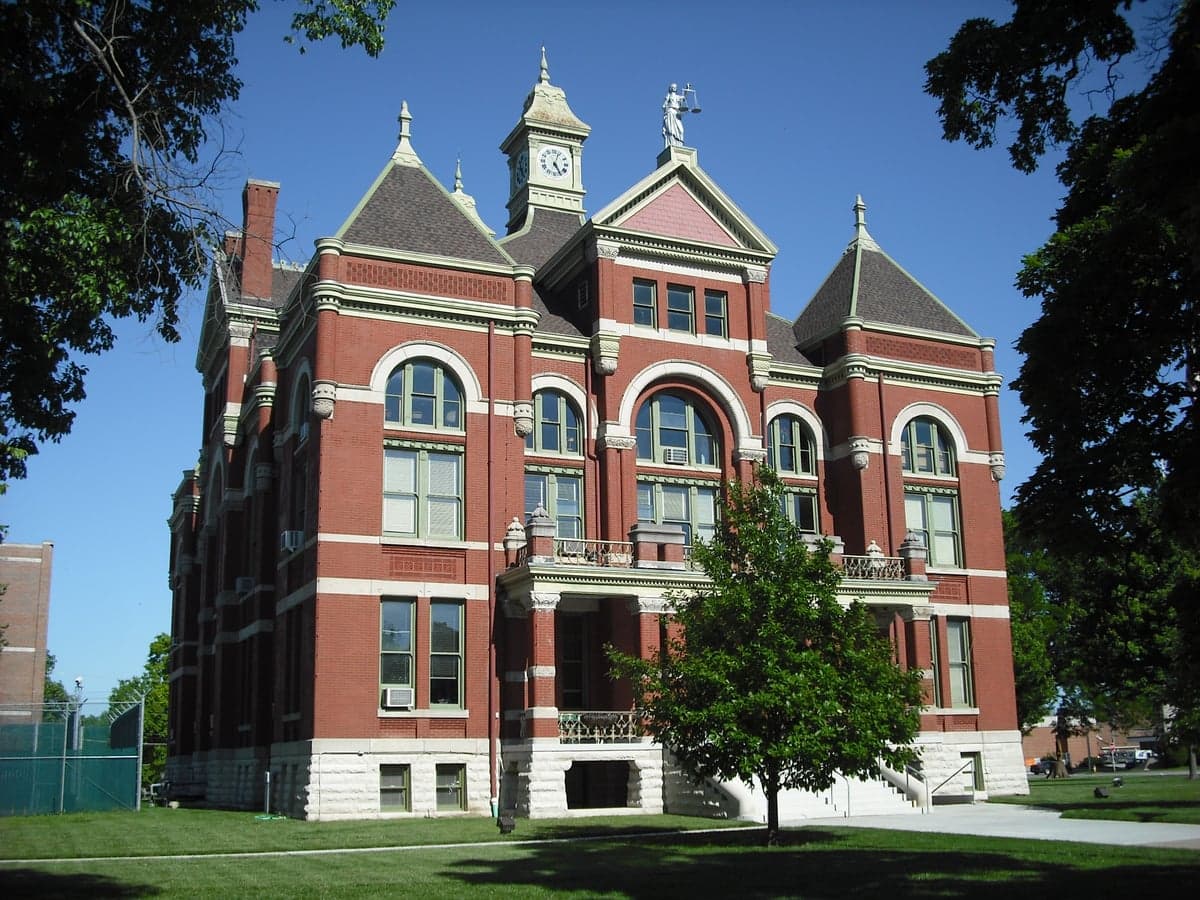
Photo: Wikipedia
Quality of Life in Franklin County
A livable area that tracks near national norms for affordability, walkability, and neighborhood health.
What does Quality of Life tell us?
Quality of Life measures an area by evaluating factors like cost of living, nearby amenities, country club access, airport proximity, socioeconomic signals and neighborhood character. For large states, this is a general average — quality of life can vary dramatically between metro areas, suburbs, and rural communities within the same state.
What does this tell us?
Quality of Life measures an area by evaluating factors like cost of living, nearby amenities, country club access, airport proximity, socioeconomic signals and neighborhood character. For large states, this is a general average — quality of life can vary dramatically between metro areas, suburbs, and rural communities within the same state.
Cost of Living
24% below national average
135%
The Real Cost of Living in Franklin County for 2026
| Tier | Individual | Family (4) |
|---|---|---|
| Survival | $15k | $28k |
| Comfortable | $36k | $54k |
| Luxury | $100k+ | $155k+ |
| Elite (Top 5%) | $118k+ | $183k+ |
Quality-of-Life Analysis
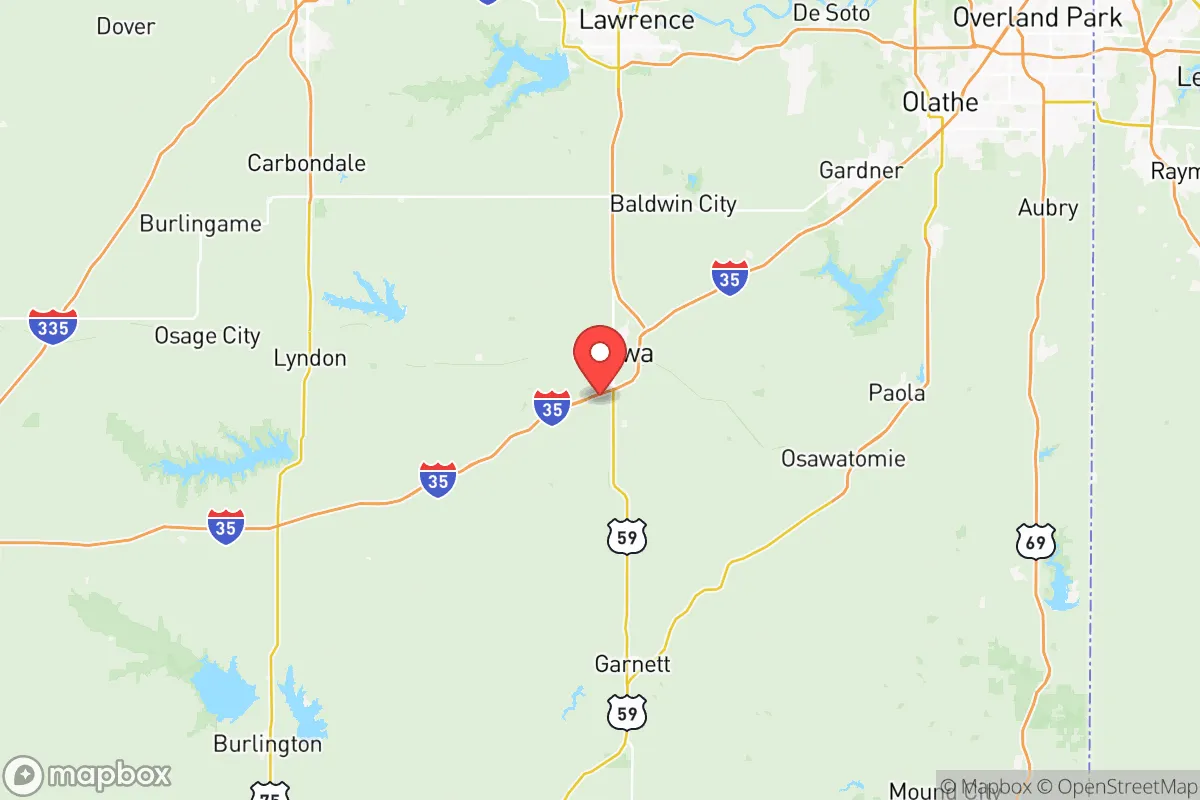
Franklin County, Kansas, offers a quality-of-life spectrum that ranges from the walkable, amenity-rich county seat of Ottawa to quiet unincorporated crossroads and sprawling farmsteads, drawing everyone from remote workers seeking low housing costs to retirees and agricultural families. With a cost-of-living index of 76 (24% below the national average), a median home value of $187,400, and a median rent of $949, the county provides tangible financial breathing room. The average commute of roughly 24 minutes means residents can live rurally while still reaching jobs in Ottawa or commuting east to the Kansas City metro in about an hour.
Largest town(s) & population centers
Ottawa, the county seat and home to roughly 12,600 people, is the undisputed hub of Franklin County. Daily life here centers around the historic downtown square, which hosts local restaurants, boutique shops, and the Ottawa University campus. The town offers the region's widest array of amenities, including a full-service hospital (AdventHealth Ottawa), a public library, multiple grocery stores, and the Forest Park aquatic center. Employment is anchored by manufacturing (such as the Ottawa Truck Plant), education, and healthcare. For families, the Ottawa school district (USD 290) is the largest in the county, and the nearby Marais des Cygnes River provides opportunities for kayaking and fishing. Princeton, with roughly 280 residents, functions as a smaller satellite community just south of Ottawa, offering a quieter, more rural feel while still being a 10-minute drive from the county seat's services.
Smaller towns & rural pockets
Beyond Ottawa, Franklin County is dotted with small towns and unincorporated areas that define its rural character. Wellsville (pop. ~1,800) sits in the county's northeast corner and maintains a strong small-town identity with its own K-12 school system (USD 289) and a compact downtown. Pomona (pop. ~830) lies near the Pomona State Park and Lake, making it a draw for outdoor recreationists. Richmond (pop. ~450) and Williamsburg (pop. ~310) are classic Kansas farming communities with grain elevators, volunteer fire departments, and a pace of life dictated by the agricultural calendar. Unincorporated spots like Homewood and LeLoup are little more than crossroads with a handful of homes, representing the most isolated end of the county's living options. These areas lack retail and often rely on well water and septic systems, but they offer land, privacy, and the lowest property prices in the county.
Cost & lifestyle range
The cost-of-living spread across Franklin County is directly tied to proximity to services. At the higher end, Ottawa's newer subdivisions and homes near the hospital or downtown command prices above the county median, with some move-in-ready single-family homes listing between $220,000 and $280,000. Rentals in Ottawa also cluster near the county median of $949, though availability can be tight. At the lower end, older homes in Pomona or Richmond can sell for under $100,000, and raw land in rural townships like Lincoln or Franklin townships is available for a fraction of developed lot prices. The trade-off is clear: Ottawa offers sidewalks, streetlights, and a downtown coffee shop, while rural pockets require driving 15–25 minutes for groceries or a pharmacy. Property taxes in Franklin County are relatively moderate compared to Johnson County to the east, and the lack of a local sales tax on groceries in Ottawa is a small but meaningful savings for residents.
Franklin County is best suited for those who want a low-cost, slower-paced life without total isolation. Remote workers and retirees who value a walkable downtown will gravitate toward Ottawa, while farmers, horse owners, and anyone seeking acreage will find the smaller towns and unincorporated areas more practical. The county's diversity of settings — from the college-town energy of Ottawa to the quiet gravel roads of Homewood — means that most people can find a version of rural or small-town Kansas that fits their budget and lifestyle preferences.

Crime in Franklin County
Crime rates similar to the national median for U.S. locations.
Violent CrimeViolent Crime Analysis
Property CrimeProperty Crime Analysis
Crime Analysis
Franklin County, Kansas, reports a violent crime rate of 448.9 incidents per 100,000 residents and a property crime rate of 1,811.9 per 100,000, placing it above national averages for both categories. While the county is not among the most dangerous in the state, these figures indicate a notably higher risk environment than many surrounding rural areas. The county seat of Ottawa serves as the primary population center and the location where most reported incidents are concentrated, though crime patterns vary significantly between the city and the unincorporated townships.
Crime in context
Franklin County’s violent crime rate of 448.9 per 100,000 is roughly 28% higher than the national average of approximately 380 per 100,000 and significantly exceeds the Kansas state average of about 395 per 100,000. Property crime in the county, at 1,811.9 per 100,000, also runs above both the national rate (roughly 1,954) and the state average (approximately 1,750). For comparison, neighboring Anderson County reports violent crime rates below 200 per 100,000, while Miami County to the east sits closer to 250. The elevated numbers in Franklin County are driven primarily by incidents in Ottawa, which accounts for roughly 60% of the county’s total population and a disproportionate share of its reported crime. Smaller communities such as Wellsville, Princeton, and Richmond report far fewer incidents per capita, though their small populations mean that even a handful of events can produce volatile year-to-year rate swings.
What residents experience
Residents of Ottawa face the most tangible safety concerns, particularly around the downtown corridor and along U.S. Highway 59, where property crimes such as vehicle break-ins and theft from unlocked sheds are common. Aggravated assault accounts for the majority of violent crime in the county, with domestic violence incidents making up a substantial portion. The Franklin County District Attorney’s office, which operates under a conservative judicial philosophy, has maintained a reputation for prosecuting property and drug offenses aggressively, which may help explain why the county’s property crime rate has not climbed as steeply as some peer counties in eastern Kansas. However, the presence of Interstate 35 along the county’s western edge creates a corridor for transient property crime and drug trafficking that affects communities like Pomona and Williamsburg, where residents report occasional burglaries tied to travelers passing through. In the more rural townships, residents describe a generally quiet environment where unlocked doors remain common, though they also note that law enforcement response times can exceed 20 minutes outside of Ottawa city limits.
Neighborhood-level variation
Within Ottawa, the safest areas are generally the newer residential subdivisions on the city’s south and west sides, where crime rates are comparable to those in Wellsville or Richmond. The older neighborhoods near the downtown core and the industrial zones along the Marais des Cygnes River see the highest concentration of police calls, including drug-related incidents and theft. For those considering relocation, the unincorporated areas around Centropolis and Lane report the lowest crime rates in the county, though they offer limited rental inventory and few amenities. The Franklin County Sheriff’s Office has increased patrols along the Highway 59 corridor in response to resident complaints, and the Ottawa Police Department has implemented a neighborhood watch program that covers roughly a third of the city’s residential blocks. Prospective residents should weigh the convenience of living in Ottawa against the elevated crime risk, while those prioritizing safety may find better outcomes in the smaller communities or rural townships where violent crime is rare and property crime remains below the county average.
* Values derived from national, state, county, city and local statistics and may differ in a specific area. Last updated: 2026-07-02T20:13:31.000Z
Narrative content on this page is AI-generated and may contain mistakes. Verify any details that matter before acting on them.
ReloMaps may earn a commission from affiliate links at no extra cost to you.

