
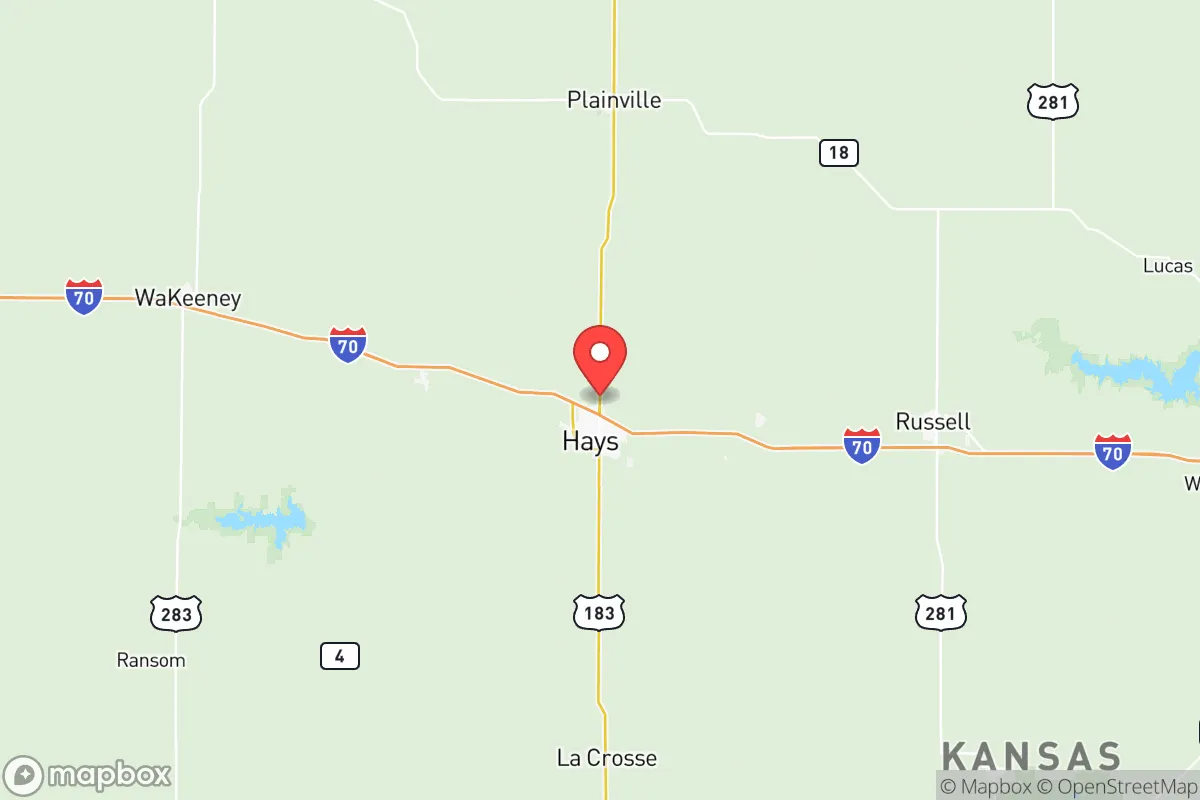
Photo: Wikipedia
Quality of Life in Ellis County
A livable area that tracks near national norms for affordability, walkability, and neighborhood health.
What does Quality of Life tell us?
Quality of Life measures an area by evaluating factors like cost of living, nearby amenities, country club access, airport proximity, socioeconomic signals and neighborhood character. For large states, this is a general average — quality of life can vary dramatically between metro areas, suburbs, and rural communities within the same state.
What does this tell us?
Quality of Life measures an area by evaluating factors like cost of living, nearby amenities, country club access, airport proximity, socioeconomic signals and neighborhood character. For large states, this is a general average — quality of life can vary dramatically between metro areas, suburbs, and rural communities within the same state.
Cost of Living
24% below national average
99%
The Real Cost of Living in Ellis County for 2026
| Tier | Individual | Family (4) |
|---|---|---|
| Survival | $14k | $27k |
| Comfortable | $41k | $60k |
| Luxury | $108k+ | $168k+ |
| Elite (Top 5%) | $151k+ | $234k+ |
Quality-of-Life Analysis
Ellis County, Kansas, offers a distinct quality-of-life spectrum that ranges from the college-town energy of Hays to the quiet, agricultural rhythms of smaller communities like Victoria and Ellis. The county’s character is defined by this mix, drawing residents who want access to regional employment and education without sacrificing a low cost of living or a short commute. With a cost of living index of 76 (well below the national average of 100), a median home value of $211,100, and an average commute of just over 13 minutes, the county appeals strongly to families, university staff, and agricultural workers seeking affordability and convenience.
Largest town(s) & population centers
Hays is the undisputed hub of Ellis County, home to roughly 21,000 residents and serving as the region’s commercial, educational, and healthcare center. Daily life here revolves around Fort Hays State University, which anchors the local economy with over 15,000 students and a significant employer base. The town offers a full range of amenities, including a regional hospital (Hays Medical Center), multiple grocery chains, a downtown historic district with local restaurants and shops, and a robust parks system. Commuting is minimal, with most residents traveling less than 15 minutes to work. The median rent of $899 makes Hays one of the most affordable college towns in the Plains, attracting both students and professionals who want urban-adjacent services without metropolitan costs.
Smaller towns & rural pockets
Outside Hays, the county’s smaller communities offer a distinctly quieter, more agrarian lifestyle. Victoria, about 10 miles west of Hays, is a historic railroad town with a population under 1,200. Its daily life is centered on the Basilica of St. Fidelis (the “Cathedral of the Plains”), local grain elevators, and a tight-knit community where neighbors know each other. Ellis, roughly 12 miles east of Hays, is slightly larger (around 1,900 residents) and serves as a bedroom community for Hays workers, with its own small downtown and a strong agricultural base. Schoenchen and Catharine are unincorporated rural pockets where residents live on acreages or farms, with no commercial districts and a reliance on Hays for shopping and services. These areas are ideal for those seeking land, privacy, and a slower pace, with home values often well below the county median.
Cost & lifestyle range
The cost of living in Ellis County varies noticeably between its population centers and rural areas. Hays sits at the higher end of the local spectrum, with median home values around $211,100 and rents averaging $899. While still affordable by national standards, this is the premium tier in the county, driven by demand for housing near the university and hospital. In contrast, Victoria and Ellis offer significantly lower entry points: homes in Victoria often sell for $150,000–$180,000, and rents can dip below $700. The most affordable options are in the rural pockets around Schoenchen and Catharine, where older farmhouses and undeveloped land can be found for under $100,000. Lifestyle follows cost: Hays provides walkable neighborhoods, cultural events, and dining variety, while the smaller towns and rural areas offer space, quiet, and a stronger connection to the land. The average commute of 13 minutes means even those living in the farthest corners of the county can reach Hays in under 20 minutes, blurring the line between rural and town life.
This county is best suited for people who value affordability and a short commute above urban density. Families thrive in Hays’ school system and safe neighborhoods, while agricultural workers and remote professionals find the rural areas around Victoria and Ellis offer land and low overhead. University faculty and students are drawn to Hays’ walkable campus and low rent. The trade-off is limited nightlife and fewer retail options than a major metro, but for those seeking a balanced, low-stress lifestyle with a strong sense of community, Ellis County delivers a clear value proposition.

Crime in Ellis County
Crime rates similar to the national median for U.S. locations.
Violent CrimeViolent Crime Analysis
Property CrimeProperty Crime Analysis
Crime Analysis
Ellis County, Kansas, presents a crime picture that is notably higher than the national average for both violent and property offenses, with a violent crime rate of 448.9 per 100,000 residents and a property crime rate of 1,811.9 per 100,000. While the county is not a high-crime outlier compared to some urban centers, these figures indicate that residents and newcomers should take standard precautions, particularly regarding property security. The county’s safety landscape is shaped by its small-city character, with the city of Hays serving as the primary population and economic hub, while smaller communities like Victoria, Ellis, and Schoenchen experience different levels of risk.
Crime in context
Ellis County’s violent crime rate of 448.9 per 100,000 is approximately 28% higher than the national average of roughly 350 per 100,000, and significantly above the Kansas state average of about 400 per 100,000. Property crime, at 1,811.9 per 100,000, also exceeds the national benchmark of around 1,900 per 100,000, but is slightly below the Kansas state average of roughly 2,000 per 100,000. These numbers place Ellis County in a moderate-risk tier among Kansas counties. The 23rd Judicial District, which covers Ellis County, operates under a traditional prosecutorial approach, with District Attorney Tom Drees known for a conservative, victim-focused stance. This contrasts with more progressive jurisdictions in larger Kansas counties like Wyandotte (Kansas City) or Sedgwick (Wichita), where softer sentencing policies have been linked to higher recidivism and public safety concerns. In Ellis County, the judicial philosophy leans toward accountability, which helps keep violent crime from escalating further.
What residents experience
For residents of Hays, the county seat and largest city, property crime—particularly theft from vehicles and burglary—is the most common safety issue. The Hays Police Department reports that most property crimes occur in commercial districts and near the Fort Hays State University campus, where transient populations and student housing create opportunistic targets. Violent crime, while less frequent, is concentrated in specific areas: the Hays city center and a few apartment complexes near Vine Street and 27th Street have seen incidents of aggravated assault and robbery. In contrast, the smaller towns of Victoria and Ellis report far lower crime rates, with violent crime nearly absent and property crime limited to occasional farm equipment theft or vandalism. Schoenchen, a tiny unincorporated community, is considered the safest area in the county, with virtually no reported crime. Residents in these outlying areas benefit from strong community watch dynamics and lower population density, but they also face longer emergency response times—a trade-off for rural living.
Neighborhood-level variation within Hays is significant. The area west of I-70, including the newer subdivisions near the Hays Medical Center, is generally safer than the older, denser neighborhoods east of the railroad tracks. The county’s overall safety is also influenced by its distance from larger, high-crime metros. Unlike counties near Kansas City or Wichita, which absorb spillover crime from those cities, Ellis County’s relative isolation means most crime is local and often tied to property disputes or domestic incidents. For newcomers, the key takeaway is that Ellis County is a safe place to live if you choose your neighborhood wisely—opting for a home in Victoria or west Hays over a rental near the university district can dramatically reduce your risk of experiencing crime. The county’s conservative judicial environment provides an additional layer of reassurance, as offenders face meaningful consequences rather than revolving-door justice.
* Values derived from national, state, county, city and local statistics and may differ in a specific area. Last updated: 2026-07-08T01:56:41.000Z
Narrative content on this page is AI-generated and may contain mistakes. Verify any details that matter before acting on them.
ReloMaps may earn a commission from affiliate links at no extra cost to you.

