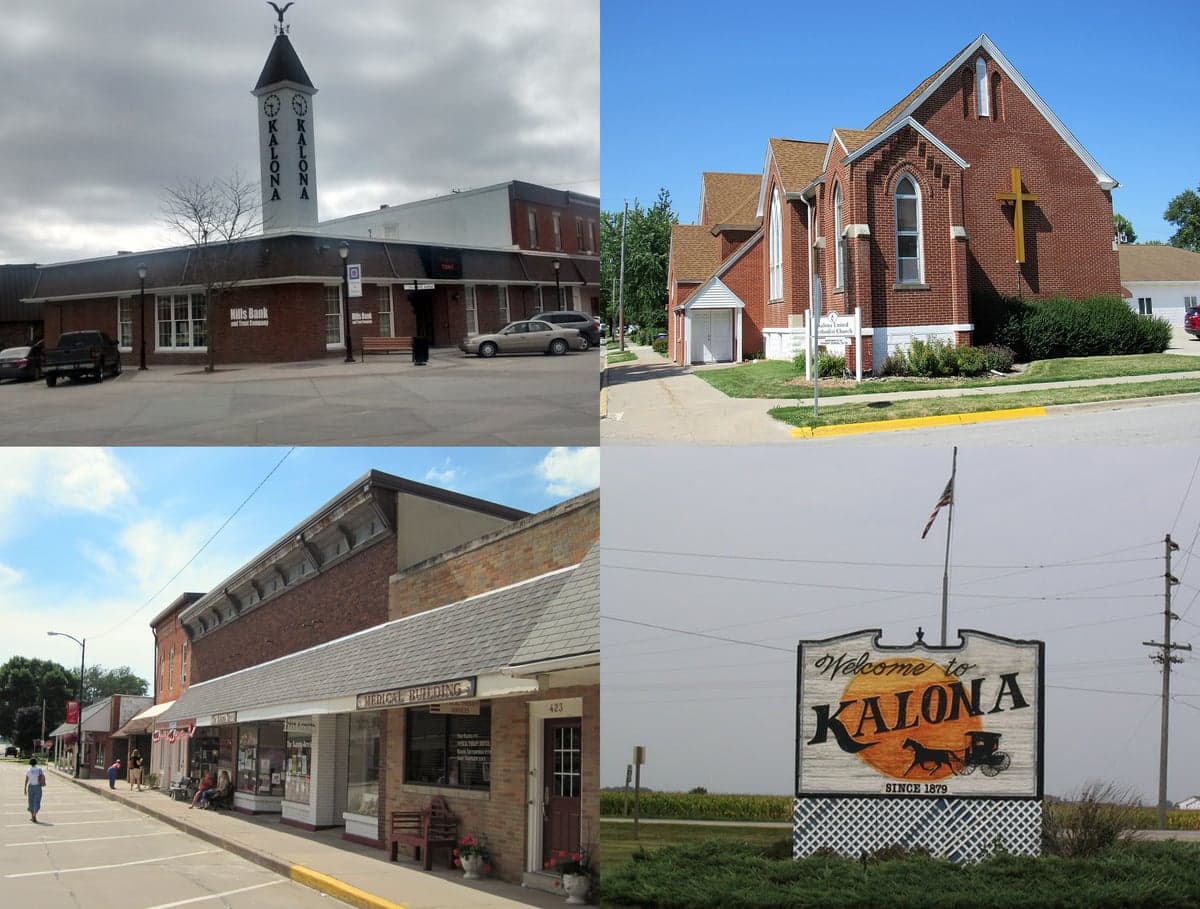
Photo: Wikipedia
Strategic Assessment of Kalona, IA
Workable tactical position. Some exposure to population density or targets, but generally defensible in a crisis.
What does the Strategic Assessment tell us?
Our Strategic Assessment grades tactical survivability of an area. Major population centers, military targets, fallout zones, natural disasters, and border exposure all drive risk — lower exposure means a more defensible position in a crisis.
This is heavily inspired by Joel Skousen's Strategic Relocation book. Highly recommended you checkout the book ($)What does this tell us?
Our Strategic Assessment grades tactical survivability of an area. Major population centers, military targets, fallout zones, natural disasters, and border exposure all drive risk — lower exposure means a more defensible position in a crisis.
This is heavily inspired by Joel Skousen's Strategic Relocation book. Highly recommended you checkout the book ($)Strategic Pillars
Key Distances
Regional Safe Places
Below is our recommended "safe zones" in Iowa and the surrounding area based on our strategic heuristics. For most people, it's unrealistic to live in a “safe zone” full-time due to work, family or other personal reasons. They tend to be more rural. However, many of these areas are perfect for second homes and retreat properties that double as a vacation home or even a short-term rental.
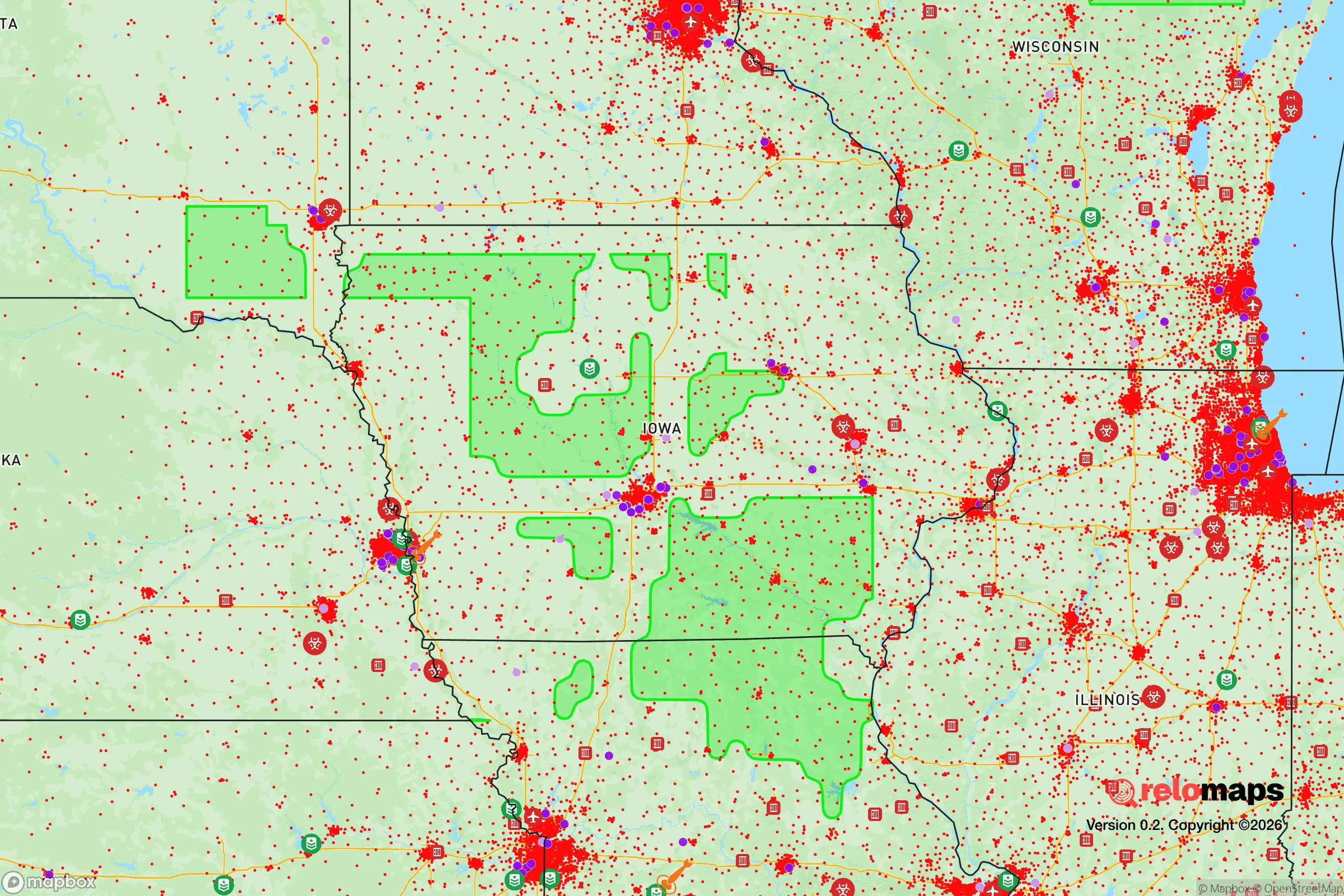
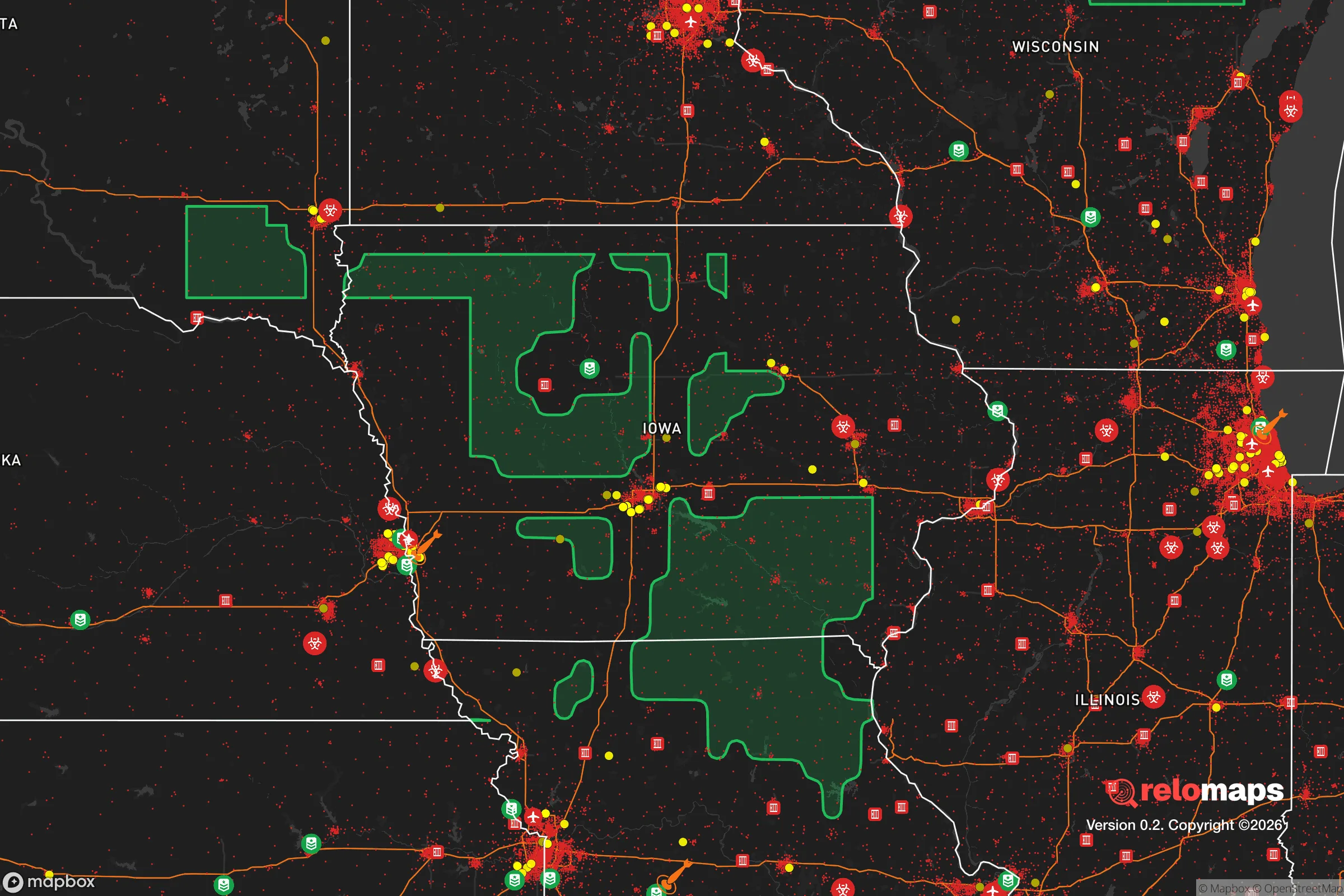


Important Note: For informational purposes only. This does not mean nothing bad ever happens in the green zones. Please use common sense. This is based on public data and modeled with AI. We tried to take a conservative approach but mistakes happen. We update this regularly as new information becomes available.
Solar Generator Recommendations
Backup power matters more here than in safer locations. We've picked three solar generators across budgets and capacity tiers — start with the budget unit if you only need a few essentials, or step up if you want to run a fridge and HVAC for days at a time.
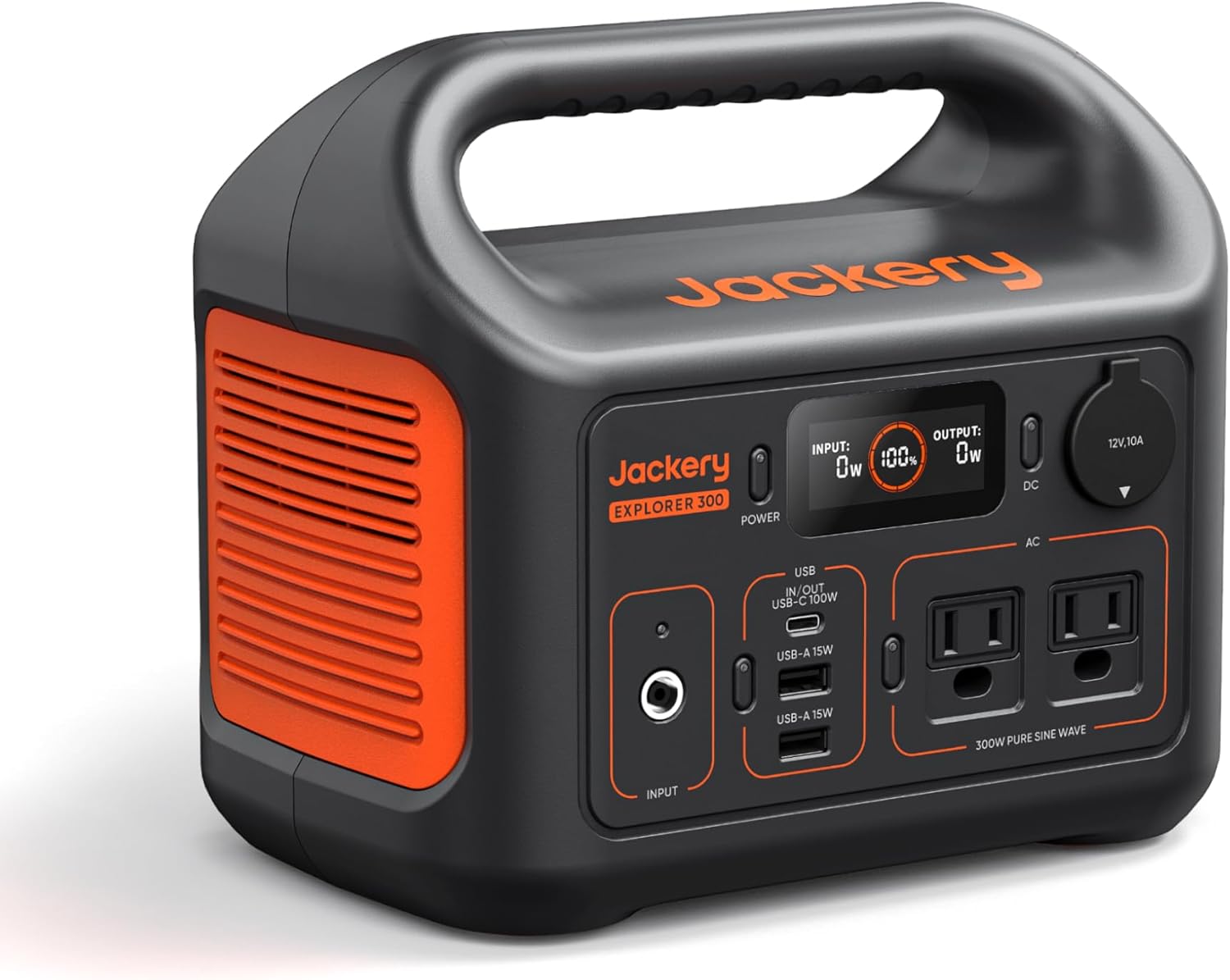
Jackery Portable Power Station Explorer 300
Budget OptionPower on the Go: Weighing only 11 lbs, it's convenient to set up and store with book-sized foldable solar panels

BLUETTI Portable Power Station AC180
Designed for both indoor and outdoor scenarios, AC180 is highly capable as it has a robost capacity and continuous output power.

EF ECOFLOW DELTA Pro Ultra Power Station
Upgraded PickEcoFlow DELTA Pro Ultra is a whole-home energy system designed to grow with your family. Integrated with the Smart Home Panel 2, it scales to meet your evolving energy needs — keeping your home powered, intelligent, and secure through every stage of life.
We earn a commission, at no additional cost to you.
Strategic Assessment Analysis
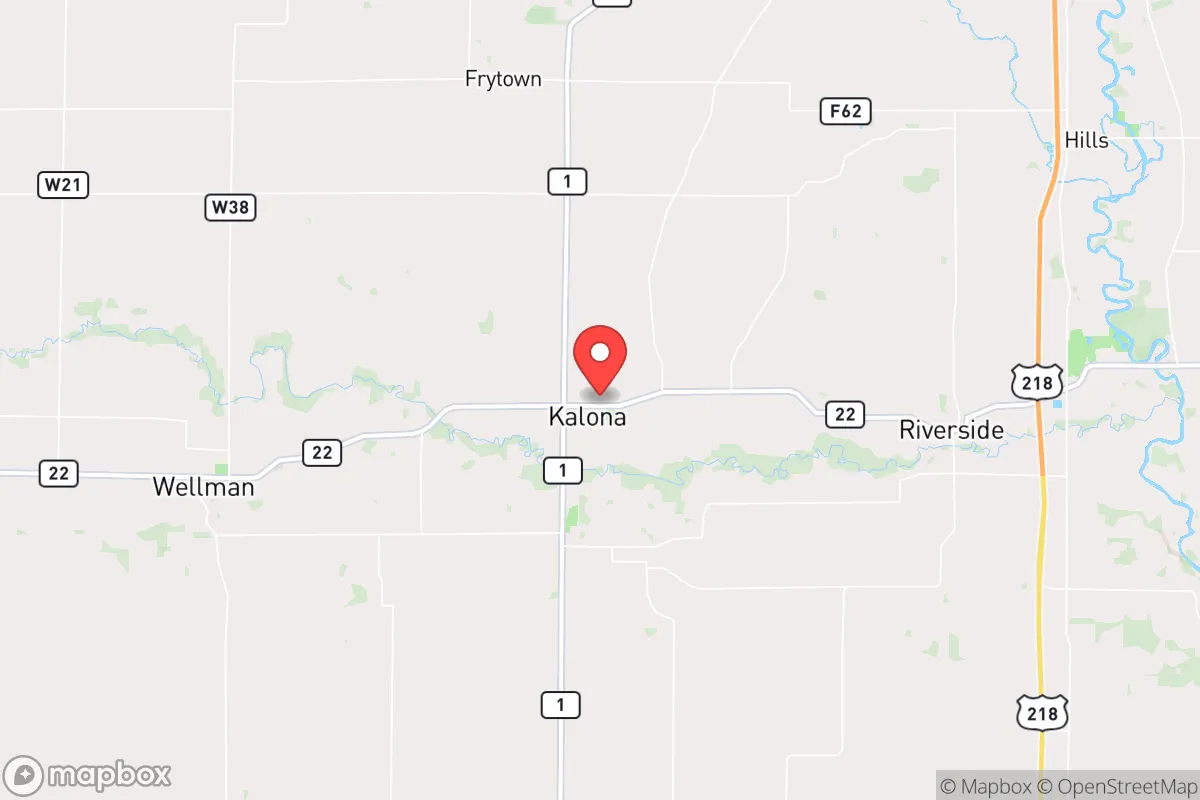
Kalona, Iowa, offers a compelling mix of small-town stability and strategic positioning for those prioritizing resilience and self-sufficiency. Nestled in the heart of Washington County, roughly 20 miles southwest of Iowa City and 30 miles north of the Missouri border, this Amish and Mennonite-influenced community of roughly 2,500 people sits on a flat, fertile plain that has historically been a breadbasket, not a target. Its distance from major metropolitan centers—while still being within a practical drive for supplies or medical care—gives it a distinct advantage for a relocator seeking a balance between isolation and access. The area's deep agricultural roots, strong community bonds, and low population density form a baseline of preparedness that many suburban or exurban locations simply cannot match.
Geographic position and natural advantages for long-term stability
Kalona’s geographic position is its primary strategic asset. The town sits on the Iowa River Greenbelt, a corridor of rich, well-drained soil that supports intensive farming—a critical factor for long-term food security. The surrounding Washington County is part of the Southern Iowa Drift Plain, a region of gently rolling hills and deep, fertile loess soils that are less prone to the flash flooding seen in steeper terrain. Unlike areas along the Mississippi River or the Missouri River floodplains, Kalona’s elevation (roughly 800 feet above sea level) and distance from major waterways reduce the risk of catastrophic flooding. The nearest significant river, the Iowa River, is about 10 miles east, and while it can swell during heavy rains, the town itself sits on higher ground. This means a relocator here faces fewer natural hazards than someone in, say, the Gulf Coast or the Pacific Northwest. The climate is continental—cold winters, hot summers—but predictable, with an average annual rainfall of about 35 inches, enough to sustain dryland farming without heavy reliance on irrigation. For a self-sufficient household, this translates to reliable growing seasons and a lower risk of drought-induced crop failure compared to the High Plains or the Southwest.
Risks, exposures, and proximity to fallout-relevant landmarks
No location is immune to risk, and Kalona’s proximity to larger population centers and infrastructure nodes is its most significant vulnerability. The town lies roughly 20 miles from Iowa City (population ~75,000) and 35 miles from Cedar Rapids (population ~135,000). While these distances provide a buffer, they are close enough that a major event—whether a natural disaster, a grid failure, or a man-made incident—could send a wave of refugees or disrupt supply chains. More critically, Kalona is about 50 miles from the Duane Arnold Energy Center, the decommissioned nuclear power plant near Palo, Iowa. Though the plant is permanently shut down (its fuel was removed in 2020), the site still contains spent fuel in dry casks. A worst-case scenario involving a terrorist attack or a catastrophic failure at that facility could theoretically create a fallout plume that, depending on wind direction, might affect the Kalona area. Additionally, the town sits within 100 miles of the Iowa Army Ammunition Plant in Burlington and the Rock Island Arsenal in Illinois—both potential targets in a conflict scenario. For a relocator thinking about man-made risks, Kalona’s position is not ideal but is far better than being within 10 miles of a major city or a military base. The real risk here is less about direct blast effects and more about secondary effects: supply chain interruptions, population displacement, and the potential for civil unrest spilling out from Iowa City or Cedar Rapids. The town’s low profile—no major highways run through it, and it lacks any high-value industrial targets—actually works in its favor for those seeking to avoid attention.
Practical resilience for a relocator: food, water, energy, and defensibility
Kalona’s practical resilience is where it truly shines, particularly for a family or individual committed to self-sufficiency. Food security is the area’s strongest suit. The town is the heart of Iowa’s Amish and Mennonite country, meaning there is a deep local knowledge of small-scale farming, animal husbandry, and food preservation. The Kalona Produce Auction, held weekly from May through October, is a hub for locally grown vegetables, fruits, and meats. For a relocator, this means access to heirloom seeds, livestock (chickens, goats, pigs), and a community that practices non-electric farming techniques. The surrounding farmland is predominantly corn and soybeans, but many Amish farms also produce hay, oats, and vegetables, creating a diversified local food system that is less dependent on industrial agriculture. Water availability is moderate but manageable. Most rural properties rely on private wells, and the area’s groundwater is generally good quality, though it can be high in iron or sulfur. The average well depth in Washington County is around 100-150 feet, tapping into the Jordan Aquifer, which is a reliable source. For a relocator, investing in a hand pump or a solar-powered well pump is a straightforward upgrade. The town itself has a municipal water system sourced from the Iowa River, but a self-sufficient household would want a backup well or rainwater catchment. Energy resilience is a mixed picture. The grid here is typical for rural Iowa—overhead lines, prone to ice storms and wind damage. However, the area’s flat terrain and open skies make it excellent for solar panels, and the local Amish community’s reliance on propane, wood, and battery systems offers a model for off-grid living. Wood is abundant in the nearby Hawkeye Wildlife Management Area and private woodlots, providing a renewable heating source. Defensibility is Kalona’s hidden advantage. The town’s layout—a compact core of historic buildings surrounded by open farmland—means that a determined group could establish a perimeter. The Amish and Mennonite communities are famously self-policing and have strong internal communication networks (often via CB radio or face-to-face). For a relocator, integrating into this network is key: it provides early warning of threats, mutual aid, and a social fabric that discourages crime. The nearest law enforcement is the Washington County Sheriff’s Office, based 10 miles away in Washington, Iowa, so response times in a crisis could be slow. That makes community cohesion and personal preparedness essential.
The overall strategic picture for Kalona is one of moderate risk with high resilience potential. It is not a remote bunker location—it is too close to Iowa City and Cedar Rapids for that—but it offers a rare combination of agricultural self-sufficiency, a pre-existing culture of preparedness, and a low-target profile. For a relocator who is serious about disaster readiness, the key trade-off is between isolation and community support. Kalona leans toward the latter: you trade the absolute security of a remote mountain cabin for the practical advantages of a tight-knit, food-producing community that has been practicing resilience for generations. The risks from nearby population centers and infrastructure are real but manageable with good planning—a well-stocked pantry, a backup water source, and a willingness to build relationships with neighbors who already live the lifestyle you are seeking. If your goal is to be part of a functioning, self-reliant community rather than a lone survivalist, Kalona is a strong candidate. It is not a fallout shelter, but it is a place where you can grow your own food, know your neighbors, and ride out most disruptions with a level of confidence that few suburban or urban locations can offer.

* Values derived from national, state, county, city and local statistics and may differ in a specific area. Last updated: 2026-10-17T20:43:27.000Z
Narrative content on this page is AI-generated and may contain mistakes. Verify any details that matter before acting on them.
ReloMaps may earn a commission from affiliate links at no extra cost to you.

