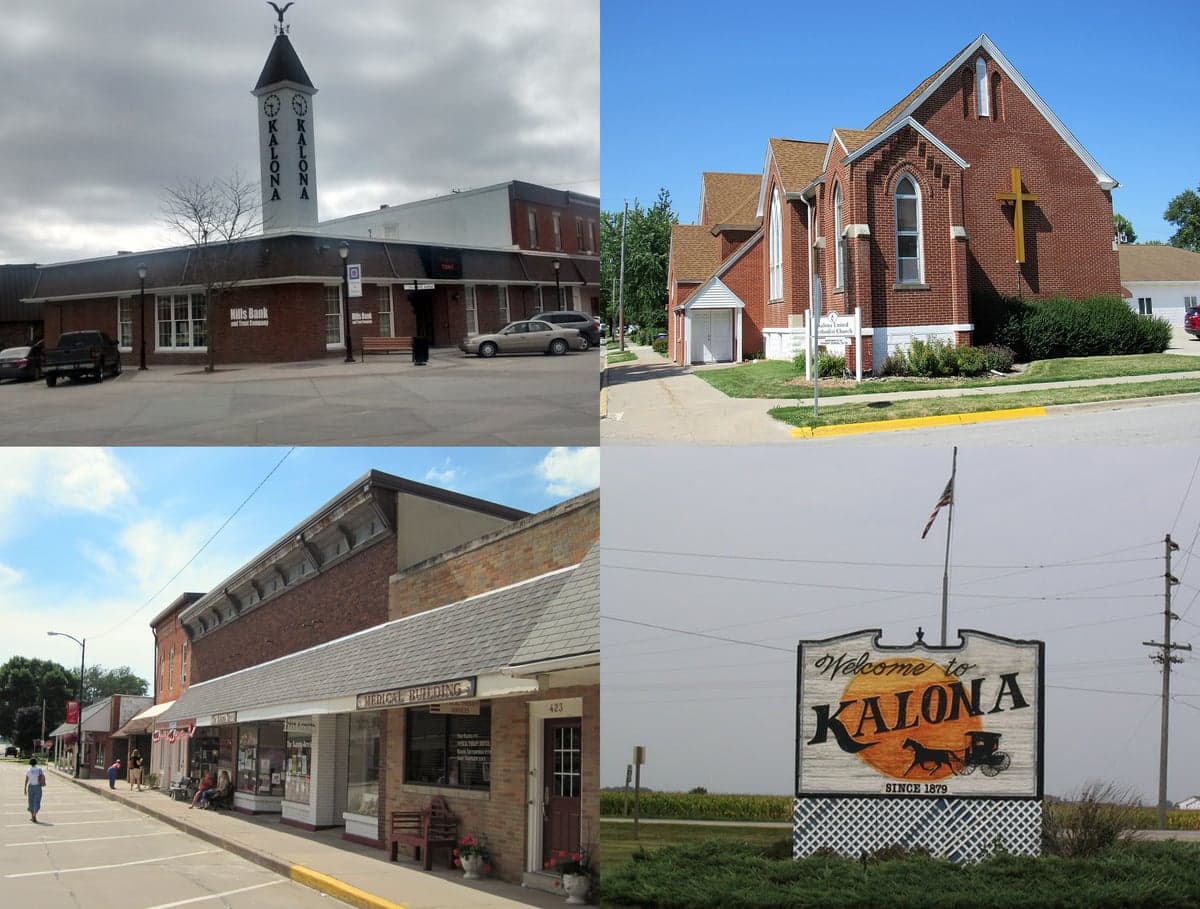
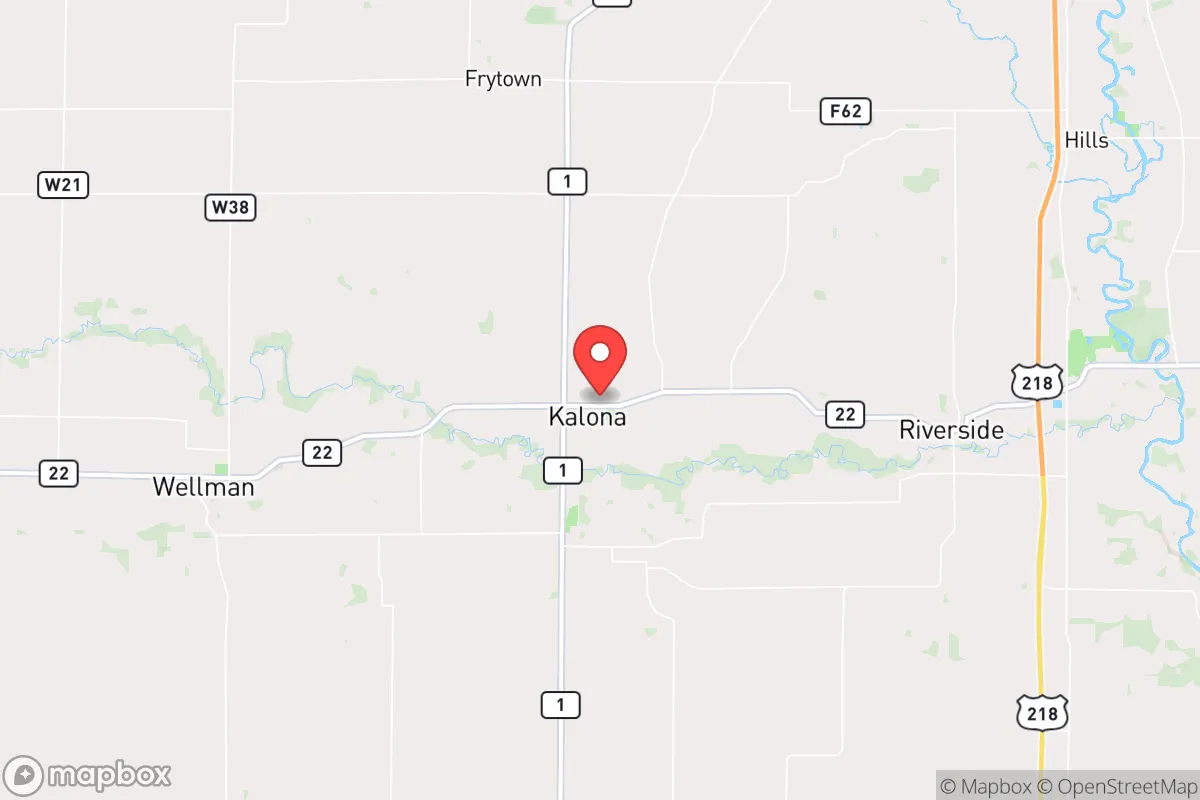
Photo: Wikipedia
Quality of Life in Kalona, IA
A high quality of life with strong walkability, manageable living costs, healthy neighborhood signals, and solid amenity access.
What does Quality of Life tell us?
Quality of Life blends cost of living, nearby amenities, socioeconomic signals, and neighborhood character. City-level scores represent the whole municipality; individual neighborhoods can differ.
What does this tell us?
Quality of Life blends cost of living, nearby amenities, socioeconomic signals, and neighborhood character. City-level scores represent the whole municipality; individual neighborhoods can differ.
Cost of Living
26% below national average
The Real Cost of Living in Kalona, IA for 2026
| Tier | Individual | Family (4) |
|---|---|---|
| Survival | $13k | $25k |
| Comfortable | $43k | $63k |
| Luxury | $120k+ | $186k+ |
| Elite (Top 5%) | $141k+ | $219k+ |
115%
The Area Signal
A metric tracking the socioeconomic signals of the area.
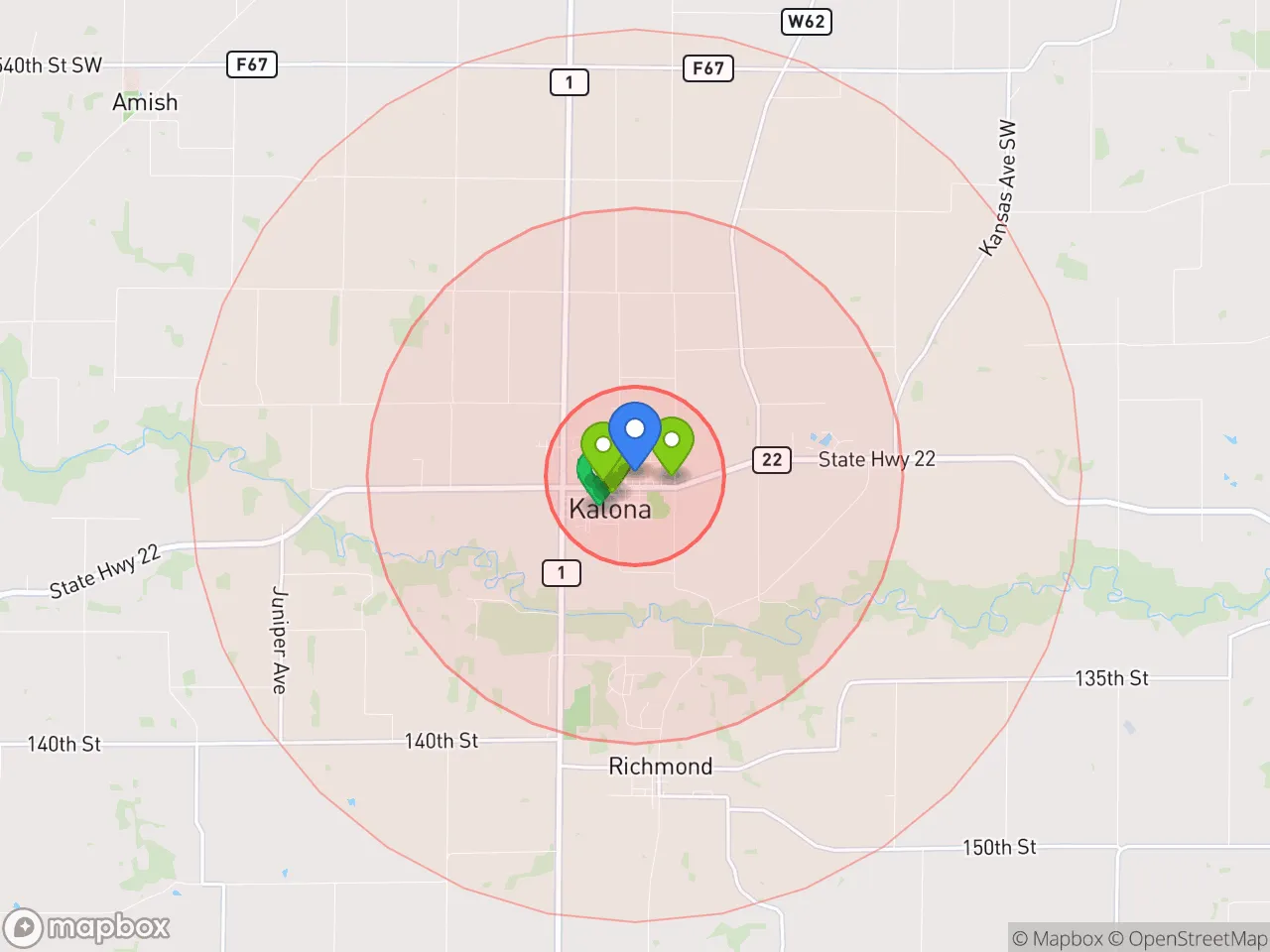
Hobbies
Explore the areaGroceries
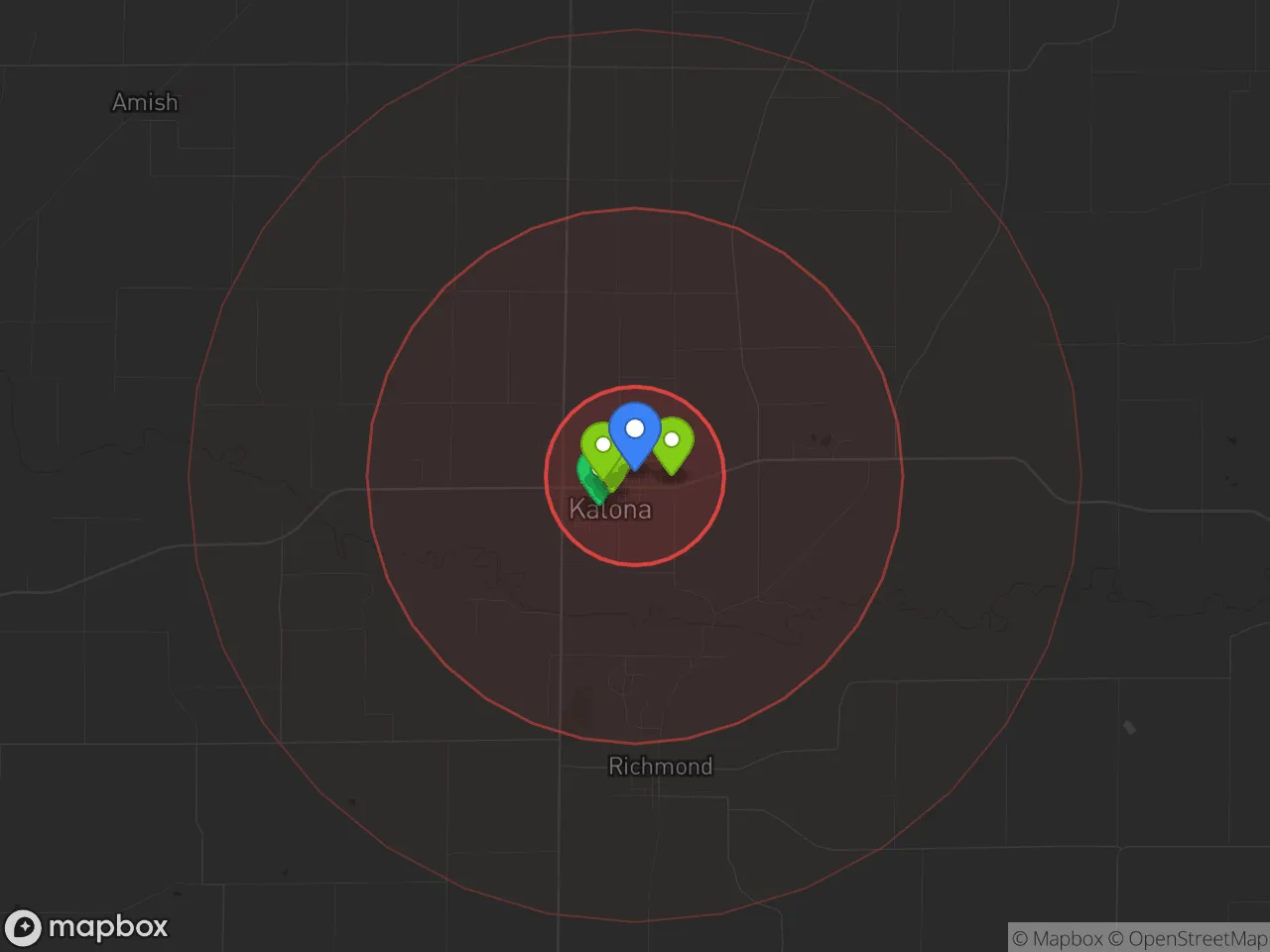
0 within 10 miles
Gas
6 within 10 miles
Hospital
9 within 20 miles
Airport
ORD — O'Hare International
Post Office
USPS — Kalona, IA
Critical Amenities
Quality-of-Life Analysis
Kalona, Iowa, presents a quality of life defined by small-town affordability and a strong Amish and Mennonite heritage, attracting families, retirees, and remote workers who prioritize space and community over urban amenities. With a cost of living index of 74—well below the national average of 100—the area offers a notably lower financial barrier to homeownership and daily expenses compared to nearby Iowa City or Cedar Rapids. The population skews toward long-term residents and those seeking a quieter, more traditional lifestyle, reflected in the town’s tight-knit social fabric and slower pace.
Cost of living, housing, and affordability compared to Iowa City and Cedar Rapids
Kalona’s cost of living is a primary draw, with a median home value of $221,300 and a median rent of $819—both significantly lower than in Iowa City (median home value ~$310,000) or Cedar Rapids (~$240,000). This affordability allows residents to secure larger lots or newer construction for less, though the trade-off is a limited rental market and fewer housing options. The average commute of 22.1 minutes is manageable, with most workers driving to jobs in Iowa City (20 minutes east) or Washington (15 minutes west). Property taxes in Washington County are moderate, and utilities remain below national averages, reinforcing the area’s appeal for budget-conscious households. However, wages in Kalona itself are lower than in the metro areas, so many residents commute to higher-paying jobs in healthcare, education, or manufacturing.
Local amenities, schools, and what daily life is like for families
Daily life in Kalona centers on its historic downtown, which features locally owned shops, a grocery store, and the Kalona Historical Village. The Mid-Prairie Community School District serves the area with three elementary schools, a middle school, and a high school, consistently scoring above state averages in reading and math proficiency. For recreation, residents use the Kalona City Park, the nearby Lake Macbride State Park for hiking and fishing, and the Kalona Golf Course. The town’s Amish and Mennonite presence shapes the rhythm of life—many businesses close on Sundays, and the weekly Kalona Farmers Market (May–October) draws visitors from across the region. Dining options are limited to a handful of family-run restaurants and cafes, so most residents drive to Iowa City for diverse cuisine, entertainment, or major retail. Healthcare access is a gap: the nearest hospital is University of Iowa Hospitals and Clinics in Iowa City (20 miles), with a small clinic in Kalona for basic needs.
Kalona is best suited for those who value low costs, a strong sense of community, and a slower, rural-oriented lifestyle. Families with school-age children benefit from the above-average school district and safe environment, while remote workers or retirees can stretch their budgets further here than in larger Iowa cities. The lack of nightlife, limited job diversity, and reliance on a car for most errands mean that singles or young professionals seeking urban energy may find the town too quiet. For anyone prioritizing affordability, space, and a connection to local heritage, Kalona offers a stable, welcoming base with easy access to the amenities of the Iowa City metro area.

Crime in Kalona, IA
Generally safer than 69% of comparable U.S. locations.
Violent CrimeViolent Crime Analysis
Property CrimeProperty Crime Analysis
Crime Analysis
Kalona, Iowa, presents a mixed safety profile that warrants careful consideration for potential residents. The town's violent crime rate of 230.9 per 100,000 residents is notably lower than the national average, but its property crime rate of 1,169.7 per 100,000 is elevated compared to both state and national benchmarks. These figures place Kalona in a position where property-related offenses are a more pressing concern than violent incidents, a dynamic common in small towns experiencing growth near larger metropolitan areas.
Crime in context
When compared to Iowa's statewide violent crime rate of approximately 280 per 100,000, Kalona's rate of 230.9 is about 18% lower, suggesting a relatively safe environment for personal safety. However, the property crime rate of 1,169.7 per 100,000 exceeds the Iowa average of roughly 1,500 per 100,000, but is still below the national average of around 1,950 per 100,000. This means a resident's risk of experiencing a property crime like burglary or theft is moderate, but not alarmingly high. The data indicates that Kalona is not a high-crime area by national standards, but vigilance regarding property security is advisable.
What residents experience
Daily life in Kalona for most residents involves a low likelihood of encountering violent crime. Theft, particularly from vehicles and outbuildings, is the most commonly reported issue, often tied to transient populations or opportunistic offenders. The town's proximity to Iowa City and the broader Johnson County area introduces a dynamic where crime patterns can be influenced by the larger metro region. Residents should be aware that progressive judicial philosophies in nearby larger jurisdictions, such as Johnson County, can lead to more lenient sentencing and earlier release of property crime offenders, potentially increasing the pool of criminals operating in surrounding communities like Kalona. This is a specific concern for those moving from areas with stricter law-and-order policies.
Neighborhood-level variation
Crime in Kalona is not uniformly distributed. The downtown core and areas near Highway 1, which see more foot and vehicle traffic, experience a slightly higher incidence of theft and vandalism. In contrast, the quieter residential streets and newer subdivisions on the town's outskirts report fewer incidents. The Amish and Mennonite communities, concentrated in the rural areas immediately surrounding Kalona, have very low crime rates, but their properties can be targets for theft of tools and livestock. For the most current neighborhood-level data, consulting the Washington County Sheriff's Office online crime map is recommended, as it provides a granular view of recent incidents by address and type.
* Values derived from national, state, county, city and local statistics and may differ in a specific area. Last updated: 2026-10-17T20:43:27.000Z
Narrative content on this page is AI-generated and may contain mistakes. Verify any details that matter before acting on them.
ReloMaps may earn a commission from affiliate links at no extra cost to you.

