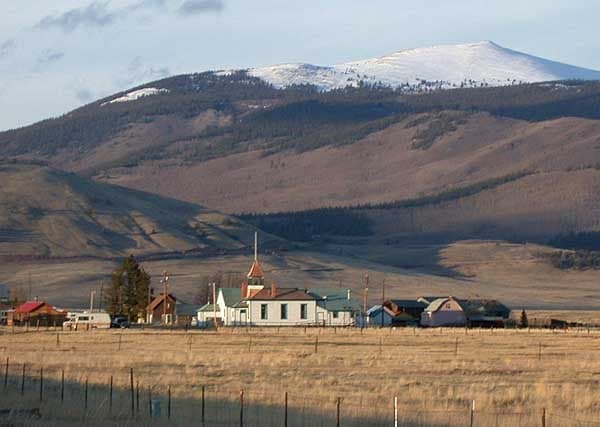
Photo: Wikipedia
Quality of Life in Jefferson, CO
A high quality of life with strong walkability, manageable living costs, healthy neighborhood signals, and solid amenity access.
What does Quality of Life tell us?
Quality of Life blends cost of living, nearby amenities, socioeconomic signals, and neighborhood character. City-level scores represent the whole municipality; individual neighborhoods can differ.
What does this tell us?
Quality of Life blends cost of living, nearby amenities, socioeconomic signals, and neighborhood character. City-level scores represent the whole municipality; individual neighborhoods can differ.
Cost of Living
51% above national average
The Real Cost of Living in Jefferson, CO for 2026
| Tier | Individual | Family (4) |
|---|---|---|
| Survival | $27k | $51k |
| Comfortable | $88k | $129k |
| Luxury | $168k+ | $261k+ |
| Elite (Top 5%) | $198k+ | $307k+ |
88%
* median rent and top-5% income substituted from state-level data — local Census figures unavailable for small populations
The Area Signal
A metric tracking the socioeconomic signals of the area.
Limited data for this area
Limited data for this area
Hobbies
Explore the areaGroceries
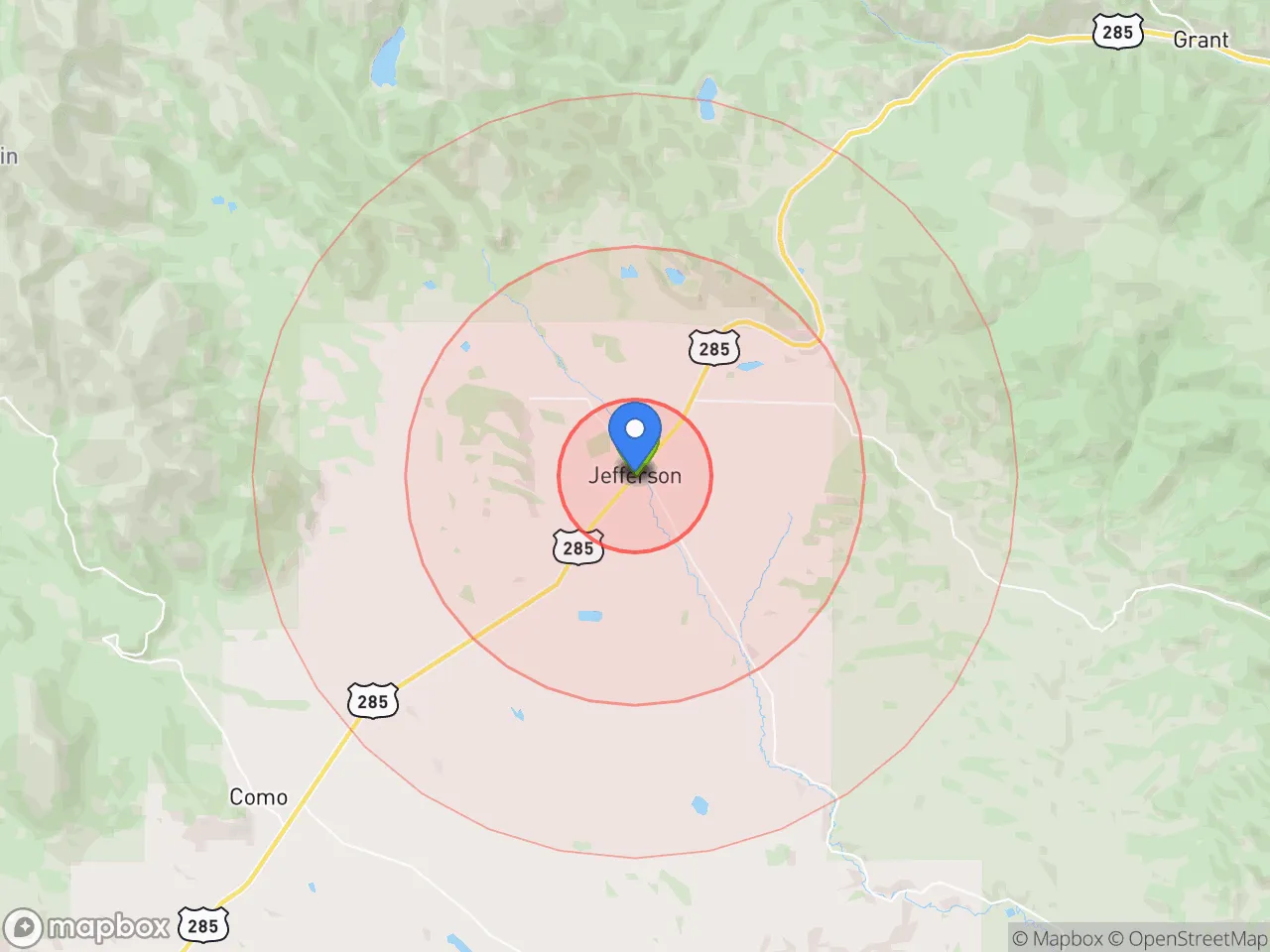
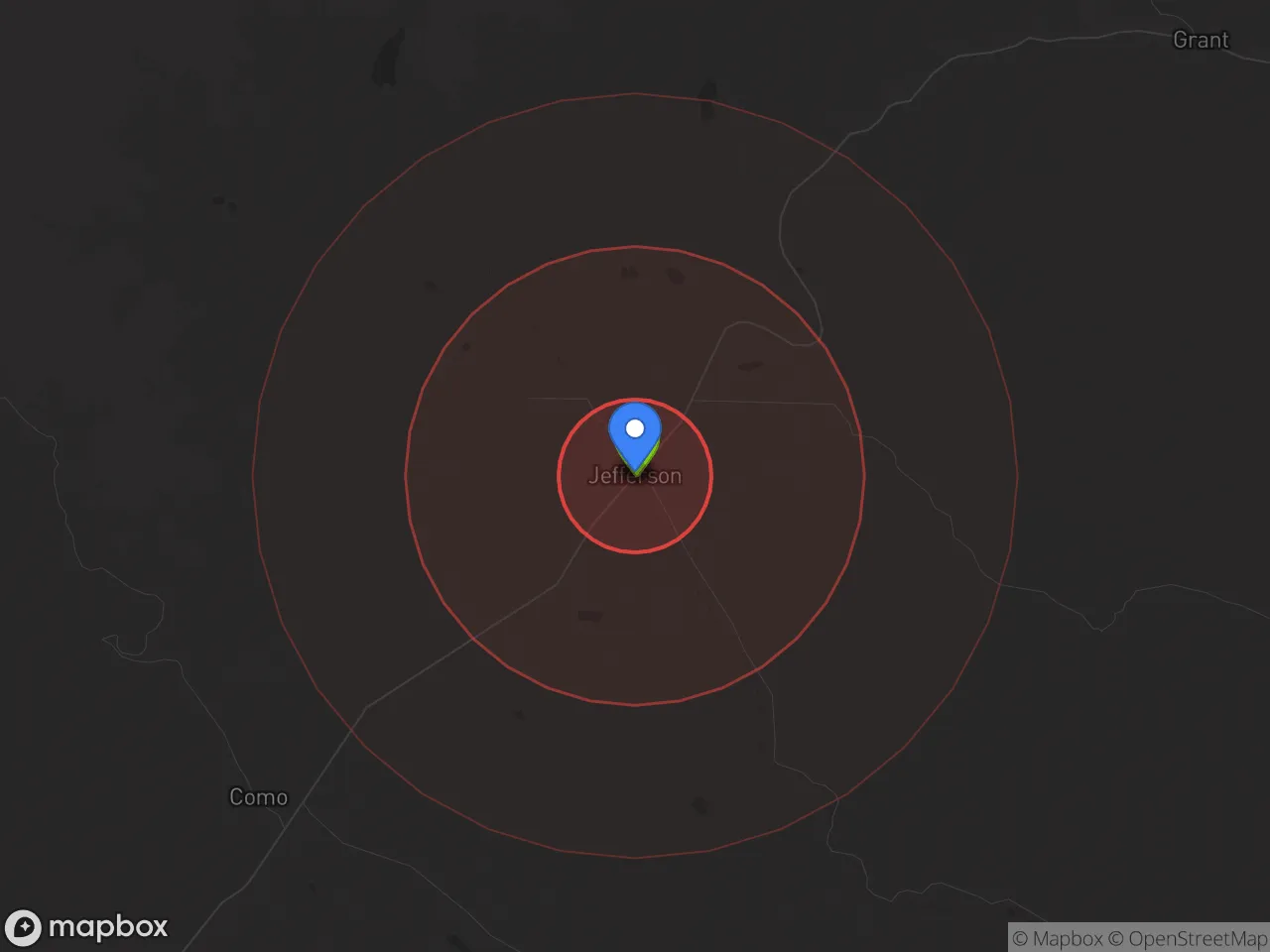
0 within 10 miles
Gas
0 within 10 miles
Hospital
1 within 20 miles
Airport
DEN — Denver International
Post Office
USPS — Jefferson, CO
Critical Amenities
Quality-of-Life Analysis
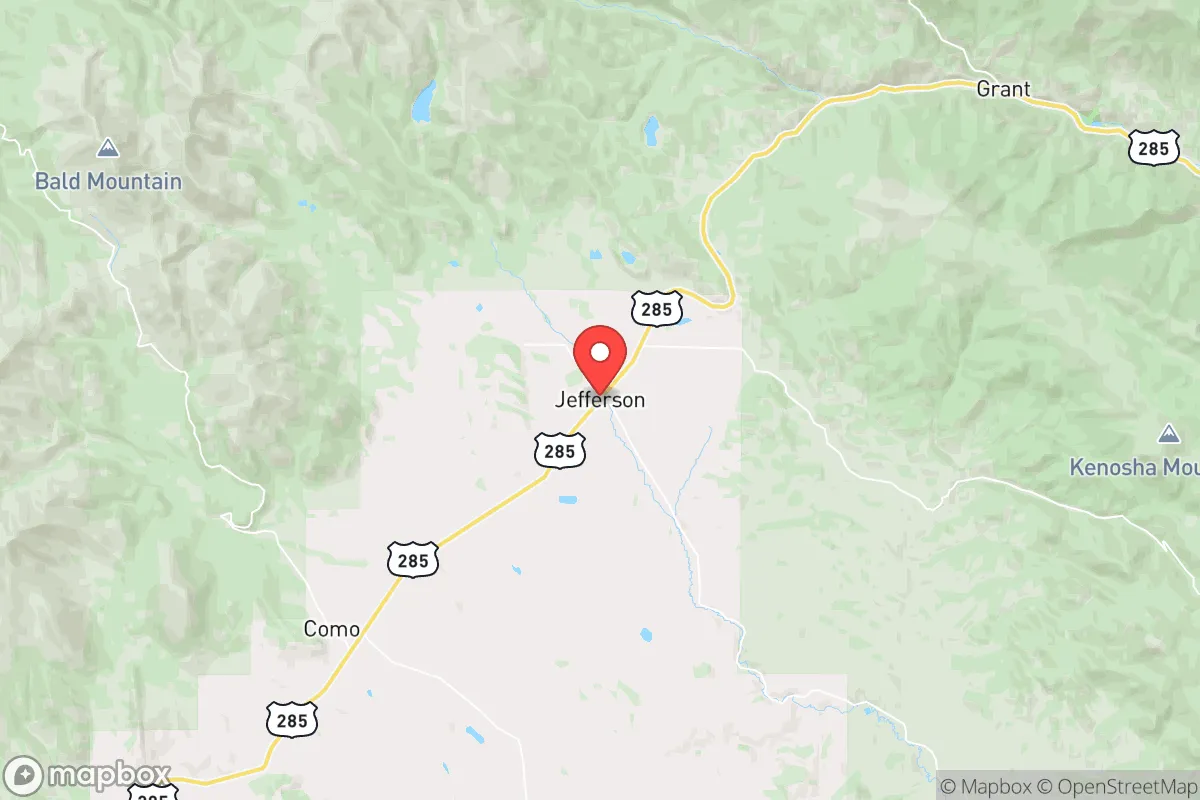
Jefferson, Colorado, is an affluent mountain community in the heart of the Rockies, where the cost of living index of 151 (100 = US average) signals a lifestyle built on scenic beauty and proximity to world-class recreation rather than urban convenience. The area draws a mix of outdoor professionals, remote workers, and second-home owners who prioritize open space and quiet over nightlife and density. With a median home value of $451,700 and a median rent of $1,693, Jefferson sits at a distinct price point compared to both Denver and nearby resort towns like Breckenridge or Frisco.
Cost of living, housing affordability, and how Jefferson compares to nearby areas
Jefferson’s cost of living is roughly 51% above the national average, driven primarily by housing. The median home value of $451,700 is significantly lower than the $800,000+ median in Summit County resort towns like Breckenridge, but it is still about 30% higher than the Colorado statewide median of roughly $350,000. Renters face a median of $1,693 per month, which is comparable to suburban Denver but offers far more land and privacy. The average commute of 25.5 minutes is notably short for the region, as many residents work locally in tourism, construction, or remote roles, while those commuting to Denver face a 60-90 minute drive over U.S. 285. Property taxes in Park County remain low relative to Front Range counties, which helps offset the high purchase price for homeowners. For buyers seeking a mountain lifestyle without the resort-town premium, Jefferson offers a more attainable entry point than Breckenridge or Vail, though it still demands a six-figure household income to afford a mortgage comfortably.
What daily life is like for families: schools, amenities, and local rhythm
Daily life in Jefferson revolves around the outdoors and small-town self-sufficiency. The area is served by Park County School District RE-2, which includes Deer Creek Elementary and Platte Canyon High School in nearby Bailey; both schools have student-teacher ratios around 15:1 and strong community involvement, though options for specialized programs are limited compared to Denver suburbs. Groceries and basic supplies are available in Bailey (about 10 minutes north), while major shopping and healthcare require a 45-minute drive to Conifer or a 60-minute drive to Littleton. The local rhythm is slow and seasonal: summer brings hiking, fishing, and off-roading on the Pike National Forest trails, while winter focuses on snowshoeing, cross-country skiing, and occasional trips to ski resorts like Keystone (about 45 minutes away). There are no major hospitals in Jefferson itself; the nearest emergency care is at St. Anthony Hospital in Lakewood, roughly 50 minutes east. For families, the trade-off is clear: less access to schools and services than the suburbs, but far more space, safety, and direct nature access than any metro neighborhood.
Jefferson is best suited for those who value solitude, outdoor recreation, and a slower pace over urban convenience and career density. Remote workers, retirees, and families who homeschool or prioritize nature-based learning will find the area’s low crime rates, clean air, and stunning mountain views compelling. However, the high cost of living and limited services mean it is not a fit for those needing frequent access to hospitals, diverse schools, or a vibrant social scene. For the right buyer—one with a stable income, a love for the Rockies, and a tolerance for winter driving—Jefferson offers a quality of life that is hard to match anywhere else in Colorado.

Crime in Jefferson, CO
Crime rates similar to the national median for U.S. locations.
Violent CrimeViolent Crime Analysis
Property CrimeProperty Crime Analysis
Crime Analysis
Jefferson County, Colorado, presents a mixed safety profile that demands careful attention from potential residents. The county's violent crime rate stands at 426.6 incidents per 100,000 residents, while property crime reaches 2,173.1 per 100,000. These figures place Jefferson County in a concerning position relative to national averages, particularly given its status as a large metro-area county where progressive judicial policies may influence public safety outcomes.
Crime in context
Jefferson County's violent crime rate of 426.6 per 100,000 is approximately 22% higher than the national average of roughly 380 per 100,000. Property crime at 2,173.1 per 100,000 exceeds the national rate of about 1,954 per 100,000 by roughly 11%. When compared to Colorado's statewide violent crime rate of approximately 410 per 100,000, Jefferson County is slightly above the state norm. These elevated figures are consistent with trends seen in many Front Range counties that are part of the Denver metropolitan area, where population growth and urban pressures have strained law enforcement resources. The presence of progressive district attorneys and judges in the broader Denver metro region, including in Jefferson County itself, has been linked to reduced prosecution rates for certain offenses and shorter sentences, which critics argue contributes to higher recidivism and more criminals remaining on the streets.
What residents experience
For those living in Jefferson County, property crime is the most tangible safety concern. Vehicle theft and burglary are the most frequently reported property crimes, with auto theft rates in the county having risen sharply since 2020, mirroring statewide trends. Violent crimes, while less common, include aggravated assault as the predominant category, followed by robbery. Residents in unincorporated areas and smaller towns like Evergreen and Conifer often report lower crime rates than those in more urbanized corridors such as Lakewood or Golden. The county's law enforcement agencies, including the Jefferson County Sheriff's Office, have implemented community policing initiatives, but the effectiveness of these efforts is undermined when progressive prosecutorial policies result in lenient plea deals or reduced charges for repeat offenders. This dynamic creates a situation where victims may feel justice is not fully served, and public safety is compromised by a system that prioritizes offender rehabilitation over victim protection.
Neighborhood-level variation is significant within Jefferson County. Areas closer to Denver, such as unincorporated communities along the Wadsworth Boulevard corridor, tend to report higher crime densities, while western mountain communities like Conifer and Pine Junction experience far fewer incidents. Prospective residents should examine block-level crime maps and consider that even within "safe" neighborhoods, proximity to major transit routes or commercial districts can increase exposure to property crime. The county's overall safety picture is one where vigilance is necessary, particularly given the broader judicial environment that may not prioritize public safety as its highest objective.
* Values derived from national, state, county, city and local statistics and may differ in a specific area. Last updated: 2026-05-28T15:55:53.000Z
Narrative content on this page is AI-generated and may contain mistakes. Verify any details that matter before acting on them.
ReloMaps may earn a commission from affiliate links at no extra cost to you.

