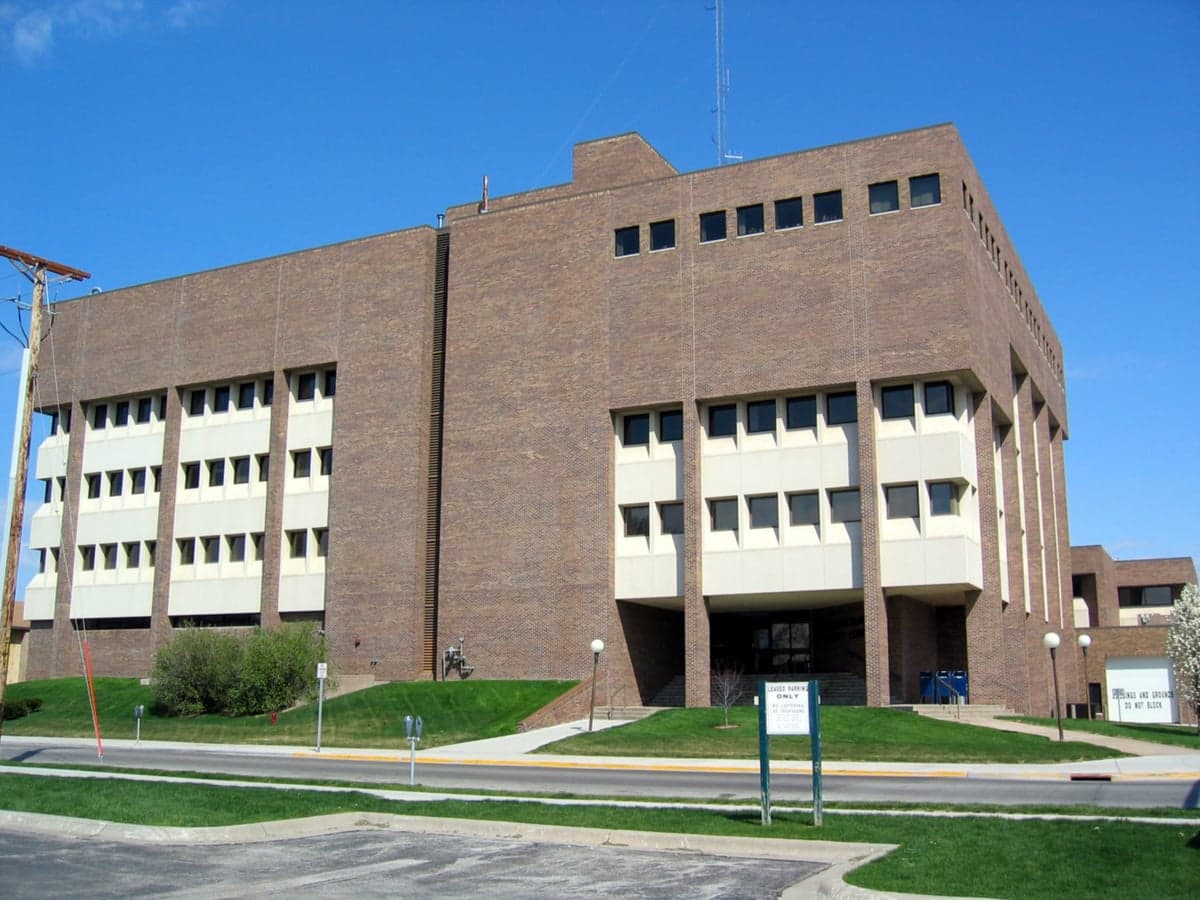
Photo: Wikipedia
Quality of Life in Pottawattamie County
A livable area that tracks near national norms for affordability, walkability, and neighborhood health.
What does Quality of Life tell us?
Quality of Life measures an area by evaluating factors like cost of living, nearby amenities, country club access, airport proximity, socioeconomic signals and neighborhood character. For large states, this is a general average — quality of life can vary dramatically between metro areas, suburbs, and rural communities within the same state.
What does this tell us?
Quality of Life measures an area by evaluating factors like cost of living, nearby amenities, country club access, airport proximity, socioeconomic signals and neighborhood character. For large states, this is a general average — quality of life can vary dramatically between metro areas, suburbs, and rural communities within the same state.
Cost of Living
24% below national average
136%
The Real Cost of Living in Pottawattamie County for 2026
| Tier | Individual | Family (4) |
|---|---|---|
| Survival | $15k | $29k |
| Comfortable | $36k | $52k |
| Luxury | $117k+ | $181k+ |
| Elite (Top 5%) | $137k+ | $213k+ |
Quality-of-Life Analysis
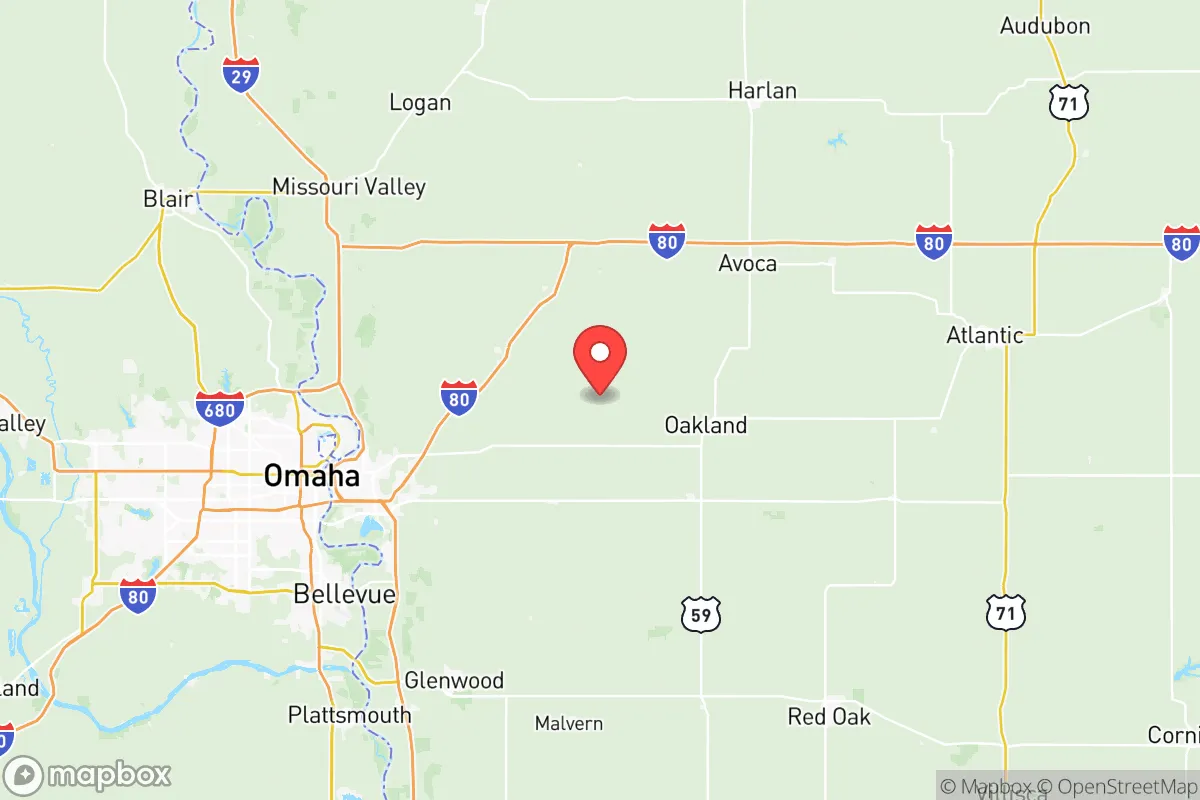
Pottawattamie County, Iowa, offers a broad quality-of-life spectrum that ranges from the urban-suburban energy of its largest city, Council Bluffs, to the quiet, agricultural rhythms of smaller towns like Avoca and rural unincorporated areas such as Honey Creek. The county’s character shifts noticeably as you move from the Missouri River valley eastward into the rolling farmland, attracting different residents: young professionals and commuters to Omaha tend to cluster near Council Bluffs, while families seeking lower costs and retirees valuing space gravitate toward the smaller communities and open countryside.
Largest town(s) & population centers
Council Bluffs is the county’s dominant population center, home to roughly 62,000 residents and serving as the primary hub for retail, healthcare, and employment. Daily life here is shaped by its role as a western Iowa gateway: residents have direct access to Omaha’s job market via Interstate 80 and Interstate 29, while enjoying lower Iowa taxes and housing costs. The city offers a mix of historic neighborhoods near Bayliss Park, newer subdivisions along the I-80 corridor, and a growing entertainment district anchored by the Mid-America Center and Horseshoe Casino. Council Bluffs also provides practical amenities such as CHI Health Mercy Hospital, Iowa Western Community College, and a range of grocery and dining options that make it self-sufficient for most daily needs. The average commute of about 20 minutes reflects the county’s manageable travel times, though many residents cross into Nebraska for work, adding 10–15 minutes to that figure.
Smaller towns & rural pockets
Beyond Council Bluffs, the county contains several distinct smaller communities. Avoca (pop. ~1,500) sits along the Union Pacific Railroad mainline and offers a walkable downtown with a grocery store, library, and a strong sense of community anchored by the annual Avoca Fun Days. Underwood (pop. ~900) is a bedroom community for both Council Bluffs and Omaha, known for its highly rated Underwood Community School District and newer housing developments that attract families. Neola (pop. ~800) retains a classic small-town feel with its grain elevator and quiet streets, while Minden (pop. ~600) and Walnut (pop. ~700) are farming-oriented villages where residents often commute to Council Bluffs or work in agriculture. Unincorporated areas like Honey Creek and Silver City offer true rural living with acreages, limited services, and proximity to recreation at Lake Manawa State Park and Hitchcock Nature Center.
Cost & lifestyle range
The cost of living across Pottawattamie County is well below the national average, with a composite index of 76 (100 = U.S. average), but the range between areas is notable. Council Bluffs sits at the higher end: median home values around $183,600 and median rent of $970 reflect demand from Omaha commuters and local professionals. In contrast, smaller towns like Avoca and Neola offer median home values closer to $120,000–$140,000, and rents can dip below $800 for two-bedroom units. Rural properties on acreages in Honey Creek or near the Loess Hills often sell for $150,000–$200,000 for a house with land, but utility costs and well/septic maintenance add to monthly expenses. Lifestyle differences are equally pronounced: Council Bluffs provides chain retailers, multiple healthcare options, and cultural venues like the Pottawattamie Arts, Culture & Entertainment (PACE) center, while smaller towns offer lower property taxes, quieter streets, and stronger neighborly connections but require driving 15–30 minutes for a major grocery trip or medical appointment.
This county is best suited for people who value choice and trade-offs. Commuters to Omaha who want Iowa’s lower property taxes and shorter school closures will find Council Bluffs practical. Families seeking a slower pace with good schools often land in Underwood or Avoca. Retirees and remote workers looking for affordable acreage gravitate toward the rural pockets near the Loess Hills. The common thread is that Pottawattamie County delivers a lower cost of living than the national norm, with the flexibility to pick an environment that matches personal priorities — from urban convenience to genuine countryside solitude.

Crime in Pottawattamie County
Generally safer than 69% of comparable U.S. locations.
Violent CrimeViolent Crime Analysis
Property CrimeProperty Crime Analysis
Crime Analysis
Pottawattamie County, Iowa, presents a mixed safety picture where property crime rates significantly exceed both state and national averages, while violent crime remains below the national benchmark. The county, anchored by Council Bluffs and stretching east toward the Des Moines metro influence, recorded a violent crime rate of 230.9 per 100,000 residents and a property crime rate of 1,169.7 per 100,000 in the most recent reporting period. These figures place the county in a tier where residents in smaller towns like Avoca, Oakland, and Underwood generally experience lower incident rates than those in the more urbanized Council Bluffs corridor, though the countywide numbers mask significant local variation.
Crime in context
Compared to Iowa’s statewide violent crime rate of approximately 280 per 100,000, Pottawattamie County’s 230.9 figure is about 18% lower, and it sits well below the national average of roughly 380 per 100,000. However, the property crime rate of 1,169.7 per 100,000 is notably higher than Iowa’s statewide average of roughly 950 per 100,000 and slightly above the national average of approximately 1,100 per 100,000. This pattern—lower violence but elevated theft and burglary—is common in counties with a mix of rural areas and a mid-sized urban core. Council Bluffs, as the county seat and largest city, drives much of the property crime volume, particularly in areas near Interstate 29 and the casino district, where vehicle break-ins and larceny are concentrated. In contrast, communities like Treynor and Neola report far fewer incidents, reflecting their smaller populations and limited commercial zones.
What residents experience
For most residents, the day-to-day reality is that property crime—especially theft from vehicles, burglary, and occasional vandalism—is the most likely safety concern. The county’s proximity to Omaha, Nebraska, just across the Missouri River, introduces cross-jurisdictional challenges; criminals can quickly move between states, complicating enforcement and prosecution. The Pottawattamie County Attorney’s Office, which handles felony prosecutions, operates under a traditional law-and-order framework, but the nearby Douglas County, Nebraska (Omaha) court system has seen progressive prosecutorial policies in recent years, including reduced charges for certain property offenses. This disparity can create a revolving-door effect where offenders arrested in Pottawattamie County face stiffer penalties, while those operating across the state line may receive lighter sentences, undermining deterrence. Residents in Council Bluffs neighborhoods near the river, such as the historic West End, report higher instances of property crime compared to the more suburban areas of the city like the Lake Manawa district or the newer developments along the eastern edge of the county.
Neighborhood-level variation is pronounced. The safest areas tend to be the smaller incorporated towns—Avoca, Oakland, and Underwood—where violent crime is rare and property crime is typically limited to isolated incidents. Council Bluffs itself is a study in contrasts: the central business district and areas near the interstate see elevated theft and occasional assaults, while the residential neighborhoods east of Highway 92 and south of the interstate are generally quiet. The county’s rural stretches, including the farming communities around Carson and Macedonia, report crime rates well below the county average, though residents there face longer emergency response times. For those considering relocation, the data suggests that choosing a home in the outlying towns or the eastern half of Council Bluffs offers a notably lower risk profile than living near the urban core or the Omaha border.
* Values derived from national, state, county, city and local statistics and may differ in a specific area. Last updated: 2026-11-07T06:57:56.000Z
Narrative content on this page is AI-generated and may contain mistakes. Verify any details that matter before acting on them.
ReloMaps may earn a commission from affiliate links at no extra cost to you.

