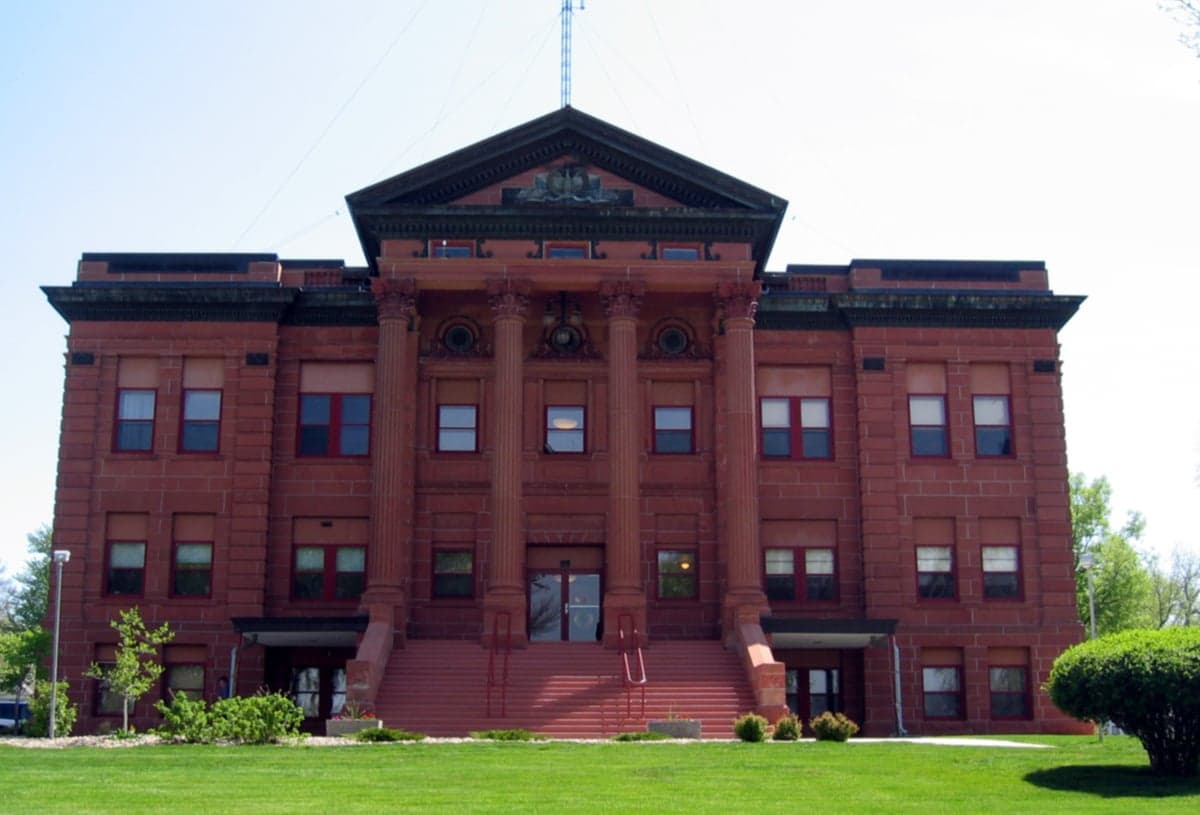
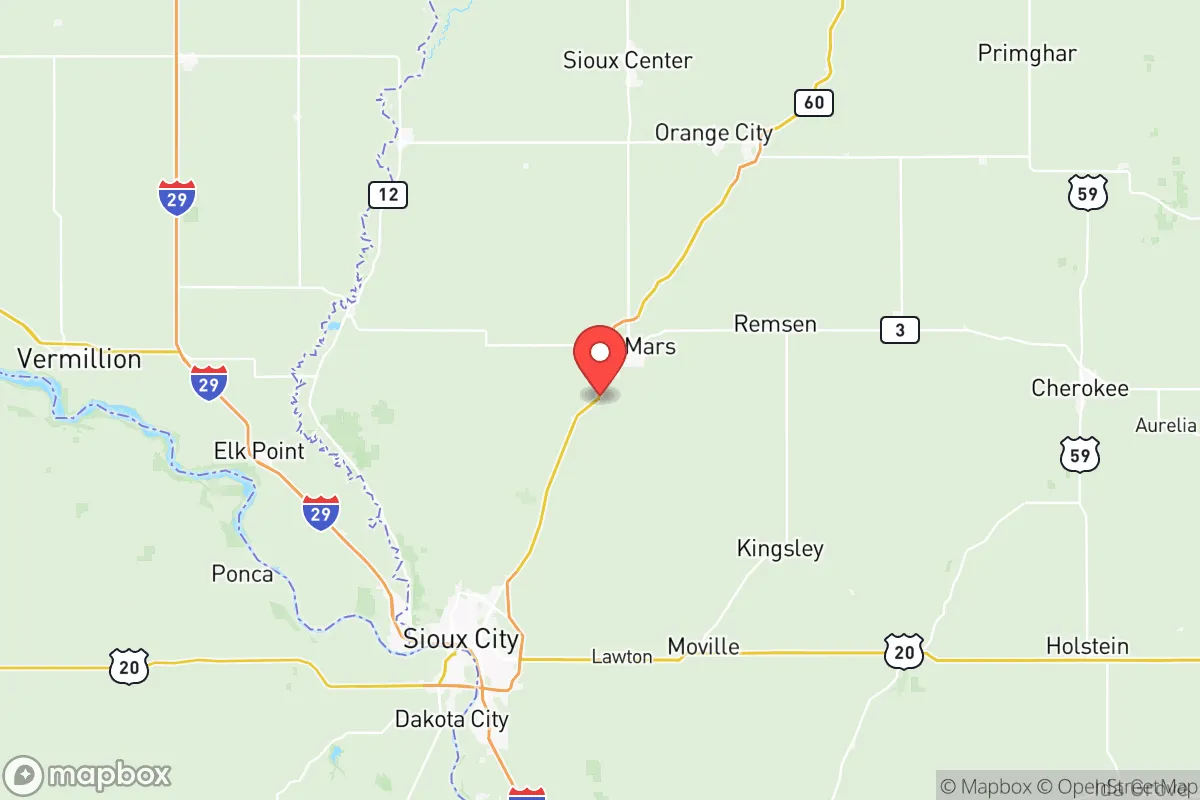
Photo: Wikipedia
Quality of Life in Plymouth County
A livable area that tracks near national norms for affordability, walkability, and neighborhood health.
What does Quality of Life tell us?
Quality of Life measures an area by evaluating factors like cost of living, nearby amenities, country club access, airport proximity, socioeconomic signals and neighborhood character. For large states, this is a general average — quality of life can vary dramatically between metro areas, suburbs, and rural communities within the same state.
What does this tell us?
Quality of Life measures an area by evaluating factors like cost of living, nearby amenities, country club access, airport proximity, socioeconomic signals and neighborhood character. For large states, this is a general average — quality of life can vary dramatically between metro areas, suburbs, and rural communities within the same state.
Cost of Living
24% below national average
131%
The Real Cost of Living in Plymouth County for 2026
| Tier | Individual | Family (4) |
|---|---|---|
| Survival | $14k | $26k |
| Comfortable | $42k | $62k |
| Luxury | $133k+ | $205k+ |
| Elite (Top 5%) | $156k+ | $242k+ |
Quality-of-Life Analysis
Plymouth County, Iowa, offers a spectrum of quality-of-life options that range from the regional hub of Le Mars, known as the "Ice Cream Capital of the World," to quiet, unincorporated farming hamlets like Oyens and Struble. The county attracts a mix of young families seeking affordable starter homes, agricultural workers tied to the land, and retirees looking for a low-stress, low-cost environment. The character of daily life shifts noticeably depending on whether one lives in the county's largest town, a smaller community, or a rural pocket, with each offering distinct trade-offs in amenities, pace, and social connection.
Largest town(s) & population centers
Le Mars is the undisputed population and economic center of Plymouth County, home to roughly 10,000 residents. Daily life here revolves around the dominant employer, Wells Enterprises (makers of Blue Bunny ice cream), which anchors the local economy and provides a stable base of manufacturing and professional jobs. The town offers a full suite of amenities uncommon for a community its size, including a regional hospital (Floyd Valley Healthcare), a four-year private college (Westmar University), and a historic downtown with independent shops and restaurants. Commute times are minimal — the county average is just under 19 minutes — and most residents can reach work, school, and grocery stores within a 10-minute drive. Le Mars is the clear choice for those who want walkable neighborhoods, a strong sense of civic identity, and access to cultural events like the annual Ice Cream Days festival.
Smaller towns & rural pockets
Outside of Le Mars, the county is dotted with smaller incorporated towns that offer a quieter, more agrarian lifestyle. Remsen (pop. ~1,600) is the second-largest community, with a compact downtown, a K-12 school system, and a strong Catholic heritage that anchors community life. Akron (pop. ~1,500) sits near the Big Sioux River and offers a slower pace with a few local eateries and a well-regarded public library. Further down the spectrum are tiny towns like Kingsley (pop. ~1,000), Merrill (pop. ~700), and Hinton (pop. ~900), each with a grain elevator, a church or two, and a volunteer fire department. Unincorporated areas like Oyens and Struble are essentially crossroads with a handful of homes and no commercial services; residents here drive 15–25 minutes to Le Mars or Sioux City for groceries and medical care. These smaller communities appeal to those who prioritize privacy, land, and a tight-knit social fabric over convenience and variety.
Cost & lifestyle range
The cost of living in Plymouth County is well below the national average, with a composite index of 76 (where 100 is the U.S. average). The median home value sits at $218,600, and median rent is just $865 — figures that make homeownership attainable for many households. At the lower end of the cost spectrum, smaller towns like Merrill and Kingsley often have homes priced under $150,000, particularly older farmhouses or fixer-uppers. At the higher end, Le Mars features newer subdivisions and executive-style homes in the $300,000–$400,000 range, especially near the golf course or along the Floyd River. Lifestyle differences are stark: a family in Le Mars can walk to a coffee shop or a park, while a household in rural Struble might have a 20-minute drive to the nearest gas station. Property taxes in Plymouth County are moderate, and the lack of state income tax on Social Security benefits makes the county particularly attractive to retirees on fixed incomes.
Plymouth County is best suited for those who value affordability, short commutes, and a strong sense of community, but who are willing to trade the diversity and nightlife of a major metro for a slower, more predictable rhythm. Young families, agricultural workers, and retirees will find the most to like here, especially if they are comfortable with the seasonal extremes of Iowa's climate. The county's real strength lies in its range: a person can choose the convenience of Le Mars, the quiet of Remsen, or the solitude of a farmhouse outside Oyens, all within a 30-minute drive of the same regional hospital and grocery stores.

Crime in Plymouth County
Generally safer than 69% of comparable U.S. locations.
Violent CrimeViolent Crime Analysis
Property CrimeProperty Crime Analysis
Crime Analysis
Plymouth County, Iowa, presents a mixed safety profile with violent crime rates below the national average but property crime rates that exceed both state and national benchmarks. The county's overall violent crime rate of 230.5 per 100,000 residents is lower than the U.S. average of approximately 380 per 100,000, but its property crime rate of 1,167.7 per 100,000 is notably higher than the Iowa state average of roughly 1,050 per 100,000 and the national figure of about 1,950 per 100,000. This means residents in communities like Le Mars, the county seat and largest city, face a lower risk of violent offenses such as assault or robbery but a heightened risk of theft, burglary, and vehicle break-ins compared to other parts of Iowa.
Crime in context
When comparing Plymouth County to broader trends, the violent crime rate of 230.5 per 100,000 is roughly 39% lower than the national average, placing it in a safer tier for serious offenses. However, the property crime rate of 1,167.7 per 100,000 is about 11% higher than the Iowa state average and 40% lower than the national average—meaning the county is safer than many urban U.S. areas but riskier than the typical Iowa county. For context, neighboring Sioux County reports a lower property crime rate near 800 per 100,000, while Woodbury County (home to Sioux City) sees rates above 2,500 per 100,000. Plymouth County's property crime rate is driven largely by larceny-theft, which accounts for over 70% of all reported property crimes, with motor vehicle theft and burglary making up the remainder. The county's judicial district, the Third Judicial District of Iowa, operates under a state-level sentencing framework that is generally considered moderate, though local prosecutors in Le Mars and Remsen maintain a reputation for pursuing charges in property crime cases.
What residents experience
For daily life in Plymouth County, the most tangible safety concern is property crime, particularly in unincorporated areas and smaller towns like Akron, Kingsley, and Merrill. Residents in these communities report higher rates of shed and garage break-ins, often targeting tools, ATVs, and lawn equipment, while Le Mars experiences more vehicle break-ins near commercial districts and the Wells Enterprises campus. Violent crime is rare but not absent: incidents are typically domestic-related or occur among acquaintances, with few random stranger assaults. The county's law enforcement presence includes the Plymouth County Sheriff's Office, which patrols rural areas, and municipal police departments in Le Mars, Akron, and Remsen. Emergency response times in the county's western townships can exceed 15 minutes due to geographic spread, a factor residents should consider when evaluating personal safety. The county's proximity to Sioux City (Woodbury County) does not appear to spill over significantly into Plymouth County's violent crime statistics, though property crime offenders occasionally travel between jurisdictions.
Neighborhood-level variation
Safety varies noticeably within Plymouth County. Le Mars, the largest city, has a violent crime rate around 180 per 100,000—well below the county average—but its property crime rate is closer to 1,300 per 100,000, concentrated near the downtown core and along Highway 75. The smaller towns of Remsen and Kingsley report the lowest overall crime rates in the county, with violent crime nearly absent and property crime rates under 600 per 100,000. Conversely, the unincorporated areas along the Floyd River corridor and near the county's eastern border with Cherokee County see occasional rural burglaries, though data is sparse due to small populations. For prospective residents, neighborhoods in Le Mars west of U.S. Route 75 and the historic district near Plymouth Street are considered safest, while areas near the industrial parks and the railroad tracks see more theft-related incidents. The county's progressive judicial philosophy is limited: Iowa's Third Judicial District is not known for lenient sentencing, and local judges in Le Mars have a record of imposing standard sentences for property crimes, which helps maintain deterrence. However, readers should note that any shift toward more progressive district attorneys in the region could increase recidivism, as seen in larger metro areas where softer approaches have led to more property offenders cycling through the system. For now, Plymouth County remains a relatively safe rural area where vigilance against property crime is the primary safety consideration.
* Values derived from national, state, county, city and local statistics and may differ in a specific area. Last updated: 2026-06-30T01:30:17.000Z
Narrative content on this page is AI-generated and may contain mistakes. Verify any details that matter before acting on them.
ReloMaps may earn a commission from affiliate links at no extra cost to you.

