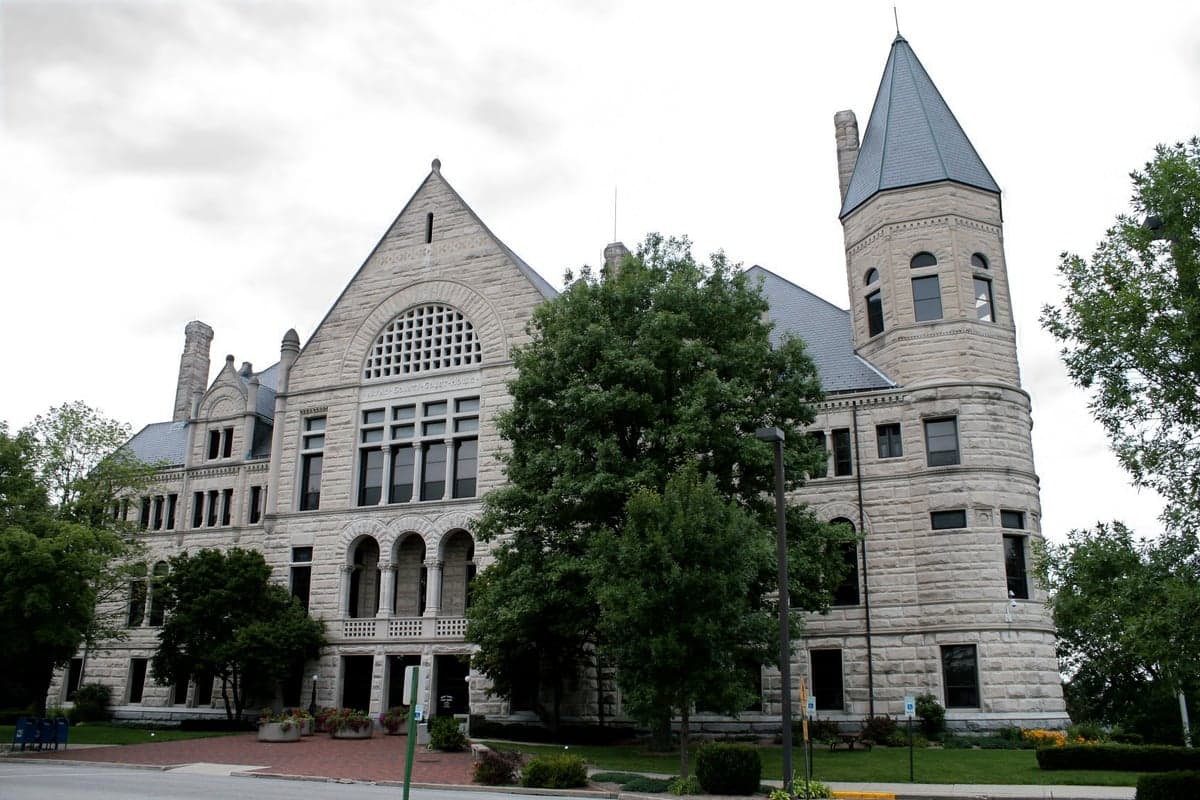
Photo: Wikipedia
Quality of Life in Wayne County
A livable area that tracks near national norms for affordability, walkability, and neighborhood health.
What does Quality of Life tell us?
Quality of Life measures an area by evaluating factors like cost of living, nearby amenities, country club access, airport proximity, socioeconomic signals and neighborhood character. For large states, this is a general average — quality of life can vary dramatically between metro areas, suburbs, and rural communities within the same state.
What does this tell us?
Quality of Life measures an area by evaluating factors like cost of living, nearby amenities, country club access, airport proximity, socioeconomic signals and neighborhood character. For large states, this is a general average — quality of life can vary dramatically between metro areas, suburbs, and rural communities within the same state.
Cost of Living
40% below national average
157%
The Real Cost of Living in Wayne County for 2026
| Tier | Individual | Family (4) |
|---|---|---|
| Survival | $13k | $24k |
| Comfortable | $24k | $36k |
| Luxury | $102k+ | $159k+ |
| Elite (Top 5%) | $124k+ | $192k+ |
Quality-of-Life Analysis
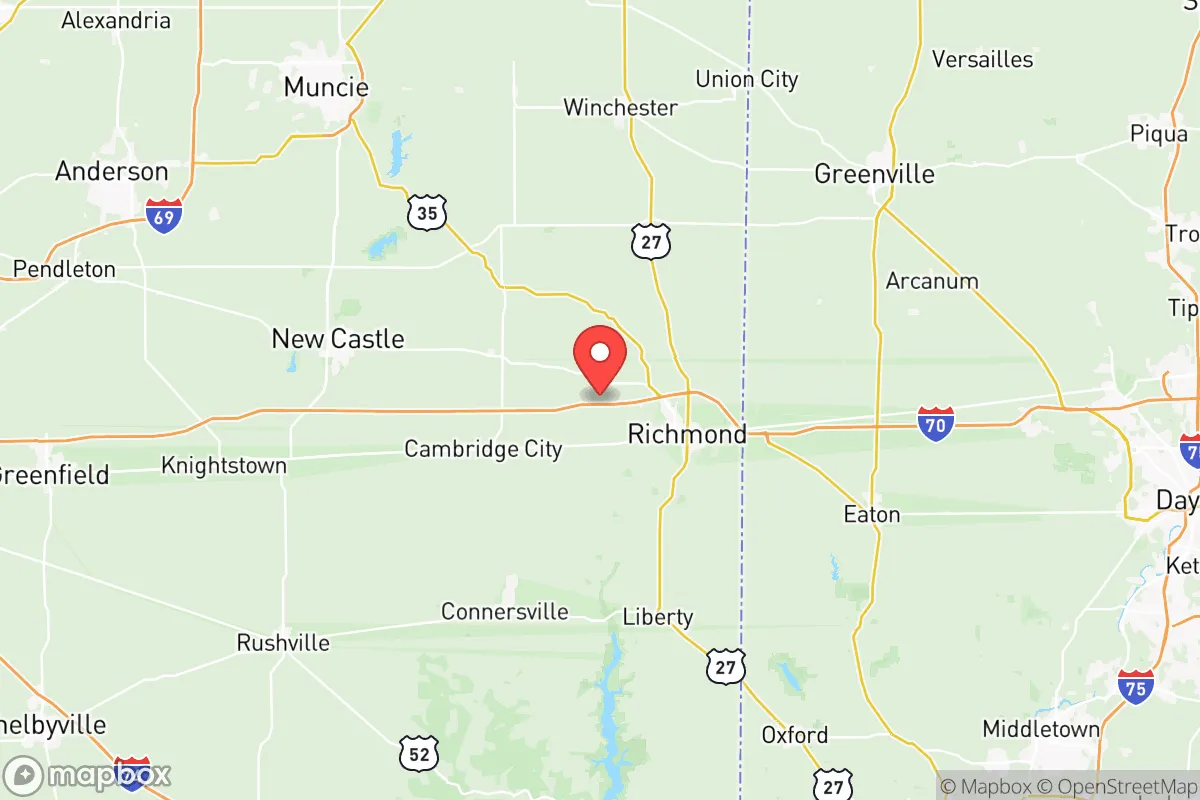
Wayne County, Indiana, offers a distinct quality-of-life spectrum that ranges from the historic, walkable core of Richmond to the quiet, unincorporated crossroads of the countryside. With a cost of living index of 60—40 percent below the national average—the county attracts a mix of remote workers, manufacturing employees, and retirees seeking affordability. The character of daily life shifts noticeably between the county seat, its smaller satellite towns, and the surrounding farmlands, each appealing to different priorities for space, convenience, and community.
Largest town(s) & population centers
Richmond is the county's dominant population center, home to roughly 35,000 residents and the hub for retail, healthcare, and employment. Daily life here centers on the historic downtown along East Main Street, which features locally owned restaurants, the Richmond Art Museum, and the Cope Environmental Center. The city's industrial base includes major employers like Belden Inc. and Reid Health, keeping the average commute at a low 20.9 minutes. Housing is notably affordable: the median home value sits at $126,100, and median rent is $813. Richmond offers a more urban feel within the county, with walkable neighborhoods like the Old Historic District and access to the Cardinal Greenway trail system. The city also hosts Indiana University East, adding a small college-town dynamic.
Smaller towns & rural pockets
Outside Richmond, the county's smaller communities provide a quieter, more agrarian lifestyle. Centerville, just west of Richmond along U.S. 40, is a historic town of about 2,500 with a preserved 19th-century downtown and the well-regarded Centerville-Abington Community Schools. Cambridge City, in the county's northwest corner, offers a compact village feel with access to the Whitewater River and the popular Hueston Woods State Park just across the Ohio line. Fountain City, with fewer than 800 residents, is known for the Levi Coffin House, a key stop on the Underground Railroad, and represents the most rural end of the spectrum. Unincorporated areas like Boston and Dublin consist largely of farmsteads and scattered homes, where residents often commute to Richmond or even to Dayton, Ohio, about 40 minutes east.
Cost & lifestyle range
The cost-of-life spread across Wayne County is narrow in absolute dollars but meaningful in lifestyle. At the higher end, Richmond's newer subdivisions near the Earlham College area and the Gateway Industrial Park see home prices approaching $200,000, still far below national averages. These areas offer proximity to grocery stores, medical offices, and the county's best internet infrastructure. At the lower end, rural properties in Jackson Township or near Webster can be found for under $80,000, often with acreage but requiring longer drives for shopping and services. Renters in Richmond pay a median of $813, while rental options in Centerville or Cambridge City are scarcer and often slightly cheaper. The county's overall COL index of 60 means a household earning $40,000 can live comfortably, whereas a similar income would be tight in most U.S. metros. Amenities thin out quickly outside Richmond—residents in the county's eastern and southern townships may drive 15–20 minutes for a full-service grocery store or a pharmacy.
Wayne County best suits those who value low housing costs and a slower pace but still want access to a small city's amenities. Remote workers and retirees are drawn to the affordability of Richmond's historic districts, while families and farmers prefer the school systems and land availability in Centerville or the rural townships. The county's mix of a walkable urban core, historic villages, and open farmland means that nearly any budget or lifestyle preference can find a fit—provided the trade-off of limited nightlife and retail variety is acceptable.

Crime in Wayne County
Generally safer than 61% of comparable U.S. locations.
Violent CrimeViolent Crime Analysis
Property CrimeProperty Crime Analysis
Crime Analysis
Wayne County, Indiana, reports a violent crime rate of 263 per 100,000 residents and a property crime rate of 948.7 per 100,000, placing it below the national averages for both categories. The county seat of Richmond accounts for the majority of reported incidents, while smaller communities such as Centerville, Cambridge City, and Hagerstown enjoy significantly lower crime densities, making the overall safety picture distinctly two-tiered.
Crime in context
Compared to the national violent crime rate of approximately 380 per 100,000, Wayne County's figure is about 31% lower, and its property crime rate is roughly half the U.S. average of 1,958 per 100,000. Indiana's statewide violent crime rate hovers near 350 per 100,000, so Wayne County also beats the state average on violent offenses. Property crime, though well below the state rate of roughly 1,800 per 100,000, remains a local concern driven largely by conditions in Richmond. The county's criminal justice system, influenced by progressive philosophies in recent years, has emphasized alternatives to incarceration such as problem-solving courts. While these programs aim to reduce recidivism, critics argue that placing a priority on offender rehabilitation over public safety can lead to more repeat property crimes in neighborhoods like Richmond's downtown and along the Interstate 70 corridor.
What residents experience
Day-to-day life in Wayne County feels safe for most residents, especially in the outlying towns. Richmond does experience periodic thefts, burglaries, and drug-related offenses—primarily methamphetamine and opioid violations—concentrated near the central business district and older industrial pockets. The local judiciary's progressive stance, including the use of diversion and reduced sentencing for nonviolent offenders, has drawn concern from some residents who feel it prioritizes the offender experience over victim justice and community safety. In contrast, Centerville reports very few violent incidents, and Cambridge City's residential streets see minimal criminal activity. Fountain City, with its historic district, enjoys a quiet atmosphere and low crime volume. For families, the trade-off is clear: Richmond offers more amenities but carries a higher risk of property crime, while the smaller towns provide near-rural levels of security.
Neighborhood-level variation within Wayne County is stark. In Richmond, the area east of the Whitewater River and north of Main Street maintains below-average crime rates, while the west side near the railroad and older housing stock reports more incidents. Towns like Hagerstown, with its well-kept subdivisions, and Cambridge City's newer developments offer the lowest crime risk in the county. Property crime drops sharply within a few minutes beyond Richmond's city limits, making suburban and exurban options highly attractive for relocation. For those evaluating safety, the choice often comes down to accepting Richmond's urban trade-offs or opting for the statistically secure environments of its surrounding communities.
* Values derived from national, state, county, city and local statistics and may differ in a specific area. Last updated: 2026-06-20T18:52:18.000Z
Narrative content on this page is AI-generated and may contain mistakes. Verify any details that matter before acting on them.
ReloMaps may earn a commission from affiliate links at no extra cost to you.

