B-
Overall46.2kPopulation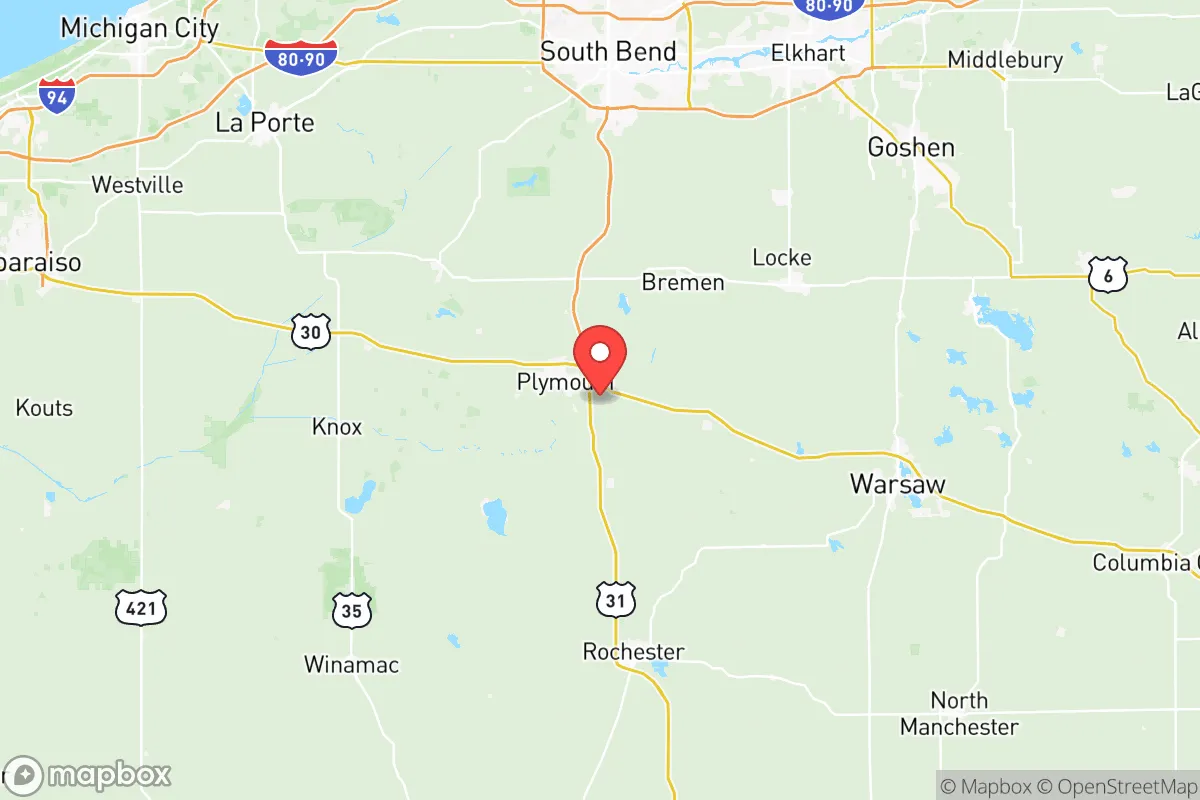
B-
ReloScore46.2kPopulation
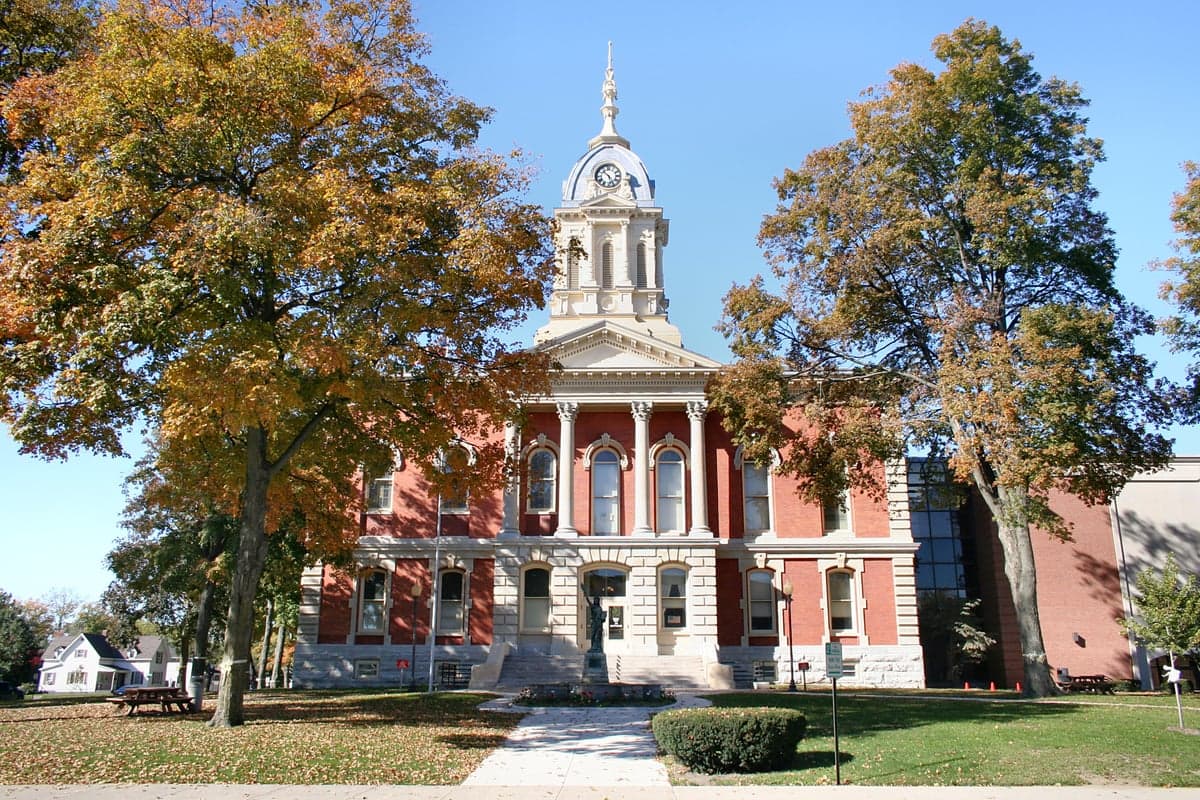
Photo: Wikipedia
ReloMaps Score6/10
B-
HousingHousing Affordability10/10
Affordable: 2.7x income
Population Density10/10
Open: 104/sq mi
HumidityClimate Comfort7/10
Comfortable: 62°F dew pt
HealthcareHealthcare Access6/10
Strong
StabilityPopulation Stability9/10
Stable
CostCost of Living10/10
Affordable: 74 index
Economic Opportunity5/10
Stable: $68k median
Job Market7/10
Strong: 4.1% unemployment
Wealth Floor8/10
Great
Taxes6/10
Moderate: 9.3% burden
Crime & Safety6/10
Safe
TrafficTraffic Safety6/10
Safe
Education3/10
Weak
DegreedPopulation Education Level1/10
Low: 20% degreed
HomesteadingHomesteading Potential9/10
Prime
WaterTap Water6/10
Fair
National DisasterNational Disaster Risk6/10
Moderate
Power Grid9/10
Reliable: ~123 min/yr
Find The Best Places To Live in Marshall County
PRO TIP! You can paste a Zillow or Redfin link to get info on that property.
What It's Like Living in Marshall County, IN
Marshall County, Indiana, is the kind of place where the biggest decision on a Friday night is whether to catch a Plymouth Pilgrims game or grab a tenderloin at a local diner. It’s a working, down-to-earth corner of the state where people know their neighbors by name and the pace of life is dictated by the seasons, not the stock market. With a population of 46,225 spread across small cities like Plymouth, Bremen, and Culver, it offers a brand of Midwestern stability that feels increasingly rare.
The Daily Rhythm in Plymouth, Bremen, and Culver
Life here revolves around the county seat of Plymouth, where most of the shopping, dining, and employment is centered. You’ll find the usual big-box retailers along US 30, but the real character lives in the historic downtown, where spots like the Mason’s Grill and the Yellow River Coffee Company serve as informal town squares. The commute is a genuine luxury—the average drive to work is just under 23 minutes, and for many, it’s a straight shot down back roads past cornfields and farmhouses. People priced out of South Bend’s housing market—about 30 minutes north—are increasingly looking at Plymouth and Bremen for the affordability. The median home value here sits at $184,500, and with a cost of living index of 74 (well below the national average of 100), a family can actually get ahead on a single income. The median household income of $68,041 goes a lot further here than it would in a metro area. This is a place for people who don’t mind driving 20 minutes to a decent grocery store and who see a 1,600-square-foot ranch with a big yard as a win, not a compromise. The trade-off? Only about 20.4% of adults hold a college degree, so the job market is heavily weighted toward manufacturing, logistics, and agriculture—if you’re a remote worker or a specialized professional, you’ll be the exception, not the rule.Sports, Festivals, and the Social Calendar
Friday-night football is a genuine religion here, but the real local obsession is the Plymouth Pilgrims, a collegiate summer baseball team that packs the stands at Bill Nixon Field. It’s the cheapest, most wholesome entertainment you’ll find—a few bucks for a ticket, a hot dog, and a chance to watch future prospects play under the lights. During the winter, the Plymouth High School Rockies basketball games draw the same crowd that cheers on the Pilgrims in July. The social calendar peaks in late summer with the Marshall County Blueberry Festival, held over Labor Day weekend in Centennial Park. It draws over 200,000 visitors to Plymouth over four days, which is a staggering number for a town of 10,000—expect traffic jams on US 30 and a sea of fair food tents. For a quieter weekend, locals head to Lake Maxinkuckee in Culver, the county’s crown jewel. It’s a deep, clear glacial lake where the Culver Academies’ sailing team practices, and the lakeside trail is packed with walkers and cyclists from dawn until dusk. The town of Culver itself feels like a postcard, with the historic Culver Hotel overlooking the water and a summer cottage vibe that draws wealthy families from Chicago and Indianapolis.The Honest Trade-Offs of Small-Town Living
Let’s be real about the downsides. The violent crime rate of 264.1 per 100,000 residents is slightly above the national average, though the vast majority of that is concentrated in specific pockets of Plymouth rather than the rural townships. Residents will tell you the bigger frustration is the lack of options—there’s no Whole Foods, no major concert venue, and if you want a truly diverse restaurant scene, you’re driving to South Bend or Mishawaka. The winters are gray and long, and the mud season in March can make rural gravel roads nearly impassable. But what frustrates people is also what they love. This is a county where the median age is 39.6, meaning you’re surrounded by families in the same stage of life as you. The schools—especially in Plymouth and Bremen—are the social anchors, hosting everything from community theater to youth soccer leagues. There’s a quiet pride in the Amish community that farms the eastern part of the county, and their roadside stands selling baked goods and furniture are a beloved weekend ritual for locals. If you’re looking for a place where your kids can ride their bikes to a friend’s house without a playdate being scheduled a week in advance, where the Fourth of July parade is a genuine community event, and where your dollar buys you a solid, comfortable life—Marshall County delivers. Just don’t expect to be anonymous here. Everyone will know your business, and most of the time, that’s a good thing.Powered by
* Values derived from national, state, county, city and local statistics and may differ in a specific area. Last updated: 2026-10-21T00:47:37.000Z
Narrative content on this page is AI-generated and may contain mistakes. Verify any details that matter before acting on them.
ReloMaps may earn a commission from affiliate links at no extra cost to you.

