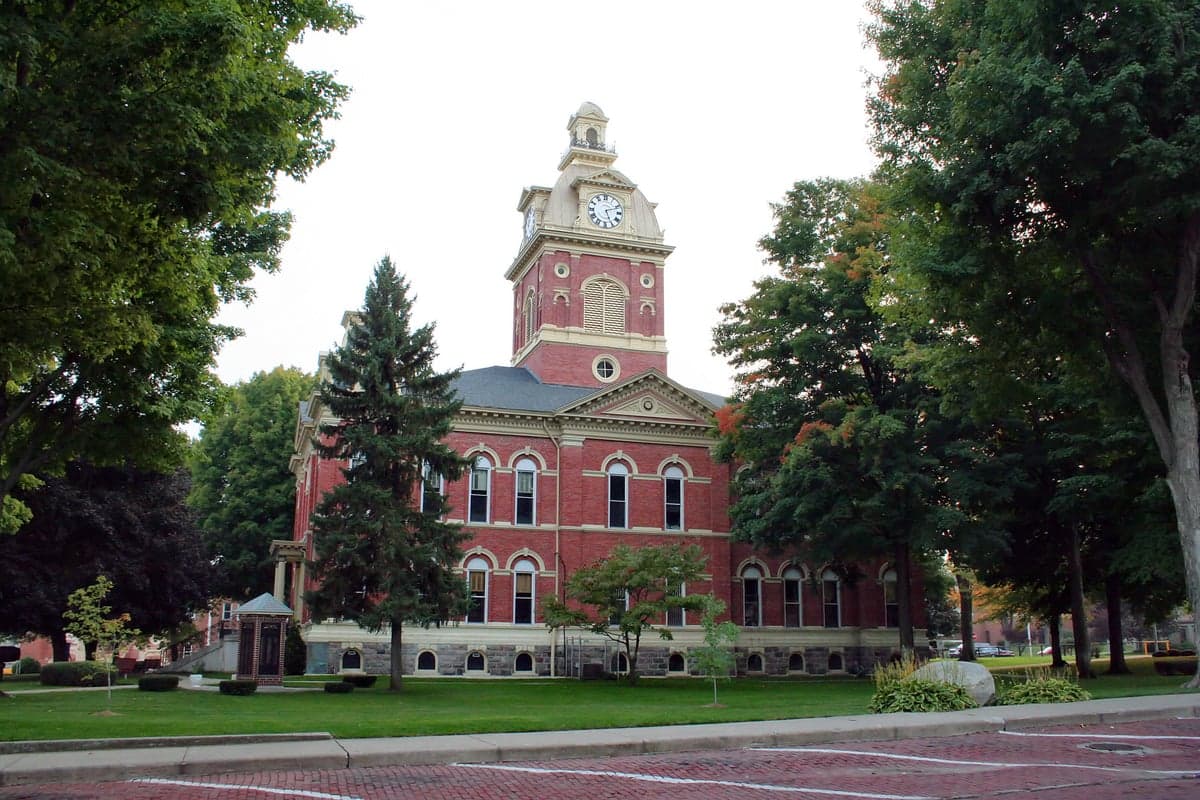
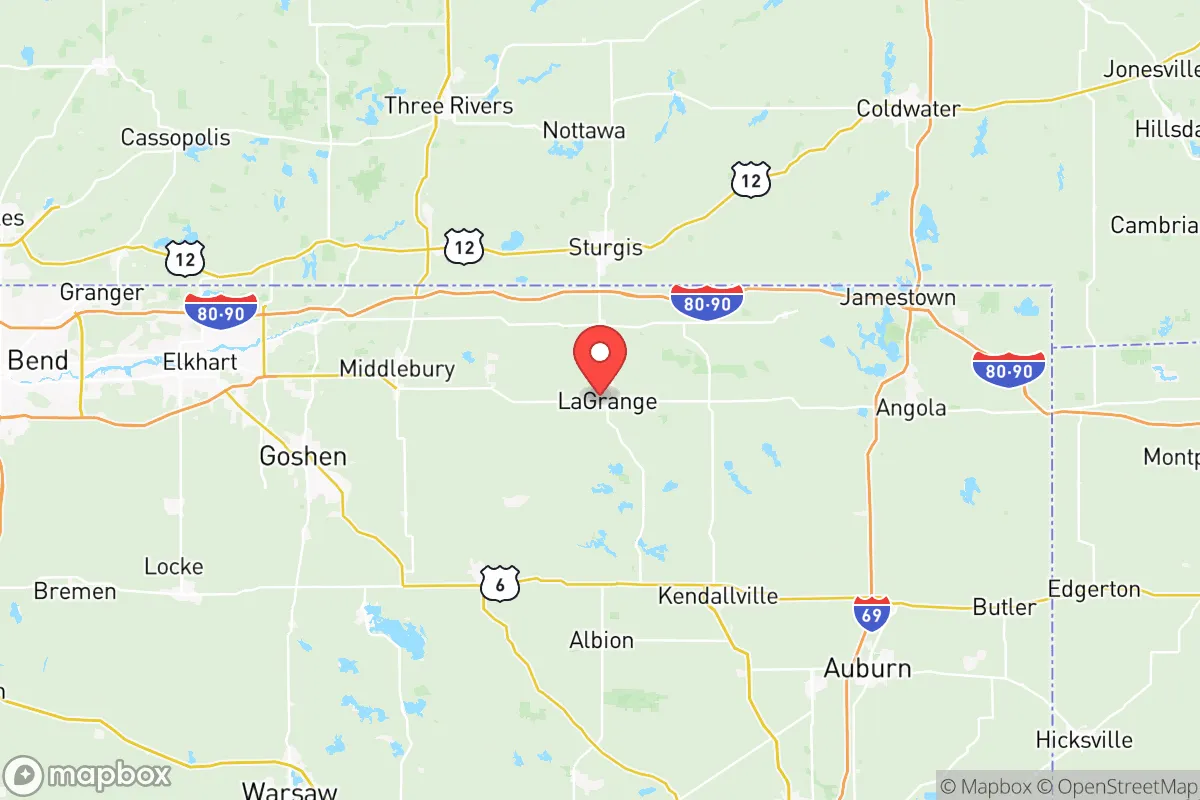
Photo: Wikipedia
Quality of Life in LaGrange County
A livable area that tracks near national norms for affordability, walkability, and neighborhood health.
What does Quality of Life tell us?
Quality of Life measures an area by evaluating factors like cost of living, nearby amenities, country club access, airport proximity, socioeconomic signals and neighborhood character. For large states, this is a general average — quality of life can vary dramatically between metro areas, suburbs, and rural communities within the same state.
What does this tell us?
Quality of Life measures an area by evaluating factors like cost of living, nearby amenities, country club access, airport proximity, socioeconomic signals and neighborhood character. For large states, this is a general average — quality of life can vary dramatically between metro areas, suburbs, and rural communities within the same state.
Cost of Living
22% below national average
118%
The Real Cost of Living in LaGrange County for 2026
| Tier | Individual | Family (4) |
|---|---|---|
| Survival | $13k | $24k |
| Comfortable | $48k | $71k |
| Luxury | $126k+ | $196k+ |
| Elite (Top 5%) | $148k+ | $230k+ |
Quality-of-Life Analysis
LaGrange County, Indiana, offers one of the widest quality-of-life spectrums in the state, anchored by the bustling town of Shipshewana and stretching into quiet agricultural hamlets like Mongo and Ontario. With a cost of living index of 78 (22% below the U.S. average), the county attracts both Amish families seeking traditional agrarian lifestyles and remote workers priced out of Elkhart or South Bend. The character of daily life shifts dramatically depending on whether you settle in a tourist corridor, a county-seat town, or a crossroads settlement of fewer than 200 residents.
Largest town(s) & population centers
Shipshewana is the county's economic and cultural engine, drawing over 2 million visitors annually to its massive flea market and auction grounds. Daily life here is defined by tourism-driven retail, with dozens of quilt shops, furniture makers, and restaurants catering to bus tours from Chicago and Indianapolis. The town's permanent population hovers near 800, but the daytime influx creates a service-economy job base that is rare for a county this size. LaGrange, the county seat, is the other primary population center with roughly 2,700 residents; it functions as the administrative and educational hub, hosting the county courthouse, Lakeland High School, and the main branch of the LaGrange County Public Library. Residents of these two towns enjoy walkable downtowns, local grocery options, and the shortest commutes—averaging under 15 minutes—compared to the countywide average of 21.98 minutes.
Smaller towns & rural pockets
Beyond the two main towns, the county is dotted with unincorporated communities that each carry a distinct identity. Mongo, in the county's northwest corner, is a classic crossroads settlement with a grain elevator and a handful of homes, offering the most isolated, agricultural lifestyle in the county. Ontario, near the Michigan border, is similarly tiny but sits closer to the recreational opportunities of the Pigeon River State Fish and Wildlife Area. Howe is the outlier in this group—home to Howe Military School (now closed) and a small cluster of businesses along U.S. 20, making it a practical stopover rather than a residential destination. Topeka, with roughly 1,100 residents, is the largest of the small towns and offers a genuine middle ground: it has a post office, a couple of restaurants, and a strong Amish presence, but lacks the tourist infrastructure of Shipshewana.
Cost & lifestyle range
The financial spread across LaGrange County is surprisingly narrow on paper but broad in practice. The countywide median home value sits at $249,500, and median rent is $816—but those figures mask significant variation. In Shipshewana, homes near the tourist district can exceed $350,000, driven by demand for bed-and-breakfast conversions and short-term rental properties. By contrast, in Mongo and rural areas east of Howe, you can still find older farmhouses and mobile homes on acreage for under $150,000. Renters see a similar split: a two-bedroom apartment in LaGrange town runs $750–$900, while comparable units in Topeka or rural townships often list below $700. The tradeoff is amenities—Shipshewana and LaGrange offer the only full-service grocery stores, medical clinics, and sit-down dining in the county, while residents of Ontario or Mongo face a 20–30 minute drive for basic errands. Property taxes are uniformly low across the county, but the quality-of-life difference is less about money and more about proximity: town residents get sidewalks and streetlights, while rural residents get quiet, space, and the absence of tourist traffic.
The county's median commute of 21.98 minutes reflects a workforce split between local service jobs and manufacturing positions in nearby Elkhart, Goshen, and Sturgis, Michigan—a pattern that keeps housing demand steady but not overheated. For those who thrive here, the appeal is the ability to choose between a tourist-town energy, a county-seat convenience, or a genuinely remote rural existence within a 20-mile radius. Retirees on fixed incomes, young families seeking affordable starter homes, and Amish families preserving traditional farming practices all find a workable niche. The county is not for those seeking urban nightlife or cultural density, but for anyone who values low cost, low crime, and the freedom to pick their level of isolation, LaGrange County delivers a rare range of options in a compact geography.

Crime in LaGrange County
Generally safer than 63% of comparable U.S. locations.
Violent CrimeViolent Crime Analysis
Property CrimeProperty Crime Analysis
Crime Analysis
LaGrange County, Indiana, reports a violent crime rate of 228.1 incidents per 100,000 residents and a property crime rate of 948.7 per 100,000, placing it in a moderate safety tier relative to both state and national averages. While these figures indicate a lower likelihood of violent victimization than in many urban centers, the county’s proximity to the South Bend–Elkhart metro area introduces cross-jurisdictional crime patterns that residents should monitor. The county seat of LaGrange and the town of Shipshewana serve as the primary population and commerce hubs, where most reported incidents concentrate, while smaller communities like Topeka and Wolcottville typically see fewer calls for service.
Crime in context
LaGrange County’s violent crime rate of 228.1 per 100,000 sits roughly 35% below the national average of 380 per 100,000 but slightly above the Indiana state average of 210 per 100,000. Property crime at 948.7 per 100,000 is notably lower than the national figure of 1,954 per 100,000 and also below the Indiana average of 1,100 per 100,000. These comparisons suggest that while the county is not crime-free, it avoids the elevated theft and burglary rates that plague larger Indiana cities such as Gary, Indianapolis, and South Bend. The LaGrange County Prosecutor’s Office and the local circuit court, which handle cases from all townships, have maintained a generally conservative approach to sentencing, avoiding the progressive prosecutorial policies seen in some urban Indiana counties that have been linked to higher recidivism and reduced victim restitution. Residents benefit from a judicial environment that prioritizes accountability, which helps keep repeat offenders off the streets and supports public confidence in safety.
What residents experience
Daily life in LaGrange County is shaped by a mix of rural tranquility and Amish-country tourism, but crime does occur. The most common property crimes are theft from unlocked vehicles and outbuildings, particularly in the unincorporated areas around Howe and Mongo, where sparse population and limited street lighting create opportunities for opportunistic offenders. In the town of LaGrange, police respond to occasional vandalism and minor drug offenses, with methamphetamine and opioid-related incidents appearing in court records. Shipshewana, a major tourist destination for its flea market and RV shows, experiences seasonal spikes in larceny and shoplifting, though violent confrontations are rare. The county’s sheriff’s department and the Indiana State Police post in Pendleton provide coverage, and response times in rural areas can exceed 15 minutes, so residents often rely on neighborhood watch networks and private security measures. The absence of a large, progressive district attorney’s office—such as those in Marion County or Lake County—means that offenders face consistent prosecution, which contributes to a lower sense of impunity among criminals.
Neighborhood-level variation in LaGrange County is driven more by population density and tourism traffic than by socioeconomic divides. The village of Topeka, with fewer than 1,200 residents, reports the lowest crime rates in the county, while the more densely settled areas of LaGrange town and Shipshewana account for the majority of reported incidents. Rural townships like Bloomfield and Eden see almost no violent crime, though property crime can occur when seasonal residents leave homes unattended. For prospective residents, the safest housing choices are in the smaller unincorporated communities or on the outskirts of LaGrange town, away from the commercial corridors that attract transient offenders. Overall, LaGrange County offers a safety profile that is favorable for families and retirees, provided they take standard rural precautions such as securing outbuildings and participating in local crime watch programs.
* Values derived from national, state, county, city and local statistics and may differ in a specific area. Last updated: 2026-10-31T19:20:04.000Z
Narrative content on this page is AI-generated and may contain mistakes. Verify any details that matter before acting on them.
ReloMaps may earn a commission from affiliate links at no extra cost to you.

