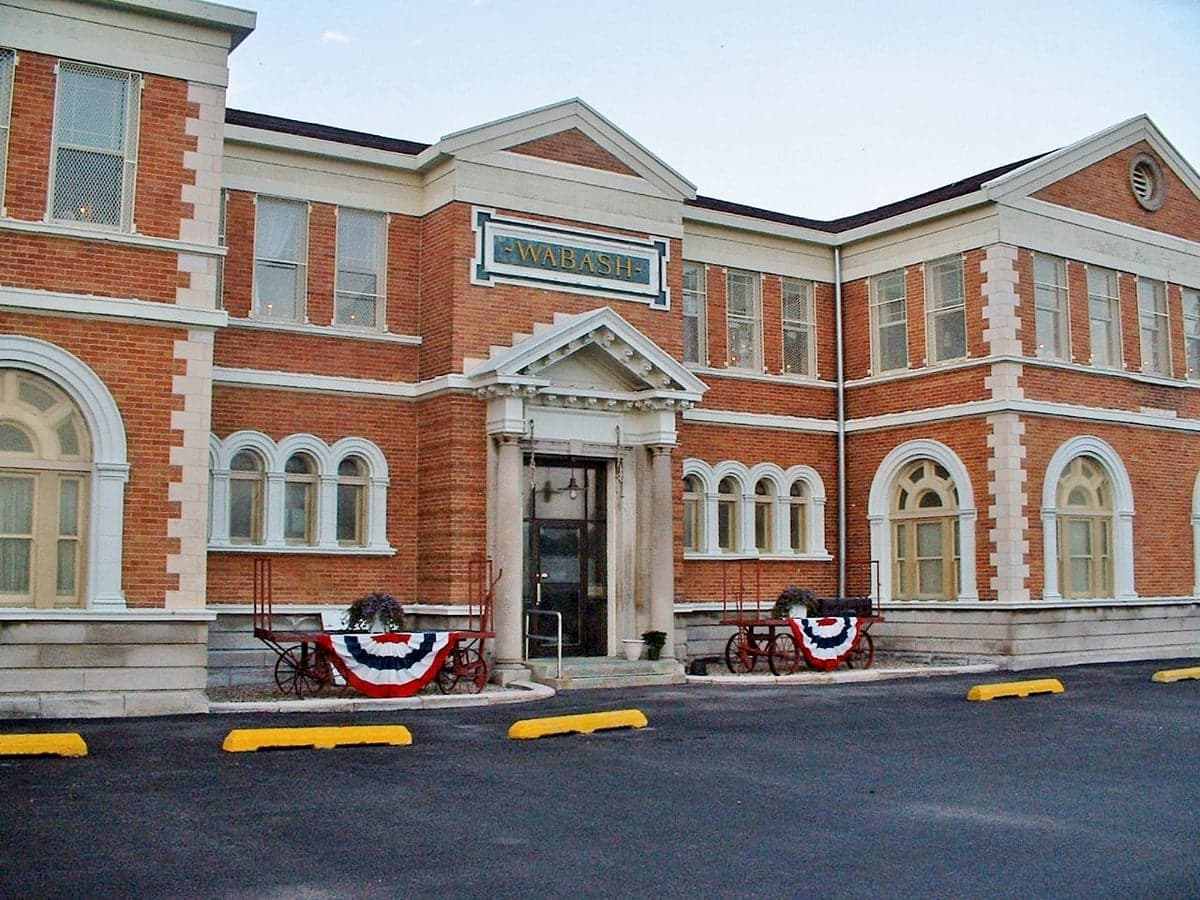
Photo: Wikipedia
Quality of Life in Macon County
A livable area that tracks near national norms for affordability, walkability, and neighborhood health.
What does Quality of Life tell us?
Quality of Life measures an area by evaluating factors like cost of living, nearby amenities, country club access, airport proximity, socioeconomic signals and neighborhood character. For large states, this is a general average — quality of life can vary dramatically between metro areas, suburbs, and rural communities within the same state.
What does this tell us?
Quality of Life measures an area by evaluating factors like cost of living, nearby amenities, country club access, airport proximity, socioeconomic signals and neighborhood character. For large states, this is a general average — quality of life can vary dramatically between metro areas, suburbs, and rural communities within the same state.
Cost of Living
42% below national average
180%
The Real Cost of Living in Macon County for 2026
| Tier | Individual | Family (4) |
|---|---|---|
| Survival | $13k | $24k |
| Comfortable | $24k | $35k |
| Luxury | $113k+ | $175k+ |
| Elite (Top 5%) | $135k+ | $209k+ |
Quality-of-Life Analysis
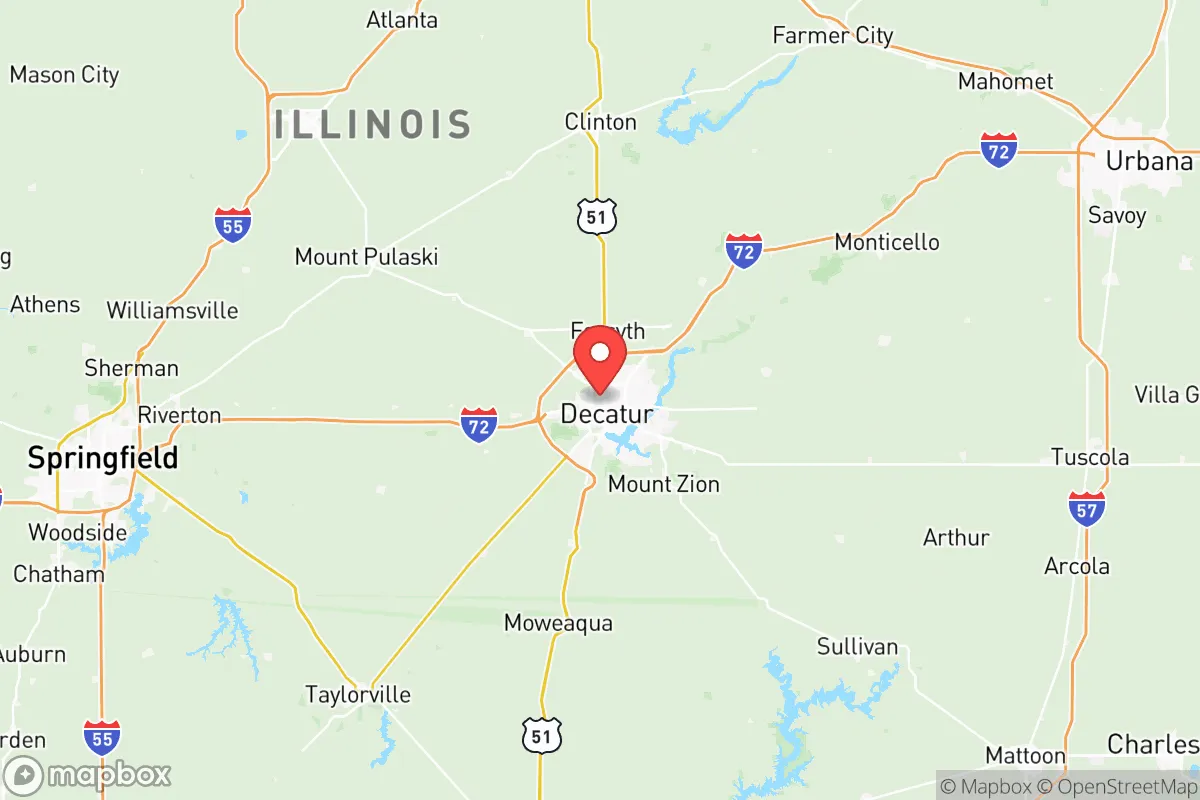
Macon County, Illinois, offers a broad quality-of-life spectrum anchored by the regional hub of Decatur, then fanning out into smaller towns and deep rural farmland, attracting a mix of urban-oriented professionals, small-town families, and agricultural workers. The county’s cost of living index of 58 (well below the U.S. average of 100) and a median home value of just $121,800 make it one of the most affordable places in the state, while the average commute of roughly 19 minutes is a fraction of the Chicago metro’s average. This combination of low housing costs and short travel times draws residents who prioritize financial breathing room and a slower pace, though the range of amenities and lifestyle density varies significantly from Decatur’s core to the outlying townships.
Largest town(s) & population centers
Decatur is the county’s undisputed population and economic center, home to roughly 70,000 residents and the majority of the county’s jobs, retail, and healthcare. Daily life in Decatur revolves around major employers such as Archer Daniels Midland (ADM), Caterpillar, and the Decatur Memorial Hospital system, giving the city a blue-collar and industrial character tempered by a growing healthcare and education sector. The city offers a modest downtown with local restaurants, the Scovill Zoo, and Lake Decatur for recreation, but its school system and property tax rates are frequent topics of debate among relocating families. Median rent in the county sits at $797, and Decatur’s rental market generally falls near that figure, with older homes in the city’s core often renting for less and newer subdivisions on the city’s southwest side commanding higher prices. For those who want walkable blocks and a central location, Decatur’s historic neighborhoods like Millikin Heights or the West End provide a denser, more urban feel than anywhere else in the county.
Smaller towns & rural pockets
Outside Decatur, Macon County contains a ring of smaller communities that each offer a distinct version of small-town life. Forsyth, just north of Decatur, is a fast-growing village with newer housing developments, a strong school district (Maroa-Forsyth), and easy access to Decatur’s jobs — it functions as a suburban bedroom community. Mount Zion, southeast of Decatur, is similarly oriented around its highly rated school system and a quiet, family-focused atmosphere, with a mix of ranch homes and larger lots. Further out, Macon (population roughly 1,100) and Blue Mound (population about 1,100) are classic central Illinois farm towns with grain elevators, a single main street, and a handful of churches and bars. Warrensburg and Harristown are unincorporated or very small villages where residents live on acreage or in older farmhouses, often commuting 20–30 minutes to Decatur for work and shopping. These rural pockets offer the lowest property prices in the county — some homes sell for under $80,000 — but lack grocery stores, healthcare clinics, and high-speed internet in certain areas, making them best suited for self-sufficient households or those already connected to agricultural work.
Cost & lifestyle range
The cost-of-living spread across Macon County is narrow by national standards but meaningful locally. At the low end, older homes in Decatur’s central and east-side neighborhoods can be purchased for $60,000 to $90,000, and rental units in those areas sometimes dip below $600 per month. At the higher end, newer construction in Forsyth’s Hickory Point subdivision or Mount Zion’s Lakeview Estates pushes median home values toward $200,000–$250,000, still well below the national median. Property taxes in Macon County are relatively high for Illinois (roughly 2.2–2.5% of assessed value), which partially offsets the low purchase prices, especially in Decatur proper where school and municipal levies are highest. The lifestyle range is similarly broad: a resident in downtown Decatur can walk to a coffee shop and a city park, while a resident in rural Niantic or Elwin may drive 15 miles for a gallon of milk. Amenities like grocery stores, medical clinics, and sit-down dining concentrate almost entirely in Decatur, Forsyth, and Mount Zion, leaving the smaller towns as purely residential or agricultural nodes.
Macon County is best suited for people who value low housing costs, short commutes, and a quiet, land-based lifestyle over urban density or high-end amenities. Retirees on fixed incomes, first-time homebuyers priced out of larger metros, and workers in agriculture, manufacturing, or healthcare will find the most alignment with the county’s character. Those seeking nightlife, cultural institutions, or rapid job growth should look elsewhere, but for anyone willing to trade those for financial stability and a 19-minute drive to work, the county offers a genuine range of affordable living options from Decatur’s city blocks to the open farmland of its outer townships.

Crime in Macon County
Crime rates similar to the national median for U.S. locations.
Violent CrimeViolent Crime Analysis
Property CrimeProperty Crime Analysis
Crime Analysis
Macon County, Illinois, reports a violent crime rate of 225.9 per 100,000 residents and a property crime rate of 1,423.1 per 100,000, placing it in a moderate risk category relative to the rest of the state. While the county is not among Illinois' most dangerous, safety conditions vary significantly between its urban core of Decatur and the surrounding rural communities. The overall picture is one of a region where property crime is the primary concern, while violent incidents remain concentrated in specific areas and are influenced by local criminal justice policies.
Crime in context
Macon County's violent crime rate of 225.9 per 100,000 is roughly 35% lower than the national average of approximately 380 per 100,000, but it sits slightly above the Illinois state average when excluding Chicago's outsized numbers. Property crime, at 1,423.1 per 100,000, is about 15% higher than the national average of roughly 1,230 per 100,000 and notably above the Illinois state average outside of Cook County. This pattern—violent crime below national norms but property crime elevated—is typical of Midwestern counties with a single urban center surrounded by agricultural land. The county's crime index is driven almost entirely by Decatur, which accounts for the vast majority of reported incidents. By comparison, the small towns of Mount Zion, Forsyth, and Warrensburg consistently report crime rates well below the county average, often by 50% or more.
What residents experience
For residents of Decatur, the county seat and largest city, property crime is the most tangible safety issue. Larceny-theft, motor vehicle theft, and burglary are the most common offenses, with vehicle theft rates in Decatur running nearly double the national average. Violent crime in Decatur is heavily concentrated in a few neighborhoods, particularly on the city's near-south and near-west sides, while areas like the Far North End and the Lake Shore Drive corridor see far fewer incidents. Residents of Mount Zion and Forsyth experience a markedly different reality, with violent crime rates that are a fraction of Decatur's and property crime rates that align more closely with the safest suburbs of Springfield or Champaign. The Macon County Sheriff's Office provides primary law enforcement outside city limits, and response times in rural areas can be longer, though incidents are rare. A significant concern for residents is the influence of the Macon County State's Attorney's office, which has in recent years pursued progressive diversion programs and plea policies that critics argue result in repeat offenders cycling back onto the streets without meaningful accountability, particularly for property crimes and drug-related offenses.
Neighborhood-level variation and judicial impact
The most pronounced safety divide in Macon County is between Decatur and its surrounding suburbs. Decatur's violent crime rate is approximately 400 per 100,000—nearly double the county average—while Mount Zion's is below 100 per 100,000. Property crime follows the same pattern: Decatur's rate exceeds 2,000 per 100,000, while Forsyth and Warrensburg report rates under 800 per 100,000. This disparity is not accidental. The progressive policies of the Macon County judiciary, including a focus on restorative justice and reduced cash bail, have been cited by local law enforcement as contributing to a perception that property crime carries minimal consequences. Residents in Decatur's higher-crime neighborhoods report feeling that the justice system prioritizes offender rehabilitation over victim protection, a sentiment that has fueled ongoing debates about public safety funding and judicial elections. For those considering relocation, the safest options remain the incorporated villages of Mount Zion, Forsyth, and Warrensburg, where community policing and conservative judicial oversight provide a more predictable safety environment.
* Values derived from national, state, county, city and local statistics and may differ in a specific area. Last updated: 2026-07-01T10:47:46.000Z
Narrative content on this page is AI-generated and may contain mistakes. Verify any details that matter before acting on them.
ReloMaps may earn a commission from affiliate links at no extra cost to you.

