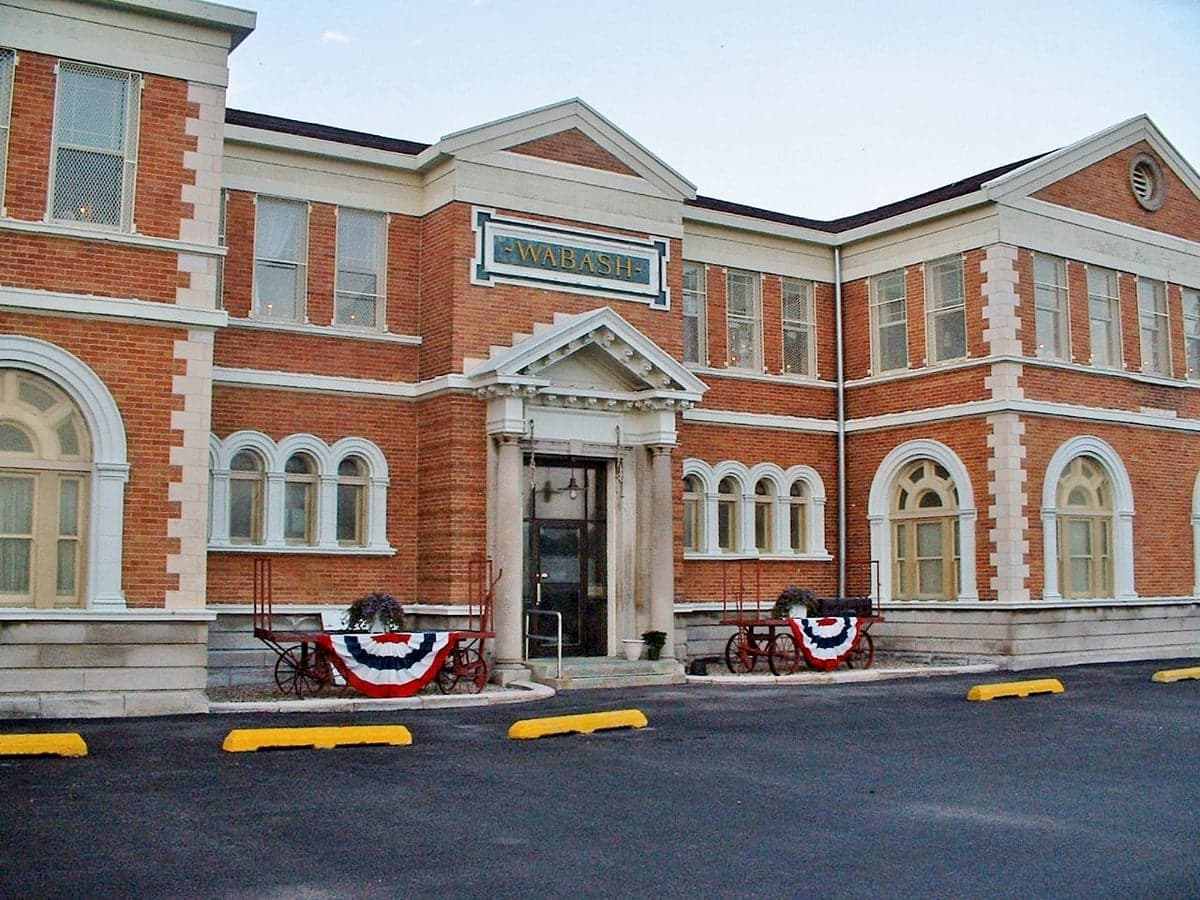
Photo: Wikipedia
Find The Best Places To Live in Macon County
PRO TIP! You can paste a Zillow or Redfin link to get info on that property.
Best Places to Live in Macon County
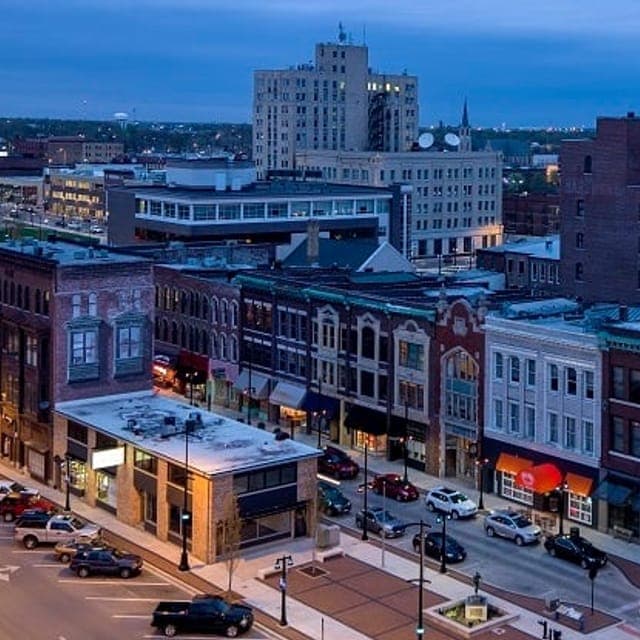
Cities & Towns in Macon County
Cities in Macon County
What It's Like Living in Macon County, IL
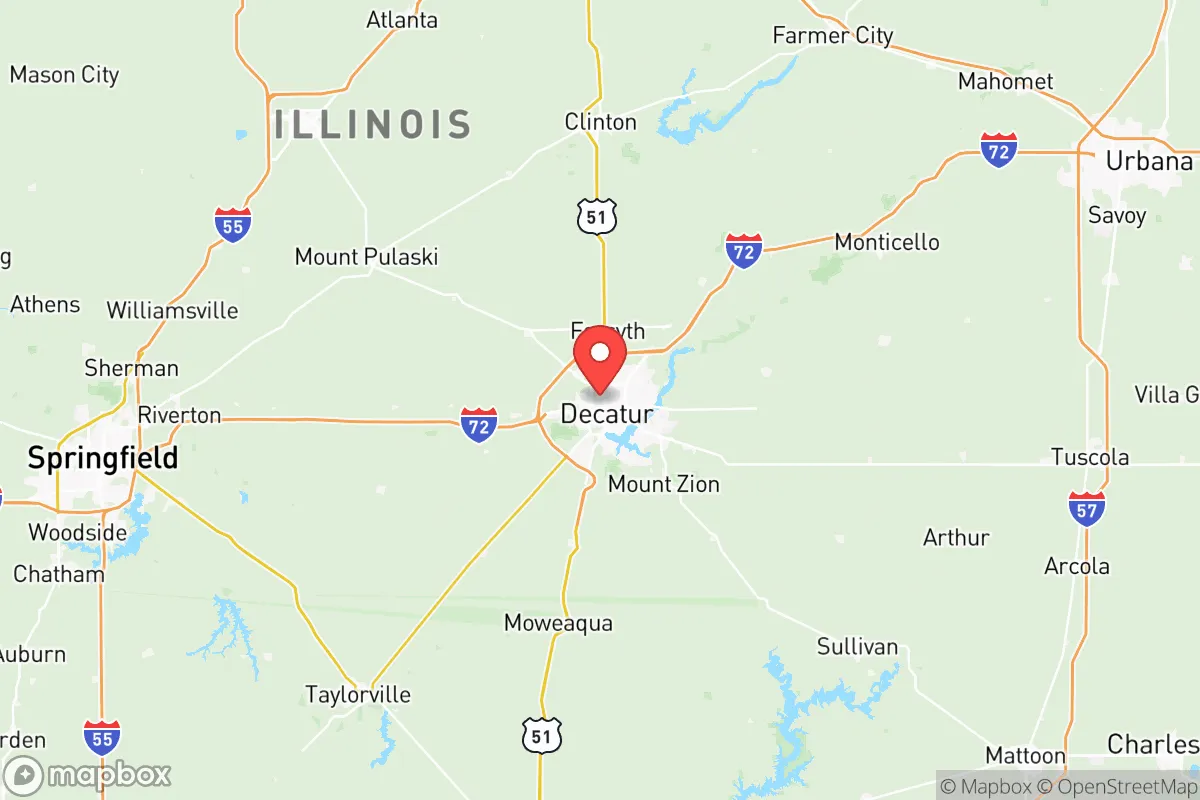
Macon County, Illinois, feels like a place where the Midwest’s work ethic meets a quiet, affordable pace of life. Centered around the city of Decatur, the county also includes smaller communities like Forsyth, Mount Zion, Argenta, Oreana, and Long Creek, each offering its own flavor of small-town living. This is a region where people know their neighbors, high school football games are a Friday-night ritual, and the cost of living leaves room for a comfortable, no-frills lifestyle.
Daily Rhythm: A Slower, More Affordable Pace
Life in Macon County moves at a deliberate, unhurried pace. The average commute is just under 19 minutes, which means most people spend less time in traffic and more time at home or at local events. In Decatur, the county’s largest city, you’ll find the bulk of shopping and dining—places like the Hickory Point Mall and local staples like Beer Nuts (the snack company’s home) and Baldwin’s Grill. In smaller towns like Forsyth and Mount Zion, the rhythm is even quieter, with families often gathering at community parks or grabbing a bite at a local diner. The median home value sits at $121,800, and with a cost of living index of 58 (well below the national average of 100), a median household income of $62,449 goes a long way here. This makes the county a natural fit for families looking to buy their first home, retirees on a fixed income, or anyone tired of stretching a paycheck in a pricier metro area.
Sports, Community, and Friday-Night Lights
If there’s one thing that binds Macon County together, it’s high school sports. The rivalry between Decatur MacArthur and Decatur Eisenhower is a genuine local institution, and on fall Fridays, bleachers are packed with parents, alumni, and students. In Mount Zion, the Braves football and basketball programs draw strong support, while Argenta-Oreana and Long Creek have their own loyal followings. For college sports, Millikin University in Decatur offers Division III athletics that are well-attended by locals. There’s no major professional team in the county, but many residents are die-hard fans of the Chicago Cubs, Bears, or Bulls, making the drive to Chicago (about 3 hours north) for a game a occasional weekend trip. The sense of community around these teams is genuine—it’s where you catch up with neighbors and feel part of something bigger than your own street.
What’s There to Do: Festivals, Outdoors, and Local Hangouts
Weekends in Macon County often revolve around outdoor spaces and local festivals. Lake Decatur is the centerpiece for recreation—boating, fishing, and walking the trails at Nelson Park are common pastimes. The Decatur Celebration, held every August, is a three-day street festival with live music, food vendors, and a carnival that draws people from across the county. In Forsyth, the Forsyth Park hosts summer concerts and a popular farmers market. For a quieter day, the Rock Springs Conservation Area offers hiking and birdwatching. Dining is straightforward and hearty—locals swear by Krekel’s Custard for a summer treat, and O’Brien’s Restaurant in Decatur for a classic steak dinner. The cultural scene is modest but present, with the Macon County History Museum and the Kirkland Fine Arts Center at Millikin University offering plays and concerts. That said, if you’re looking for a big-city nightlife scene or a wide variety of ethnic restaurants, you’ll find the options limited—most entertainment is low-key and community-driven.
Pros and Cons of Living Here
The biggest draw for most residents is the affordability and safety. The violent crime rate of 225.9 per 100,000 is slightly below the national average, and in the smaller towns like Oreana and Argenta, it’s even lower. The schools—particularly in Mount Zion and Forsyth—are well-regarded and serve as community hubs. On the downside, the job market is heavily tied to manufacturing and agriculture, with major employers like Archer Daniels Midland (ADM) and Caterpillar in Decatur. Economic downturns in these sectors can hit hard. The median age of 40.9 and a college-educated rate of 24.1% reflect a population that’s a bit older and less degree-focused than the national average, which can mean fewer opportunities for young professionals in tech or creative fields. Winters are real—expect snow and cold from December through February—but the seasons bring a rhythm that many longtime residents appreciate. The biggest frustration locals voice is the lack of new, diverse retail and dining options; many drive to Springfield or Champaign for a change of scenery. But for those who value a low-stress, affordable life with a strong sense of community, Macon County delivers exactly that.

* Values derived from national, state, county, city and local statistics and may differ in a specific area. Last updated: 2026-07-01T10:47:46.000Z
Narrative content on this page is AI-generated and may contain mistakes. Verify any details that matter before acting on them.
ReloMaps may earn a commission from affiliate links at no extra cost to you.

