
Photo: Wikipedia
Strategic Assessment of Lake County
Multiple tactical vulnerabilities. Population density, target proximity, or disaster risk are likely compounding. A retreat property and exit planning is required.
What does the Strategic Assessment tell us?
Our Strategic Assessment grades tactical survivability of an area. Major population centers, military targets, fallout zones, natural disasters, and border exposure all drive risk — lower exposure means a more defensible position in a crisis.
This is heavily inspired by Joel Skousen's Strategic Relocation book. Highly recommended you checkout the book ($)What does this tell us?
Our Strategic Assessment grades tactical survivability of an area. Major population centers, military targets, fallout zones, natural disasters, and border exposure all drive risk — lower exposure means a more defensible position in a crisis.
This is heavily inspired by Joel Skousen's Strategic Relocation book. Highly recommended you checkout the book ($)Strategic Pillars

Key Distances
Strategic Assessment Analysis
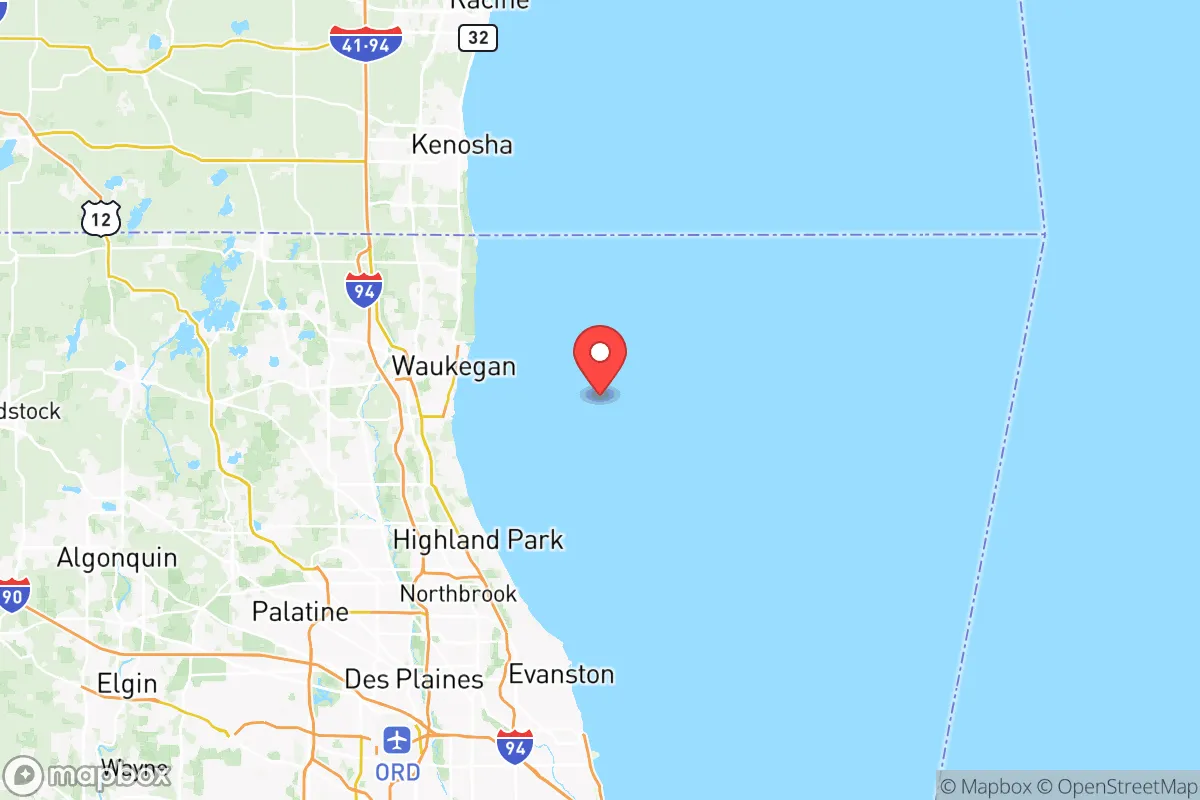
Lake County, Illinois, offers a surprisingly strong strategic position for relocators prioritizing resilience and self-sufficiency, balancing proximity to a major metropolitan hub with genuine geographic buffers and a robust local infrastructure. Located on the southwestern shore of Lake Michigan, the county benefits from a massive, defensible freshwater resource while sitting far enough from Chicago’s urban core to avoid the worst fallout risks associated with a dense population center. For a conservative-leaning individual or family weighing disaster readiness, Lake County presents a credible mix of natural advantages, manageable exposure to man-made threats, and practical day-to-day resilience that warrants serious consideration.
Geographic position and natural advantages for resilience
Lake County’s most significant strategic asset is its direct access to Lake Michigan, which provides an essentially inexhaustible supply of fresh water—a critical factor in any long-term disruption scenario. The county’s terrain is gently rolling, with substantial forest preserves and open space, particularly in areas like Chain O' Lakes State Park and the Des Plaines River corridor, which offer natural cover and potential for small-scale agriculture or foraging. The region is not prone to earthquakes, hurricanes, or wildfires, and its climate, while cold in winter, is predictable and manageable with proper preparation. Towns such as Libertyville and Grayslake sit inland, away from the immediate lakefront, reducing exposure to lake-effect storm surges while still benefiting from the water resource. The county’s position roughly 40 miles north of Chicago places it outside the most likely blast or fallout zones for a major urban attack, while still allowing access to the city’s medical and logistical resources if needed. This balance of isolation and connectivity is a key advantage for a relocator seeking both security and practicality.
Risks, exposures, and proximity to fallout-relevant landmarks
No strategic assessment is complete without acknowledging the risks. Lake County’s primary vulnerability stems from its proximity to Chicago, a Tier 1 target for any state-level adversary. A nuclear detonation or major conventional attack on the city would generate significant fallout that could drift northeast over the lake, but Lake County’s position west and north of Chicago means it is less likely to be in the direct plume path than suburbs directly south or east. More localized concerns include the Waukegan area, which hosts a former Superfund site and industrial facilities along the lakefront, including a coal-fired power plant and chemical storage. A major accident or sabotage at these sites could pose a contamination risk, though the county’s emergency management infrastructure is well-regarded. The Great Lakes Naval Station in North Chicago is a military installation that could be a secondary target, but its size and mission make it a lower-priority threat than larger bases like Fort Hood. For a relocator, the key takeaway is that Lake County’s risks are real but manageable—far lower than living inside Chicago or near the refinery corridor of Houston, but higher than a remote rural county in the Mountain West. The presence of multiple hospitals, including Advocate Condell Medical Center in Libertyville, and a well-funded county emergency management agency adds a layer of practical resilience.
Practical resilience for a relocator: food, water, energy, and defensibility
For a family or individual serious about self-sufficiency, Lake County offers a workable foundation. Water is the strongest point: lake access means a household with a filtration system or a small pump can secure potable water indefinitely, a luxury unavailable to most inland suburbs. Food resilience is moderate; the county has a strong agricultural heritage, with working farms in the western and northern townships, particularly around Antioch and Lake Villa. Farmers’ markets are abundant in summer, and community gardening is common in towns like Mundelein and Vernon Hills. However, the growing season is short (roughly May to October), so long-term food storage and greenhouse investment are necessary for year-round self-sufficiency. Energy is a mixed picture: the grid is reliable but centralized, and winter storms have caused localized outages. Solar adoption is growing but not yet widespread; a backup generator or battery system is a wise investment. Defensibility is the weakest category for most suburban subdivisions, but the county’s many forest preserves and rural pockets offer options for those willing to live outside dense subdivisions. The Lake County Forest Preserves cover over 31,000 acres, providing natural barriers and potential retreat areas. For a relocator, the practical strategy is to choose a home on a larger lot in a less dense township—think Wadsworth or Old Mill Creek—rather than a typical HOA subdivision in Buffalo Grove or Highland Park. The county’s strong law enforcement presence and relatively low crime rates (violent crime is well below the national average) also contribute to day-to-day security.
Overall, Lake County presents a compelling strategic picture for the resilience-minded relocator who values freshwater security and proximity to a major city but wants to avoid the highest-risk zones. It is not a bug-out location—it is a place to live and build a life with a realistic plan for disruption. The county’s combination of lake access, agricultural land, strong infrastructure, and manageable risk exposure makes it one of the better options in the Midwest for a conservative-leaning family thinking seriously about preparedness. The key is to choose a location within the county that maximizes natural buffers and minimizes density, and to invest in the water filtration, energy backup, and food storage systems that turn geographic advantage into practical resilience. For those willing to do that work, Lake County offers a rare balance of comfort and capability.

* Values derived from national, state, county, city and local statistics and may differ in a specific area. Last updated: 2026-06-16T14:29:21.000Z
Narrative content on this page is AI-generated and may contain mistakes. Verify any details that matter before acting on them.
ReloMaps may earn a commission from affiliate links at no extra cost to you.

