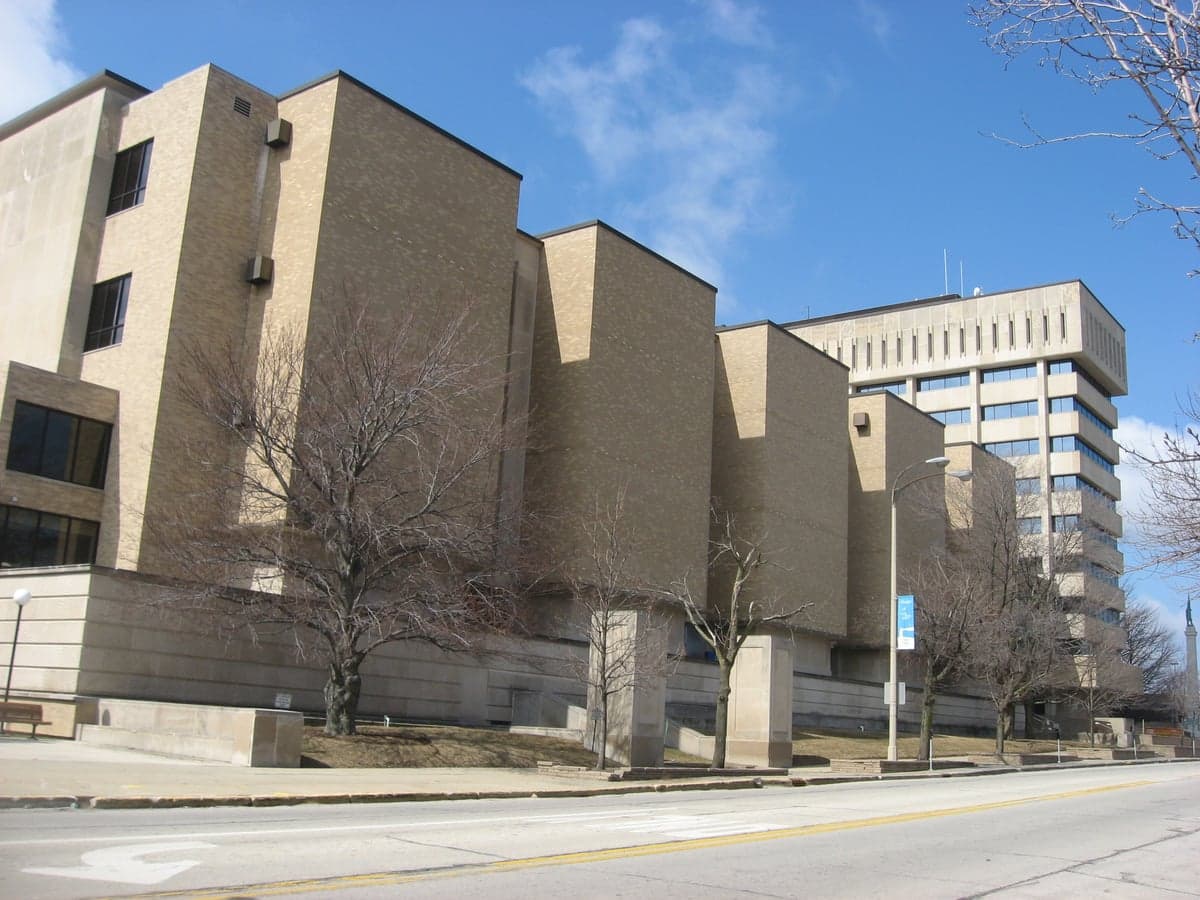
Photo: Wikipedia
Quality of Life in Lake County
A livable area that tracks near national norms for affordability, walkability, and neighborhood health.
What does Quality of Life tell us?
Quality of Life measures an area by evaluating factors like cost of living, nearby amenities, country club access, airport proximity, socioeconomic signals and neighborhood character. For large states, this is a general average — quality of life can vary dramatically between metro areas, suburbs, and rural communities within the same state.
What does this tell us?
Quality of Life measures an area by evaluating factors like cost of living, nearby amenities, country club access, airport proximity, socioeconomic signals and neighborhood character. For large states, this is a general average — quality of life can vary dramatically between metro areas, suburbs, and rural communities within the same state.
Cost of Living
20% above national average
117%
The Real Cost of Living in Lake County for 2026
| Tier | Individual | Family (4) |
|---|---|---|
| Survival | $23k | $43k |
| Comfortable | $63k | $93k |
| Luxury | $197k+ | $305k+ |
| Elite (Top 5%) | $253k+ | $392k+ |
Quality-of-Life Analysis
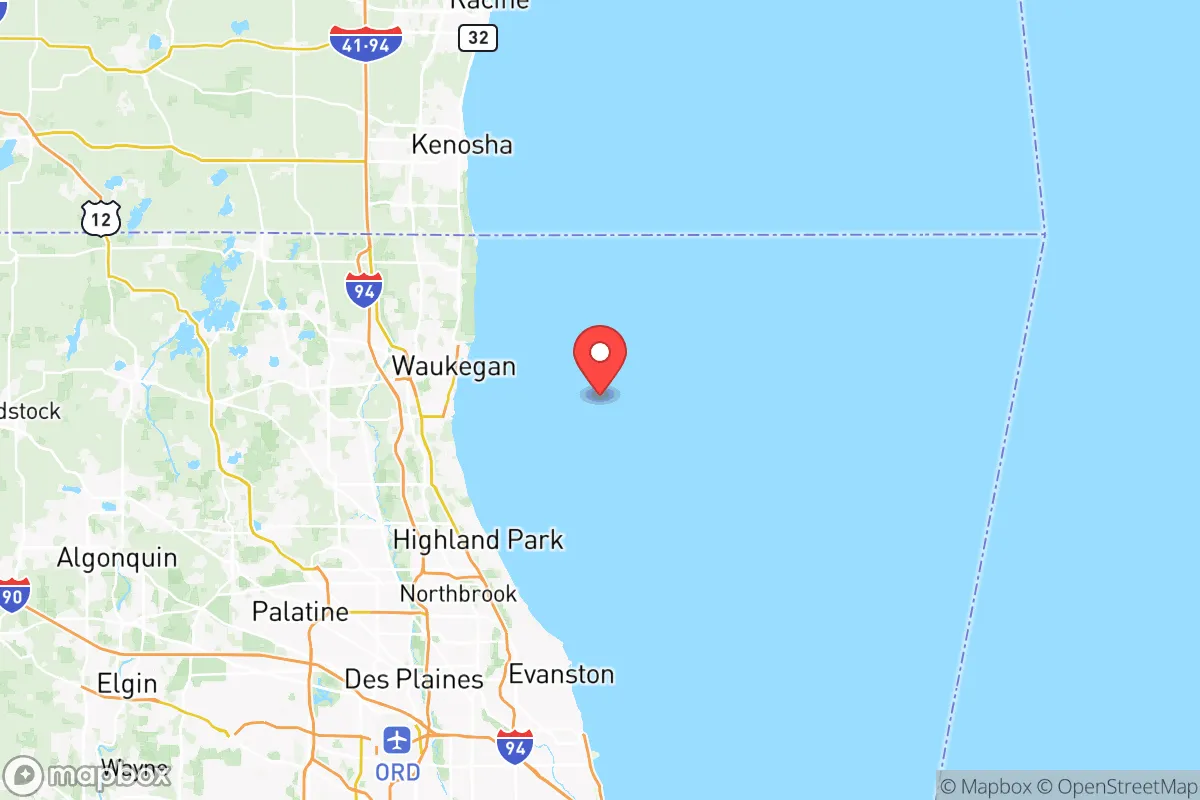
Lake County, Illinois, offers a broad quality-of-life spectrum that ranges from dense, amenity-rich suburban centers along the Lake Michigan shore to quiet, unincorporated rural pockets in the county's western and northern reaches. The county's overall cost of living index of 120 (100 = U.S. average) reflects its position as one of the Chicago metro area's more affluent suburban counties, but the range of housing costs, commute times, and community character means it attracts both high-earning professionals seeking urban-style amenities and families or retirees looking for small-town pace and land. The average commute of roughly 29 minutes is manageable for those working in Lake County itself or in northern Cook County, though trips into downtown Chicago push that figure higher.
Largest town(s) & population centers
Waukegan, the county seat and largest city (population ~89,000), anchors the eastern lakefront with a dense, diverse urban environment. Daily life here includes a revitalizing downtown with the Genesee Theatre, a working lakefront with Waukegan Harbor, and a strong industrial and logistics employment base. North Chicago and Zion form a contiguous urban corridor along the lake, with North Chicago dominated by the Great Lakes Naval Station and Rosalind Franklin University, giving it a transient military and student population. Gurnee, just west of Waukegan, is a major retail and entertainment hub anchored by Six Flags Great America and Gurnee Mills mall, drawing families and shoppers from across the region. Libertyville and Vernon Hills represent the county's more affluent suburban core, with highly rated school districts (Libertyville High School, Vernon Hills High School), extensive park districts, and walkable downtowns filled with independent restaurants and boutiques. These population centers offer the densest concentration of jobs, shopping, and cultural amenities, but also the highest traffic congestion and property prices — median home values in Libertyville often exceed $400,000, well above the county median of $326,600.
Smaller towns & rural pockets
West of the I-94 corridor, the county's character shifts markedly. Antioch, in the far north near the Wisconsin border, feels like a small lakeside town centered on Channel Lake and Lake Marie, with a slower pace and a strong boating and fishing culture. Fox Lake and Lake Villa sit along the Chain O'Lakes, a popular recreational waterway system; these communities attract second-home owners and year-round residents who prioritize water access over urban convenience. Wadsworth, a small unincorporated community between Gurnee and Zion, retains a rural feel with horse farms and large-lot subdivisions. Millburn, near the county's western edge, is a tiny unincorporated historic settlement surrounded by forest preserves and farmland. Volo, home to the Volo Auto Museum and a growing number of warehouse distribution centers, straddles the line between rural and exurban. These smaller towns and unincorporated areas offer lower housing costs relative to the lakefront — some properties in Antioch and Fox Lake fall below the county median home value — and significantly less traffic, but they also have fewer employment centers, requiring longer drives to jobs in Gurnee, Libertyville, or Lake Forest.
Cost & lifestyle range
The cost and lifestyle spread across Lake County is wide. At the high end, Lake Forest and Lake Bluff on the eastern shore are among the most expensive suburbs in Illinois, with median home values well above $600,000, large historic estates, top-tier public schools (Lake Forest High School), and direct Metra rail access to downtown Chicago. These communities attract executives, entrepreneurs, and professionals who prioritize prestige, privacy, and proximity to the lakefront. At the moderate end, Waukegan and North Chicago offer median home values closer to $200,000–$250,000 and median rents near the county average of $1,434, making them more accessible to first-time homebuyers and renters. Zion and Beach Park fall in the middle, with home values around $250,000–$300,000 and a mix of older single-family homes and newer subdivisions. In the western rural pockets, Antioch and Fox Lake offer a lower cost of living than the lakefront but have seen rising demand since 2020 as remote workers seek more space for their money. The trade-off is clear: lakefront communities provide walkable downtowns, commuter rail, and high-end retail, while western and northern areas offer land, water recreation, and lower taxes but require a car for nearly every errand.
Lake County is best suited for people who value choice — the ability to select a community that matches their budget, commute tolerance, and lifestyle preferences within a single county. Professionals and families who need quick access to Chicago or the North Shore job market will gravitate toward the lakefront towns and the Libertyville-Vernon Hills corridor. Those who prioritize space, water access, or a slower pace will find a better fit in the Chain O'Lakes communities or the rural pockets around Wadsworth and Millburn. The county's mix of urban, suburban, and rural environments, combined with its strong school systems and natural amenities (forest preserves, lakes, the Des Plaines River Trail), makes it one of the most versatile living options in the greater Chicago area.

Crime in Lake County
WARNING: The crime statistics are unreliable for this jurisdiction. Local authorities have either not reported or under reported their data to the FBI. This could be due to bad intentions, incompetence or technical issues. Regardless, we suggest skepticism.
Higher crime rates than 64% of comparable U.S. locations.
Violent CrimeViolent Crime Analysis
Property CrimeProperty Crime Analysis
Crime Analysis
Lake County, Illinois, presents a safety profile that is notably safer than the national average for violent crime but slightly elevated for property crime, creating a mixed picture for prospective residents. With a violent crime rate of 242.4 incidents per 100,000 residents and a property crime rate of 1,464.7 per 100,000, the county sits in a middle ground between the high-crime corridors of Cook County to the east and the safer exurbs to the west. The most significant safety concerns for residents are property-related offenses, particularly theft and vehicle break-ins, which tend to cluster in commercial corridors and near transit hubs.
Crime in context
Lake County's violent crime rate is roughly 30% lower than the national average of approximately 380 per 100,000, and significantly below the Illinois state average of about 440 per 100,000, which is pulled upward by Chicago's numbers. However, the property crime rate is about 10% higher than the national average of roughly 1,320 per 100,000. This pattern — lower violence but elevated theft — is common in affluent suburban counties where opportunistic property crime targets unlocked cars and unattended packages. The county's overall crime index places it in a safer tier than neighboring Cook County but above the safest collar counties like McHenry or Kendall. Residents considering Lake County should understand that while the risk of violent victimization is low, property crime is a routine concern that requires standard precautions.
What residents experience
The lived safety experience in Lake County varies dramatically by municipality. Waukegan and North Chicago are the county's primary crime hotspots, with violent crime rates roughly double the county average; these cities face challenges common to older industrial suburbs, including gang-related activity and higher poverty rates. In contrast, Libertyville, Vernon Hills, and Lake Forest consistently report violent crime rates below 100 per 100,000, placing them among the safest communities in the state. Property crime is more evenly distributed but still concentrates in retail-heavy areas: Gurnee, home to the Gurnee Mills shopping complex and Six Flags Great America, sees elevated larceny and vehicle burglary rates tied to transient visitor traffic. The 19th Judicial Circuit Court, which covers Lake County, has seen increasing criticism from law enforcement for progressive sentencing policies, including a diversion-first approach to non-violent property offenders. Critics argue that these policies, while reducing jail populations, have contributed to repeat property crime in the county's wealthier enclaves, as offenders face minimal consequences for thefts under $500. Residents in communities like Highland Park and Deerfield report that car break-ins and package thefts are the most common crimes they encounter, often committed by individuals who cycle through the justice system with little deterrent effect.
Neighborhood-level variation within Lake County is extreme, even between adjacent suburbs. A family living in Buffalo Grove on the county's southern edge experiences a safety profile comparable to the safest suburbs in DuPage County, while a household just a few miles north in Zion faces property crime rates nearly three times higher. The county's geography of safety follows a clear pattern: the eastern lakefront communities (Lake Forest, Lake Bluff, Highland Park) and the central affluent corridor (Libertyville, Vernon Hills, Kildeer) are the safest, while the older industrial cities along the lakefront (Waukegan, North Chicago, Zion) and the far western rural areas near the McHenry County line see elevated crime. Prospective residents should research block-level crime data for their specific target neighborhood, as even within a single municipality like Waukegan, crime is heavily concentrated in specific census tracts. The presence of progressive judicial policies in the county court system means that property crime offenders face relatively low consequences, a factor that residents in high-theft areas should weigh when deciding on security measures and neighborhood selection.
* Values derived from national, state, county, city and local statistics and may differ in a specific area. Last updated: 2026-06-16T14:29:21.000Z
Narrative content on this page is AI-generated and may contain mistakes. Verify any details that matter before acting on them.
ReloMaps may earn a commission from affiliate links at no extra cost to you.

