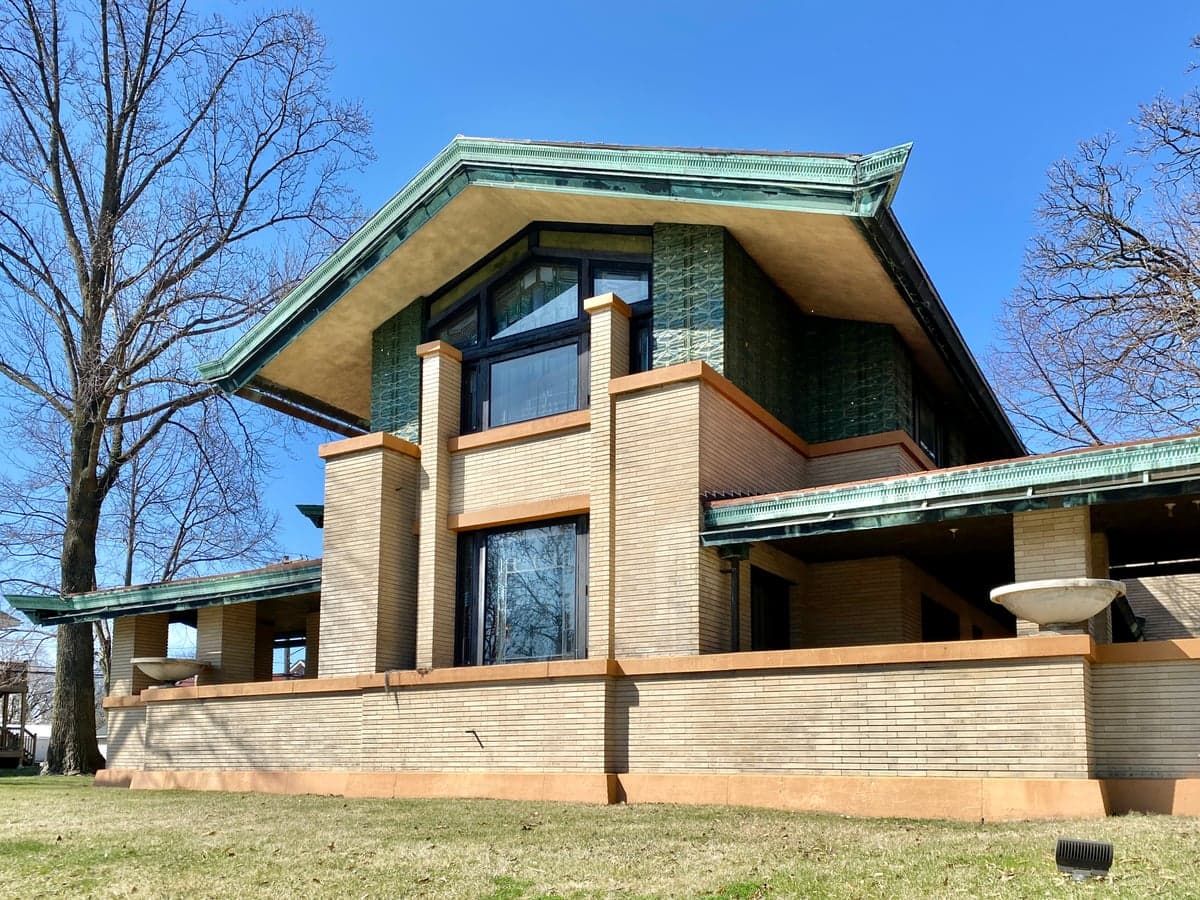
Photo: Wikipedia
Find The Best Places To Live
in Springfield
PRO TIP! You can paste a Zillow or Redfin link to get info on that property.
What It's Like Living in Springfield, IL
Springfield, Illinois, feels like a place where the American Midwest still keeps its handshake—steady, unpretentious, and a little slower than the coasts. It’s the kind of town where you can grab a horseshoe sandwich at a diner and run into your kid’s teacher at the grocery store, all while knowing that Abraham Lincoln walked these same streets. With a population just north of 113,000, it’s big enough to have a Costco and a minor-league baseball team, but small enough that the 17-minute average commute is a point of pride, not a punchline.
The Daily Rhythm: Work, Errands, and Weekend Habits
Most people here work in state government, healthcare, or education—the state capitol complex, HSHS St. John’s Hospital, and the University of Illinois Springfield are the big anchors. The median household income sits at $65,537, which goes a long way when your cost of living index is 29 percent below the national average. A typical weekday means a quick drive to work (no traffic jams, just the occasional train blocking a crossing), lunch at a spot like D’Arcy’s Pint for the famous horseshoe sandwich, and evenings spent at home or at a kid’s soccer game. Weekends often involve a trip to the Old State Capitol farmers market, a hike at Washington Park Botanical Garden, or a slow afternoon at one of the local coffee shops like Brewed Awakening. The median age is 40.7, so you’ll find a mix of young families, empty-nesters, and state workers who’ve been here for decades. It’s not a town for night owls—bars like Boone’s Saloon and The Alamo have a loyal crowd, but things wind down early.
Sports, Community, and What Unites the Town
Springfield doesn’t have a major pro team, but it has something better: the Springfield Sliders (collegiate summer baseball) and the Springfield Jr. Blues (junior hockey). Games at Robin Roberts Stadium and the Nelson Center are cheap, loud, and full of families. High school sports are a big deal—Sacred Heart-Griffin and Springfield High School pack bleachers on Friday nights, and the rivalry games are the social event of the season. The biggest cultural touchstone is the Illinois State Fair every August, which brings carnival rides, tractor pulls, and enough corn dogs to feed a small army. For music, the Boom Bap Festival in downtown’s Fifth Street draws hip-hop and indie acts, while the Old Capitol Art Fair in May turns the square into a canvas. The Lincoln legacy is everywhere—the Abraham Lincoln Presidential Library and Museum is a world-class attraction that locals still visit on rainy weekends.
What You’ll Love and What Will Drive You Crazy
Let’s be honest: Springfield has real trade-offs. The violent crime rate is 889 per 100,000, which is higher than the national average and something you’ll hear about at dinner parties. Most of it is concentrated in specific neighborhoods, but it’s a concern that families and singles alike keep an eye on. Property crime is more widespread, so locking your car is non-negotiable. On the upside, the median home value is $155,200—you can buy a solid three-bedroom for under $200K, which is almost unheard of in larger metros. The weather is classic Midwest: humid summers, cold winters with occasional lake-effect snow, and a glorious two-week spring that everyone cherishes. Schools are a mixed bag—District 186 has some strong elementary schools, but many parents opt for private or parochial options like Lutheran High School or Calvary Academy. The biggest frustration? The lack of a vibrant nightlife and the feeling that the town can be insular. Newcomers sometimes struggle to break into established social circles, but joining a church, a youth sports league, or a volunteer group at the Springfield Art Association helps.
Who Fits In and Who Might Not
Springfield works best for people who value stability over excitement, and who don’t mind a slower pace. It’s a great fit for state employees, nurses, teachers, and remote workers who want a low-cost base. Singles in their 20s might find the dating scene limited, but parents appreciate the safe, walkable neighborhoods like Historic West Side or Leland Grove. The political vibe leans conservative in the surrounding counties, but the city itself is a mix—state workers and union households balance out the rural influence. If you’re looking for a place where your dollar stretches, where you can own a home with a yard, and where “how about those Cubs?” is a valid conversation starter, Springfield is worth a serious look. Just don’t expect it to be Chicago—it’s not trying to be.

Similar small cities to Springfield

* Values derived from national, state, county, city and local statistics and may differ in a specific area. Last updated: 2026-04-23T09:38:33.000Z
Narrative content on this page is AI-generated and may contain mistakes. Verify any details that matter before acting on them.
ReloMaps may earn a commission from affiliate links at no extra cost to you.

