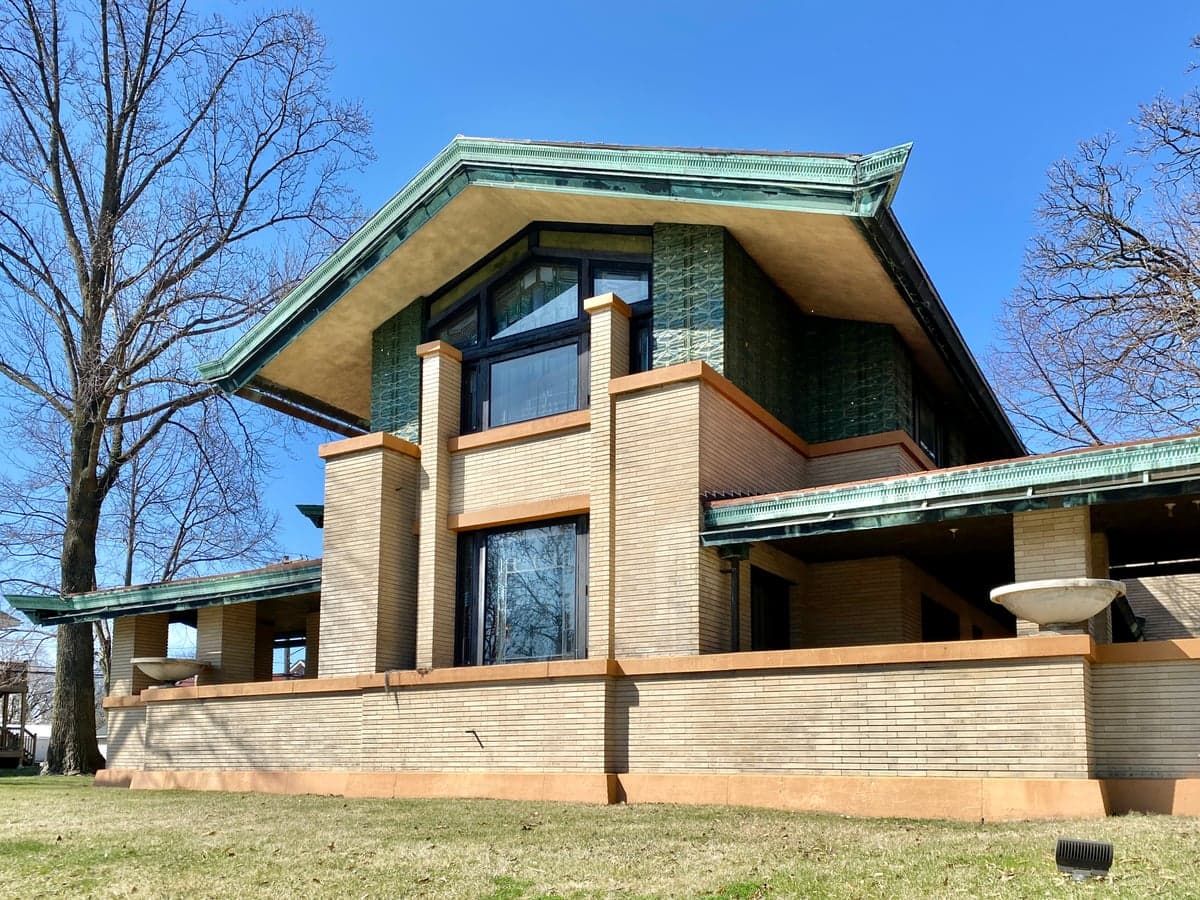
Photo: Wikipedia
Quality of Life in Springfield, IL
Above-average quality of iife. The area offers a reasonable cost of living, decent mobility, and a mix of neighborhood amenities.
What does Quality of Life tell us?
Quality of Life blends cost of living, nearby amenities, socioeconomic signals, and neighborhood character. City-level scores represent the whole municipality; individual neighborhoods can differ.
What does this tell us?
Quality of Life blends cost of living, nearby amenities, socioeconomic signals, and neighborhood character. City-level scores represent the whole municipality; individual neighborhoods can differ.
Cost of Living
29% below national average
The Real Cost of Living in Springfield, IL for 2026
| Tier | Individual | Family (4) |
|---|---|---|
| Survival | $15k | $28k |
| Comfortable | $30k | $44k |
| Luxury | $118k+ | $184k+ |
| Elite (Top 5%) | $149k+ | $230k+ |
148%
The Area Signal
A metric tracking the socioeconomic signals of the area.
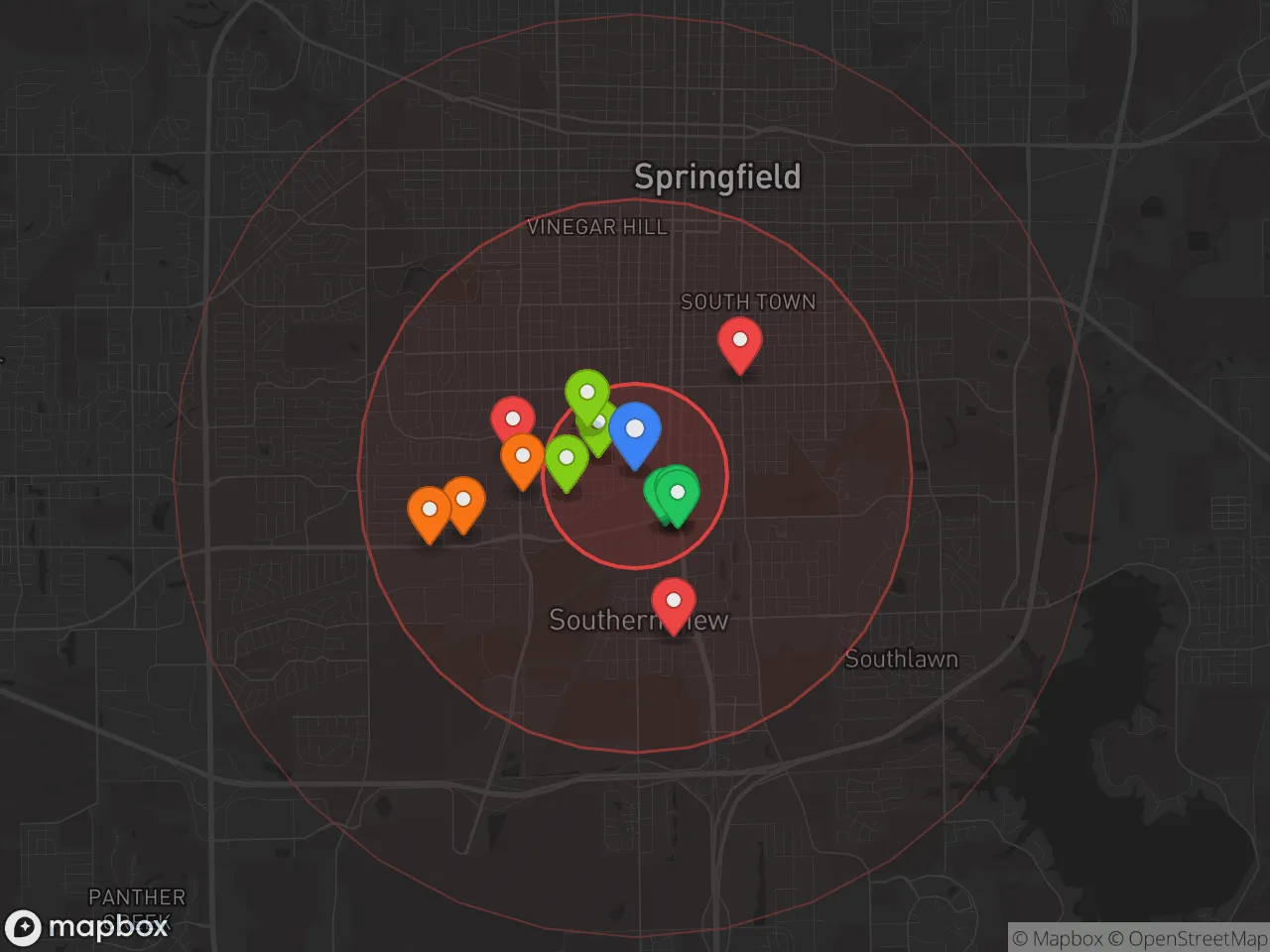
Hobbies
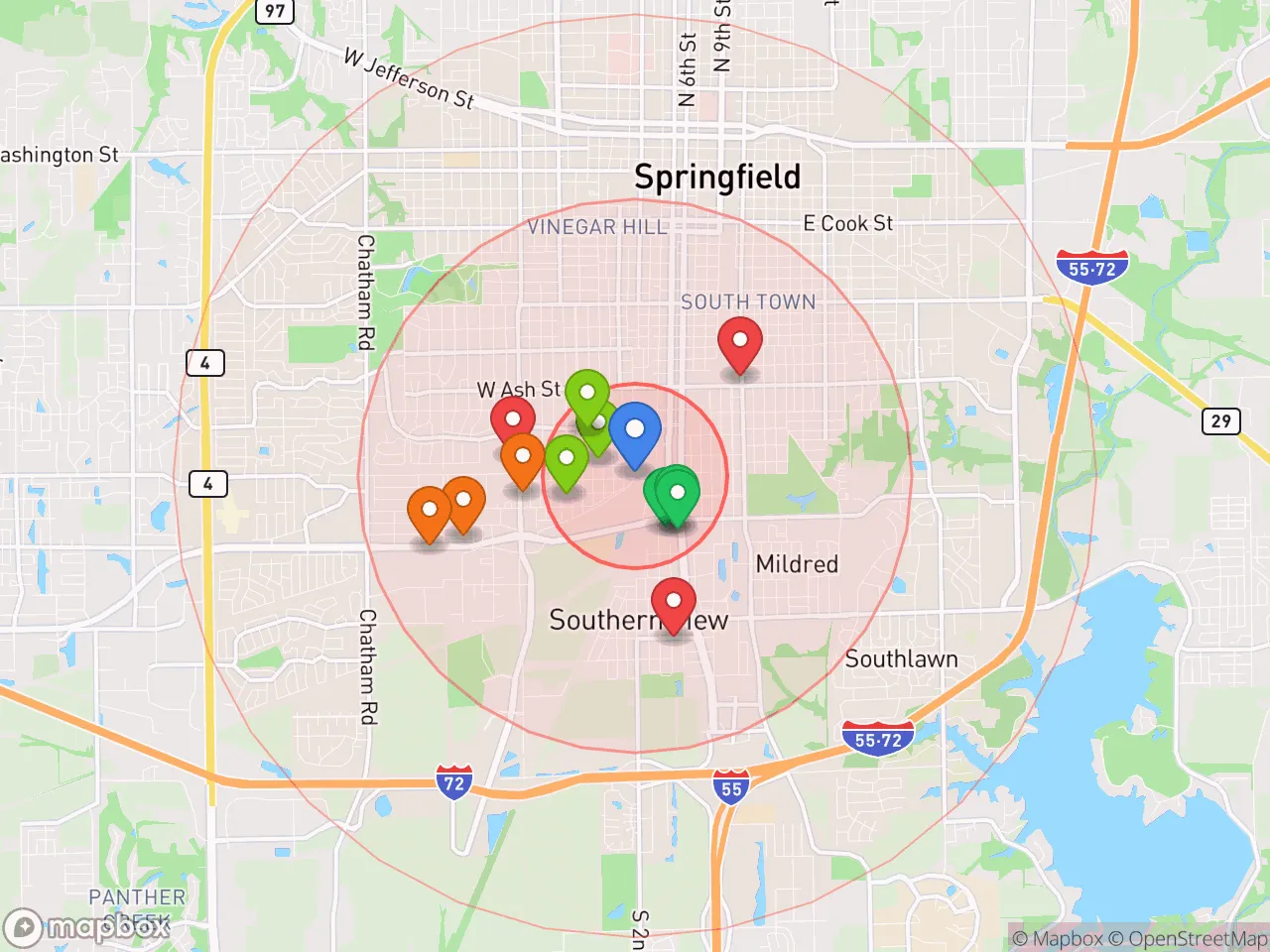
Explore the areaGroceries
7 within 10 miles
Gas
20 within 10 miles
Hospital
6 within 20 miles
Airport
MDW — Midway International
Post Office
USPS — Springfield, IL
Critical Amenities
Quality-of-Life Analysis
Springfield, Illinois, offers a notably affordable quality of life that attracts a mix of state government employees, healthcare professionals, and families seeking a slower pace without sacrificing urban amenities. With a cost of living index of 71—well below the national average of 100—the capital city provides a financial cushion that allows residents to own homes and save more than in many peer Midwestern metros. The population skews slightly older and more settled than the national average, reflecting a community built around stable state government jobs, major healthcare employers like HSHS St. John’s Hospital, and a steady base of retirees drawn to the area’s low costs and central location.
Cost of living, housing affordability, and how Springfield compares to nearby areas
Springfield’s housing market is a standout advantage. The median home value sits at $155,200, roughly half the national median, while the median rent of $945 is similarly accessible. This makes homeownership realistic for many single-income households and young professionals—a sharp contrast to nearby Champaign-Urbana, where median home values hover near $220,000, or Bloomington-Normal, where prices exceed $200,000. The average commute of just under 18 minutes further reduces daily expenses, as residents spend less on gas and vehicle wear than those in larger metros like Chicago, where commutes often exceed 35 minutes. Property taxes in Sangamon County are moderate for Illinois, averaging about 2.1% of assessed value, but the low base home price keeps annual tax bills manageable—typically under $3,500 for a median-priced home. Utilities and groceries also track below national averages, reinforcing Springfield’s reputation as a place where a middle-class income goes further than in most of the state.
What daily life is like: amenities, schools, and community rhythm
Daily life in Springfield revolves around a compact, walkable downtown core anchored by the Illinois State Capitol and the Abraham Lincoln Presidential Library and Museum. The city’s park system, managed by the Springfield Park District, includes over 40 parks, the 80-acre Washington Park Botanical Garden, and the 7-mile Sangamon Valley Trail for biking and walking. For families, school quality varies by district: Ball-Chatham School District (Chatham, just south) and Springfield District 186 are the primary options, with Ball-Chatham consistently earning higher state test scores and a lower student-to-teacher ratio of 18:1 versus District 186’s 21:1. Private and parochial options like Sacred Heart-Griffin High School also serve the area. The cultural calendar is steady but not flashy—the Illinois State Fair in August, the Old Capitol Farmers Market from May to October, and a handful of local theater and music venues provide regular entertainment. Residents often drive 90 minutes to St. Louis for major concerts or professional sports, but for daily errands, dining, and healthcare, Springfield is self-contained. The city’s rhythm is unhurried; most businesses close by 9 p.m., and weekend traffic is light, which suits those who prefer predictability over constant stimulation.
Springfield is best suited for people who value financial stability, short commutes, and a close-knit community over high-energy nightlife or rapid career advancement in tech or finance. State government workers, healthcare professionals at Memorial Health System or HSHS St. John’s, and retirees will find the cost structure and pace most comfortable. Families with school-age children should weigh district performance carefully—Ball-Chatham offers stronger academics, while District 186 provides more diversity and proximity to downtown. For remote workers or those in stable industries, Springfield’s low cost of living and central location (within three hours of Chicago, St. Louis, and Indianapolis) make it a practical base for exploring the Midwest without the financial strain of larger cities.

Crime in Springfield, IL
Significantly higher crime rates than 83% of comparable U.S. locations.
Violent CrimeViolent Crime Analysis
Property CrimeProperty Crime Analysis
Crime Analysis
Springfield, Illinois, reports a violent crime rate of 889 incidents per 100,000 residents and a property crime rate of 4,184 per 100,000, figures that place the capital city well above both state and national averages for communities of its size. These elevated numbers reflect systemic challenges that potential residents should weigh carefully, particularly given the broader context of Sangamon County’s criminal justice environment. The city’s safety profile is a significant factor for anyone considering relocation, as daily life involves navigating risks that are notably higher than in many comparable Midwestern communities.
Crime in context
Springfield’s violent crime rate is more than double the national median for cities of similar population, while its property crime rate exceeds the national average by roughly 50%. Compared to Illinois as a whole, the city’s violent crime rate is approximately 60% higher than the state average, and property crime runs about 40% higher. These disparities are not accidental. Sangamon County operates within a judicial system influenced by progressive prosecutorial policies that prioritize diversion and reduced sentencing for repeat offenders. While such approaches aim to reduce incarceration, they have a direct, measurable consequence: more offenders remain on the street, increasing the likelihood of recidivism and diminishing public safety. Readers should understand that this ideological framework, however well-intentioned, correlates with the higher crime statistics Springfield reports.
What residents experience
For those living in Springfield, the elevated crime rates translate into tangible daily concerns. Property crime—including theft, burglary, and motor vehicle theft—is the most common threat, with residents reporting break-ins and package thefts as routine annoyances. Violent crime, while less frequent, is concentrated in specific areas and includes aggravated assault and robbery. The city’s police department has faced staffing shortages, which can slow response times and reduce proactive patrols. Residents often rely on neighborhood watch programs and private security measures, such as cameras and alarm systems, to supplement public safety efforts. The progressive justice policies in Sangamon County mean that even when arrests are made, offenders may face minimal consequences, eroding trust in the system’s ability to protect victims and deter future crime.
Neighborhood-level variation is significant. Areas west of the downtown core, including the historic districts near the Governor’s Mansion, generally report lower crime rates and a stronger sense of security. In contrast, neighborhoods east of 9th Street and south of Stevenson Drive experience higher concentrations of both violent and property crime. The city’s east side, particularly around the 11th Street corridor, has seen persistent challenges with gang-related activity and drug offenses. Prospective residents should research specific blocks and consult local crime maps, as safety can change dramatically within a few blocks. Overall, Springfield demands a higher level of vigilance than many Illinois communities of similar size, and the judicial environment does not favor victims or public safety in its current form.
* Values derived from national, state, county, city and local statistics and may differ in a specific area. Last updated: 2026-04-23T09:38:33.000Z
Narrative content on this page is AI-generated and may contain mistakes. Verify any details that matter before acting on them.
ReloMaps may earn a commission from affiliate links at no extra cost to you.

