Photo: Wikipedia
Quality of Life in Twin Falls County
A livable area that tracks near national norms for affordability, walkability, and neighborhood health.
What does Quality of Life tell us?
Quality of Life measures an area by evaluating factors like cost of living, nearby amenities, country club access, airport proximity, socioeconomic signals and neighborhood character. For large states, this is a general average — quality of life can vary dramatically between metro areas, suburbs, and rural communities within the same state.
What does this tell us?
Quality of Life measures an area by evaluating factors like cost of living, nearby amenities, country club access, airport proximity, socioeconomic signals and neighborhood character. For large states, this is a general average — quality of life can vary dramatically between metro areas, suburbs, and rural communities within the same state.
Cost of Living
6% below national average
78%
The Real Cost of Living in Twin Falls County for 2026
| Tier | Individual | Family (4) |
|---|---|---|
| Survival | $16k | $30k |
| Comfortable | $57k | $84k |
| Luxury | $114k+ | $177k+ |
| Elite (Top 5%) | $134k+ | $208k+ |
Quality-of-Life Analysis
Twin Falls County offers a spectrum of quality-of-life options that ranges from the urban amenities of its largest city to the quiet solitude of its agricultural hinterlands, all within a county-wide cost of living index of 94 (6% below the national average). The county’s character is defined by the Snake River Canyon and the Magic Valley’s agricultural economy, attracting a mix of healthcare and education professionals, remote workers, and families seeking affordable housing, as well as farmers and ranchers committed to a rural lifestyle. The diversity of settlement patterns means that a resident’s daily experience—from commute times to access to dining and entertainment—varies significantly depending on whether they live in the urban core, a bedroom community, or an unincorporated farming area.
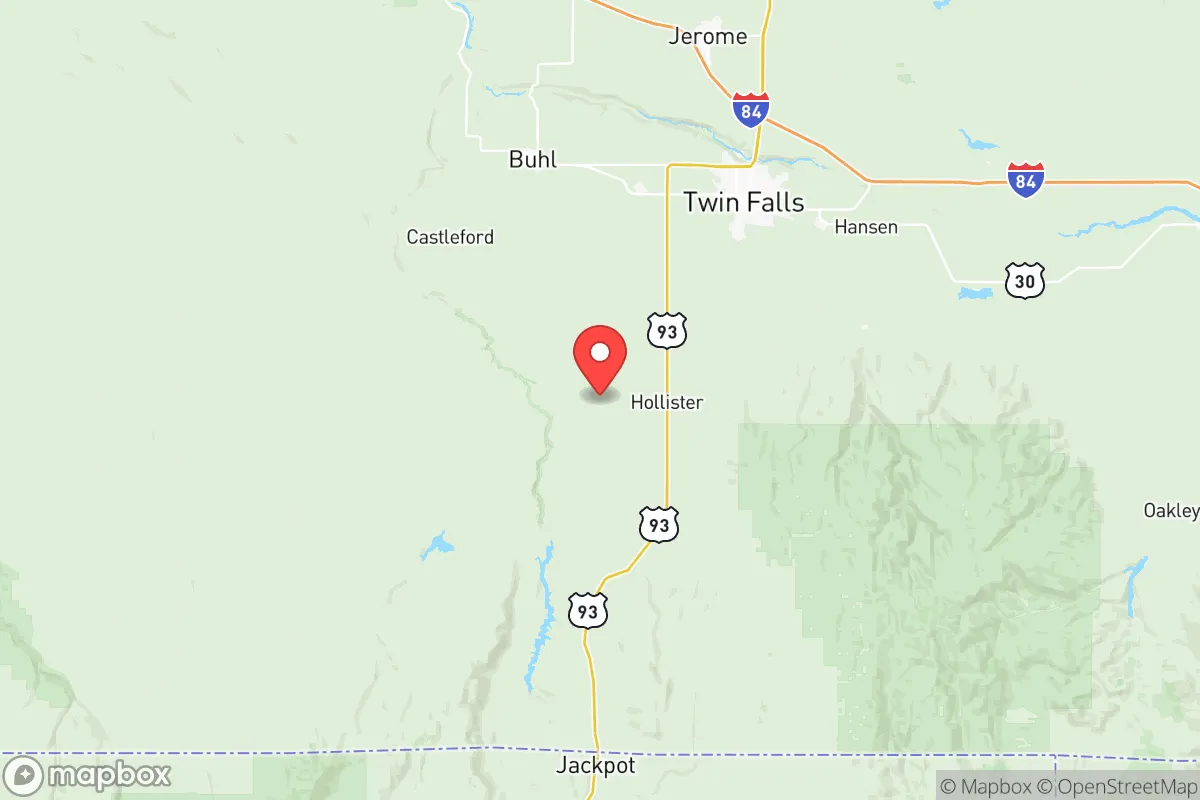
Largest town(s) & population centers
Twin Falls is the county’s undisputed hub and the only city with a population exceeding 50,000, serving as the commercial, medical, and educational center for the entire Magic Valley region. Daily life here offers the most amenities in the county, including the Magic Valley Mall, the College of Southern Idaho, and St. Luke’s Magic Valley Medical Center, the region’s largest employer. The city provides a walkable downtown core along Main Avenue, with local breweries, coffee shops, and the Snake River Canyon Rim Trail for outdoor recreation. The average commute in the county is just 18 minutes, and for Twin Falls residents, that figure is often even shorter, with most jobs located within the city limits or in the nearby industrial parks. Housing in Twin Falls is the most expensive in the county, with median home values around $292,700 and median rents near $1,011, though these figures still undercut national averages significantly. The city attracts young families, healthcare workers, and professionals who want access to chain retailers and cultural events while maintaining a low cost of living.
Smaller towns & rural pockets
Beyond Twin Falls, the county contains several distinct smaller communities, each with its own character. Jerome (pop. ~12,000) sits just north of Twin Falls and functions largely as a bedroom community, with a growing industrial base anchored by food processing plants like Chobani and Lamb Weston. Its housing stock is older and more affordable than Twin Falls, attracting first-time homebuyers and agricultural workers. Buhl (pop. ~4,500) and Filer (pop. ~2,800) are smaller agricultural towns with a slower pace of life, where residents often commute to Twin Falls for work or shopping. Buhl retains a historic downtown and is known for its proximity to the Snake River and Thousand Springs Scenic Byway. Kimberly (pop. ~4,000) is a quiet, family-oriented community with highly rated schools and a strong sense of local identity, popular among families who want a small-town feel within a 10-minute drive of Twin Falls. The unincorporated areas of the county, such as the farming communities around Hansen and Murtaugh, offer the most rural lifestyle, with large tracts of irrigated farmland, minimal services, and a population density that appeals to those seeking genuine isolation. These areas lack municipal utilities and rely on well water and septic systems, but offer land prices significantly below the county median.
Cost & lifestyle range
The cost of living and available amenities vary dramatically across the county, creating distinct tiers of lifestyle options. At the higher end, Twin Falls offers the most complete set of services—grocery stores, medical clinics, restaurants, and entertainment—but also carries the highest housing costs, with newer subdivisions in the south and east parts of the city pushing above the county median home value. The middle tier includes Jerome and Kimberly, where housing is 10-15% cheaper than Twin Falls, but residents still have reasonable access to retail and schools. At the lower end of the cost spectrum, Buhl, Filer, and the unincorporated areas offer the most affordable housing, with some older homes in Buhl selling for under $200,000 and raw land in rural pockets available for well below the county average. However, these savings come with trade-offs: longer drives to grocery stores and medical facilities, fewer employment options within walking distance, and limited internet connectivity in the most remote areas. The county-wide average commute of 18 minutes masks this variation—a resident of rural Murtaugh may drive 25-30 minutes to work in Twin Falls, while a downtown Twin Falls resident may have a 5-minute commute.
The county is best suited for individuals and families who value affordability and outdoor access over urban density. Remote workers and retirees often gravitate to Twin Falls for its amenities and relatively low cost of living, while agricultural workers and those seeking land for hobby farms or acreage find the smaller towns and rural pockets more appealing. The trade-off between convenience and space is the defining choice for anyone relocating to Twin Falls County, and the range of options—from a downtown apartment in the county seat to a farmhouse on 20 acres near Hansen—means that most budgets and lifestyle preferences can find a fit within the county’s borders.

Crime in Twin Falls County
Lower crime rates than 77% of comparable U.S. locations.
Violent CrimeViolent Crime Analysis
Property CrimeProperty Crime Analysis
Crime Analysis
Twin Falls County, Idaho, reports a violent crime rate of 217 incidents per 100,000 residents and a property crime rate of 613.1 per 100,000, placing it slightly above the national average for property offenses but below the national violent crime average. The overall safety picture is mixed: while the county does not experience the extreme violent crime levels seen in larger metropolitan areas, property crime—particularly theft and vehicle break-ins—is a consistent concern for residents. The county’s justice system, including the Twin Falls County Prosecutor’s Office, operates under a conservative legal framework that prioritizes public safety and victim rights, which helps keep recidivism rates lower than in more progressive jurisdictions.
Crime in context
Compared to Idaho’s statewide violent crime rate of roughly 240 per 100,000, Twin Falls County’s 217 per 100,000 is slightly lower, indicating a relatively safer environment than the state average. However, the property crime rate of 613.1 per 100,000 exceeds the national average of approximately 1,954 per 100,000—meaning property crime is actually less frequent here than nationwide, but still a leading issue locally. The county’s largest city, Twin Falls, accounts for the majority of reported incidents, with neighborhoods near the Magic Valley Mall and along Blue Lakes Boulevard experiencing higher rates of shoplifting and vehicle burglaries. Smaller communities like Kimberly and Filer report significantly lower crime rates, often with violent crime numbers near zero annually, making them attractive for families seeking quieter, safer living. The rural expanses of the county, including areas around Hollister and Murtaugh, see minimal crime, though property theft from outbuildings and farm equipment remains a seasonal concern.
What residents experience
Daily life for most residents in Twin Falls County involves low exposure to violent crime, with the 217 per 100K rate translating to roughly one violent incident per 460 people per year. Property crime, at 613.1 per 100K, means about one in 163 residents experiences a theft, burglary, or vandalism annually. The county’s District Attorney’s office, led by a conservative prosecutor, maintains a firm stance on sentencing, which deters repeat offenders and keeps violent crime from spiking. In contrast, areas with progressive district attorneys—such as those in larger Idaho cities like Boise—often see higher recidivism and softer plea deals, but Twin Falls County avoids this trend. Residents in Twin Falls proper should secure vehicles and homes, as property crime clusters near commercial corridors and apartment complexes. The city’s police department actively patrols hotspots like the College of Southern Idaho campus and the Perrine Bridge area, but theft from unlocked cars remains the most common complaint. In Buhl and Castleford, residents report stronger neighborhood watch programs and lower property crime rates, contributing to a greater sense of security.
Neighborhood-level variation
Crime is not evenly distributed across Twin Falls County. The city of Twin Falls itself has neighborhoods with notable differences: the east side near the Snake River Canyon and the Rock Creek area are generally safer, while the central corridor along Addison Avenue and the area around the Magic Valley Mall see higher property crime. The town of Kimberly, with a population under 4,000, consistently reports violent crime rates below 50 per 100K, making it one of the safest spots in the county. Filer and Hansen also maintain low crime profiles, benefiting from small populations and strong community policing. For those considering relocation, choosing a home in these smaller towns or in the rural outskirts of Twin Falls can significantly reduce exposure to both violent and property crime, while still providing access to the county’s amenities and employment centers.
* Values derived from national, state, county, city and local statistics and may differ in a specific area. Last updated: 2026-06-15T15:49:04.000Z
Narrative content on this page is AI-generated and may contain mistakes. Verify any details that matter before acting on them.
ReloMaps may earn a commission from affiliate links at no extra cost to you.

