Photo: Wikipedia
Find The Best Places To Live in Twin Falls County
PRO TIP! You can paste a Zillow or Redfin link to get info on that property.
Best Places to Live in Twin Falls County
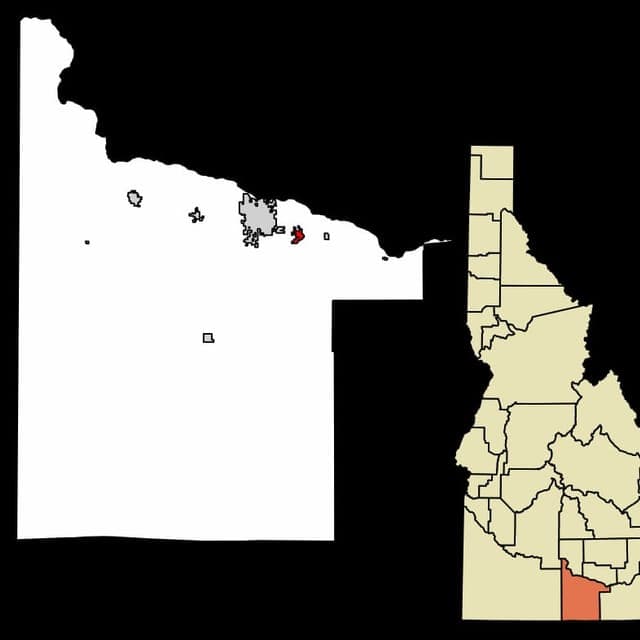
Cities & Towns in Twin Falls County
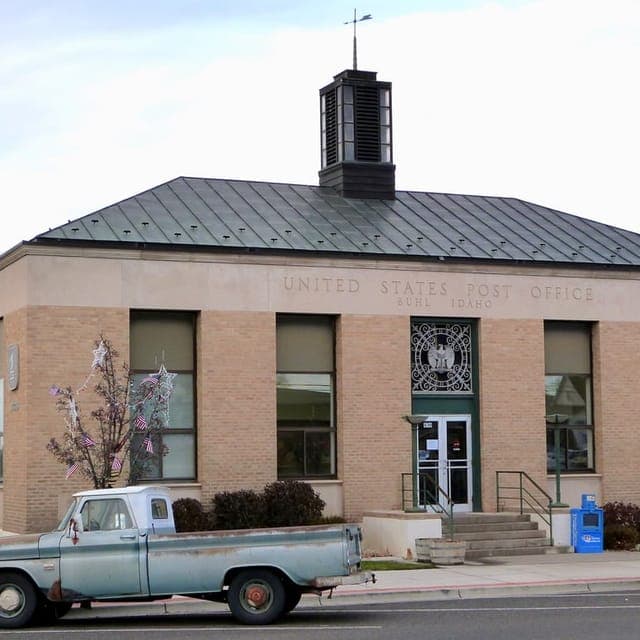
Cities in Twin Falls County
What It's Like Living in Twin Falls County, ID
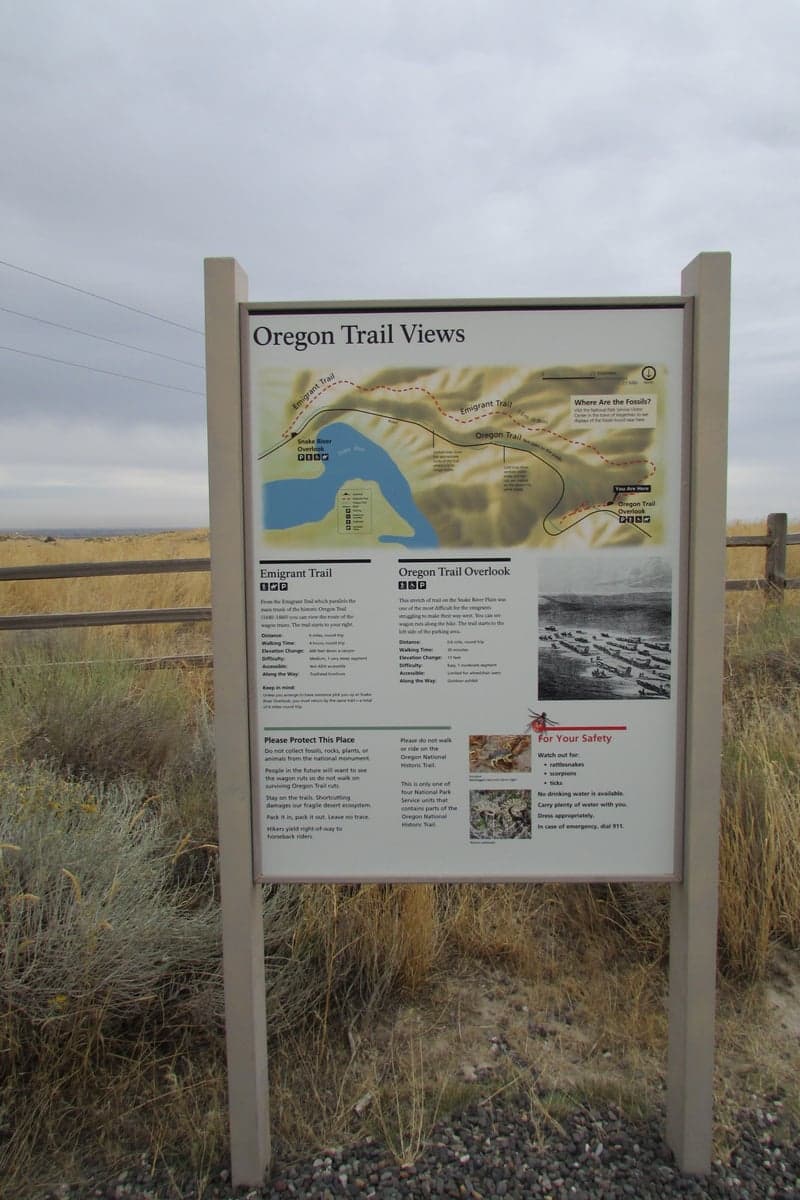
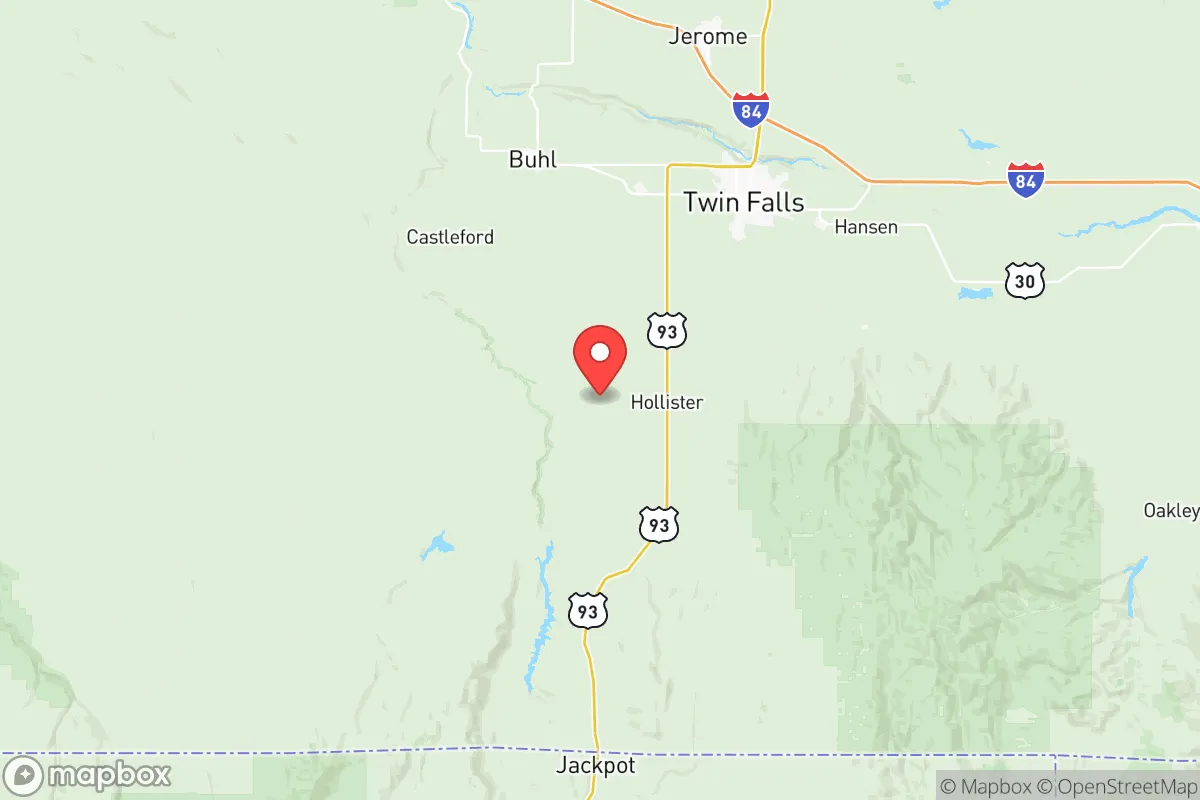
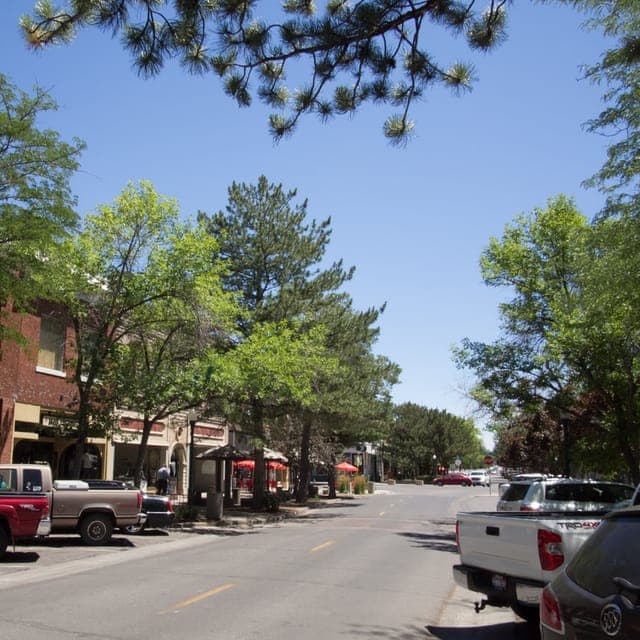
Living in Twin Falls County feels a bit like being in on a secret that’s slowly getting out. The county, anchored by the city of Twin Falls but spreading out through towns like Filer, Kimberly, Buhl, and the smaller rural pockets of Castleford and Murtaugh, offers a version of Idaho life that’s more grounded than the Boise hype. It’s a place where the Snake River Canyon is your backyard, the pace is deliberately slow, and most people know each other by name—or at least by the truck they drive.
The Daily Rhythm: Work, Commute, and the 18-Minute Grind
One of the first things newcomers notice is the commute. The average drive time in the county is just over 18 minutes, which means you can live on a few acres near Kimberly and still be at your desk in downtown Twin Falls before your coffee goes cold. Most people work in healthcare, education, or the region’s growing food processing and manufacturing sectors—Chobani and Clif Bar are major employers in the area. The median household income sits at $65,338, which stretches further here thanks to a cost of living index of 94, slightly below the national average. That said, the median home value has climbed to $292,700, a number that shocks locals who remember when you could buy a house in Buhl for under $150,000 a decade ago. The trade-off is that you get more space—both inside and outside—than you would in a pricier market.
Weekends are spent on practical hobbies. You’ll see families at the Twin Falls farmers market, couples hiking the canyon rim, and kids playing in the irrigation canals (a local rite of passage). Shopping is mostly concentrated around the Magic Valley Mall and the Blue Lakes Boulevard corridor, but most people drive to Boise for big-ticket items or specialty stores. The county’s median age of 35.8 suggests a relatively young population, many of whom are raising families and looking for stability rather than nightlife.
Sports, Community Pride, and the Friday Night Lights
High school sports are the cultural currency here. Twin Falls High School and Canyon Ridge High School draw big crowds for football and basketball, and the rivalry games between them are genuine community events. The College of Southern Idaho (CSI) in Twin Falls is a junior college powerhouse, particularly in basketball and rodeo—yes, rodeo is a big deal, and the CSI rodeo team regularly produces national qualifiers. There’s no professional sports team within two hours, so the local teams carry the weight of the county’s competitive spirit. In smaller towns like Filer or Castleford, the high school gym is still the social hub on winter nights.
Beyond sports, the county’s identity is tied to the Snake River Canyon. The Perrine Bridge is a magnet for BASE jumpers (it’s one of the few legal bridge-jumping sites in the U.S.), and the canyon floor offers hiking, fishing, and quiet spots that feel a world away from the subdivisions above. The Twin Falls County Fair in Filer is a late-summer highlight, combining rodeo, demolition derbies, and 4-H livestock shows into a week that feels like old Idaho.
What Fits and What Frustrates: The Honest Trade-Offs
The kind of person who thrives here values self-reliance and isn’t bothered by a lack of options. If you need a 24-hour diner, a live music venue that isn’t a cover band, or a walkable downtown with boutique shopping, you’ll be frustrated. The restaurant scene is improving—places like Elevation 486 in Twin Falls and the Snake River Grill in Buhl punch above their weight—but it’s still a place where you cook at home more than you eat out. The violent crime rate is 217 per 100,000, which is slightly above the national average but still low enough that most people don’t lock their doors in the smaller towns.
What longtime residents love is the quiet. The lack of traffic, the ability to own land, and the genuine sense of safety for kids. What frustrates them is the growth. New subdivisions are creeping into Kimberly and Filer, and the old-timers worry the county will lose its character. The weather is another reality: summers are hot and dry (100°F days are common), and winters are cold but not punishing, with inversions that sometimes trap haze in the valley. The schools are a point of pride—Twin Falls School District is the largest, but smaller districts like Murtaugh offer tight-knit environments where teachers know every student by name.
If you’re looking for a place where you can still buy a house on a half-acre, wave to your neighbors, and watch your kids ride bikes to the park without worry, Twin Falls County delivers. Just don’t expect a city’s worth of entertainment—the trade-off is space, quiet, and a community that still shows up for each other.

* Values derived from national, state, county, city and local statistics and may differ in a specific area. Last updated: 2026-06-15T15:49:04.000Z
Narrative content on this page is AI-generated and may contain mistakes. Verify any details that matter before acting on them.
ReloMaps may earn a commission from affiliate links at no extra cost to you.

